Period: Roman

Roman Rig Defensive Works

The Roman Rig is a defensive dyke built to defend against attack from the south. It runs from Sheffield, past Templeborough and carries on almost to Doncaster. If this is a Brigantian dyke it would certainly add weight to Websters definition of the Roman border in the period.

Guide: Spoil Heaps

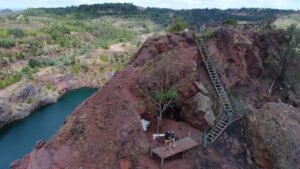
Ochre mine in the Lion Cavern in Eswatini southern Africa - Credit - Jörg Linstädter

These are artificial hills made from the unwanted rock, shale and tailings that come up with coal, metal ore, stone or clay when it is being mined or quarried. Because extractive industry is both deep and long-lived, single collieries or pits can generate tens of millions of cubic metres of spoil; pushed out by locomotive, conveyor or tippler wagon and dumped in successive layers, the piles quickly become a distinctive landform.

Guide: Barrows

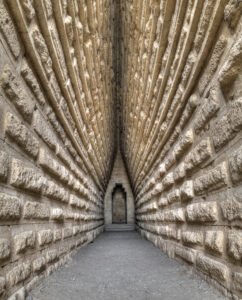
royal kurgans barrow, interior

A barrow is a mound of earth and/or stones raised over a grave or group of graves. Used from the Neolithic through to the Iron Age (roughly 4000 BCE to 500 CE), barrows were often constructed to honour elite individuals, such as tribal leaders, warriors, or chieftains. They are frequently found singly or in cemeteries known as barrow fields.

Drumanagh Promontory Fort – First Ever Intact Roman Pot Found in Ireland

Roman samian ware

RTE Ireland has reported that more recently they have made yet another remarkable discovery—an intact Roman pot. the first one to be uncovered on Irish soil, and providing more tantalising clues about ancient Roman-Irish interactions.

Although the Roman Empire they never reached Ireland (except, seemingly, in myth). That does not mean, that Roman influence and goods did enter Ireland, and it means that Drumanagh continues to headline as one of Irelands most tantalising archaeological sites for that same reason – exactly what were the Romans doing in Ireland?

Aldborough Roman Town

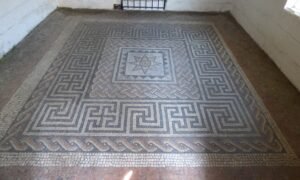
Aldborough Roman Town mosaic

Aldborough, or Isurium Brigantia as it was known in Roman times was the capital of Brigantia, at least from some point during Cartimandua’s acceptance as client Queen, governed by Rome. As such, it is a key site in our search for Brigantia

West Scrafton – Coverdale

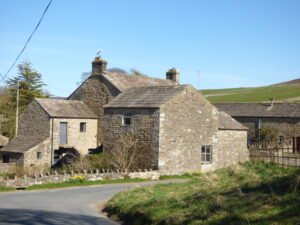
West Scrafton

West Scrafton is a village located in Coverdale in the Yorkshire Dales. It sits on the southern upward slops of Coverdale, and had its most recent heyday in the 19th century when coal mining took over the village.

The Legend of Caer Caradoc

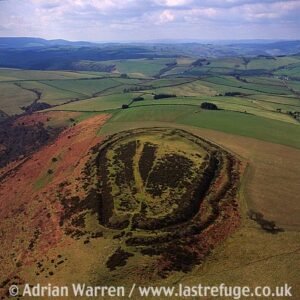
Caer Caradoc

Caer Caradoc is often linked to Caradoc (or Caradog), a prominent figure in Welsh mythology and Arthurian legend. Caradoc is considered one of the knights of the Round Table in Arthurian lore, and he is sometimes referred to as Caradoc of the Battle or Caradoc the Brave. He was known for his bravery and his loyalty to King Arthur.

Guide: The Ard – Early Ploughing in English Brigantia

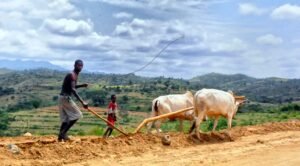
Single Tyne Plough, Arba Minch

The ard, also known as a scratch plough, represents one of the earliest forms of agricultural technology used by the people of ancient Brigantia.

Briefing – Roman Interaction with Galicia and the Iberian Peninsula

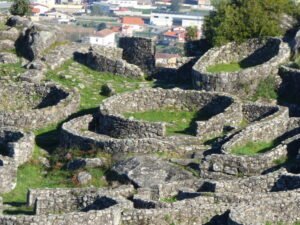
Hut circles at Castro de Santa Trega

Roman Invasion of Hispania: The Romans’ first significant incursions into the Iberian Peninsula began in 218 BCE during the Second Punic War, when Hannibal Barca, the Carthaginian general, crossed the Alps and threatened Rome. This prompted Roman intervention to ensure control of their western Mediterranean territories.

Guide – The Roman Period in the British Isles

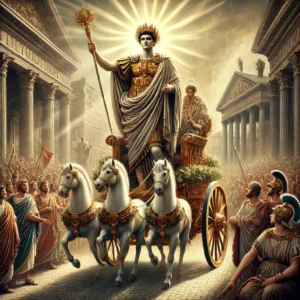
Emperor Augustus dressed as a deity, parading through ancient Rome

Julius Caesar made the first significant Roman attempt to conquer Britannia in 55 BCE during his campaign in Gaul. He landed on the shores of south-eastern Britain, but his invasions were brief and mostly for reconnaissance. Despite some skirmishes, there was no lasting conquest at this stage.

Contact Us
close slider