Site Research Index

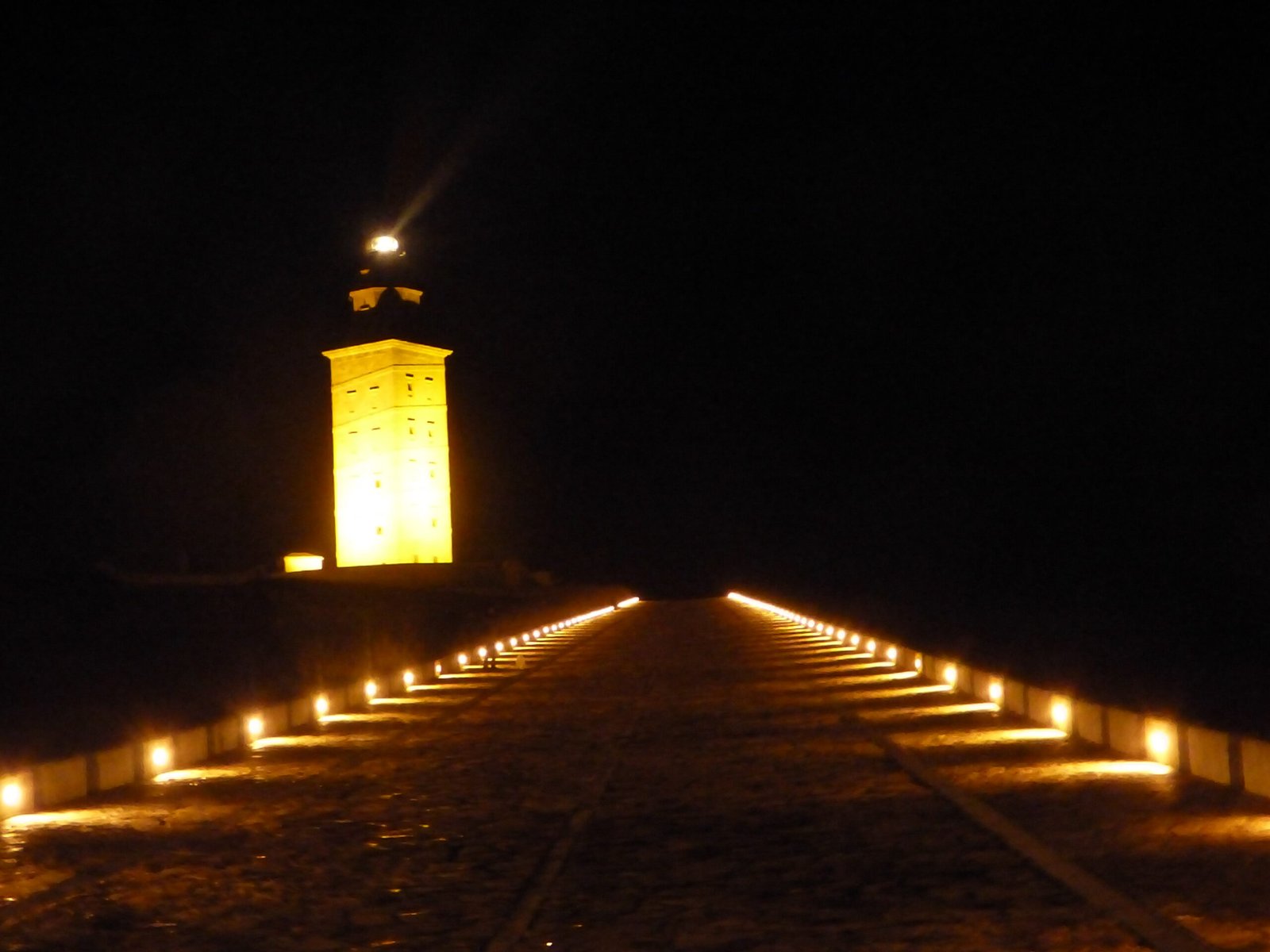
The Tower of Hercules
World Heritage
This is our master collection page for all of our heritage articles and sites. It is the root of our tree of sites covered within Brigantes Nation. Both within and without Brigantia. It is everything that has been of interest, so far.
With kind permission of YAAMAPPING
Woden Law Hill Fort
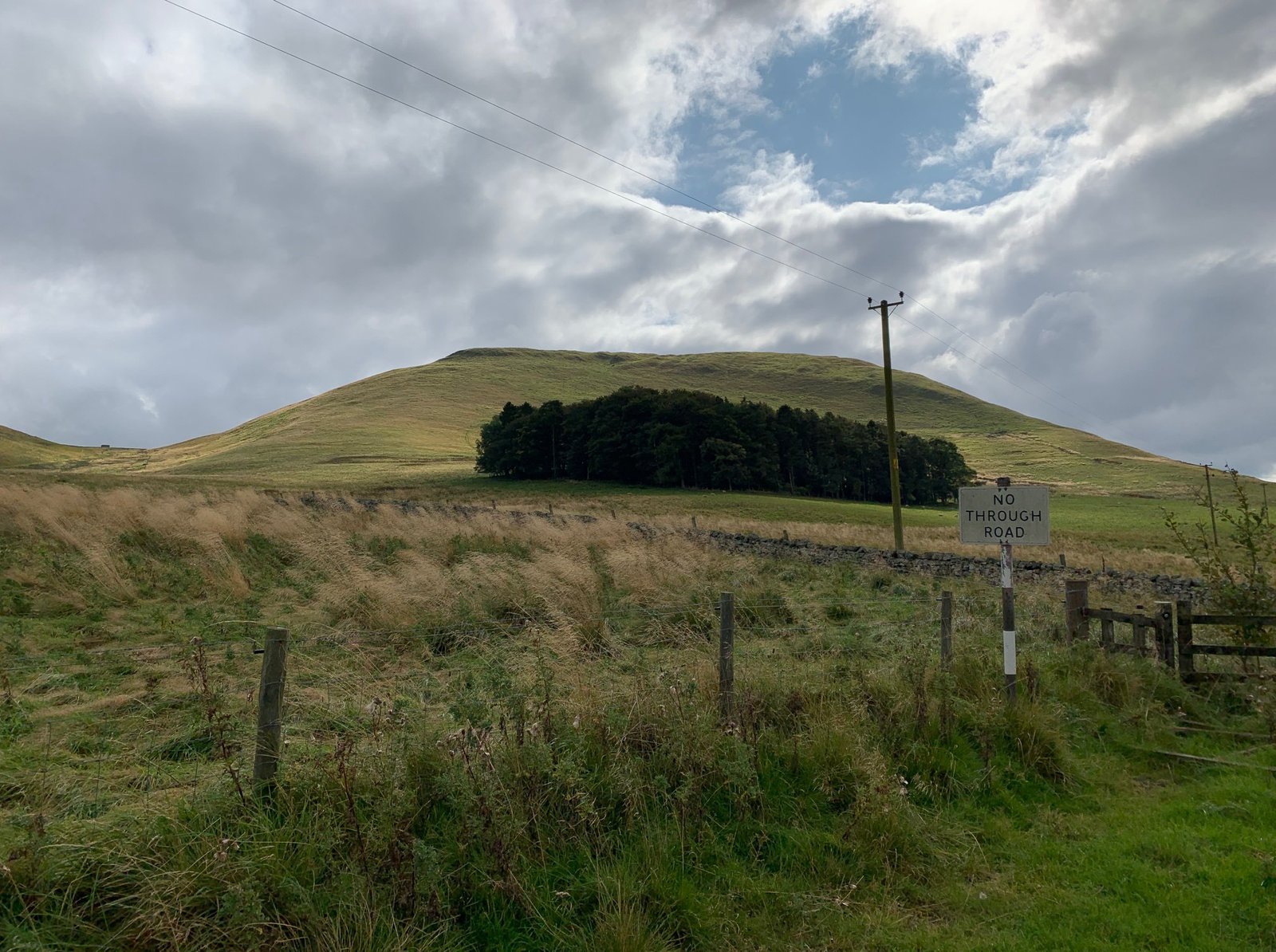
Wodens Law is actually the name of the great mountain that the Hill Fort is perched upon. Ok, so its not a mountain being a mere 500m high, but in this wild and desolate landscape it looks a lot more.The facts of the fort are impressive: there are multiple levels of ditch and bank defences surrounding the peak. There are considered to be three phases of occupation: firstly, a wall enclosed a substantial occupation area, this dated to the first century AD.
Wincobank Fort – LiDAR – National Library of Scotland 3
Wincobank Hill Fort
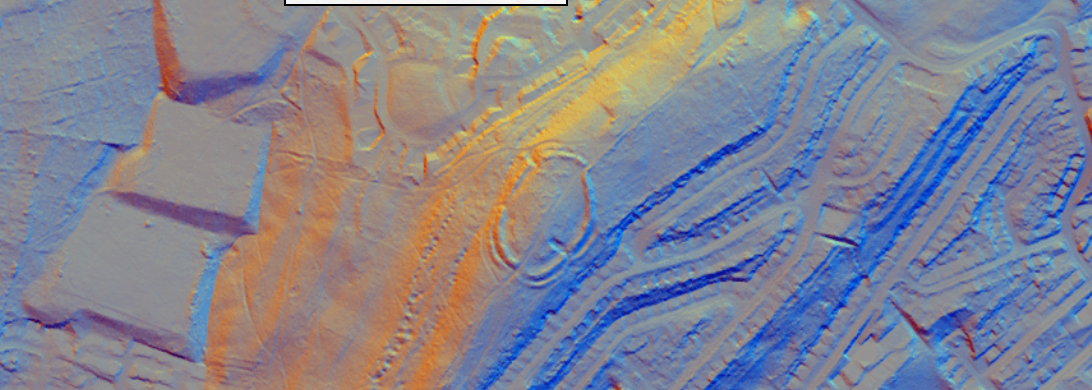
This is an oval fort with an internal area of 2.5 acres. A bank, ditch and counterscarp bank are continuous around it except on the N side where ditch and counterscarp have been destroyed.
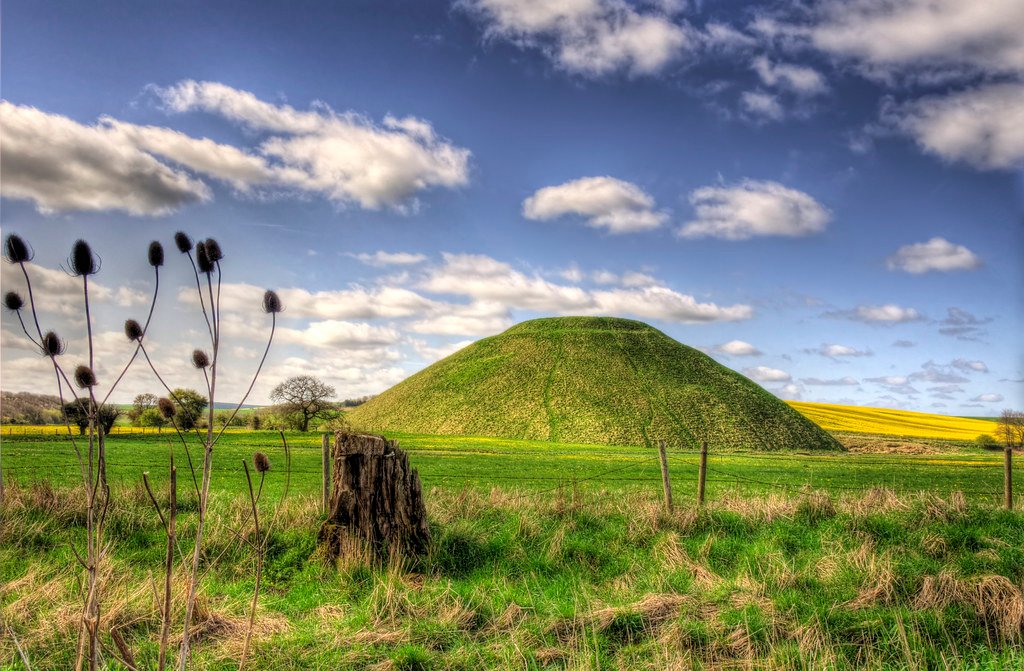
Silbury Hill, Wiltshire
Wiltshire
Lying across the spine of southern England, Wiltshire offers a textbook cross‑section of chalk downland, greensand vales and clay lowlands. Its long archaeological record – from 10 000‑year‑old spring‑side camps to modern military landscapes – is inseparable from that underlying geology and from the climatic swing that ended the last Ice Age.
With kind permission of YAAMAPPING
Whitley Castle Roman Fort (Epiacum)
Those of you who are fans of Bernard Cornwell will know Whitley castle from his latest book: those of you who know their Roman stuff will know it as Epiacum Fort: and those who really know their stuff will know it’s the most complex set of defenses in the Roman world
West Yorkshire
West Scrafton
West Scrafton - Coverdale
West Scrafton is a village located in Coverdale in the Yorkshire Dales. It sits on the southern upward slops of Coverdale, and had its most recent heyday in the 19th century when coal mining took over the village.
Castle Bolton
Wensleydale
Wensleydale in the Yorkshire Dales is perhaps one of the most accessible and best known of the eastern dales. Whilst in modern times it is largely home to sheep farming and tourism. In the past it was a significant seat of power, and right in the hearlands of the Iron Age Brigantes tribe.
Dunning Perthshire - Satellite view of Wellhill prehistoric settlement
Wellhill, Dunning Early Neolithic Farm - Perthshire
The village of Dunning in Perthshire, Scotland,  has been revealed through excavation as having traces of human activity dating back 10,000 years. This included evidence of what could be the earliest farming activity recorded in Scotland so far, and also remains of hunter-gathering activity dating back to the Mesolithic period.
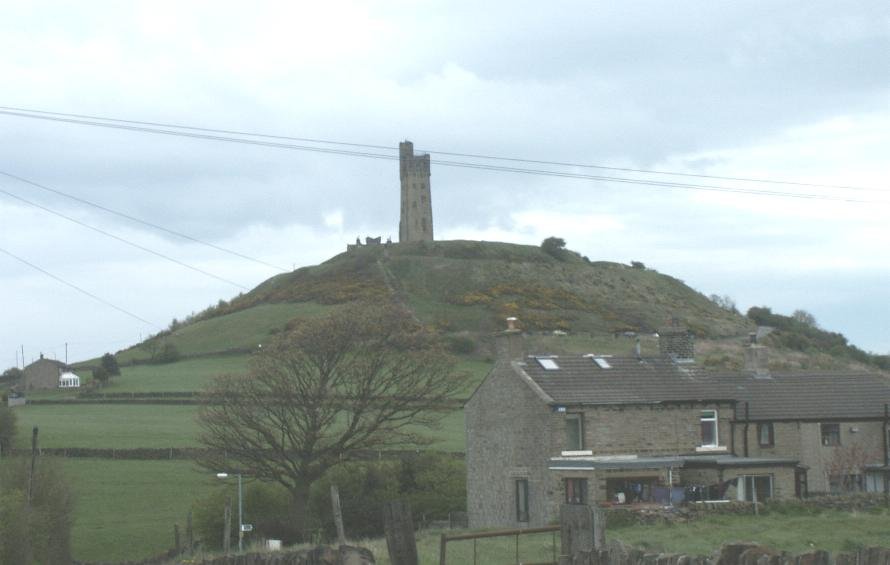
1930s photograph of Castle Hill
Vitrified Fort Sites
This page is a master placeholder for all vitrified fort sites in the Vitrified Forts section of Brigantes Nation.
Uffington White Horse
The horse was dated to between 1400–600 BC by the Oxford University Research Unit in 1995 using optical stimulated luminescence dating, its age is probably late Bronze Age.
Troutback Roman Camps
At Troutbeck are three Roman marching camps and a small fort. This could be either a training camp or signs of three campaigns and a later fort.
Tor Dyke
Tor Dyke appears to have been attributed to Venutius which dates it of the period AD 52 - 70. The presence of a legionary size marching camp a few miles to the southwest at Malham certainly indicates an active role in the Roman advance of AD 70. However, given the lack of published research so far a clear picture has yet to emerge.
With kind permission of YAAMAPPING
Thornborough Henges
A site that spans several thousands of years from the Stone Age to at least the Iron Age, the ancient people of the area built one of Britain's largest ancient sites in Yorkshire, in what was to become the heart of Brigantia.
The Yorkshire Dales
The Yorkshire Dales National Park is a large expanse of hills and dales in North Yorkshire, in northern England.  During the Iron-Age, they were in the heart of Northern Brigantia.
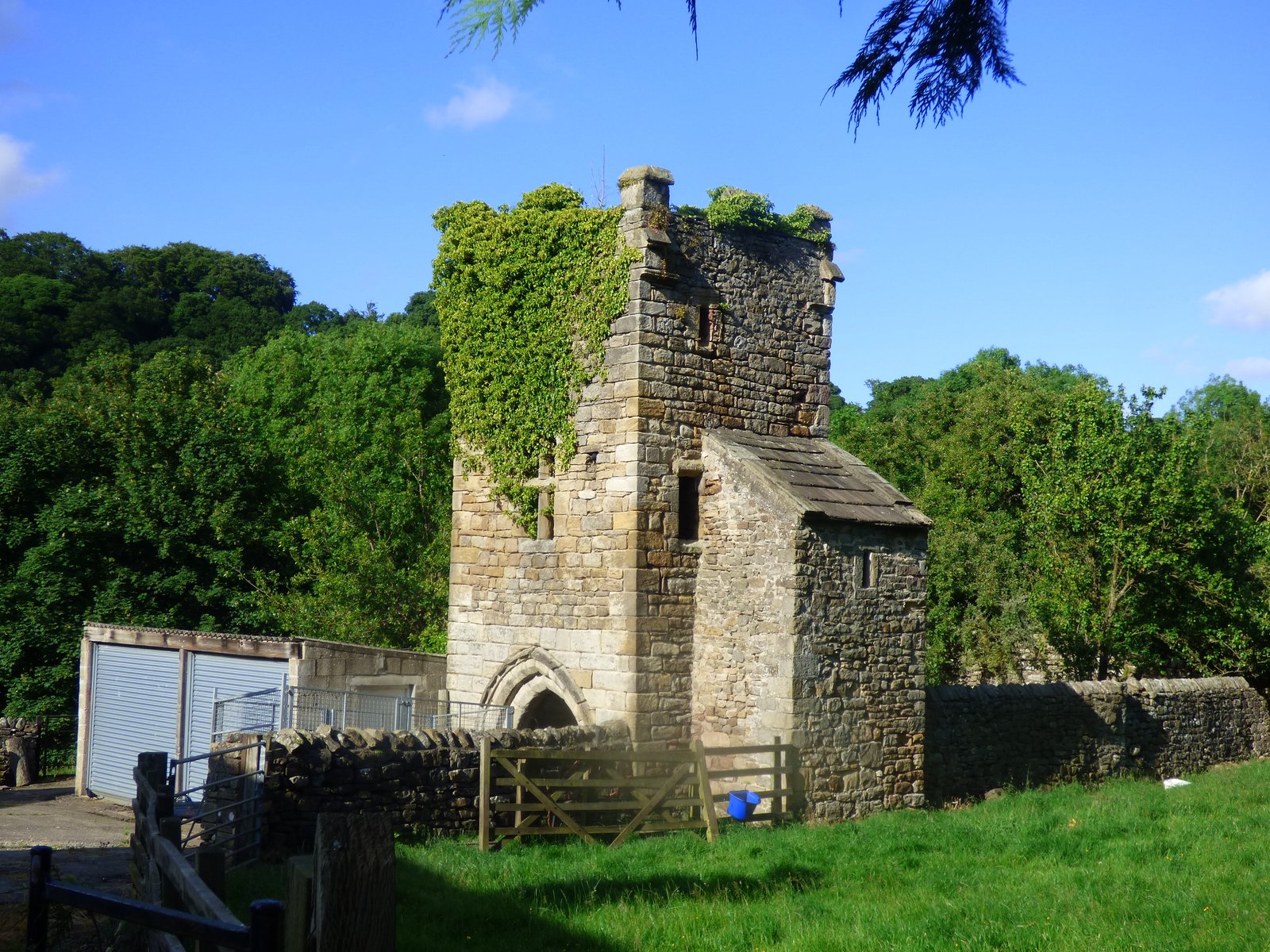
The Tower Folly, Bolton Hall
The Tower, approximately 100 metres to the north-east of Bolton Hall, close to Wensley village. It was built in the late eighteenth century and is a hexagonal tower that is part of a collection of follies in the local area.
The Temple Folly - Wensleydale
The Temple Folly, an 18th-century Grade II listed structure, stands as a testament to the architectural whimsy of the period. Nestled in the Yorkshire Dales National Park, this folly is situated on the north side of the road from Leyburn to Hawes, near West Witton.
The Rocket, Pepperpot and Gate Follies and sorrounding Earthworks - West Witton
This area of Wensleydale has quite a significant number of follies, and not far from The Temple Folly, we have three more; a rocket ship, a giant pepper pot and a gate, or guillotine, and stand just over the road from Park Hall.
An image illustrating an article about The Brigantes of Lancashire on thealicesyndrome.com
The Brigantes of Lancashire
An interesting heading in Robert Morden's map of Lancashire (1695) places "The Brigantes" in Lancashire. Worth investigating to try to understand exactly what Robert Morden was trying to portray here.
Templeborough Roman Granary remains at Clifton Park Museum
Templeborough Roman Fort - Rotherham
Templeborough Roman Fort occupies a commanding position on the north bank of the River Don at Rotherham (OS grid SK 410 916), where the Magnesian Limestone ridge drops into the floodplain. Originally constructed in timber and earth in the mid–1st century AD, it was later rebuilt in stone and occupied—possibly intermittently—until the withdrawal of Roman authority in the early 5th century AD
Tayside
Tap O Noth Hillfort
Tap O'Noth Hill Fort
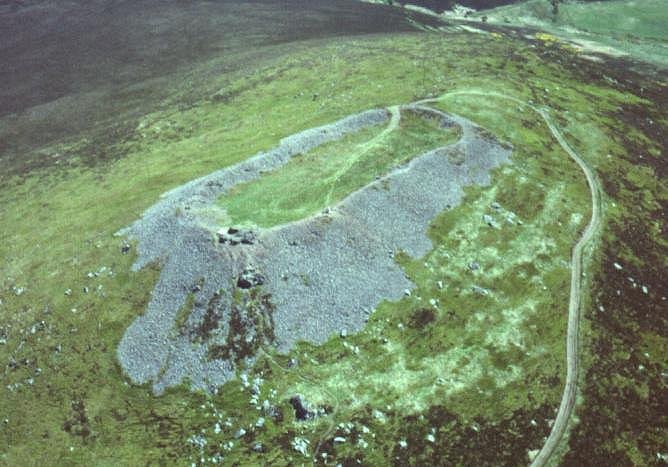
This is one of the best examples of a vitrified fort, it is near the village of Rhynie in northeastern Scotland. This massive fort from prehistory is on the summit of a mountain of the same name which, being 1,859 feet (560 metres) high, commands an impressive view of the Aberdeenshire countryside.
Tamworth Castle
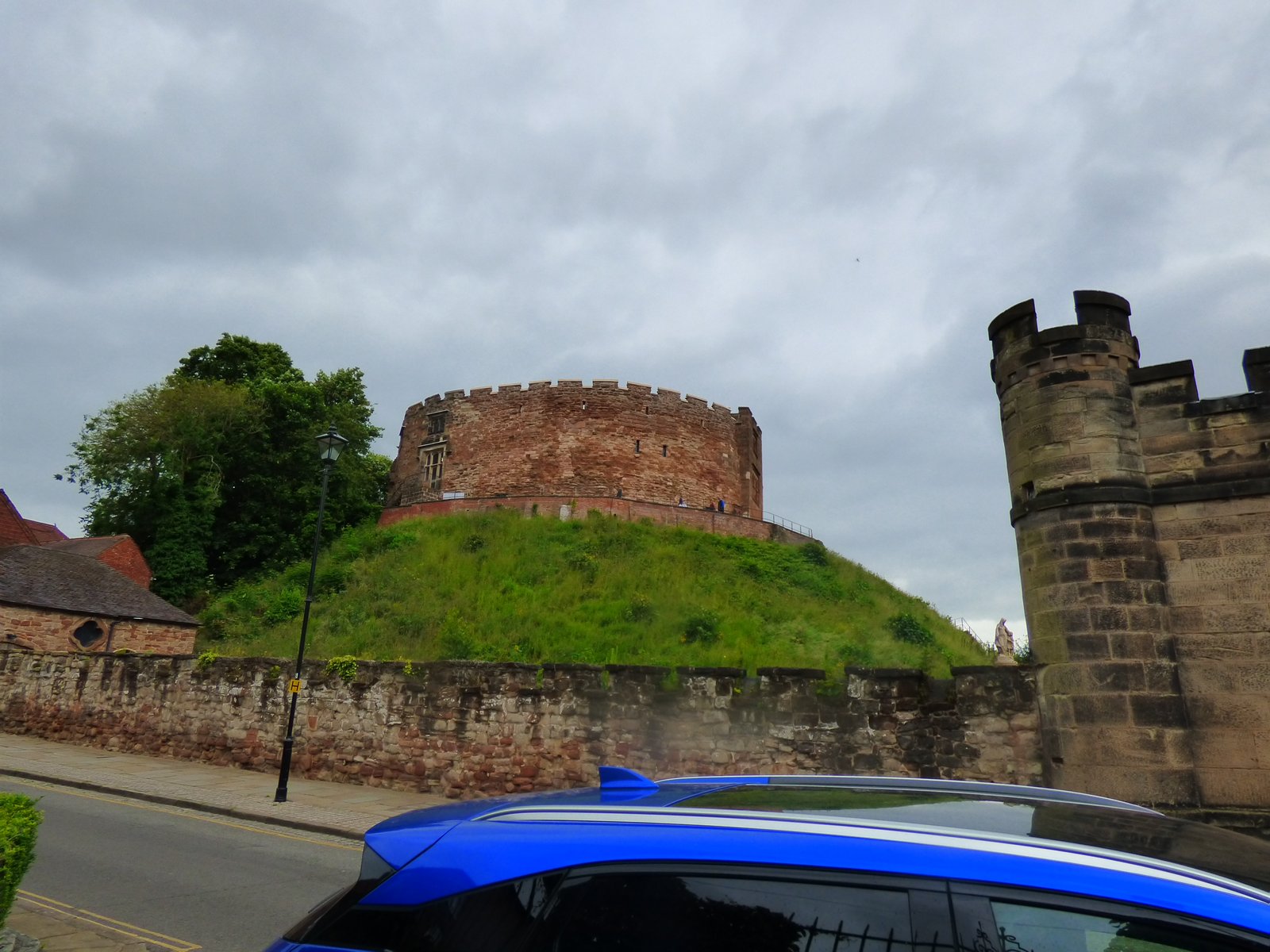
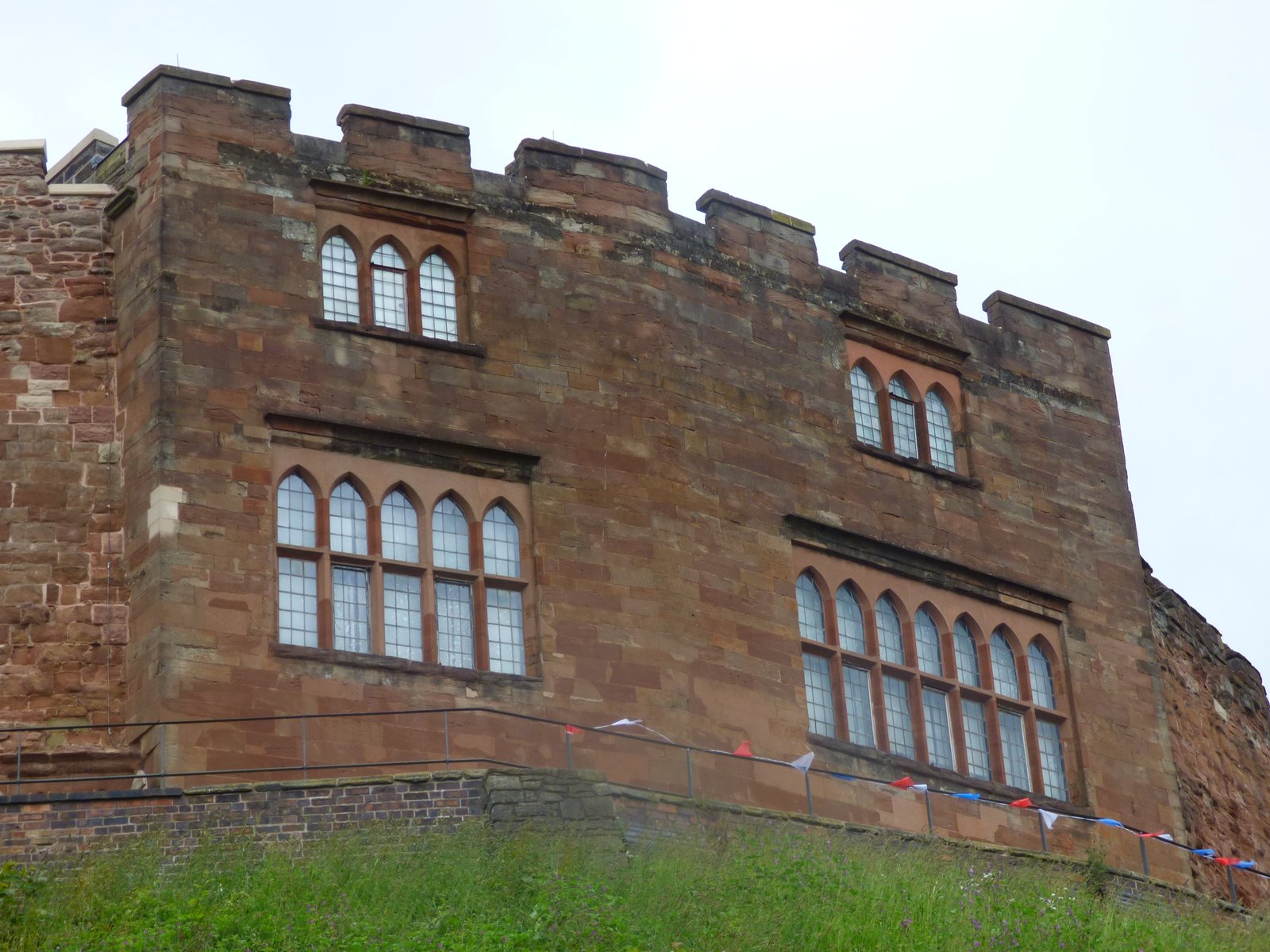
Tamworth Castle, has known origins that trace back to Anglo-Saxon times when it served as a residence for the Mercian kings. The castle's strategic importance was highlighted during the Viking invasions, leading to its abandonment.
2015 Swaledale from Kisdon Hill
Swaledale
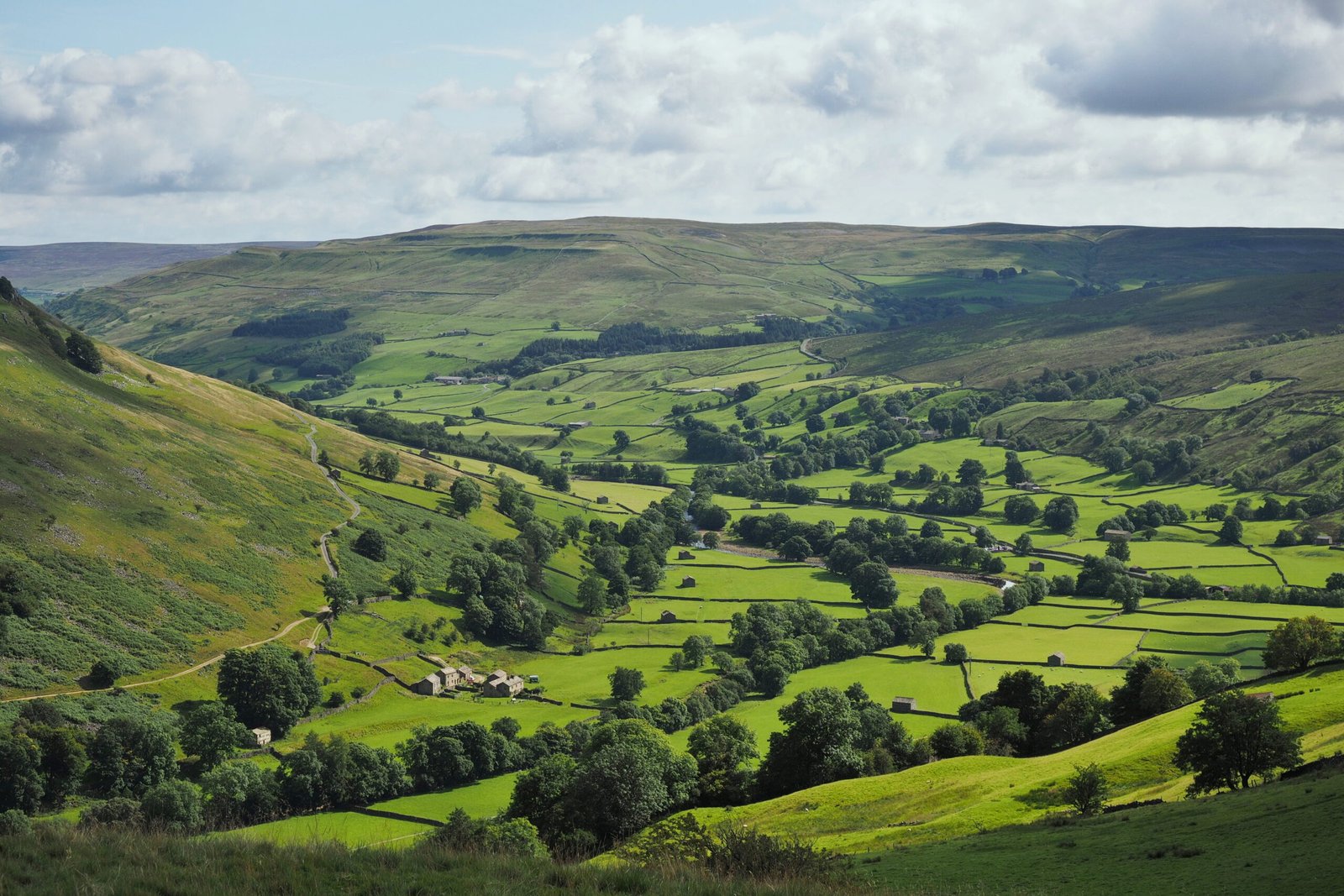
Swaledale occupies the long, sinuous valley carved by the River Swale on its 45-kilometre descent from Nine Standards Rigg (662 m) on the Pennine watershed to Richmond in lower Teesdale. The dale narrows between rough Gritstone scarps near Keld, broadens to a patchwork of hay-meadows around Muker and Gunnerside, then opens into a tree-fringed flood-plain west of Reeth before the river cuts through the Carboniferous escarpment to meet the Vale of Mowbray.
Sutton Common Fort
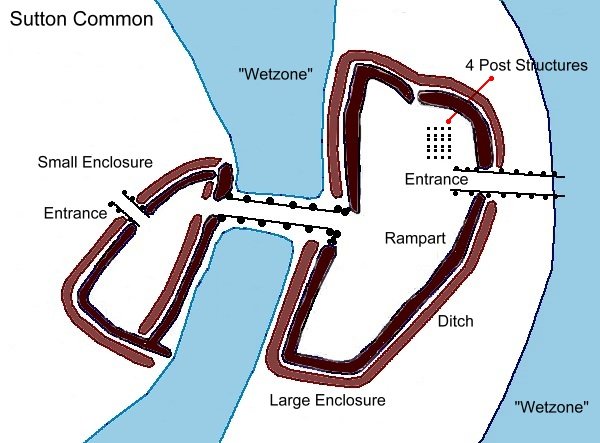
Sutton Common is an early Iron Age fort/enclosure site just north of Doncaster, A key feature of this "marsh fort" is that it seems to use the surrounding marsh land as part of its defence - a twist on the more common hill fort.
Studforth Hill Roman Amphitheatre and Motte and Bailey, Aldborough, North Yorkshire
Studforth Hill, a site of historical significance located near the village of Aldborough in North Yorkshire, England, is known for its association with Aldborough Castle. The motte is a testament to the area's rich past, built upon the remnants of a former Roman amphitheatre.
Staple How Satellite (Google Maps)
Staple Howe West Hesterton
This small farmstead was established on top of the small chalk hills on the northern edge of the Yorkshire Wolds.
Stanwick Hill Fort
Stanwick is very close to the Scotch Corner junction of the A1, close to Darlington. From Scotch Corner, take the A66 towards Barnard Castle for a couple of miles then take the right turn towards Forcett. The road will take you past part of the defences, at which point a left turn will take you to Stanwick St John Church, which is a suitable starting point for any visit.
Staffordshire
An image illustrating an article about St Oswalds Church on thealicesyndrome.com
St Oswald's Church, Thornton Steward
Recorded in the Domesday Book and believed to be the oldest church in Wensleydale, this has been a place of Christian worship since the days of King Edwin, centuries before the Norman Conquest. Cross heads and 9th century stones can be seen.
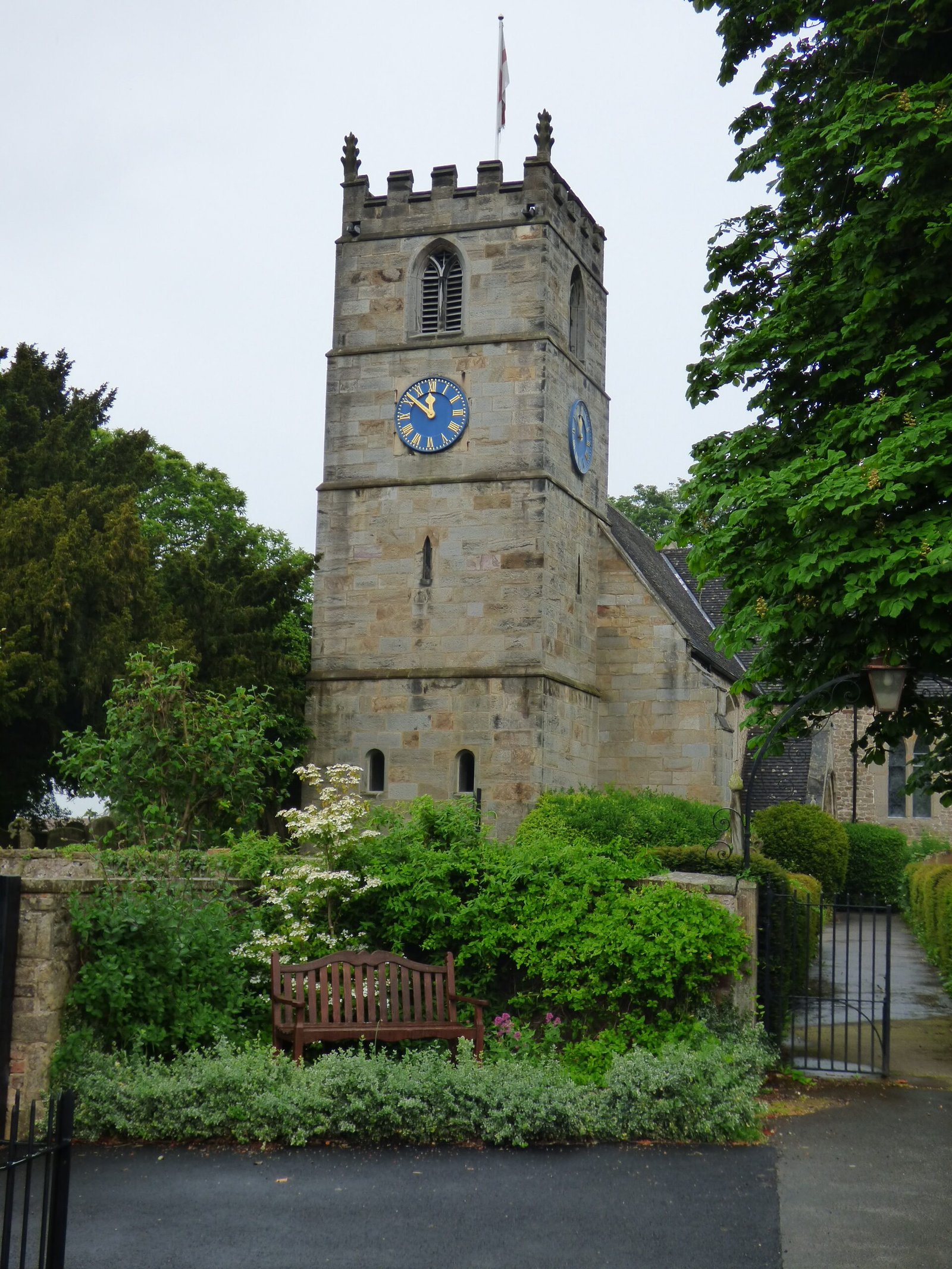
St Michael's Church, Kirklington, North Yorkshire
St Michael's Church, Kirklington
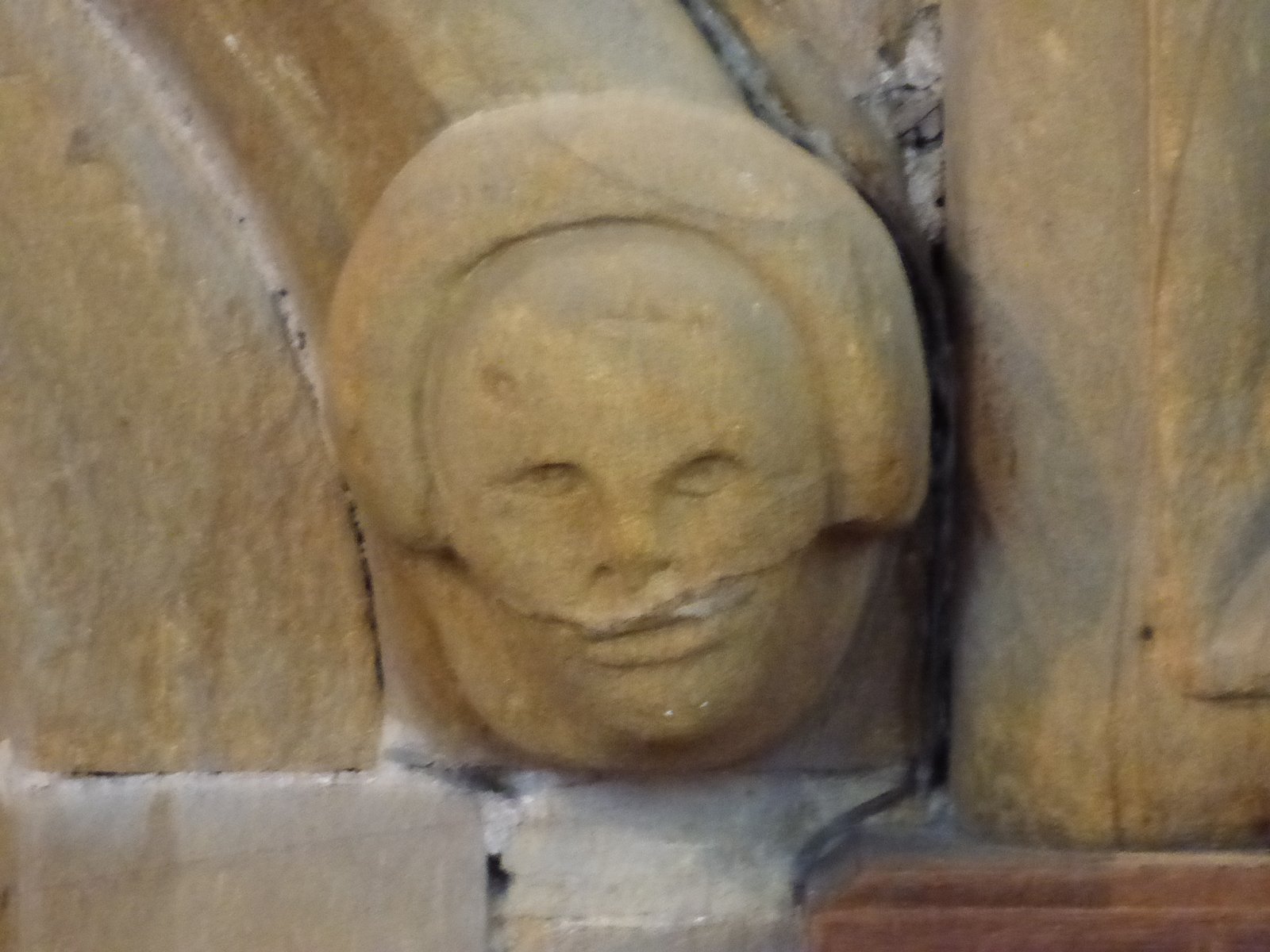
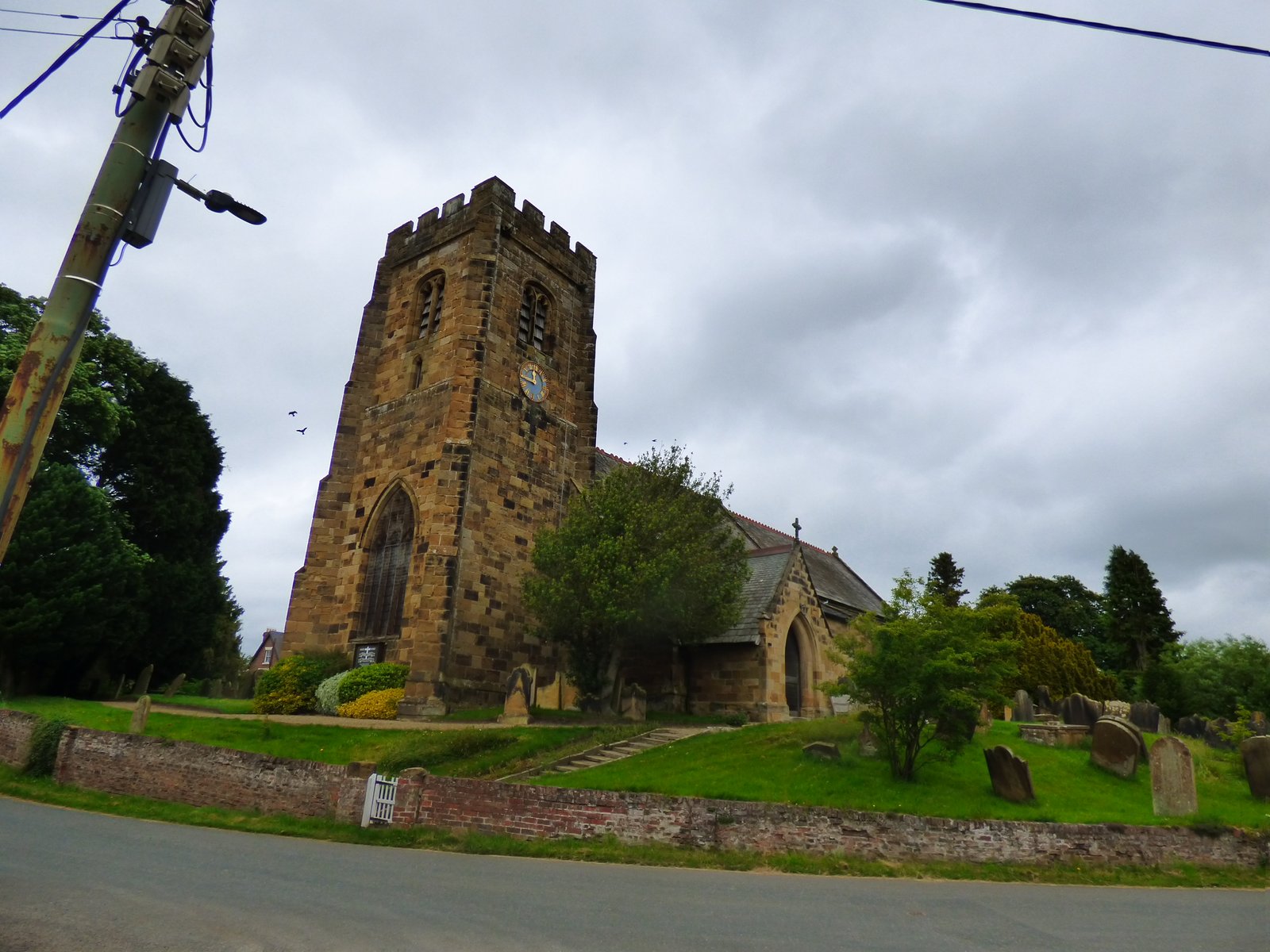
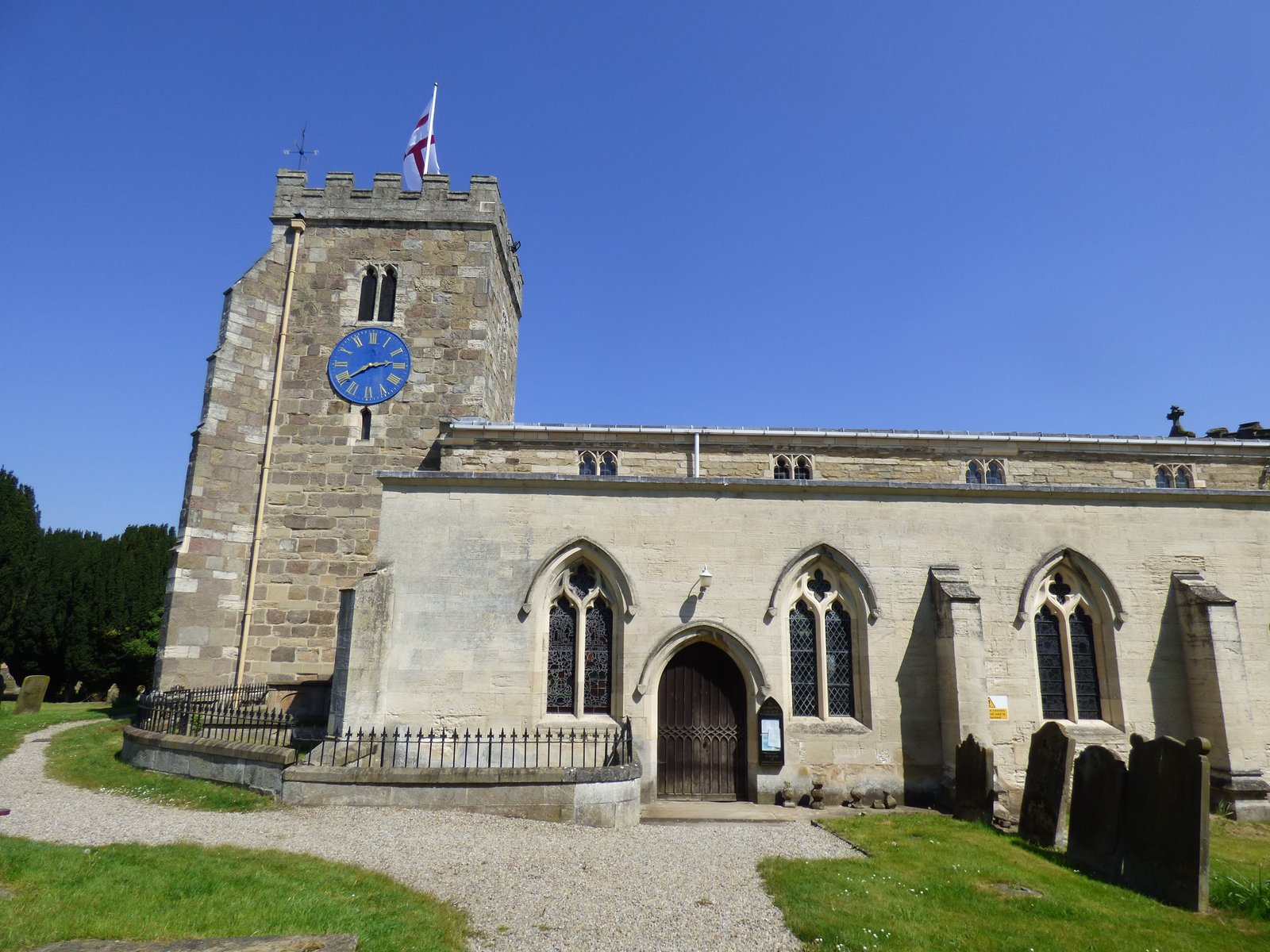
St Michael's Church at Kirklington stems from prior to the Norman Period and has ghosts of an even earlier period in the form of the various carved heads found inside and outside the church.
St Michael and All Angels Church, Hubberholme
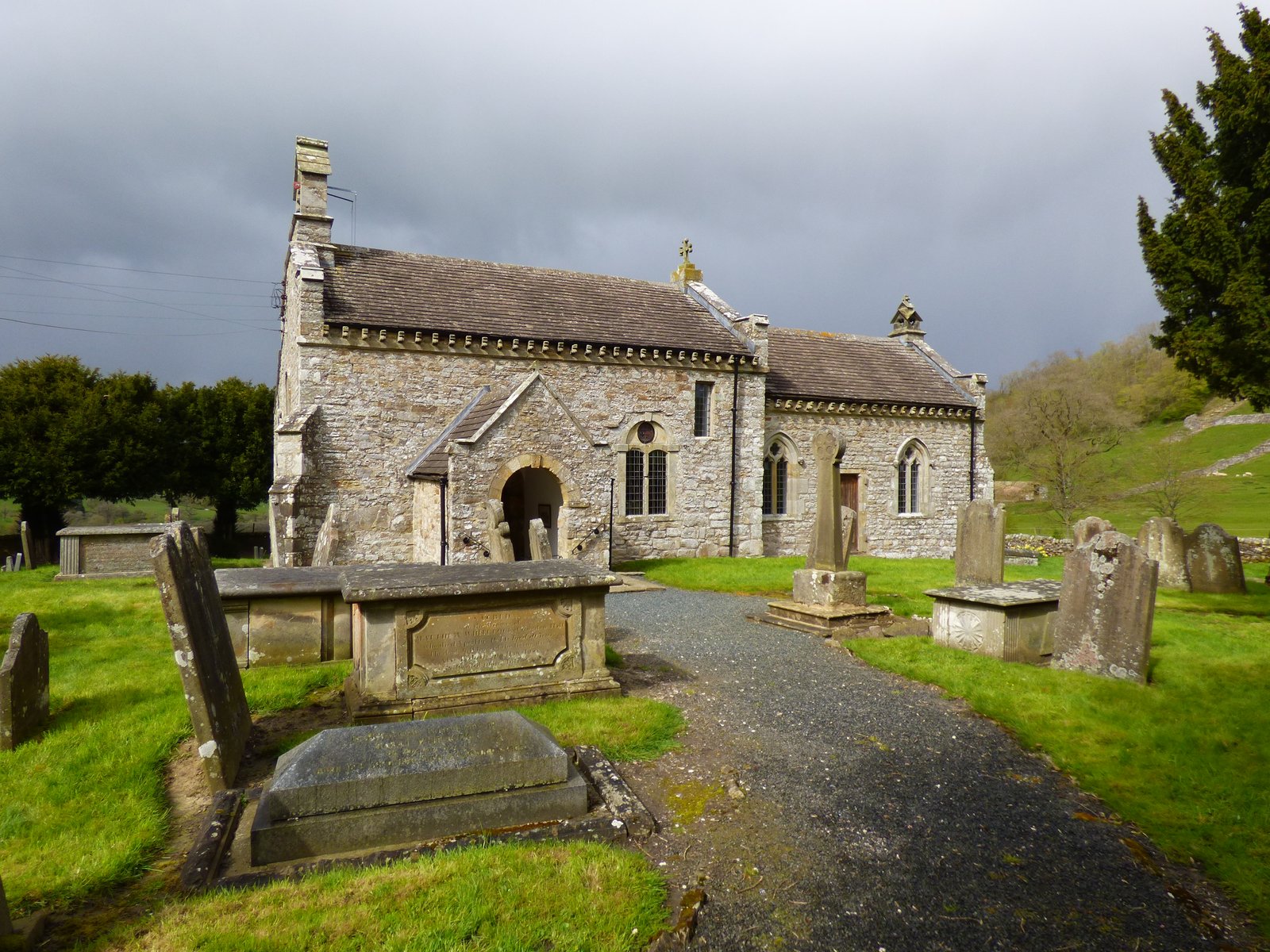
St Michael & All Angels Church, nestled in the serene setting of Hubberholme in North Yorkshire, is a historical gem dating back to the 12th century.
St Michael & All Angels, Downholme
The history of St Michael & All Angels in Downholme is woven through the centuries.
St Mary's Church, Wath
St Marys Church Wath
Most of the present church dates back to the 13th and 14th centuries, but there is evidence of much earlier stonework in the building. The church also contains much Victorian stained glass. It has two fonts – one inside the church and one outside the church!
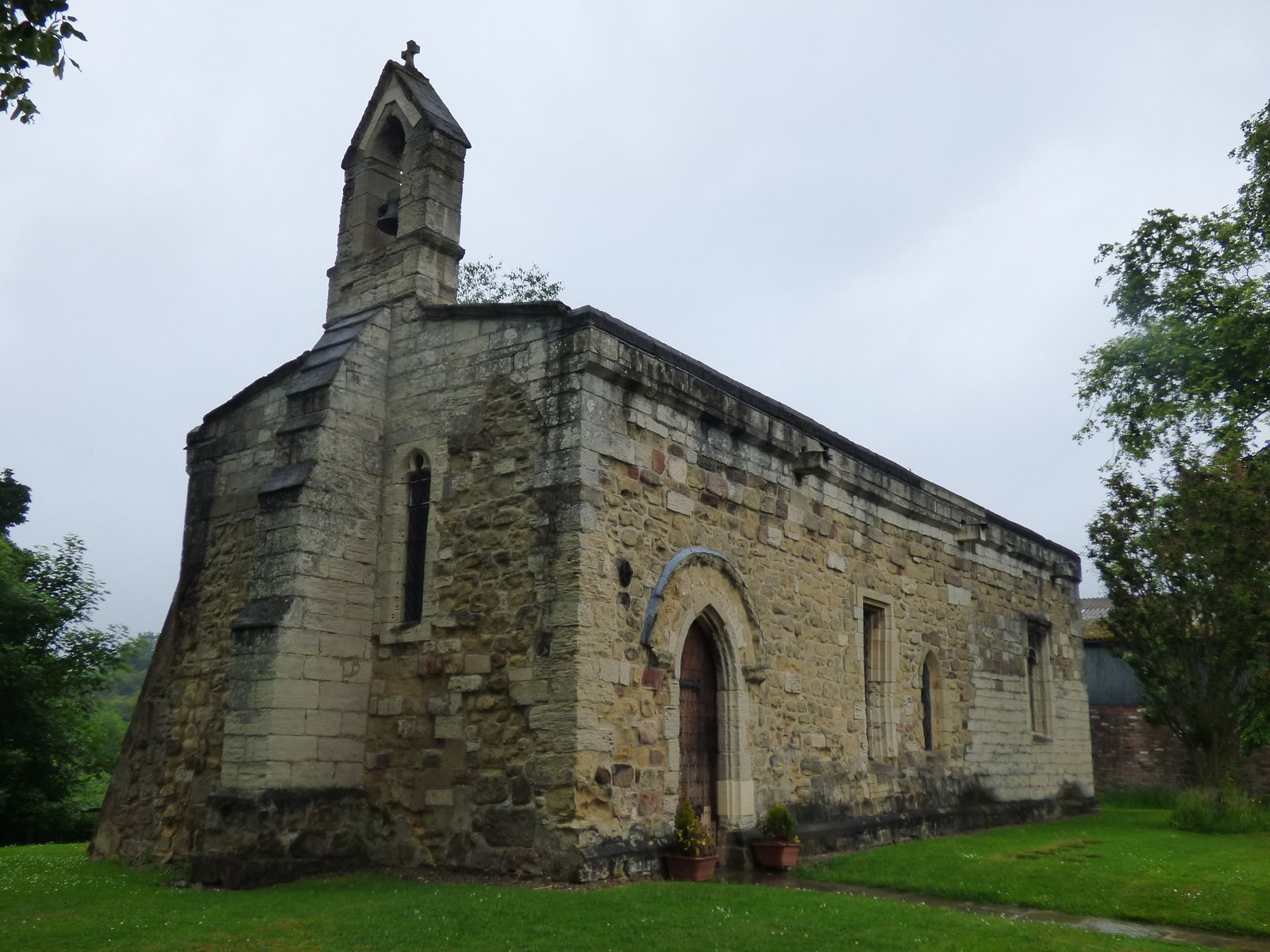
St Mary's Chapel, Snape Castle
St Mary's Chapel, nestled within the historic Snape Castle, is a remarkable edifice with a rich tapestry of history that dates back to the 15th century.
An image illustrating an article about St Mary Magdalen the Leper Chapel Ripon on thealicesyndrome.com
St Mary Magdalen the Leper Chapel Ripon
The Chapel of St Mary Magdalen in Ripon, was founded by Archbishop Thurstan in the 12th century, it was initially part of the St Mary Magdalen Hospital, serving as a chapel for lepers and later for blind priests.
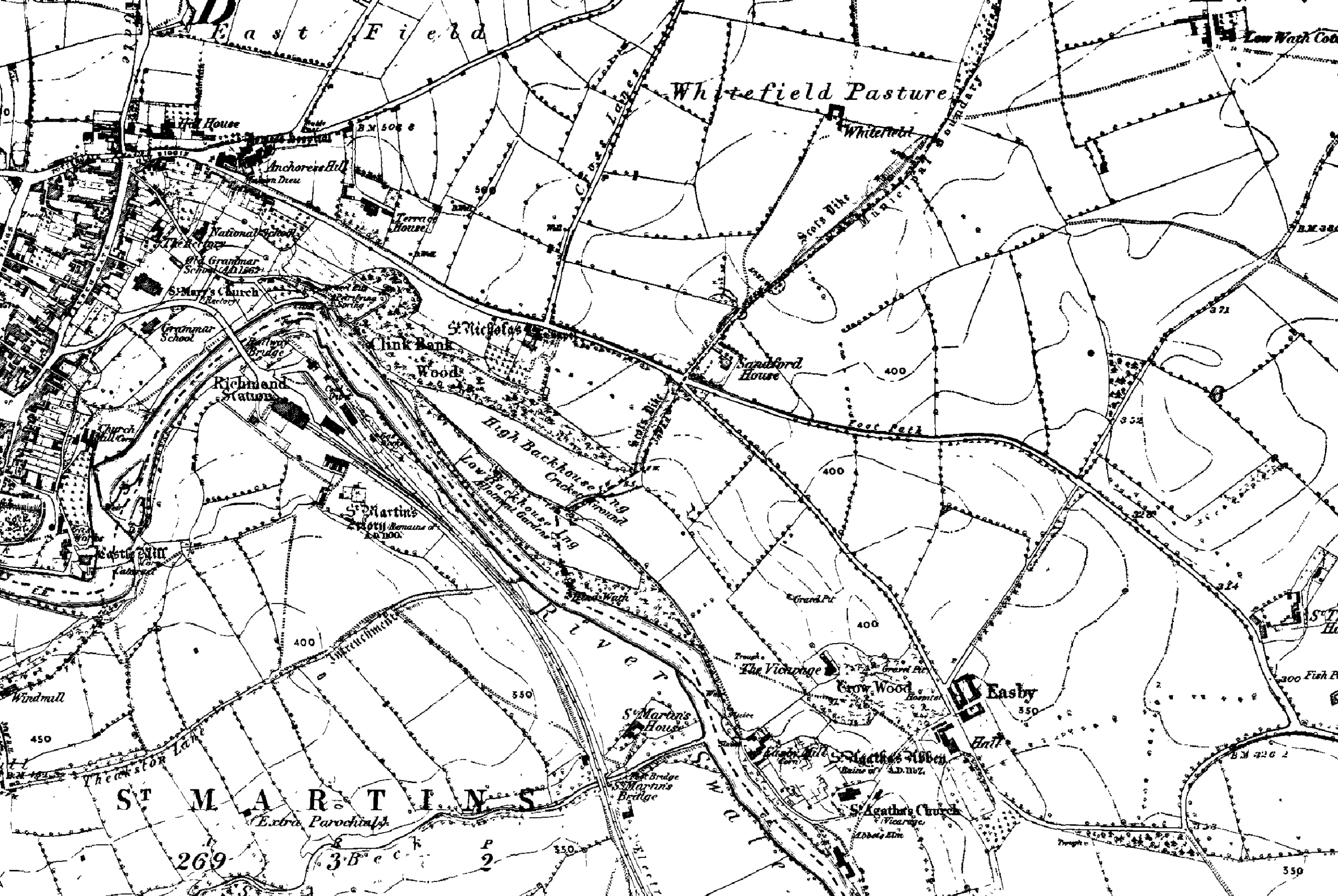
St Martin's Priory Richmond
St Martin's Priory in Richmond, North Yorkshire, was a beacon of religious devotion and community life in medieval England. Founded around 1100, it was established as a cell of St. Mary's Abbey in York, with the initial settlement consisting of nine or ten monks.
An image illustrating an article about St Lamberts Church Burneston on thealicesyndrome.com
St Lamberts Church, Burneston
This church was built in three stages – the chancel c1395, the tower c1410 and the nave 1450-1550. It is a grade 1 church and has magnificent medieval stonework, a nave full of 17th century oak pews and some beautiful Victorian woodwork and stained glass and a lot of well weathered some potentially grotesque carvings.
An image illustrating an article about St John the Baptist Church Stanwick on thealicesyndrome.com
St John the Baptist Church, Stanwick
The church at Stanwick sits very close to the original centre of the Iron Age fort. It's churchyard seems to respect a more ancient ritual use and it's siting in conjunction with not only Mary Wild Beck but also the Sacred Spring in at the front of this church and it's 10th century origins indicate this site was a focal point for ritual activity right back to the Iron Age and before.
St John the Baptist Church, Kirby Wiske
St John the Baptist Church in Kirby Wiske, North Yorkshire, is a historical edifice with roots stretching back to the 12th century. This Grade II* listed parish church, as recognized by Historic England, showcases architectural additions from the 14th and 15th centuries, reflecting the evolving styles and ecclesiastical needs of the period.
An image illustrating an article about St Cuthberts Church Forcett on thealicesyndrome.com
St Cuthbert's Church, Forcett
Whilst the current church lacks much in the way of indications of ancient origins, it's entry porch boasts a wealth of 12c carved stones and is definitely worth a visit.
An image illustrating an article about St Andrews Church Aldborough on thealicesyndrome.com
St Andrew's Church, Aldborough
Partially destroyed by Scots raiders in 1318 this church sits very near to Isurium Brigantium and may date back to much earlier times...
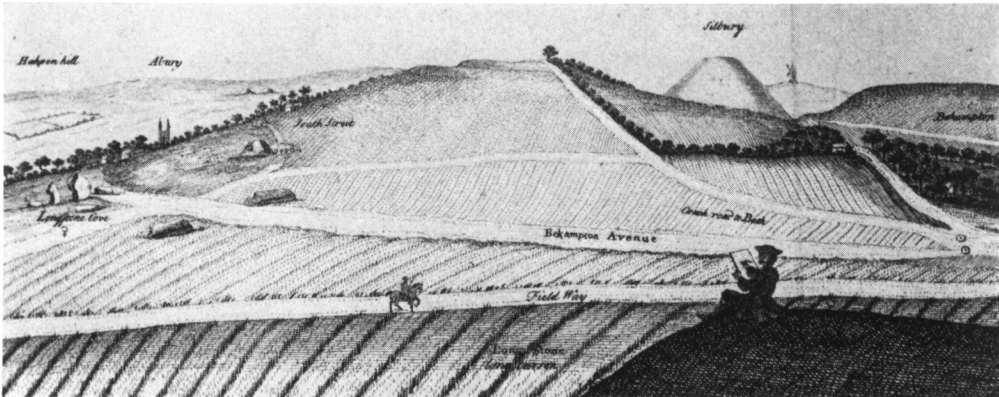
South Street Long Barrow - Stukely plate including South Street Long Barrow
South Street Long Barrow, Avebury
South Street long  barrow once lay 1 km south‑west of Avebury village, midway between the Kennet spring‑line and the Windmill Hill plateau (OS grid SU 090 678; 165 m OD). From its crest the ground falls gently north‑east toward the Henge and west toward Beckhampton, so the mound would have been visible from all Early‑Neolithic foci in the area yet lay on good grazing that could be tilled by the first farming groups.
South Yorkshire
The county of South Yorkshire
Dundon Hill
Somerset
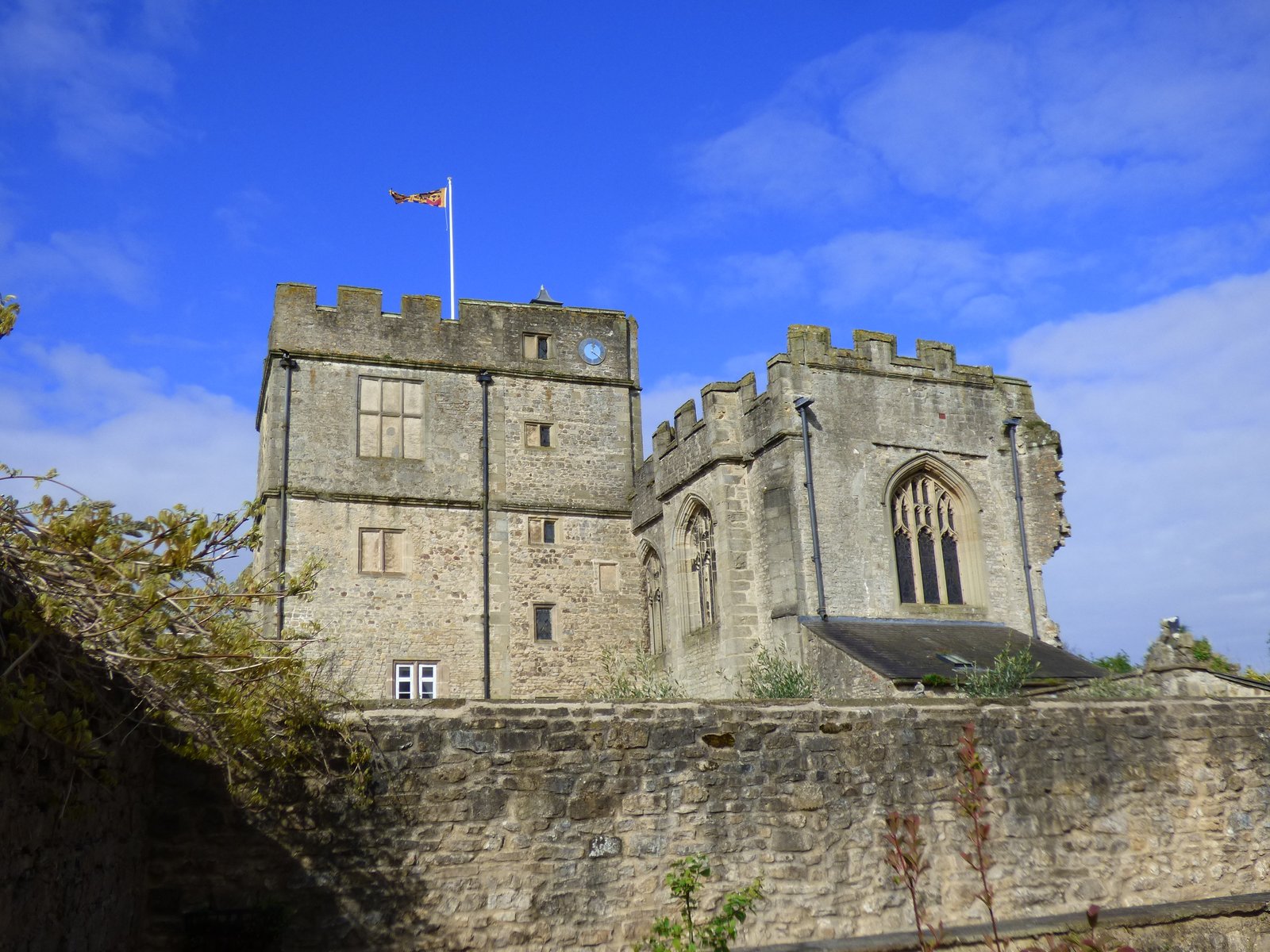
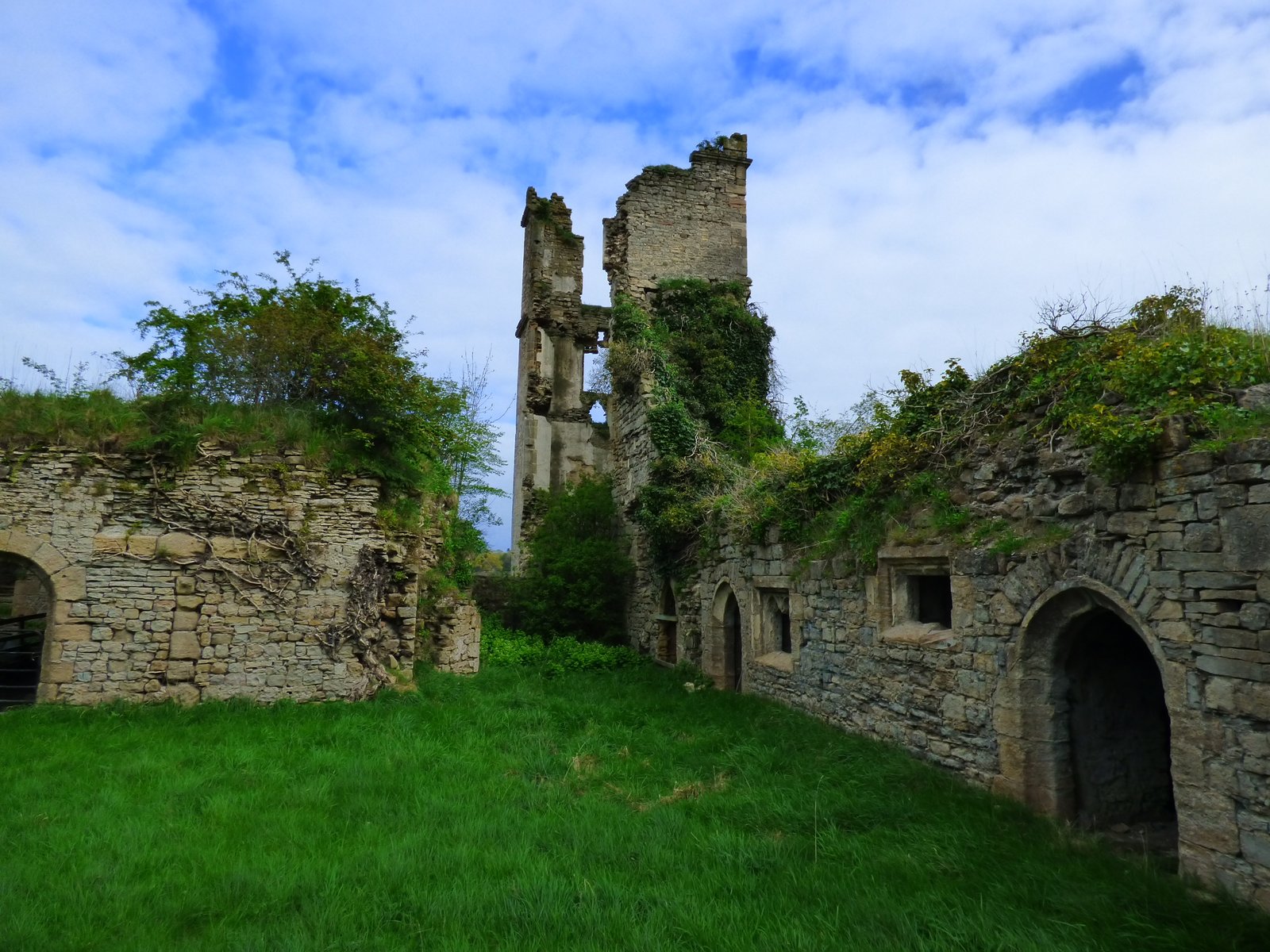
Snape Castle
Snape Castle, located in North Yorkshire, played a pivotal role during this turbulent period. It was the residence of Catherine Parr, who would later become the sixth wife of King Henry VIII, and her husband, John Neville, 3rd Baron Latimer.
With kind permission of YAAMAPPING
Sinderby Henge
Although all the existing literature assures us that the Great Henge Alignments of North Yorkshire are now covered by – The Langthorpe Earthwork, Cana Barn Henge, Nunwick Henge and Hutton Moor, finishing with the astounding triple Henge alignment at Thornborough, this may not necessarily be the case.
Scotts Dyke - Richmond
Scott's Dyke, also known as Scots Dyke or Scots Dike, is a significant linear earthwork stretching approximately fourteen kilometres from the River Swale to the River Tees, this ancient structure is believed to date back to the period between the first century BC and the first century AD.
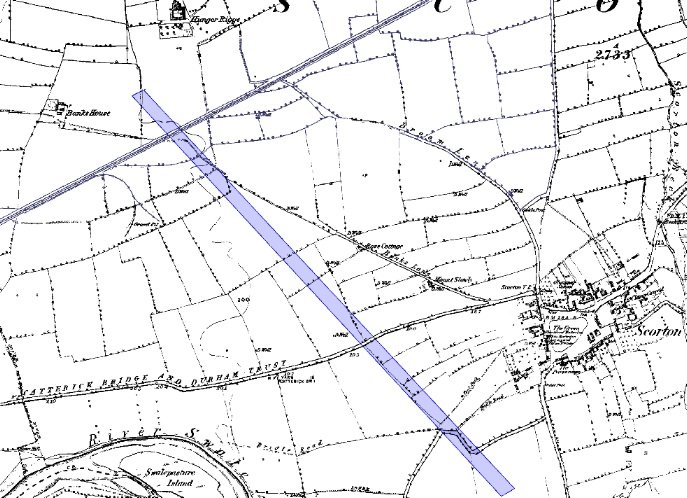
Scorton Cursus
The cursus was originally about 2.1km long and aligned SE-NW. Clustered round the monument were a number of ring ditches, one that was excavated had a single burial with a beaker. This would date the site as being in use from around 3,500BC until at least the Bronze Age c.2,000 BC.
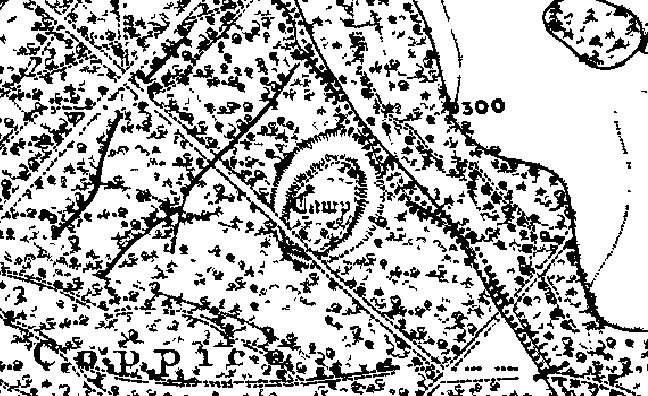
Scoles Coppice Fort
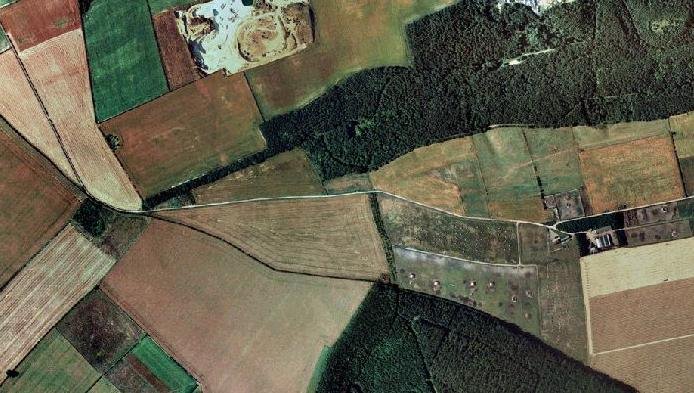
Scholes (or Scoles) Coppice Camp (sometimes called “Caesar’s Camp”) lies just north-west of Kimberworth in Rotherham, atop the same Magnesian Limestone ridge that carries the Roman Rig. Its grid reference is roughly SE 436 937, placing it only 200–300 m to the north of the Rig’s northern branch
1
2
3
4
5
Contact Us
close slider