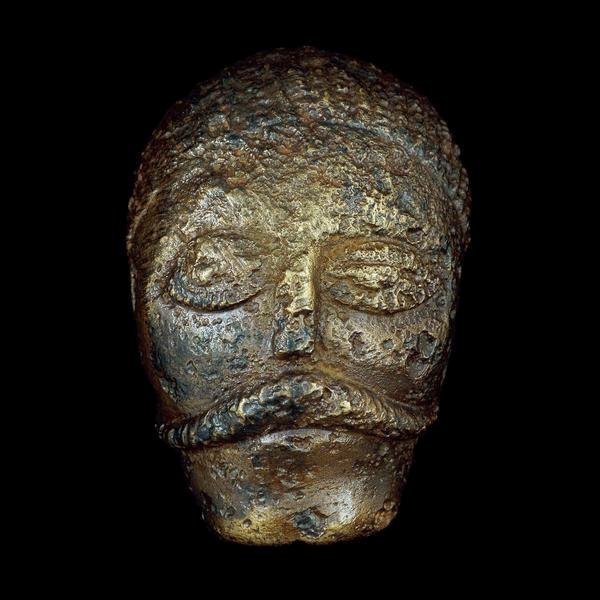
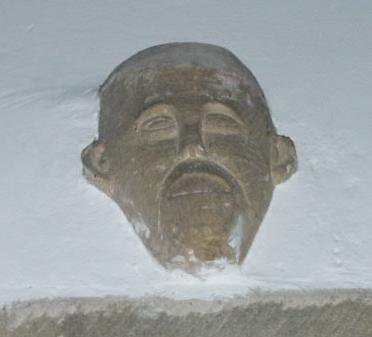
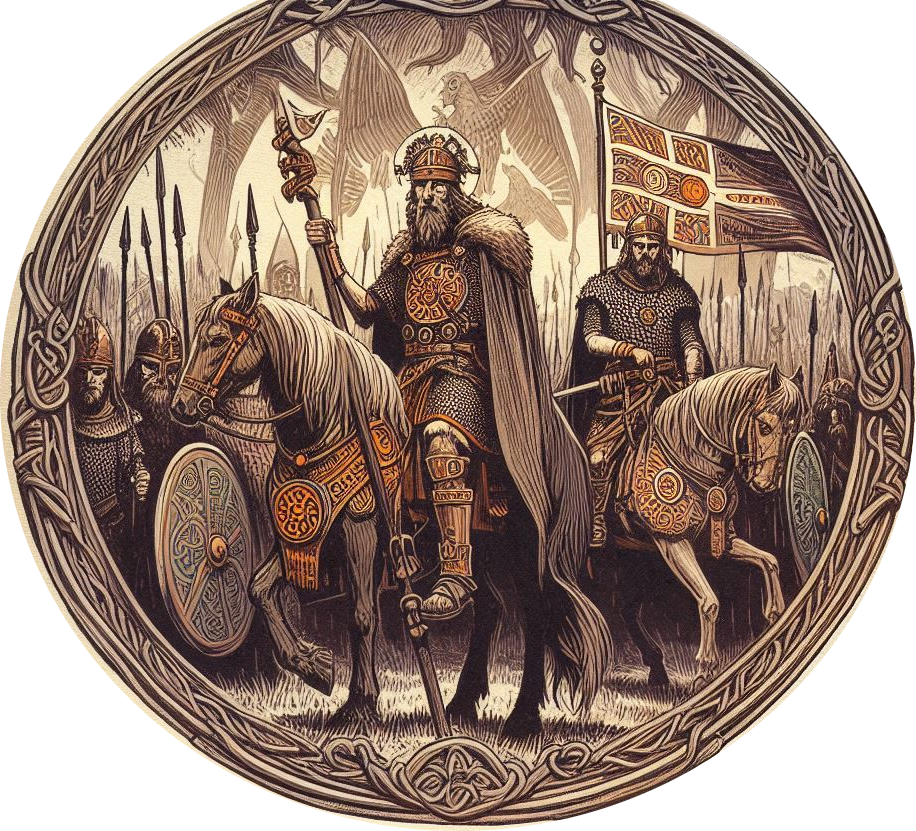
Many Celtic deities seem to have been associated with aspects of nature and worshipped in sacred groves. Some appear in Read more
Understanding the Ecological Impact of Drainage Ditches: An Empathic Perspective
Introduction: A Shift in the Landscape
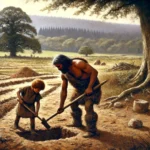
Imagine yourself as a member of an early human community, deeply connected to the land and its rhythms. The creation of a drainage ditch is not merely a physical alteration; it’s a profound change in the environment that affects all living beings. As you dig and shape the earth, you’re not just moving soil—you’re transforming a habitat, influencing the lives of countless organisms that depend on the natural state of the land.
The Natural State: A Rich, Uninterrupted Habitat
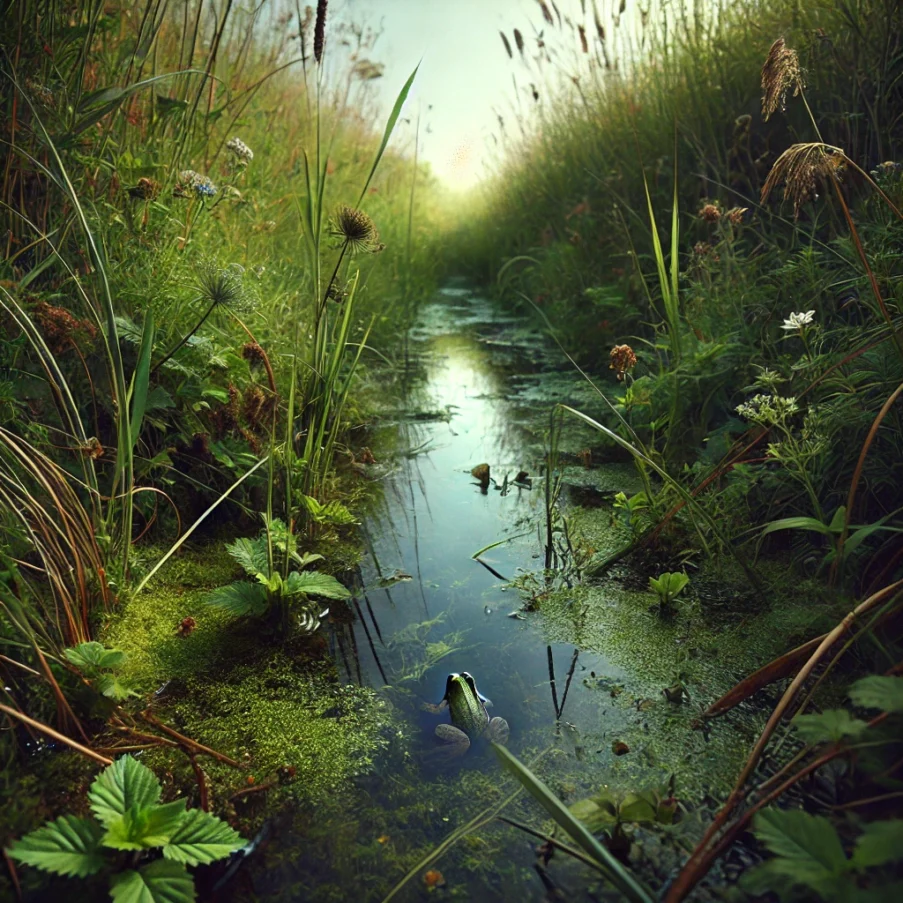
Before human intervention, the area is a vibrant tapestry of life. The soil is rich with nutrients, supporting a diverse array of plants, insects, and microorganisms. Water naturally accumulates in low-lying areas, creating temporary pools that serve as breeding grounds for amphibians and insects. The vegetation is lush, with a mix of grasses, wildflowers, and shrubs, providing food and shelter for various species. This dynamic environment is a testament to the resilience and adaptability of nature.
The Human Touch: Introducing the Drainage Ditch
As you begin to dig the drainage ditch, the immediate effect is the removal of vegetation and the disruption of the soil structure. The once waterlogged area will now be drained, altering the moisture levels and temperature of the soil. This change can lead to the loss of species that thrived in wet conditions, such as certain amphibians and moisture-loving plants. The introduction of the ditch itself creates a new microhabitat, which may be inhospitable to some species while offering opportunities for others.
The Ongoing Impact: Maintenance and Biodiversity
Regular maintenance of the drainage ditch, such as clearing vegetation and managing water flow, continues to influence the surrounding ecosystem. Studies have shown that such activities can reduce the diversity of plant species within the ditch, as frequent disturbance prevents the establishment of stable plant communities. However, some research suggests that with appropriate management, ditches can support a variety of species, including rare aquatic beetles and other invertebrates.
Empathizing with the Natural World: A Call for Balance
From the perspective of the natural world, the creation and maintenance of a drainage ditch represent a significant alteration. While some species may adapt to the new conditions, others may struggle or disappear. The challenge lies in finding a balance that allows for human needs—such as agriculture and habitation—while preserving the rich biodiversity that existed before. This requires thoughtful planning, incorporating ecological principles into the design and maintenance of drainage systems to minimize negative impacts and promote the resilience of the ecosystem.
Conclusion: Reflecting on the Interconnectedness
As you stand by the newly formed drainage ditch, it’s essential to reflect on the interconnectedness of all life. The changes you’ve made have set off a chain reaction, affecting not only the immediate area but also the broader landscape. By considering the needs and well-being of the natural world, you can strive to create a harmonious environment where both human and ecological needs are met, ensuring the sustainability of the land for future generations.
Recent Developments in Drainage Ditch Biodiversity
The Guardian
Canals have vital role to play in UK’s climate resilience, says charity
16 days ago
The Times & The Sunday Times
Green makeover creates ‘giant sponge’ to cut town’s flood risk
100 days ago
Sources
Let’s look at this from a more focused ecological perspective, thinking about which species thrive in these altered environments, which don’t, and how the food chain shifts as a result.
The Ecological Impact of Drainage Ditches: Who Thrives and Who Struggles?
When humans modify the landscape by digging drainage ditches, they create new microhabitats—some of which are hospitable to certain species, while others become less suitable for others. This shift in habitat can lead to changes in the food chain, plant community, and the overall biodiversity of the area.
Species That Thrive in Drainage Ditches
Aquatic Invertebrates:
Drainage ditches can support a wide range of aquatic insects such as water beetles, midges, and mosquito larvae. These species are drawn to the moist conditions and standing water often found in the bottom of the ditch.
Freshwater snails and damselflies are also commonly found in ditches, attracted by the water, which provides a breeding ground and feeding habitat.
Certain aquatic plants, like duckweed and watercress, may also thrive in the water-filled ditch, providing food for smaller invertebrates.
Amphibians:
Amphibians such as frogs and newts are often attracted to ditches, particularly if there is standing water for breeding. They are drawn to the water for laying eggs and the presence of invertebrates as a food source.
Drainage ditches in agricultural or woodland areas can provide vital wetland habitat for amphibians that require water bodies for part of their life cycle.
Birds:
Birds like waders (e.g., herons, lapwings, and snipe) may frequent drainage ditches for their invertebrate food sources.
Certain passerine birds might also use the ditches for drinking or feeding on insects that live in the vegetation along the water’s edge.
Mammals:
Water voles and mice may be attracted to the vegetation in and around the ditch, which provides both shelter and food, including roots, shoots, and invertebrates. Larger mammals, such as otters, might also frequent ditches if they are located near watercourses.
Species That Struggle With the Wet Conditions
Not all species benefit from the altered landscape of a drainage ditch. The wetness and regular disturbance can make life difficult for some species:
Terrestrial Plants:
Plants that prefer dry conditions or well-drained soil, such as certain wildflowers or woody shrubs, will likely struggle to establish in the damp, waterlogged environment of a drainage ditch. The presence of invasive wetland species, such as reed canary grass, might also crowd out these more delicate species.
Certain trees, like oak and birch, may find the wet, nutrient-poor soil conditions of a drainage gully challenging, particularly if the soil is too compacted by regular clearing.
Small Mammals:
Some small mammals, particularly voles or shrews that thrive in dry undergrowth, may avoid drainage ditches. They prefer areas with thicker vegetation, such as woodland floors or hedgerows, where they can burrow and find shelter from predators.
In flood-prone areas, the constant disruption and lack of stable vegetation may force these animals to move to more hospitable habitats.
Reptiles:
Certain reptile species such as lizards or slow worms may avoid ditches as they typically prefer dry, sheltered environments like scrubby fields, woodland edges, or sunny banks. The moist conditions of the ditch may not provide the warm, dry basking conditions that these species need.
How Does the Food Chain Change?
The creation of a drainage ditch impacts the local food chain by altering the distribution and availability of food sources. Here’s how:
Increased Invertebrate Activity: The presence of water and wetland plants leads to an increase in aquatic invertebrates, which are a key food source for many species higher up the food chain. Frogs, newts, and birds of prey that rely on these invertebrates will see an increase in their food supply.
Disruption of Terrestrial Plant Communities: Many animals that rely on terrestrial plants, such as small herbivores, might be forced to move elsewhere as the ditch disrupts their grazing grounds. Similarly, animals like deer or rabbits that thrive in meadows might no longer find sufficient food if the ditch has significantly altered the vegetation.
Altered Predator-Prey Dynamics: The increased presence of aquatic prey such as fish and amphibians may attract predators, including birds of prey, snakes, or even otters. This can shift local predator-prey dynamics, depending on the new abundance of food in the area.
Can Regular Maintenance Affect Biodiversity?
The regular maintenance of drainage ditches—such as clearing plant matter and removing debris—can significantly affect the biodiversity within them. Disturbance of the habitat can:
Reduce Plant Diversity: Plants that are sensitive to disturbance may fail to establish in the ditch, leading to a decline in the variety of plant species present. Regular clearing may prevent plants like wetland grasses or bulrushes from becoming established.
Affect Animal Habitats: Species that rely on stable, undisturbed environments might struggle if their habitat is consistently cleared or altered. Amphibians, for instance, may find it difficult to breed in a ditch that is regularly drained or cleared.
Empathy with Nature: The Natural World’s Response
From the point of view of the natural world, the creation of a drainage ditch is both a disruption and a new opportunity. It forces species to adapt—some may find the altered environment suitable, while others may have to move to more favourable conditions. The key to understanding this change lies in balance. The introduction of the drainage ditch is a human adaptation, but nature adapts too, creating new food webs, habitats, and species interactions.
As we look at this shift from an ecological point of view, it’s clear that human intervention has long-reaching consequences. Understanding these impacts helps us not only to reflect on the role we play in shaping the landscape but also to consider the sustainability of our actions—both for the species we affect directly and the broader ecosystem we rely on.
Conclusion: Reflecting on Human-Nature Interaction
By empathizing with the natural world, we can better understand how our actions impact the ecosystems around us. The creation of a drainage ditch is just one example of how human needs and natural forces intersect. While we may have created the ditch to solve a specific problem, the impact on the flora and fauna of that landscape is profound and far-reaching. The change is not just physical, but ecological, influencing the biodiversity, food chains, and ecosystem balance.
As we continue to interact with our environment, it’s important to recognize the shared space we occupy with other species and the responsibility we bear for maintaining a sustainable and harmonious ecosystem.
Fragment of a copper alloy drilled buckle frame with a separate spindle, which is now missing, c. 1760-1790AD.Measurements: Length: 44.2mm; Width: 10.7mm; Thickness: 6.0mm; Weight: 3.64g [...]
A probable copper alloy Roman stylus dating to c.AD 43-410.The object comprises a shaft which is circular in cross section. At one end the shaft narrows to a pointed terminal. At the other, the shaft [...]
Everted and thickned rim sherd of a medieval to post-medieval cast copper alloy cooking vessel in quite fresh condition but with old breaks. There are slight traces of sooting on the exterior. The diameter is [...]
Five small fragments of fired clay, reduced with oxidised margins and surfaces, profuse chalk inclusions, and on two larger pieces withy impressions on smoothed surfaces. Weight 56g. Daub from stud walling or from a hearth or kiln [...]
A fragmentary and incomplete Roman silver Radiate of Gallienus, dating to c. AD 258-259 (Reece period 13). GERMANICVS MAX V reverse or similar depicting a trophy between two captives. Possibly mint of Lugdunum. Cf. RIC V Gallienus [...]
An extremely corroded Roman copper alloy Sestertius of uncertain 1st or 2nd century ruler. Uncertain reverse type depicting a standing figure. Probably mint of Rome. [...]
An incomplete uninscribed Iron Age silver unit of the Southern Region, probably of the East Wiltshire group and dating to c. 50-20 BC. Obverse: unclear, possibly a moon head, right. Reverse: Annulate horse, left. [...]
Thirteen sherds of medieval to post-medieval Late Medieval and Transitional pottery (Jennings 1981, 61-2), all body apart from 2 pancheon rim and 2 basal, weight 128g, mid 15th - 16th century. [...]
Two hundred and eighteen sherds of medieval pottery, body unless otherwise stated, weight 1.212kg, 12th - 15th century:- 216 unglazed including sixteen everted jar rim (cf. Jennings 1981 fig. 14 nos. 285-92), twenty-one bowl and [...]
A small oval tertiary flake of pale brown flint, probably of Neolithic date. The left lateral side has been refined with semi abrupt retouch struck from the dorsal side and there is a small amount [...]
A copper alloy fragment, probably from one end of a purse bar of late Medieval to early post Medieval date (cf. Williams Class C). The arm has a rounded cross section, 4.8mm in diameter and ends [...]
An incomplete medieval cast copper alloy oval buckle, with an expanded and thickened front edge. Any decoration has been lost to corrosion. The strap bar has small lobes at either end, but has broken away [...]
A complete copper alloy seal matrix of Medieval date (c. AD 1250-1300).The matrix is flat and pointed-oval or vesica-shaped. On the reverse is a central rib with a perforated lug at the top of the seal. The front [...]
Copper alloy jetton. Hammered French jetton, Late Medieval issue of 1350-1400Obverse description: box-like structure of bars ending on annulets – probably Chatel Tournois.Obverse inscription: [---]*E[-]I[-]SVReverse description: long cross, with short bars at ends of arms [...]
An Iron Age gold quarter stater of the East Wiltshire region, dating to c. 50-35 BC. Savernake Wheel type. Obverse: wreath, crescents below, pelleted spike. Reverse: horse, wheel below, solar spiral above. As ABC p.107, no.2101; BMC 546. [...]
An incomplete copper-alloy imitation of a Roman radiate, probably of Tetricus I (AD 271-274) or Tetricus II (AD 272-274) dating to the period c.AD 275-285 (Reece Period 14). Probably PIETAS AVGG / AVGVSTOR reverse type depicting sacrificial instruments. Unclear [...]
An incomplete silver Penny of James I (AD 1603-1625). First Coinage. Squared shield. Thistle or Lis initial mark. AD 1603-1605.Diameter: 13.44mm, Thickness: 0.38mm, Weight: 0.28gThe coin is missing minor portions of its outer flan.North Vol II, P 144, [...]
An incomplete silver Threepence of Elizabeth I (AD 1558-1603). Second coinage. Long cross fourchée over squared shield reverse, with date above. Sword initial mark. AD 1582.Diameter: 18.64mm, Thickness: 0.68mm, Weight: 1.41gThe coin is missing portions of its outer [...]
An incomplete copper alloy nummus of the House of Constantine dating to the period AD 354-361. Reece period 18. Probably SPES REIPVBLICE reverse type depicting the emperor standing left, holding globe and spear. Unclear mint.Diameter: 13.62mm, Weight: [...]