Notice: Function WP_Scripts::add was called incorrectly. The script with the handle "datatables-responsive" was enqueued with dependencies that are not registered: datatables. Please see Debugging in WordPress for more information. (This message was added in version 6.9.1.) in /home/u621095157/domains/brigantesnation.com/public_html/wp-includes/functions.php on line 6131
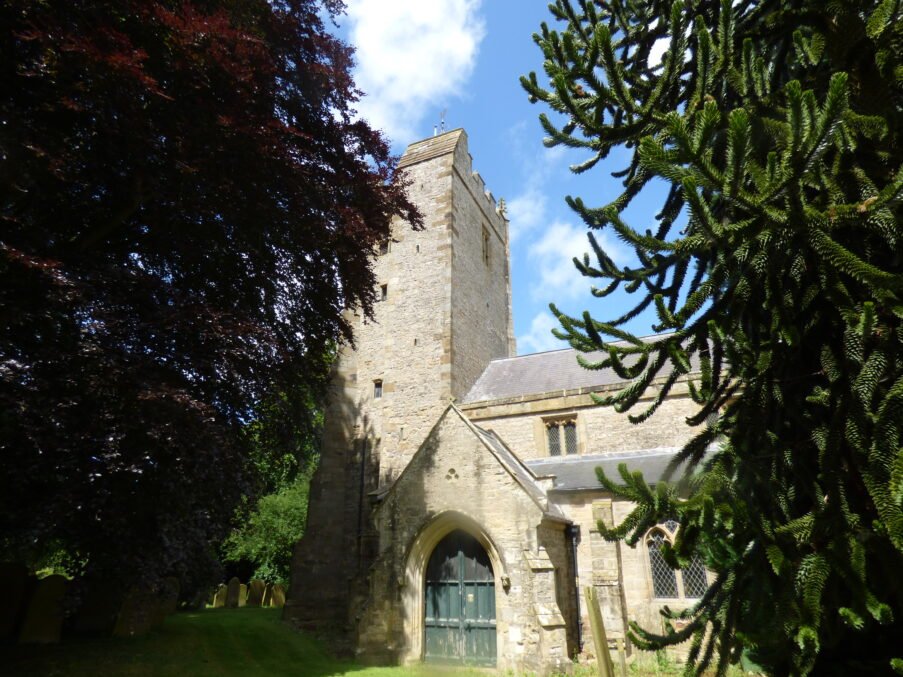
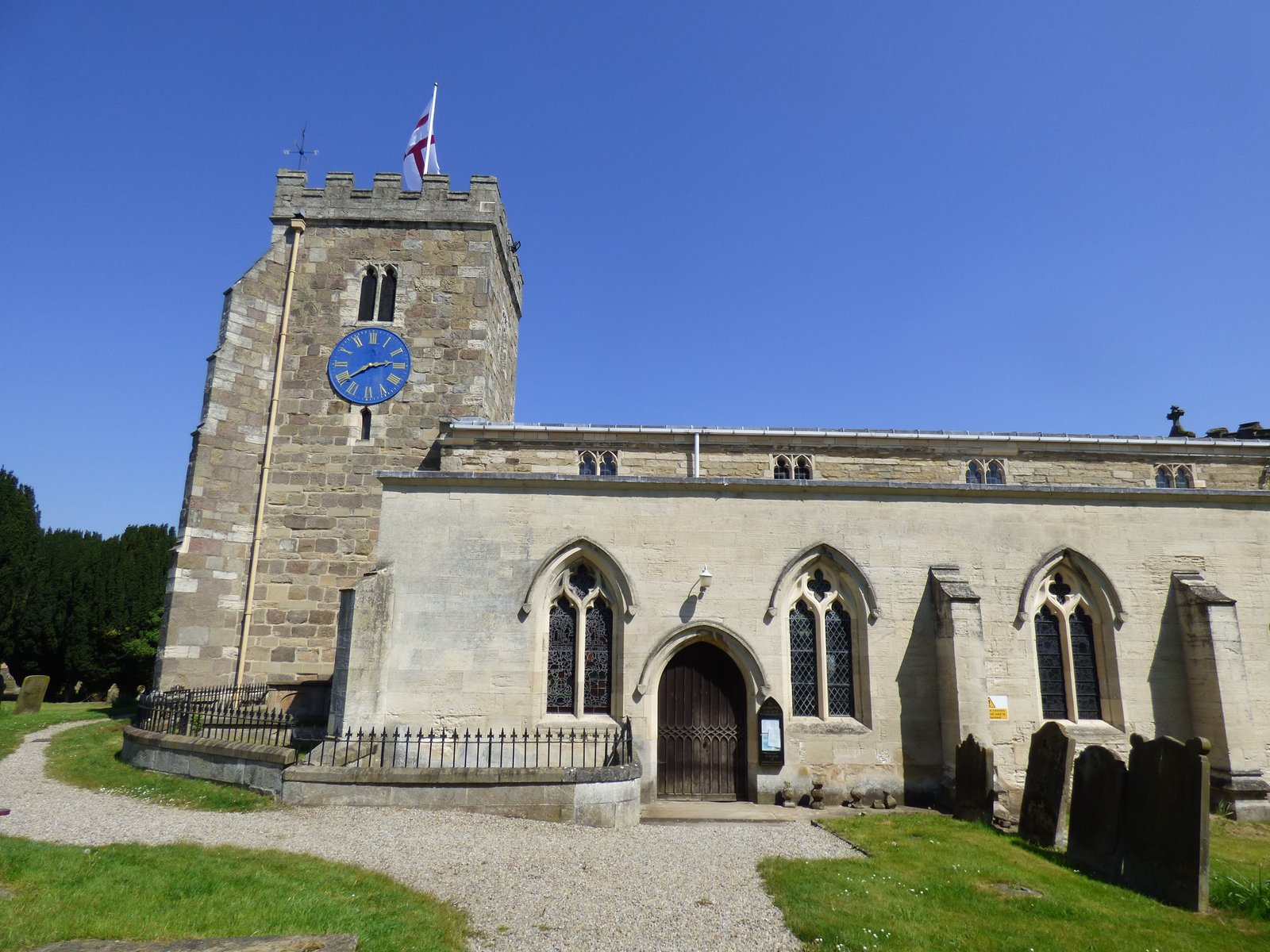
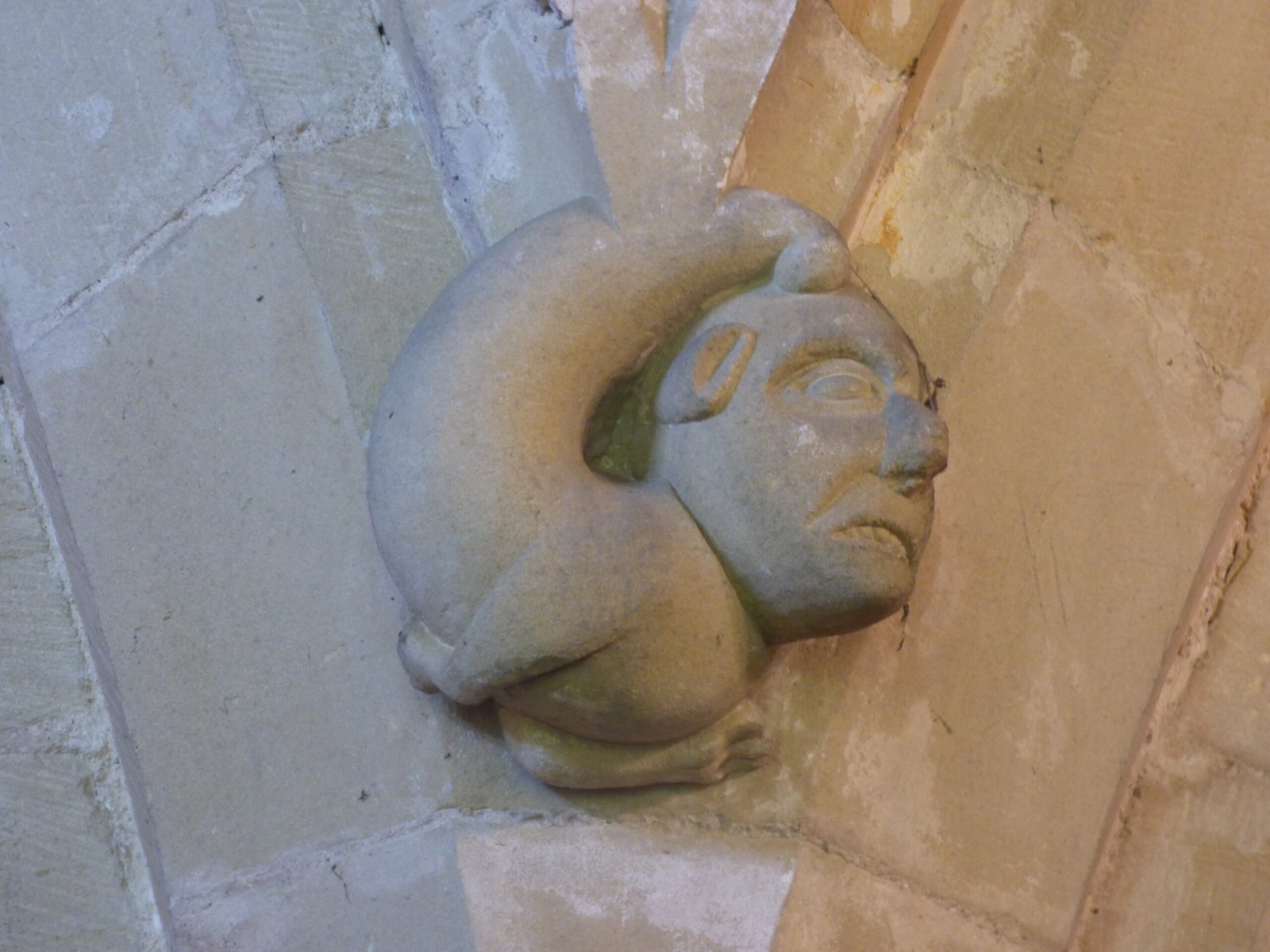
St Michael's Church at Kirklington stems from prior to the Norman Period and has ghosts of an even earlier period in the form of the various carved heads found inside and outside the church.
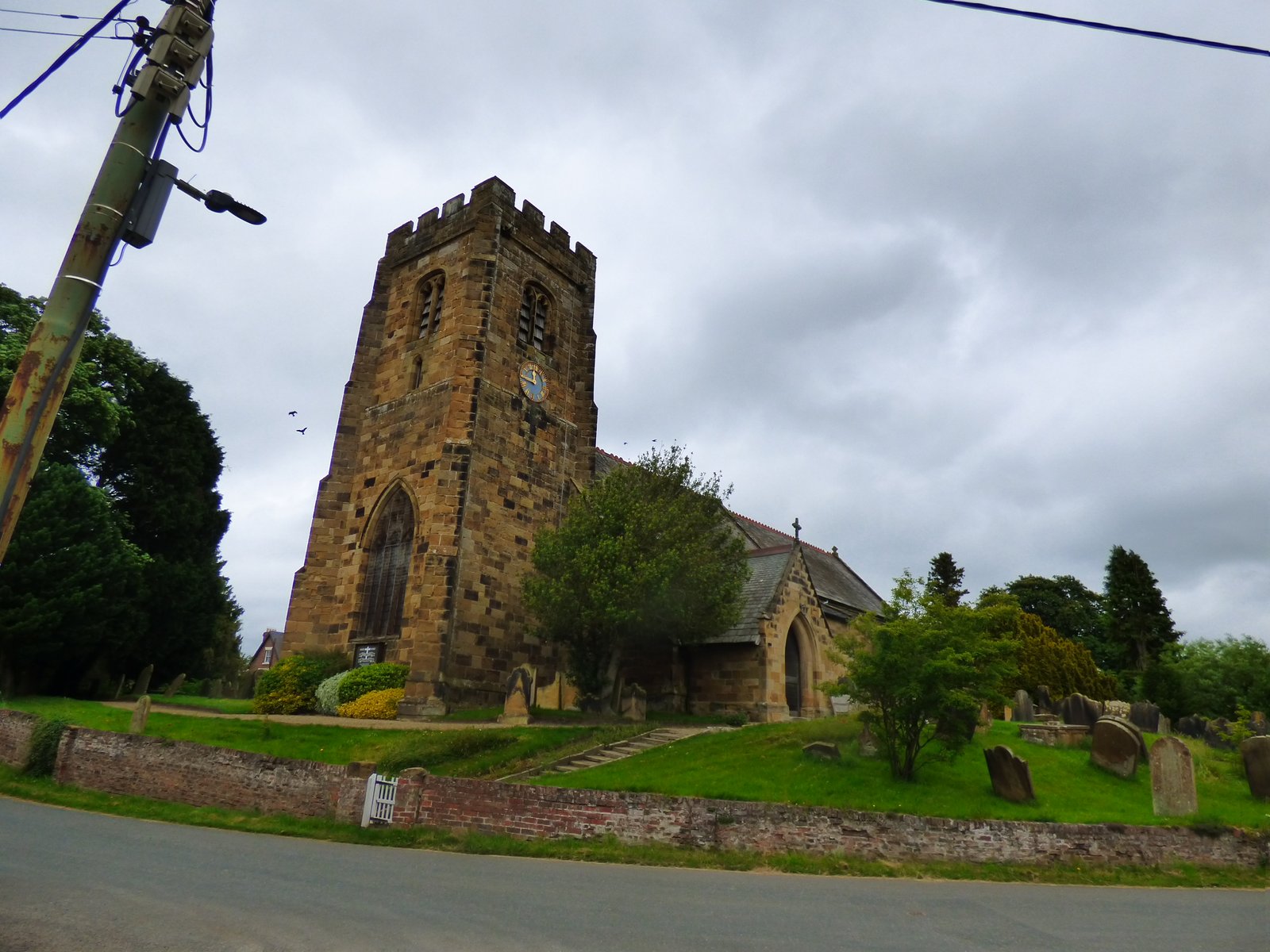
The church stands at the south end of Kirklington village on Howgrave Road and has been the parish’s centre of worship for at least eight hundred years. It was placed on the National Heritage List as a Grade I building in 1966, chiefly for the completeness with which successive medieval and later building phases survive in one fabric. (historicengland.org.uk)
The earliest masonry
The earliest masonry is probably the plain north wall of the nave, which architectural details suggest belongs to the early twelfth century. A new chancel was built in the early thirteenth century and was given larger windows about 1340, when aisles were also added to the nave; the clerestory and the sturdy three-stage west tower followed in the fifteenth century. Thus, almost every century between 1100 and 1500 left its mark on the plan. (en.wikipedia.org)
Between 1857 and 1858 the York architect George Fowler Jones carried out a sensitive restoration. He repaired the roofs, rebuilt decayed aisle walls, added north and south porches and a vestry and, unusually for the period, left most medieval fittings in place rather than sweeping them away. (en.wikipedia.org)
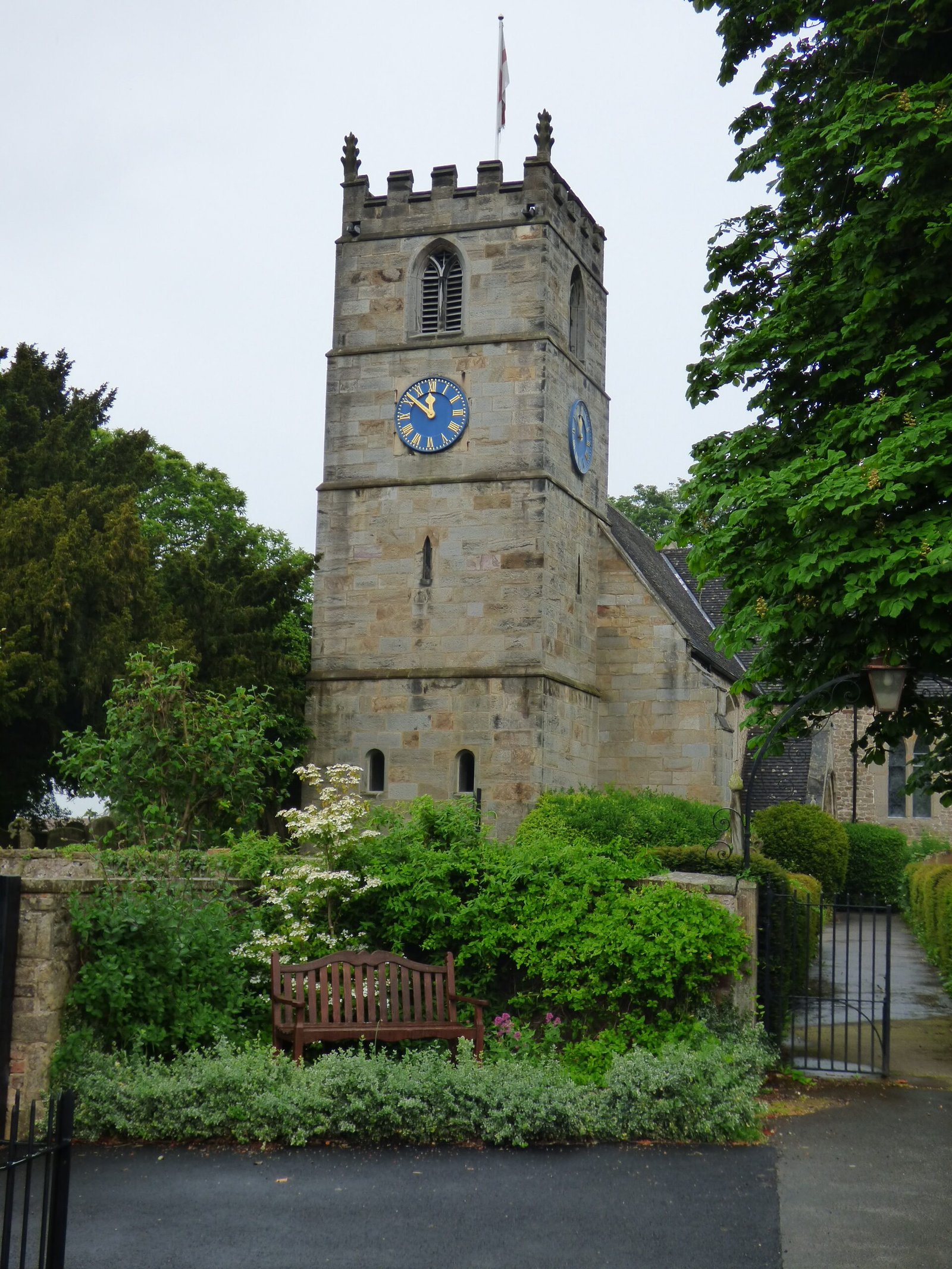
The church is of local sandstone with Welsh-slate roofs. Its plan now comprises a nave with clerestory, north and south aisles and porches, a square-ended chancel flanked by two vestry chambers and the west tower with diagonal buttresses, a stair-turret clasped round its south-west corner and an embattled parapet crowned by crocketed pinnacles. A small bell cote on the east gable of the nave holds a Sanctus bell. (en.wikipedia.org, en.wikipedia.org)
Inside the Church
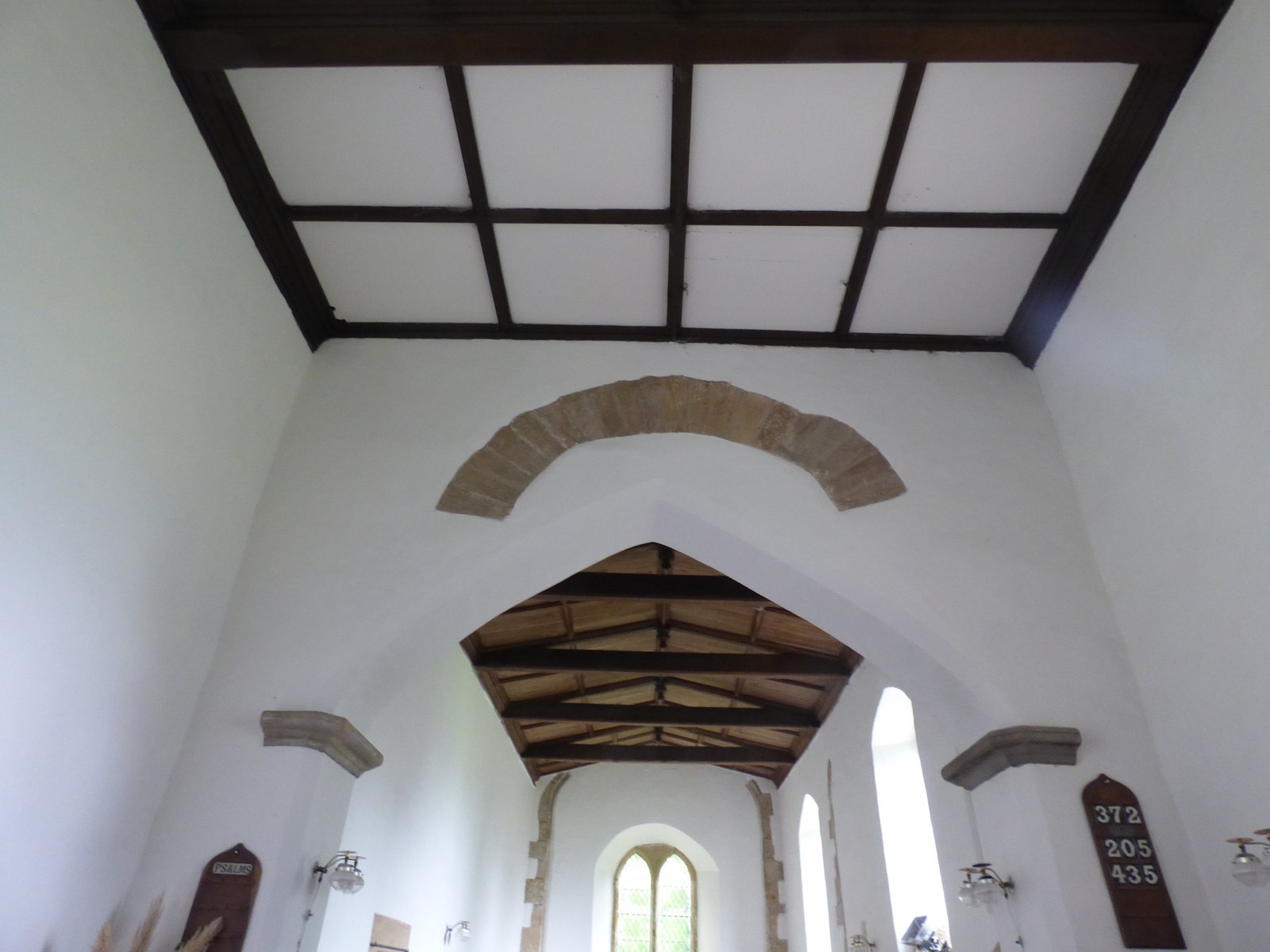
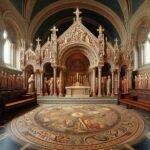
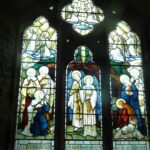
Inside, the arcades rest on octagonal piers whose capitals carry lively fourteenth-century carvings of grimacing masks and beasts. Two fine effigies—a knight in chain mail and a lady in wimple and gown—are thought to represent John de Wandesford and his wife Elizabeth de Musters, patrons in the later 1300s; the family’s much grander alabaster tomb of Christopher Wandesford (d. 1590) occupies the south aisle. Other survivals include a seventeenth-century pulpit incorporating Jacobean panels, a Victorian rood screen, a nineteenth-century font standing on a fourteenth-century base and scattered fragments of medieval and seventeenth-century stained-glass reset in vestry windows. In the vestry is one of only two chained Bibles still preserved in the old North Riding, dated 1752 and fastened to its desk by an iron bracket. (en.wikipedia.org, en.wikipedia.org)
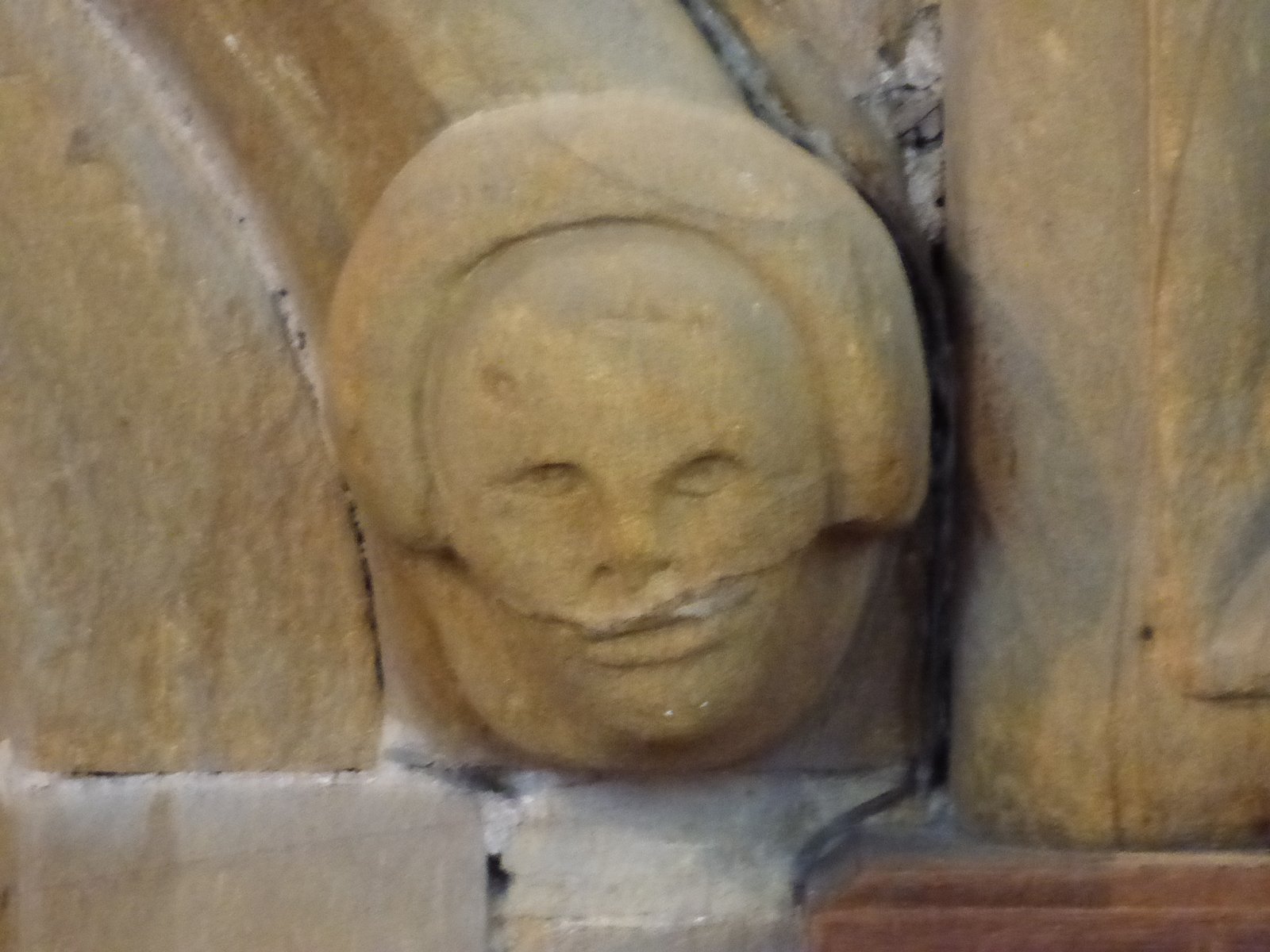
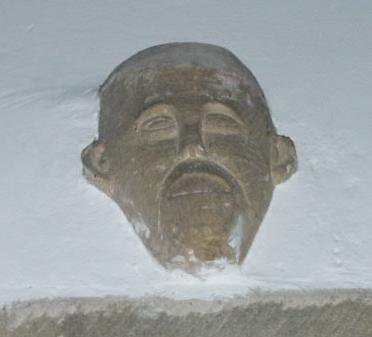
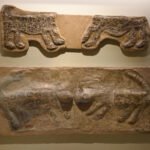
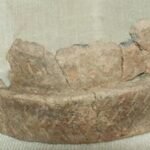
Carved archaic head from St Michael's Church, Kirklington
Carved heads
Carved stone heads—some weather-beaten Romanesque, others perhaps earlier—are built into several external walls, hinting at still older work on the site. Local tradition links the dedication to St Michael with a medieval holy spring, “Michael-well”, recorded in seventeenth-century leases beside the village mill stream. ( thenorthernantiquarian.org)
Today St Michael’s remains a thriving parish church within the united benefice of Kirklington, Burneston, Wath and Pickhill. Although no modern excavation has taken place, geophysical survey shows Roman street layouts and the outlines of a possible villa close by, promising future insights into how this little medieval church relates to the deeper landscape history of the Vale of Mowbray. (facultyonline.churchofengland.org, en.wikipedia.org)