
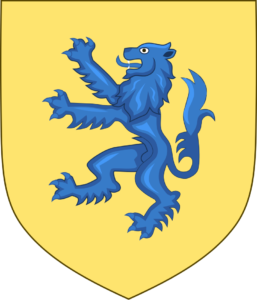
The Percy family, Earls of Northumberland, were influential figures, with their ancestral seat at Alnwick Castle providing a power base in the north.
Jun 12
The Percy family, Earls of Northumberland, were influential figures, with their ancestral seat at Alnwick Castle providing a power base in the north.
Jun 12

Katherine Parr, known for her role as the sixth and final wife of King Henry VIII, was a significant figure in the Tudor period, not just for her royal marriage but also for her impact on Yorkshire, a region she influenced through her marriage to John Neville, Lord Latimer.
Jun 12

The Danby family, with its roots deeply embedded in the rich soil of English history, is a name that arose among the Anglo-Saxon tribes of Britain. It is derived from their having lived in Danby, a name associated with parishes in Yorkshire and Derbyshire.

St Mary’s Chapel, nestled within the historic Snape Castle, is a remarkable edifice with a rich tapestry of history that dates back to the 15th century.
Jun 12
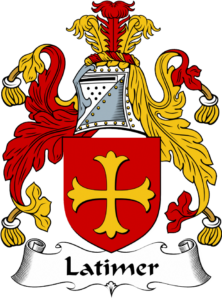
The Latimer family name, has its origins tracing back to the Old French term “latinier,” denoting a clerk or a scribe who was proficient in Latin, the lingua franca of medieval Europe’s educated elite.

Snape Castle, located in North Yorkshire, played a pivotal role during this turbulent period. It was the residence of Catherine Parr, who would later become the sixth wife of King Henry VIII, and her husband, John Neville, 3rd Baron Latimer.

Middleham Castle, with its deep historical roots and architectural grandeur, stands as a remarkable testament to England’s medieval past. Built in the 12th century, the castle’s massive keep is one of the largest in the country and served as a formidable statement of power and prestige.
Jun 12
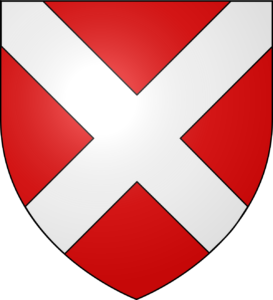
The Nevilles were a powerful family, who held substantial estates and titles, including the Earldom of Westmorland.

Tamworth Castle, has known origins that trace back to Anglo-Saxon times when it served as a residence for the Mercian kings. The castle’s strategic importance was highlighted during the Viking invasions, leading to its abandonment.

Lady Bridge in Tamworth is a historical structure with medieval origins, serving as a testament to the town’s rich past. Initially constructed to span the River Tame, the bridge has undergone several transformations throughout the centuries.
 NLS Map Explorer
 Google Earth
 Google Maps
 Lidar Finder
 TMA
TMA
 Megalithic Portal
 Yorkshire Arch. Air Mapping
 ADS
ADS
 Brigantian Adventure FB Group
Stone Bothering FB Group
Stone Faces FB Group
Brigantian Adventure FB Group
Stone Bothering FB Group
Stone Faces FB Group
 Heritage Gateway
 ARCHI® MAPS: UK
 Atlas of Hillforts
 Portable Antiquities
 British History Online
Brigantes Nation FB Group
British History Online
Brigantes Nation FB Group

