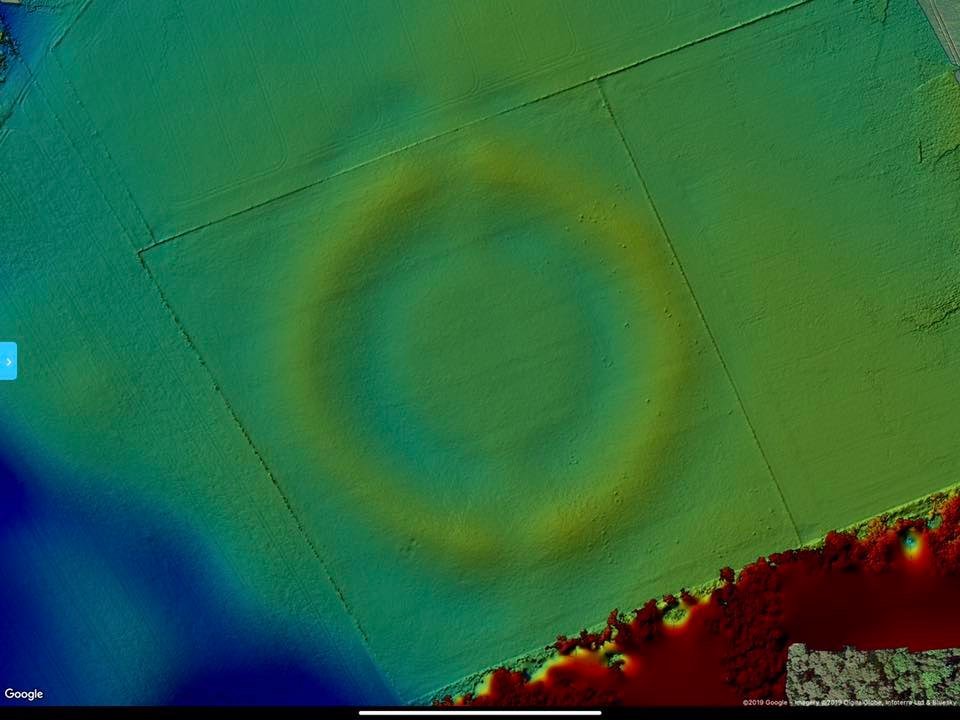
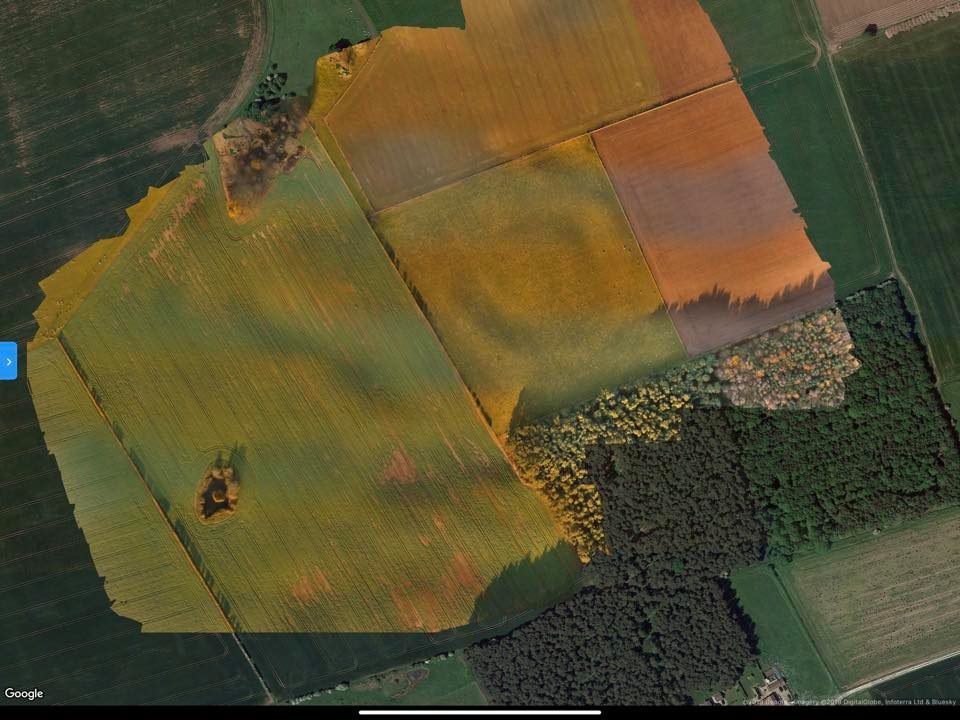
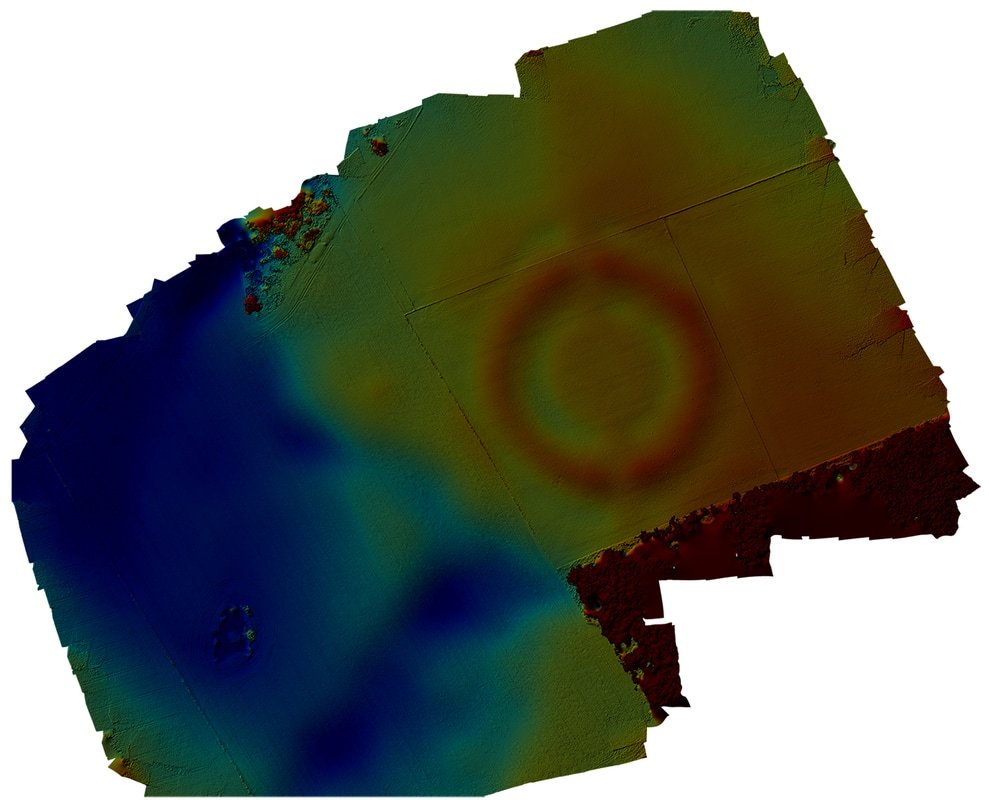
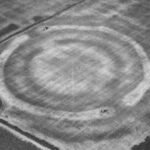
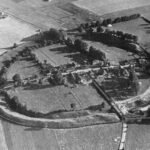
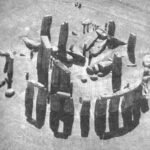
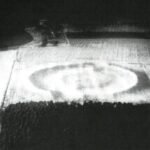
Hutton Moor Henge, Photo by Ray Selkirk


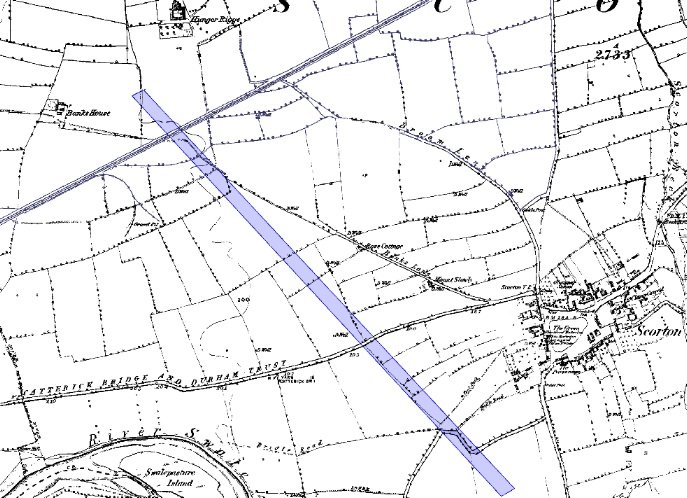
The cursus was originally about 2.1km long and aligned SE-NW. Clustered round the monument were a number of ring ditches, Read more
A site that spans several thousands of years from the Stone Age to at least the Iron Age, the ancient Read more
This is our master collection page for all of our heritage articles and sites. It is the root of our Read more
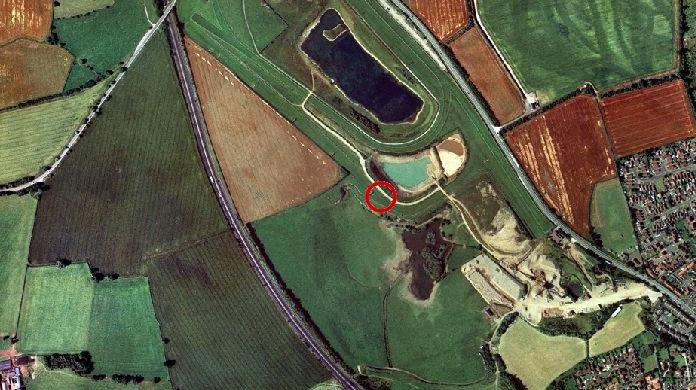
The henge at Catterick racecourse is an intriguing prehistoric site. Initially thought to be a Roman amphitheatre, it is now Read more
East Yorkshire’s Middle-Iron-Age story stands out in Britain because the communities who farmed the chalk of the Yorkshire Wolds developed Read more
Rudston is England's tallest Standing Stone and it's presence gave the name to the village that it's located in. It's Read more
A henge at Nunwick visible both as a low bank and shallow internal ditch and as a cropmark. A berm Read more
A henge located north of Rudston,The henge was discovered as a cropmark on an aerial photograph in the early 1960s, Read more
Although all the existing literature assures us that the Great Henge Alignments of North Yorkshire are now covered by – Read more
Newton Kyme Henge occupies a slight rise on the south bank of the River Wharfe immediately west of the village Read more
King Arthur's Round Table is a Late Neolithic Henge (2000-1000 BCE). It consists of a low circular platform surrounded by Read more
Mayburgh Henge is a remarkable prehistoric monument located near Eamont Bridge in Cumbria, England. It consists of a massive circular Read more
Hutton Moor Henge, Photo by Ray Selkirk


Heritage Gateway
APost medieval copper-alloy token farthing issued for the poor of Great Yarmouth, dating to 1669. Obverse: Arms of the Borough of Great Yarmouth, legend GREAT. YARMOVTH. 1669. Reverse: Arms of the Borough of Great Yarmouth, [...]
A Roman copper-alloy sestertius of Trajan (AD 98-117) dating to circa AD 98-117 (Reece Period 5). Uncertain reverse type. Unclear mint. [...]
A small post medieval uniface cast lead alloy token of 14.8mm diameter. One side has the initials WS over a line with unclear lettering or numerals (possibly a date of 1718 or similar) below. [...]
A Medieval silver Edwardian penny, not further defined, dating to circa AD 1279-1377. Unclear mint. [...]
A worn Roman copper-alloy nummus (AE4) of an unidentified emperor. Probable falling horseman (FEL TEMP REPARATIO) reverse type, dating c. AD 348-358. Probably a contemporary copy given reduced size.Measurements: diameter: 11.8 mm and weight: 1.38 [...]
A Medieval silver voided short cross cut farthing of Henry II-John, Class 1-4, not further defined, dating to AD 1154-1205. Moneyer: Rein..Mint: Unclear. [...]
A small post medieval cast lead alloy token of 16mm diameter. One side has an image of a cockerel, standing right, with head raised (Powell Type 18). The other side has an unclear branched motif, [...]
A Medieval silver voided long cross cut farthing of Henry III (AD 1216-1272), not further defined, dating to AD 1247-1272. Moneyer: uncertain; Mint; Canterbury. [...]
A Medieval silver halfpenny of Henry VI, first reign (AD 1422-1461), plain issue, dating to AD 1427-1430 (N 1453). Mint of London. Ref: Withers and Withers 2003: 35; North 1975: 62. [...]
A silver Medieval Venetian soldino of Michele Steno (AD 1400-1413) dating to the period AD 1400-1413. S MARCVS VENETI reverse depicting Winged and nimbate lion of St Mark facing within a circle, holding a book of gospels (type 1). Mint [...]
An incomplete Medieval silver voided short cross penny of Henry III (AD 1216-1272), Class 6c3,dating to AD 1217 (N 976/3). Moneyer and mint uncertain, probably Canterbury. [...]
A fragment of a post-medieval silver sixpence of James I, struck 1604-1624. The coin has a neat linear break which has either been done using a knife or (and more likely) which has split along [...]
A complete copper-alloy Roman nummus of Diocletian, dating to the period AD 296-7 (Reece period 15). GENIO POPV-LI ROMANI reverse type, depicting Genius standing left, holding patera and cornucopiae. Mint of Trier.RIC VI 170a, B [...]
A medieval silver cut halfpenny of Henry II-III, short cross variety. Mint of London. Uncertain moneyer. Struck AD1180-1272.Diameter 18mm. Weight 0.51g. [...]
A complete worn copper-alloy 17th century traders token halfpenny of Cheny Bourne of Milton in Kent. Williamson (1967, 377) Kent no.431Description: Obverse: A sugarloaf. Legend: +CHENY.BOVRNE.OF Reverse: 'C.F.B' in two lines. Legend: +MILTON.[IN.]K[ENT].Measurements: Diameter: 15.8 mm and weight: 0.83g. [...]
A worn post-medieval silver groat of Mary. The coin has two parallel creases in the surface indicating where it was folded twice, probably for use as a love token.Diameter 22mm. Weight 1.38g. [...]
A Medieval silver voided long cross penny of Henry III (AD 1216-1272), Class 5b, dating to AD 1250-1256 (N 992). Moneyer: Willem; Mint: Canterbury. Ref: North 1980: 182 [...]
A silver penny of Henry VIII, Mint of Durham. Obverse: King enthroned holding orb and sceptre. Reverse: Royal shield. No marks (Sede Vacante?). Struck AD1529-30. North no. 1812.Diameter 14mm. Weight 0.45g. [...]
A medieval silver cut halfpenny of Henry III, voided long cross type. Class 3, struck AD1248-1250. Moneyer Henri, mint London.Diameter 18mm. Weight 0.58g. [...]
A Medieval silver penny of Edward III (AD 1272-1307), fourth coinage, Pre-Treaty period, Series E or F, not further defined, dating to circa AD 1354-1356. Unclear mint. [...]
© 2026 Brigantes Nation.
Made with by Graphene Themes.