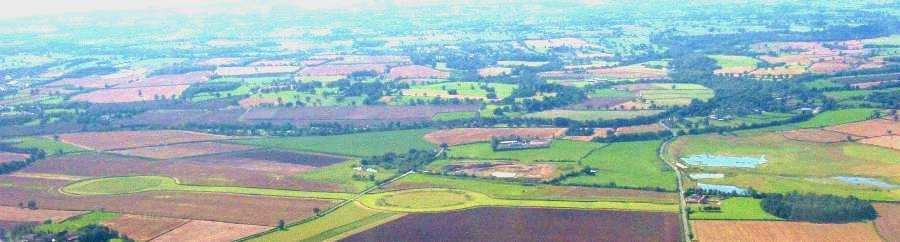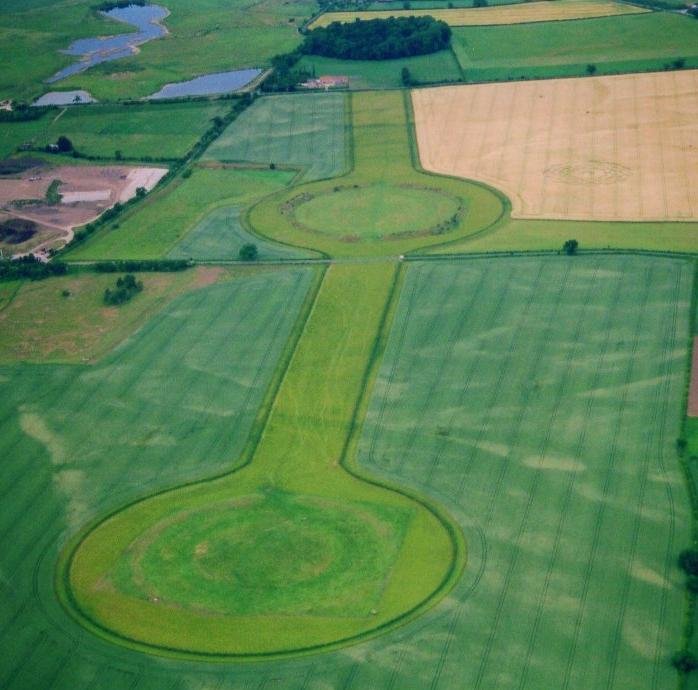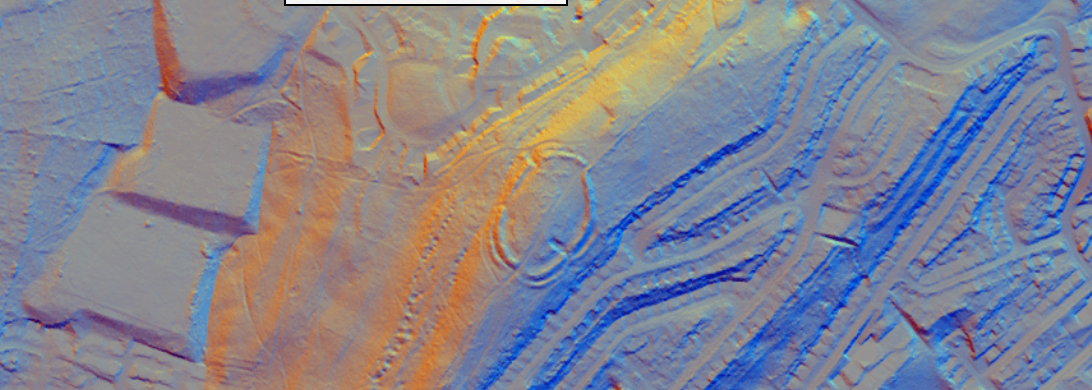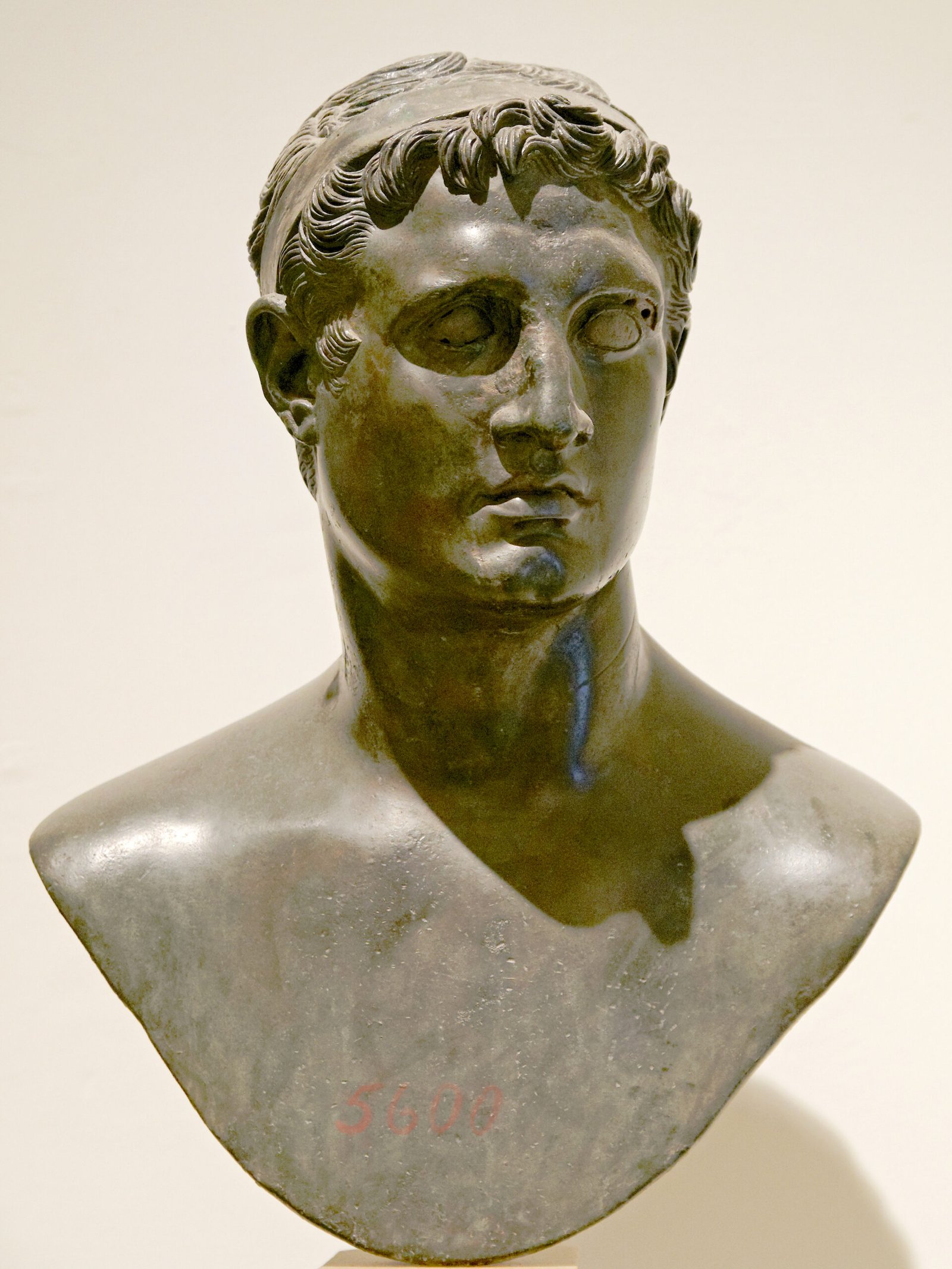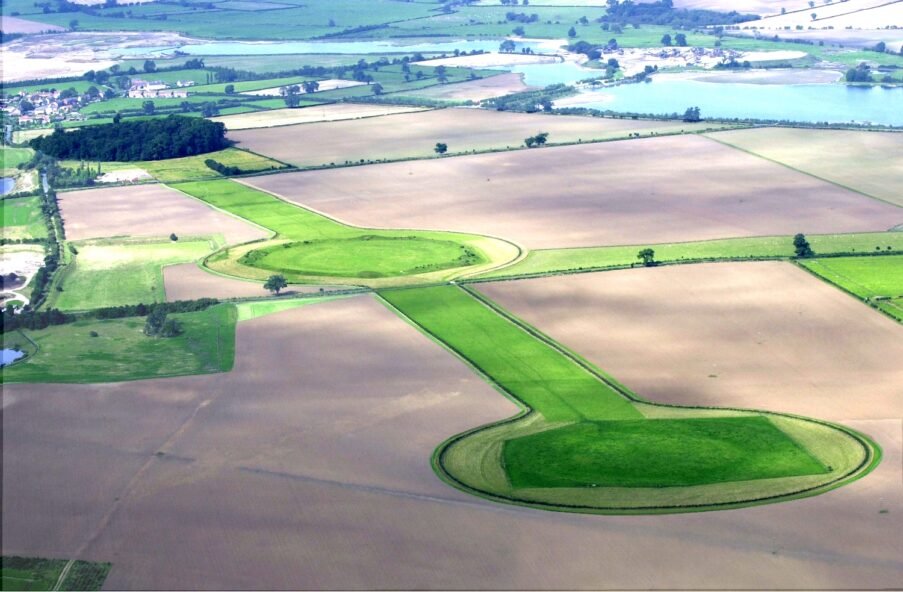
Guide: Hillfort Mounds of Europe

Hillfort mounds

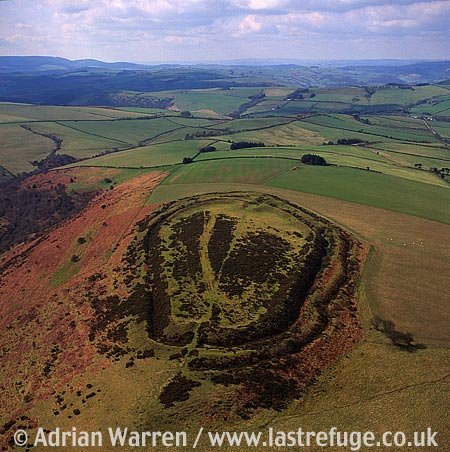
Hillfort mounds are elevated, man-made (or heavily modified) earthen platforms whose crests carry ramparts, palisades or stone walls and whose flanks are protected by one or more surrounding ditches. They appear in most parts of Europe from the Late Bronze Age (c. 11th century BCE) but flourish during the Iron Age (8th century BCE – 1st century CE). Many were re-used or newly founded in the Roman and early-medieval periods. Their positions—usually on hilltops, spurs or sea-cliffs—gave wide views for surveillance and emphasised the power of the communities that built them. Excavation shows they could serve as defended farmsteads, seasonal refuges, tribal centres, craft hubs and places of assembly or ritual. (en.wikipedia.org)

Building techniques

Typical construction begins with a ditch dug just below the brow of the slope; the spoil is thrown inward to form a bank (rampart). That bank may be:

  • Pure earth packed into a steep façade.
  • Timber-laced “box” rampart: parallel timber walls infilled with earth and rubble, known across Britain and Atlantic Europe.
  • Timber-framed stone rampart such as the murus gallicus of Gaul or the Bavarian-Czech Pfostenschlitzmauer (“post-slot wall”) of the Oppida, where vertical posts pierce a stone facing. (en.wikipedia.org)
  • Vitrified wall: a stone rampart deliberately fired until outer courses fuse, best known in Scotland but now recognised more widely. (en.wikipedia.org)

Gateways are often elaborately in-turned, sometimes with staggered passages or horn-works to slow attackers. Inside, round or rectangular houses, granaries, workshops and livestock pens cluster against the rampart, leaving a central hollow or street-grid (in the largest sites).

Multivallate Ringfort at Rathrar (Rathbarna Enclosure Complex), Co Roscommon, Ireland

Multivallate Ringfort at Rathrar (Rathbarna Enclosure Complex), Co Roscommon, Ireland” by West Lothian Archaeological Trust (Jim Knowles, Frank Scott and John Wells) is licensed under CC BY-SA 4.0

Manching oppidum model

Manching model 1” by Wolfgang Sauber is licensed under CC BY-SA 3.0

Common hillfort types across Europe

Below is a practical typology that archaeologists and heritage managers use; many individual forts combine features from several categories.

Type Core features & rampart layout Main distribution Classic examples
Univallate hillfort Single circuit of bank + ditch; compact ( < 5 ha) Widespread, especially early Iron Age Britain, Ireland, Low Countries Solsbury Hill (England), Navan Fort inner enclosure (N. Ireland) (en.wikipedia.org)
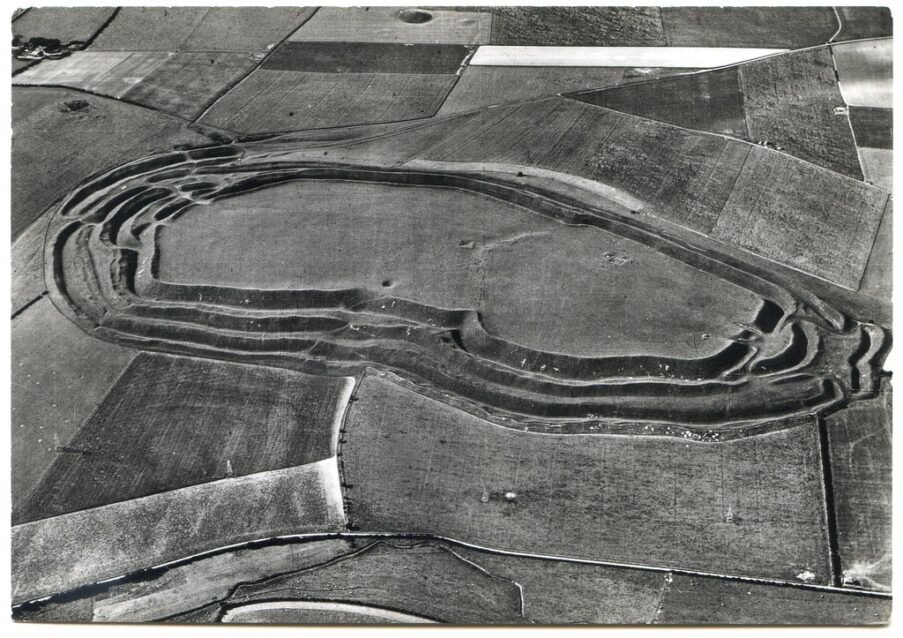
Multivallate hillfort Two – six concentric ramparts; huge labour investment; often later in sequence Southern Britain, Brittany, Central Europe Maiden Castle (England), Monte Bernorio (Spain) (en.wikipedia.org)
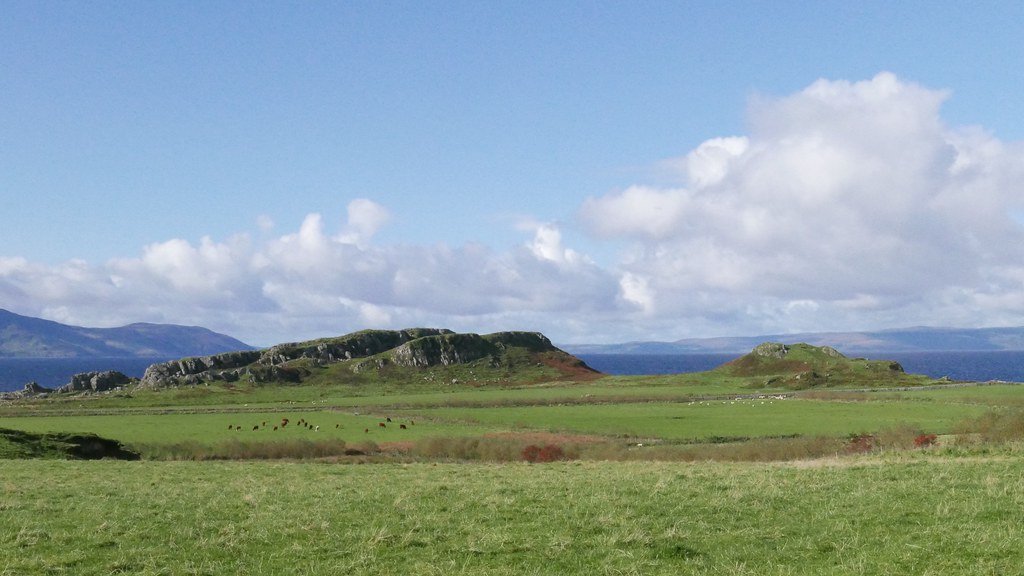
Promontory fort Natural cliffs on three sides; artificial rampart only across neck Atlantic façade of Ireland, Cornwall, Brittany; Baltic islands; inland river spurs Dunbeg (IE), Tintagel (UK), Cronk ny Merriu (IoM) (en.wikipedia.org)
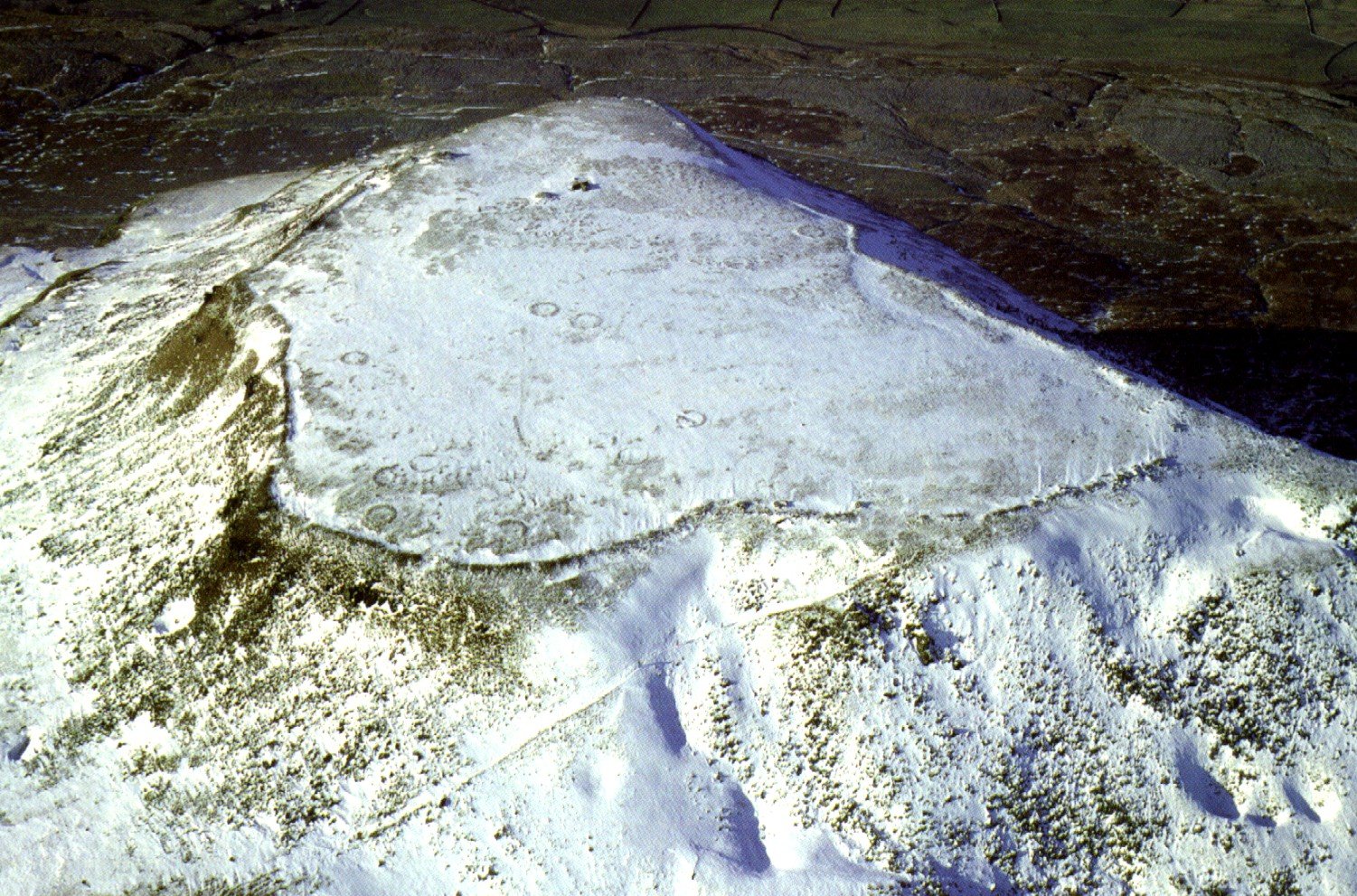
Contour / Plateau fort Ramparts trace hillside contours or enclose a flat summit; may be univallate or multivallate Scotland, Wales, Central Europe, Alpine zone Brent Knoll (UK), Ipf (DE) (en.wikipedia.org)
Oppidum (plural oppida) Very large (≥ 20 ha) late Iron-Age fortified towns with timber-framed stone walls, gateways, street plans and specialist quarters Central & Western Europe, esp. Hallstatt & La Tène cultural zones Manching (DE), Bibracte (FR), Heuneburg (DE) (brewminate.com, en.wikipedia.org)
Castro hillfort Oval/round stone-walled enclosures with clusters of round-houses; often terraced; long use c. 9th c BCE–1st c CE N-W Iberian Peninsula (Galicia & N Portugal) Citânia de Briteiros, Castro de San Vicenzo (academic.oup.com, brown.edu)
Vitrified hillfort Stone rampart glassified by intense fire; causes debated (defence, ritual destruction) Scotland, western France, SW Germany Tap O’ Noth (UK), Saint-Céneré (FR) (en.wikipedia.org)
Slavic gord / burgwall Timber-earth ring-wall with palisade and outer moat, 6th – 12th c CE; evolves into early castles Poland, Czech lands, East Germany, Ukraine Biskupin (PL), Groß Raden (DE), Mikulčice (CZ) (en.wikipedia.org)

Key concepts

  • Shared idea, local expression – building a mound, ditch and rampart is a simple yet powerful strategy that different cultures adapted to their terrain, materials and social needs.
  • Size tracks social complexity – from small univallate farmsteads to oppida of 100 ha, the scale of works mirrors political consolidation in the late Iron Age.
  • Re-use and memory – many medieval castles, Norman mottes or Early Christian monasteries sit inside older hillfort circuits, showing these Earthworks remained potent landmarks long after their original builders were gone.
  • Place in mythology – Many hillforts have a rich local mythology, often involving dragons, King Arthur, of the Devil. For example, the legend of Caer Caradoc.
  • Uncertain primary purpose: Hillforts were long assumed to be the defences needed by war-like tribal kingdoms. However, more recently, it has been recognised that most never saw a fight, and are more related to earlier “ritual” monuments such as barrow and cursus type monuments that this understanding of a defensive primary purpose is now much less certain as a primary purpose.

Timeline of hillfort development

Timeline of hillfort development

Reading the timeline

Left of “0” = BCE; right = CE.

Bars show when each construction/usage phase was most widespread (regional outliers exist).

Phase Approx. dates Core innovations & significance Typical regions
Proto-hillforts (Late Bronze Age) 1300 – 800 BCE First ditch-and-bank enclosures; often single rampart; linked to Urnfield/Lusatian cultures and rising conflict. Central Europe, Alpine zone, Po Basin, Bohemia
Early Iron-Age hillforts (Hallstatt) 800 – 450 BCE Taller timber-laced ramparts, in-turned gates; some nucleated “seat of chiefs” sites. Alpine forelands, Danube valley, Atlantic façade of Britain/Ireland
Early La Tène hillforts 450 – 250 BCE New murus gallicus and pfostenschlitzmauer wall types; more planned interiors; craft & minting zones. Gaul, Hunsrück-Eifel, SW Germany, Czech lands
Oppida (large La Tène fortified towns) 250 – 50 BCE Urban-scale (20–150 ha), rectilinear streets, gateways with annexes; act as tribal capitals & trade hubs. Central & W. Europe, from Spain to Bohemia
Roman-period refortifications 50 BCE – 300 CE Some hillforts demolished; others get stone towers, signal-stations or become legionary bases. Britain, Upper Rhine, Danube limes
Post-Roman / Sub-Roman reuse 400 – 600 CE Shrinking populations re-occupy legacy ramparts as refuges and power bases; e.g., “dark-age” forts in Wales & Cornwall. Atlantic Britain, Brittany, Massif Central
Slavic gords & early-medieval forts 600 – 1000 CE Timber-earth ring-walls with outer moats; nuclei for early states (Bohemia, Polonia). Poland, Czech & Slovak lands, N-E Germany, W Ukraine
Viking Age ring-forts 900 – 1050 CE Geometric circular forts (Trelleborg type), heavy plank revetments, radial streets; royal military bases. Denmark, Scania, Zealand, Skåne

Big-picture takeaways

Continuity through change: While rampart engineering evolves from simple earthen banks to timber-laced and stone facings, the underlying idea of a raised, ditched circuit remains constant for nearly two millennia.

Social scale expands: Forts grow from 1 to 5 ha farmstead refuges to 100 + ha oppida as tribal confederations form, then shrink again in turbulent post-Roman centuries before re-emerging as proto-cities (gords) and state fortresses (Viking ring-forts).

Technological exchange: Construction techniques (e.g., murus gallicus, vitrified walls) spread along trade and conquest routes, showing how hillfort builders watched—and copied—one another across great distances.

Guide: Barrows

What Is a Barrow?

A barrow is a mound of earth and/or stones raised over a grave or group of graves. Used from the Neolithic through to the Iron Age (roughly 4000 BCE to 500 CE), barrows were often constructed to honour elite individuals, such as tribal leaders, warriors, or chieftains. They are frequently found singly or in cemeteries known as barrow fields.

Barrows vary in shape, construction, and size, and these differences can reflect chronological developments, regional styles, or cultural practices.

Main Types of Barrows

Round Barrows

These are circular mounds of earth or stone, often with a central burial. They are common from the Late Neolithic through the Bronze Age, and usually contain one or more graves (inhumations or cremations), often within a central cist, pit, or chamber. They are found widespread across Europe, especially in Britain, Scandinavia, and Central Europe.

Example: The Wessex Round Barrows, near Stonehenge, England, are classic Bronze Age barrows often associated with elite burials and rich grave goods.

Long Barrows

These are elongated mounds, often hundreds of feet in length. They date mainly to the Neolithic period (mainly 4000–3000 BCE). They typically contain multiple burials, often collective, sometimes in chambered tombs. Long Barrows are found in western and Northern Europe, including Britain, France, and Scandinavia.

Example: West Kennet Long Barrow in Wiltshire, England, is a prominent Neolithic monument with a long stone-built burial chamber within the mound.

Bell Barrows

These are a subtype of Round Barrow with a prominent mound separated from an encircling ditch by a flat platform (berm). They are mainly Bronze Age in date, and are often associated with single, prestigious burials and grave goods. These are particularly common in southern England.

Disc Barrows

These have low, wide circular features defined by a ditch and bank with one or more small central mounds. They date from the Later Bronze Age, and are frequently ceremonial, with fewer or no burials. They are found mostly in southern Britain and are rare elsewhere.

Oakley disc barrow panorama

Oakley Disc Barrow” by JimChampion is licensed under CC BY-SA 4.0

Ring Barrows

These consist of a ring-shaped bank and ditch, with little or no central mound. They date from the late Bronze Age into the Iron Age and may have had ceremonial or symbolic functions, possibly as cenotaphs. They are found in Ireland, Britain, and northern France.

Square barrows

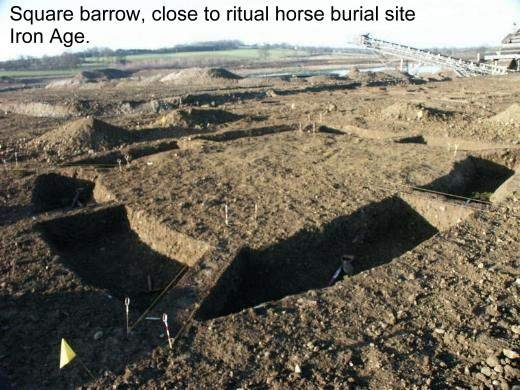
These are square (or sometimes rectangular) ditched enclosure, normally 6-12 m across, raised into a low mound with a single central grave. The ditch is dug first; its spoil provides the mound core, so most barrows now survive only as cropmarks. (historicengland.org.uk).

The earliest examples belong to the Middle–Late Iron Age (c. 5th–1st century BC), contemporary with La Tène culture on the Continent and the Arras tradition in East Yorkshire. A few later, early-Roman imitations exist. Square barrows are also known from the Roman and Scottish Pictish cultures.

Usually an inhumation is placed on its back or side; grave-goods range from plain pots to chariots, weapons, brooches and horse gear.

Steppe Kurgans (Eurasian Tumuli)

These are large, often monumental burial mounds found across the Eurasian steppe. They date from the Bronze Age to the early medieval periods, and are understood to be elite burials of nomadic tribes (e.g. Scythians, Sarmatians) with rich artifacts and horse burials. They can be found in Eastern Europe, especially Ukraine, southern Russia, and into Central Asia.

Example: The Royal Kurgans of the Scythians in Ukraine, such as the Solokha and Chertomlyk mounds, contain vast underground chambers and gold-laden burials.

Scythian capital and royal kurgans

“Scythian capital and royal kurgans” by Janmad is licensed under CC BY 3.0

royal kurgans

File:Царський курган 007.jpg” by Anatoly Shcherbak is licensed under CC BY-SA 3.0

Regional Variations

Britain and Ireland: Strong emphasis on Neolithic long barrows and Bronze Age round barrows. Barrow cemeteries often align with major ritual landscapes, like Stonehenge or Avebury.

Scandinavia: Includes large burial mounds (e.g., Gokstad and Oseberg in Norway), often associated with ship burials in the Viking Age.

Central Europe: Rich Hallstatt culture barrows in Austria and Germany, often with chariot burials and luxury goods.

Iberian Peninsula: Fewer classic barrows; instead, Megalithic Tombs with earthen covering are more typical.

Eastern Europe: Kurgan-style mounds dominate, associated with Indo-European migrations and later nomadic empires.

Purpose and Significance

Barrows served not only as graves but also as:

  • Territorial markers
  • Religious or ceremonial sites
  • Symbols of status and memory

They remain important archaeological sites today, revealing burial customs, social hierarchies, and long-distance trade through the study of grave goods.

Timeline of Barrow development in Europe

Chart of barrow development through time

How to read the chart

  • Years to the left of “0” are BCE, years to the right are CE.
  • Each horizontal bar shows when a particular barrow-building tradition was most active across Europe. (Local outliers exist, but these ranges capture the main pulse of construction in the archaeological record.)
Tradition Approx. span Key reference
Early Neolithic long barrows c. 4000 – 3000 BCE (en.wikipedia.org)
Late Neolithic passage-tomb barrows c. 3200 – 2500 BCE (en.wikipedia.org)
Early Bronze Age round barrows c. 2200 – 1100 BCE (heritagecalling.com)
Nordic Bronze Age barrows c. 1750 – 500 BCE (en.wikipedia.org)
Hallstatt Iron-Age barrows c. 800/700 – 450 BCE (britannica.com)
La Tène Iron-Age barrows c. 450 – 1 BCE (en.wikipedia.org)
Roman-period barrows c. 50 – 200 CE (historicengland.org.uk)
Anglo-Saxon / Migration-period barrows c. 500 – 700 CE (en.wikipedia.org)
Viking Age barrows c. 800 – 1050 CE (en.wikipedia.org)

What the timeline shows

A very long tradition – from the first Neolithic communal tombs (long barrows) right through to high-status Viking Age mounds, the basic idea of commemorating the dead with an earthen or stone mound persisted for almost five millennia.

Changing meanings – while Neolithic mounds emphasised collective ancestors, later Bronze-Age and Iron-Age barrows increasingly marked individual or elite burials, reflecting shifts in social hierarchy and belief.

Regional peaks :

  • Britain & Atlantic façade: strong Neolithic and Early Bronze-Age phases.
  • Central Europe: flourishing Hallstatt and La Tène “princely” barrows.
  • Scandinavia: a remarkably long Nordic Bronze-Age barrow tradition that blends into Viking Age ship-mound burials.

Interruptions & revivals – Roman fashions temporarily dampened barrow-building in many areas, but early-medieval elites (Anglo-Saxon, Slavic, Scandinavian) revived the custom as statements of power and identity.

Key observations

Era Main concentration(s) Notes
Early Neolithic long barrows Britain, northern France, Denmark, north Germany, Poland First communal monuments; linked to early farming.
Passage-tomb barrows Ireland, Brittany, Cantabrian coast, Orkney & northern Scotland Characterised by megalithic art and sophisticated astronomic alignments.
Early Bronze-Age round barrows Atlantic façade, North European Plain, parts of Iberia & Central Europe Often single burials with metal grave goods.
Nordic Bronze-Age barrows Denmark, south Sweden, coastal Norway Typically placed on ridges overlooking sea routes.
Hallstatt & La Tène barrows Alps to Central Europe “Princely” graves with weaponry, wagons, imported luxuries.
Early-medieval & Viking barrows England (eastern counties), Scandinavia, Iceland Ship burials and elite mounds revive the tradition after Roman lull.

Guide: SAR Doppler Tomography

SAR plotting a volcanic eruption - Scott Manley

SAR plotting a volcanic eruption – Scott Manley

SAR Doppler Tomography

Synthetic-Aperture Radar (SAR) already relies on Doppler shifts: echoes from scatterers in a side-looking radar beam have slightly different frequencies as the platform flies past, and focusing those micro-shifts yields a two-dimensional image. Doppler (or Tomo) SAR takes the idea one step further. By collecting a stack of SAR images from slightly different flight tracks or look angles, it treats the Doppler-frequency axis itself as an aperture in elevation.

Cover image for a Scott Manley video on SAR
Unwanted cookie prevention
Clicking on this image will load the YouTube video, and you will get exactly the same cookies as if you were on the YouTube website directly

The above video, from Scott Manley, explains SAR (prior to doppler), and compliments this article by serving as an introduction to the subject.

Setting the scene

When archaeologists talk about radar they usually mean a device that sends out a burst of radio-waves and times the returning echo. Synthetic-Aperture Radar, or SAR, is a special form that flies on an aircraft or a satellite. Instead of taking a single snapshot, the sensor keeps transmitting while it moves; later, a computer knits all those echoes into a single “synthetic” antenna hundreds or even thousands of metres long. The result is a map whose sharpness rivals optical photographs but that works day or night and through cloud, smoke or forest canopy.

Every echo carries two pieces of information:

  • its amplitude (how strong the reflection is)
  • its phase (the tiny shift in wavelength that measures how far the wave has travelled).

Because the aircraft is moving, echoes from objects ahead and behind the beam arrive with slightly different frequencies. That frequency shift is called Doppler. By treating the Doppler spectrum as if it were another lens, engineers can focus not just a flat picture but a three-dimensional tomographic slice. The technique is therefore known as SAR Doppler Tomography (or simply TomoSAR).

Three geometric terms matter throughout:

  • Wavelength (λ) – the physical length of one radio wave. Longer wavelengths (P-band ≈ 70 cm, L-band ≈ 23 cm) penetrate leaves, light forest or dry sand better than short wavelengths (C-band ≈ 6 cm, X-band ≈ 3 cm).
  • Baseline (B⊥) – the sideways separation between two flight tracks. The wider this gap, the finer the vertical resolving power of the tomographic reconstruction.
  • Look Angle (θ) – the tilt between the beam and the vertical. It controls how echoes stack up in depth.

After focusing, the computer fills a 3-D grid of tiny boxes called voxels (volume pixels) with Back-scatter strength. One Voxel might represent the forest canopy, another the bare soil beneath, or—if conditions are perfect—the roof, walls and foundations of a buried structure. The clarity of each layer depends on Coherence (how similar the phase of successive echoes remains) and on how far the radio waves can travel through vegetation or soil before they fade.

Wavelengths used

Radar band Central frequency (GHz) Wavelength (cm) Typical satellite / airborne sensors Vegetation / soil penetration* TomoSAR Height Resolution achievable**
X-band 8–12 GHz 3.1–2.5 cm TerraSAR-X / TanDEM-X, COSMO-SkyMed, ICEYE Negligible; only thin canopy, no ground 20–30 m from single-sat stacks; ≤10 m with along-track/bistatic baselines
C-band 4–8 GHz 7.5–3.8 cm Sentinel-1, RADARSAT-2, Envisat ASAR Light foliage; centimetres into dry sand 10–20 m (constellation stacks)
S-band 2–4 GHz 15–7.5 cm NASA NISAR (launch 2025), NovaSAR-1 Partial canopy, tens of cm into dry loam 5–10 m (multi-baseline airborne)
L-band 1–2 GHz 30–15 cm ALOS-2 PALSAR-2, NISAR, SAOCOM, UAVSAR Full canopy; ~30 cm into dry, coarse soils 3–5 m with 1–3 km airborne baselines; 10 m from satellite stacks
P-band 0.23–0.47 GHz 130–64 cm DLR F-SAR, NASA UAVSAR-P, ESA BIOMASS (planned) Penetrates >50 m canopy; up to ~60 cm in very dry sand 1–3 m (airborne baselines of several km); 5 m expected for BIOMASS constellation

* Penetration depths assume low soil moisture and low salinity; water-logged or clay-rich ground drastically reduces reach.
** Height resolution figures are rule-of-thumb values derived from Δh ≈ λ R ⁄ (2 B⊥ sin θ) for typical ranges and available baselines.

Common terms

Synthetic-Aperture Radar (SAR):  Side-looking radar flown on aircraft or satellites; by combining echoes gathered along the flight path it simulates an antenna hundreds of metres long and produces metre-scale images day or night, through cloud, smoke or vegetation.

Doppler Shift: The tiny change in echo frequency caused by the platform’s motion relative to scatterers ahead or behind the beam; SAR processors exploit these shifts to focus detail along track and, in tomography, to separate echoes coming from different heights.

Tomographic SAR (TomoSAR): A stack of slightly offset SAR passes treated as a vertical aperture so that the Doppler spectrum can be inverted, voxel by voxel, into a three-dimensional back-scatter map.

Voxel: The smallest 3-D element in a tomographic cube; it records echo strength from a specific azimuth-range-height cell, analogous to a pixel in 2-D imagery.

Wavelength (λ): Physical length of one radar wave; long wavelengths (L-band ≈ 23 cm, P-band ≈ 70 cm) penetrate foliage or dry sand far better than short ones (X-band ≈ 3 cm).

Baseline (B⊥): The sideways separation between two flight tracks; greater baselines widen the synthetic vertical aperture and sharpen height resolution.

Look Angle (θ): The tilt between the radar beam and the vertical; together with baseline and wavelength it controls the achievable vertical resolution Δh ≈ λ R / (2 B⊥ sin θ).

Coherence: A measure of how little the radar phase changes between repeated passes; high coherence is essential for sharp tomographic reconstruction and deformation mapping.

Phase: The fractional part of a radar wavelength returned by a target; phase differences underlie SAR focusing, interferometry and tomographic height separation.

Amplitude (Back-scatter): Echo strength returned from a target; variations map surface texture, moisture and roughness, and populate voxel intensities in TomoSAR.

Interferometric SAR (InSAR): Technique that compares phase between two coherent SAR images to measure height or surface motion; forms the 2-D precursor to full 3-D TomoSAR.

D-TomoSAR — Differential Tomographic SAR; combines InSAR phase change with 3-D voxel separation to monitor millimetre-scale deformation on specific height layers (e.g., building façades).

Beam-forming Algorithm (Capon, MUSIC, RIAA): Mathematical filters that convert Doppler-frequency data into height profiles; newer high-resolution methods (e.g., RIAA) halve vertical error compared with classical Fourier focusing.

Penetration Depth: Maximum subsurface reach of a radar pulse; in very dry, quartz-rich soils P-band may penetrate up to \~60 cm, while vegetation penetration can exceed 50 m.

Height Resolution: Smallest vertical separation TomoSAR can distinguish; ranges from \~3 m for airborne P-band with multi-kilometre baselines to \~30 m for single-satellite X-band stacks.

The technology itself, is quite technical, and is likely to have developed further, by the time you read this, but with those ideas: Synthetic aperture, Doppler shift, tomography, wavelength, baseline, look angle, voxel, coherence and penetration, in place, the reader should get a good understanding both of the technology and of it’s application and limitation.

Technical Discussion

This next section shows in detail how engineers turn raw radar echoes into a 3-D model, and the following sections explore what that model has already revealed about standing monuments, jungle-hidden cities and shallow desert ruins.

Making height-focusing feel less like rocket science

If you think of ordinary SAR as shining a very thin torch-beam sideways from an aircraft: while the aircraft moves forward, every ground object briefly sits in the beam and the echo you record contains a tiny frequency shift (its Doppler “note”). Add all those notes together in software and you “focus” a sharp 2-D picture.

Tomographic SAR does exactly the same thing, but with several parallel flight paths, so you hear each object singing at a slightly different pitch every time. If you now stack all those echoes you have, in effect, recorded a little Doppler melody that changes with height. “Playing the melody backwards” (the mathematical term is inverting the spectrum) lets a computer place echo-strength into thousands of 3-D bricks called voxels. The algorithms that perform this reverse process—Fourier beam-forming, or the higher-definition Capon, MUSIC and RIAA filters—differ only in how cleverly they separate the overlapping notes; to the user they all end up filling a 3-D cube of brightness.

Why a radar’s “eyeglass” has limits

A camera’s sharpness depends on lens diameter; for TomoSAR the equivalent “lens” is the sideways gap between the highest and lowest flight lines, called the perpendicular baseline (B⊥). The focusing rule is:

    Δh ≈ λ R ⁄ (2 B⊥ sin θ)

  • λ – radar wavelength: longer waves improve penetration but coarsen resolution.
  • R – slant range: the straight-line distance from sensor to target (hundreds of kilometres for a satellite, tens for an aircraft).
  • B⊥ – total vertical spread of the flight paths; the wider the spread, the finer the vertical “slice”.
  • θ – look angle: a steep look (large θ) helps resolution; a very shallow look blurs it.

Two concrete examples

  • Satellite X-band stack (TerraSAR-X)
    • λ = 3 cm, R ≈ 700 km, B⊥ ≈ 2 km, θ ≈ 35°.
    • Δh ≈ (0.03 m × 700 000 m) ⁄ (2 × 2 000 m × 0.57) ≈ 18 m.
    • Result: you can separate a city roof from the street, or a canopy from the ground, but you will not pick out individual forest layers.
  • Airborne P-band campaign over rainforest
    • λ = 70 cm, R ≈ 10 km, B⊥ ≈ 3 km (dozens of tightly controlled tracks), θ ≈ 45°.
    • Δh ≈ (0.70 m × 10 000 m) ⁄ (2 × 3 000 m × 0.71) ≈ 1.6 m.
    • Result: separate the tree-tops, understory and the bare soil with enough clarity to map ancient causeways hidden under 50 m of jungle.

Accuracy in the real world

Forests: multi-baseline P-band surveys in Gabon and Cambodia quote height RMSE of 2–4 m when checked against airborne LiDAR.

Urban heritage: twelve-scene TerraSAR-X stacks over Milan reproduce façade heights within ±1 m and detect subsidence of <2 mm / year.

Desert archaeology: experimental L-band TomoSAR in Egypt has outlined buried walls under 40 cm of dry sand, though still at a coarse 8-m vertical grid.

So, while the maths hides inside specialist software, the take-away is simple: longer wavelengths plus wider baselines equal sharper and deeper 3-D views, and even the “blurrier” satellite stacks are already accurate enough to monitor buildings or strip the canopy off extensive archaeological landscapes.

Technical summary

A 3-D voxel map of back-scatter is then reconstructed by inverting the Doppler spectrum with a Fourier beam-former or high-resolution spectral estimator such as Capon, MUSIC or the more recent RIAA algorithm (sto.nato.int, mdpi.com). The achievable vertical (height) resolution obeys an optical-style formula Δh ≈ λ R⁄(2 B⊥ sin θ), where λ is wavelength, R slant range, B⊥ the total perpendicular baseline and θ the look angle (earth.esa.int); centimetre wavelengths and kilometre-scale satellite baselines give ~30–50 m, while airborne P-band campaigns with tens of baselines routinely reach 3–5 m.

Workflow in outline

  • Acquire a coherent stack (typically 5–50 single-look-complex images) from repeat-pass, bistatic or along-track channels.
  • Precisely co-register and compensate for platform motion to a common phase origin.
  • Form the Doppler spectral cube and apply beam-forming / spectral inversion to retrieve the elevation profile for every azimuth-range pixel.
  • Optionally apply differential processing to isolate deformation or slow motion (D-TomoSAR).

Where it has been used

  • Forests and biomass – L- and P-band TomoSAR campaigns by DLR, NASA UAVSAR and ESA’s AfriSAR have mapped canopy layers and ground topography through >50 m tropical forest; recent P-band tests report canopy-height RMSEs of 2–6 m against LiDAR (mdpi.com, sciencedirect.com).
  • Urban 3-D mapping – TerraSAR-X stacks over Berlin, Munich and Milan resolve individual building façades and detect millimetre-scale subsidence; height differences compared with airborne laser scans are usually within 1–3 m (engineering.purdue.edu, researchgate.net).
  • Cryosphere & topography under vegetation – multilook P-band apertures recover glacier stratigraphy and bare-earth surfaces beneath forest canopy.
  • Infrastructure/heritage monitoring – phase-based Doppler tomography of COSMO-SkyMed images has revealed sub-millimetre micro-vibrations inside the Khufu pyramid, producing a 3-D map of hidden chambers (mdpi.com).
  • Experimental marine & coastal work – along-track Doppler tomography is being trial-led to image wave fields and coastal subsurface geology (oceanova.nz).
SAR Penetration - Scott Manley

SAR Penetration, note the minimal depth penetration in contrast to SAR Doppler Tomography – Scott Manley

How well does it work?

Vertical resolution is limited by wavelength and total baseline; airborne P-band or low-orbit bistatic constellations can reach 1–3 m, whereas single-platform X-band satellites seldom do better than 30 m.

Height accuracy (bias/RMSE) depends on signal coherence, vegetation density and algorithm choice. In mixed temperate conifer sites an RIAA processor at L-band achieved 2.0 m RMSE in canopy height; a conventional Capon solution on the same data gave 6 m (mdpi.com). Urban point-cloud studies with TerraSAR-X routinely meet ±1 m when control points are available (engineering.purdue.edu).

Limitations include temporal decorrelation in leafy forests, layover in steep terrain, sensitivity to baseline errors, and high computation cost for large stacks; advanced sparse-recovery and machine-learning solvers are an active research front (link.springer.com).

The future

ESA’s BIOMASS P-band mission (launch planned 2025) and the proposed Tandem-L constellation are designed with multi-baseline geometries precisely to exploit Doppler SAR tomography for global 3-D biomass, deformation and surface-change mapping. With those satellite stacks expected to refresh every 7–16 days, D-TomoSAR will shift from experimental campaign tool to routine Earth-observation workhorse over the next decade.

SAR use for Archaeology - Scott Manley

SAR use for Archaeology – Scott Manley

Use in Archaeology

For archaeology, the technique has been applied in two quite different ways.

Monitoring of standing monuments

The first and most mature use is for monitoring standing monuments. With a long stack of very high-resolution satellite scenes, tomographic processing can separate the echoes that come from the façades, the roof and the ground around a building, effectively turning a side-looking radar into a three–dimensional laser scanner.

The TerraSAR-X stacks that were raised over Milan, Berlin and Munich resolve individual stories on masonry towers and track sub-millimetre subsidence month by month; comparisons with laser scans show the height values are usually within about one metre of the true surface and the measured rates of movement match classical levelling to within a millimetre a year. These same data are now used by conservation teams to decide where to grout, underpin or restrict visitor numbers.

Buried or canopy-covered archaeology

The second, newer strand concerns buried or canopy-covered archaeology. By flying a radar that works at a very long wavelength—twenty-three centimetres at L-band or sixty to seventy centimetres at P-band—and by repeating the flight on dozens of slightly shifted tracks, researchers can treat the Doppler frequency axis as a vertical aperture and reconstruct a voxel model of everything that reflects in the first ten to fifteen metres above the true ground.

In tropical forests the method pulls two quite independent surfaces out of the data cube: one is the canopy top; the other, tens of metres lower, is the bare earth. When the DLR and NASA teams applied P-band TomoSAR to the Angkor and Caracol catchments it delivered under-canopy digital-terrain models whose vertical error against ground survey was about three to five metres; the resulting maps revealed long rectilinear embankments, reservoirs and causeways that had never been seen in the jungle before. (caracol.org) Similar experiments on the gravel terraces north of the Nile have detected buried wall lines under half a metre of wind-blown sand, though that work is still in conference proceedings rather than a full peer-reviewed paper.

Penetration into vegetation

Penetration into vegetation is therefore excellent—the radar sees right through a fifty-metre canopy at P-band—but penetration into soil is modest. In very dry, quartz-rich sand a P-band pulse can reach something approaching one metre; in damp loam or clay the depth falls to a few centimetres, and practically no energy survives to be tomographically focused. That is why the clearest sub-surface successes so far come from hyper-arid desert margins or from gravelly terraces where the water table is deep.

A cautious rule of thumb from the experimental campaigns is that you may expect reliable mapping of structures buried up to half the operating wavelength—so perhaps thirty centimetres at L-band and sixty centimetres at P-band—provided the soil is dry, salts are low, and the target surface is fairly extensive. Where those conditions hold, height resolution inside the ground layer is on the order of the vertical resolution in the air, namely three to five metres for airborne P-band baselines of a few hundred metres and perhaps thirty metres for present single-platform X-band satellites. (onlinelibrary.wiley.com, sciencedirect.com)

Proven tool, still being developed

SAR Doppler tomography is already a proven tool for millimetre-scale deformation studies on standing heritage and a promising, though still experimental, way to strip forest canopies from archaeological landscapes and to glimpse shallow masonry in desert terrain. The degree of ground penetration is governed less by the mathematics of tomography than by physics: the longer the wavelength and the drier the soil, the further the pulse can travel and the more archaeological detail it will return.

Guide: Classification of Henge Monuments

Classification of Henge Monuments

Introduction

Archaeologists use the word “henge” for later-Neolithic and earliest Bronze-Age earthen rings whose ditch lies inside the bank, creating a deliberately bounded interior. The term itself was coined in 1932 by Kendrick; it was refined in the 1950s by Richard Atkinson, whose system still frames most discussion.

Henge Classifications

Atkinson divided true henges into three classes according to how many gaps the builders left through the Earthwork. Class I has only a single entrance; Class II has two opposed entrances; Class III has four, facing one another in pairs. Later writers kept the same basis but recognised subgroups when more than one concentric ditch is present, so we now meet labels such as “Class IA” for a single-entrance ring with a double ditch, or “Class IIA” for a two-entrance ring that also has multiple ditches. (en.wikipedia.org, nessofbrodgar.co.uk)

The Term – Hengiform

Because some monuments are either much smaller or vastly larger than the classic examples, further descriptive labels have grown up. Geoff Wainwright introduced “hengiform” in 1969 for diminutive rings only five to twenty metres across; they behave like mini-henge shrines rather than full ceremonial arenas. At the opposite extreme, scholars speak of “henge enclosures” or “super-henges” when the banked circuit exceeds three hundred metres, as at Durrington Walls or Marden. All of these variants keep the inner ditch as their defining feature.

Classifying Factors

Size and entrance number are not the only traits that vary. Some henges are built entirely of redeposited gravel or cobbles with no ditch at all, as at Mayburgh and Catterick; others combine bank, ditch and a ring of timbers or stones, while some, like Thornborough, sit within wider linear Earthworks. Attempts to force every ring into a rigid class scheme can therefore be misleading, and recent syntheses emphasise that “henge” is a morphological convenience, not a guarantee of shared function. Even so, the entrance-based classes remain a useful shorthand when comparing monuments or mapping their distribution, which is densest in lowland England and southern Scotland but extends from Orkney to Cornwall. (academia.edu)

Classification Index

Below is the scheme most British pre-historians still use, after Richard Atkinson’s 1951 paper. The capital‐letter classes (I, II, III) describe the number and layout of entrances; the lower-case suffixes “a” and “b”, added soon afterwards by Atkinson himself and refined by later writers, flag extra ditch systems that complicate the basic plan.

Class I single formal entrance in the bank

  • Ia one entrance and two concentric ditches: the familiar inner ditch inside the bank plus a second, slighter ditch outside it. The bank thus sits between the two. Examples include Dorchester‐on-Thames Henge I and Nunwick. (deadseaquake.info)
  • Ib one entrance, an inner ditch as usual, plus a completely separate outer ditch set further away; often both ditches are picked up only as crop-marks. The unexcavated double-ring at Stapleton’s Field, Letchworth, is the type cited in field manuals. (nortoncommarch.files.wordpress.com)

Class II two diametrically opposed entrances (normally north–south)

  • IIa two entrances and a second ditch outside the bank, giving a double-ringed outline. Dorchester Henge III and the Knowlton “Church” henge are standard IIa sites. (deadseaquake.info)
  • IIb two entrances, an inner ditch inside the bank and an additional, separate outer ditch. These are exceptionally rare; a probable IIb crop-mark surrounds the double-ditched ring at Sutton Weaver, Cheshire, but no type-site has yet been excavated and published.

Class III

  • Four opposed entrances, creating quartered segments (Avebury is the textbook case). Very few monuments add more ditches, so the “a/b” subdivision is seldom used here; when it is, the rules follow those above (IIIa = extra outer ditch, IIIb = both inner and outer ditches).

Why the complication?

The entrance count was meant to capture the ceremonial choreography—single-file approach, processional through-route, or cross-movement—while the “a/b” tags alert us to monuments that went beyond the simplest bank-and-ditch recipe, perhaps to stage more elaborate gatherings or to monumentalise earlier Barrow rings. Subtypes are therefore a morphological convenience, not a chronological sequence: Ia, Ib, IIa and IIb rings can be late Neolithic or Early Bronze-Age, depending on region and associated finds.

In practice most catalogues now quote both pieces of information together—“Class IIa henge”, “Class Ib hengiform”, and so on—because the paired code instantly tells the reader (1) how many gateways were built and (2) whether one or more extra ditches complicate the circuit.

Distinguising the Henge from other Monuments

Henges were rarely isolated undertakings. Across Britain many were built into, around, or in deliberate sight-lines with other structures, forming what archaeologists now call “monument complexes” or “ritual landscapes.” Several recurring patterns show how this played out.

Henge plus circle

A first, very common pattern is the “henge-plus-circle” combination: the enclosing bank and internal ditch are laid out first, and then a ring of posts or megaliths is set inside it. Stonehenge, Avebury, the Ring of Brodgar, Stenness and Balfarg all began life as earthwork henges before gaining timber circles, stone uprights, or both. Doing so turned an already bounded arena into an architecturally articulated stage where stone or timber framed whatever ceremonies took place.

Henge with a central mound or cairn

Second is the henge with a central mound or cairn. At Catterick a low Early-Bronze-Age cobble cairn was absorbed into the henge bank; at Marden a huge chalk mound—Hatfield Barrow—rose inside the southern arc; at Mount Pleasant, Dorset, a steep inner bank ringed an earlier barrow. Such insertions let later builders anchor new rites to an older focus, creating nested layers of meaning.

Alignments

A third theme links separate monuments into longer alignments. The three Thornborough henges, Nunwick and the Devil’s Arrows standing stones fall on an almost straight north–south axis that is echoed again by Catterick and the newly recognised Moulton henge. Similar chains run through the Great Langdale valley and along the Dorset chalk. Each element kept its own ditch-inside-bank form, but the true “monument” is the line itself: people moved between nodes, not just around a single circuit.

Later reuse

Henges also attract later reuse. Roman roads slice through Catterick and King Arthur’s Round Table; early-medieval halls invade the ditch at Broomend of Crichie; Norman mottes cap the bank at Windsor Great Park. These episodes exploit the ready-made platform and the lingering prestige of a place already ancient in the builders’ eyes.

Other Monuments

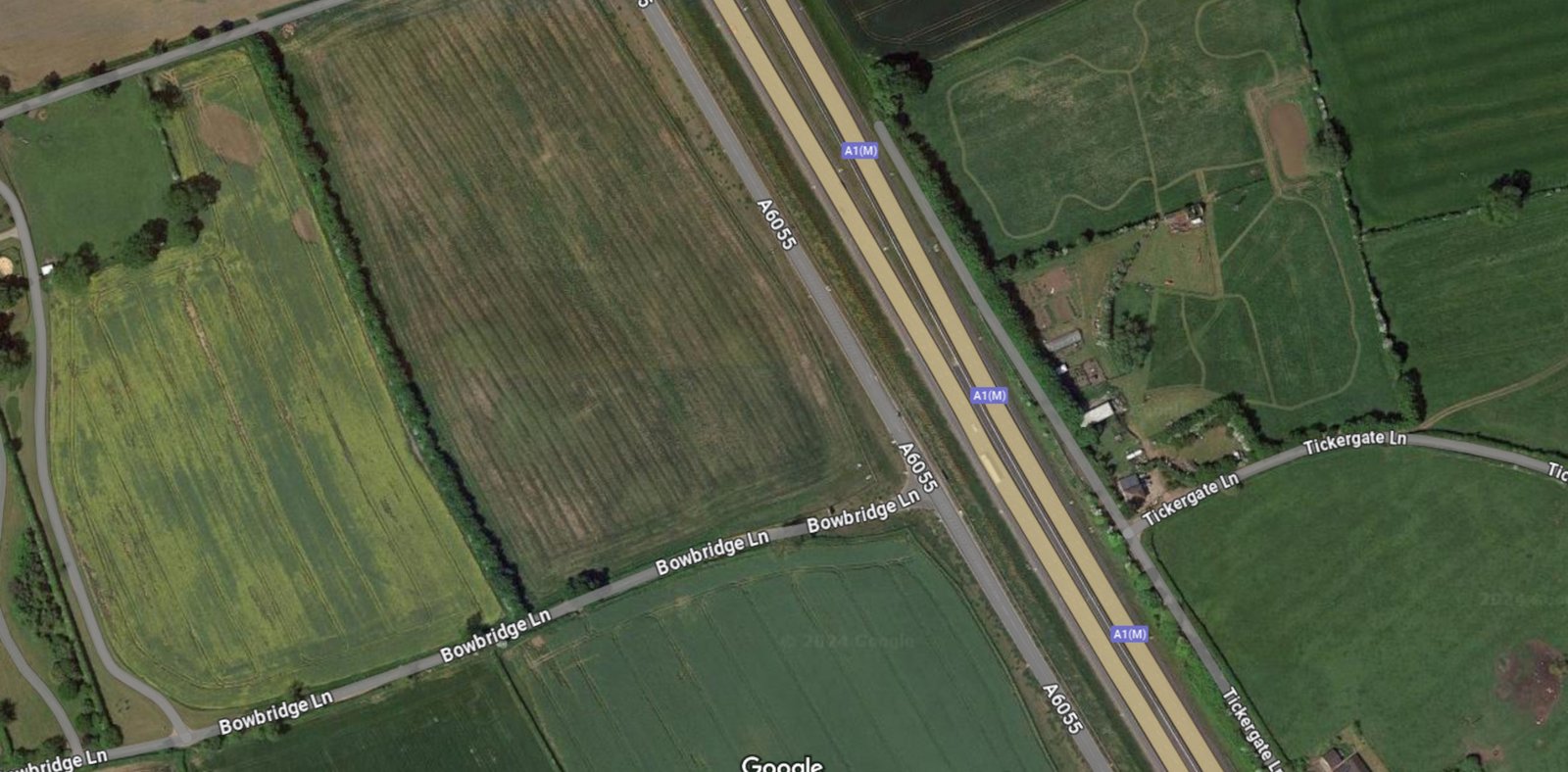
Finally, many henges sit amid fields of Long Barrows, cursus avenues, pit alignments and pit-circle “post avenue” structures. Modern remote-sensing and big motorway digs—such as those along the A1 near Catterick—show that the henge was usually only the last flourish within a landscape that had been receiving ceremonial investment for centuries.

So, when archaeologists classify a site as a Class I, II or III henge, that label describes only the bank, ditch and entrances. To understand the monument in use we must look outward—to the circles, mounds, avenues, later intrusions and sight-lines that fuse individual earthworks into a much larger choreography of places, movements and memories.

Glossary

Henge — A late-Neolithic or very early Bronze-Age circular earthwork defined above all by a ditch that lies inside a surrounding bank, deliberately separating a formally bounded interior from the wider landscape. Diameters range from thirty to more than four hundred metres, and the enclosed area need not contain stones or timber rings; the defining criterion is the “ditch-inside-bank” arrangement, which distinguishes a henge from a hill-fort or cursus. Most British examples cluster in lowland England and southern Scotland and date—by radiocarbon and artefact association—to about 3100–2000 BC.

Class I Henge — A henge with a single, clearly defined entrance break. The blank circumference forces all movement into one controlled point, giving these monuments an especially theatrical approach. Good examples are King Arthur’s Round Table in Cumbria and North Mains in Strathearn. Class I rings vary widely in diameter, but typically enclose between half a hectare and two hectares.

Class II Henge — The most common type: a circular bank and internal ditch pierced by two opposed entrances, usually aligned close to the north-south axis. Thornborough South, Catterick and Stonehenge’s outer circuit all belong here. Two entrances facilitate processional movement straight through the arena and reinforce the idea that the interior was as much a route as a destination.

Class III Henge — A rarer form distinguished by four roughly equidistant gaps that divide the circuit into quadrants. The best-known instance is Avebury in Wiltshire. The quadruple portals invite cross-movement and may mark links to solstitial sunrise and sunset as well as lunar extremes, suggesting a more elaborate cosmological programme than the single- or double-entrance rings.

Hengiform Monument — A diminutive relation of the true henge, usually five to twenty metres across, with a proportionately slight bank and ditch and a single entrance gap. Because the enclosed area is small—sometimes barely large enough for two or three people—archaeologists treat hengiforms as shrines or mortuary enclosures rather than full ceremonial arenas.

Henge Enclosure (Super-henge) — An exceptionally large example, normally over three hundred metres in diameter, where the scale tips the balance toward being a monumental precinct rather than a simple ring. Durrington Walls (450 m across) and Marden (520 m) fall into this bracket. Their vast interiors contain subsidiary timber circles, pits and buildings, implying gatherings of several hundred people.

Bank-only Henge — A variant built entirely from redeposited gravel, cobbles or chalk without any encircling ditch. Mayburgh (Cumbria) and Catterick (North Yorkshire) illustrate the type. The absence of a ditch challenges neat typologies but the inner-bank idea remains intact, so most authors include these as henge derivatives.

Hengiform Classification System (Atkinson Classes) — Richard Atkinson’s 1950s framework that sorts henges primarily by the number and arrangement of entrances. Although later scholars have added qualifiers—such as “IA” for a single-entrance ring with multiple ditches—the basic three-class scheme still underpins catalogue work and distribution mapping.

Guide – Exploring the Past with LIDAR

Exploring the Past with LIDAR: A Revolutionary Tool for Archaeology

Imagine being able to see the landscape around you in a completely new way—an invisible layer revealing the hidden structures of the past, right beneath the surface. This is the power of LIDAR (Light Detection and Ranging), a technology that has revolutionized archaeology and landscape studies. In this article, we’ll take a look at how LIDAR works, where to find LIDAR data, and how to interpret it to uncover the secrets of your local landscape.

What is LIDAR?

LIDAR is a remote sensing method that uses laser light to measure distances between a sensor and the Earth’s surface. The LIDAR sensor sends out rapid pulses of laser light, and by measuring the time it takes for these pulses to bounce back, the system can create incredibly accurate three-dimensional maps of the terrain.

This technology is particularly useful in archaeology because it allows researchers to “see through” dense vegetation and other obstructions. By scanning large areas from the air (usually via a plane or drone), LIDAR can reveal ancient structures, pathways, and other features hidden beneath the canopy or soil—features that would be nearly impossible to detect with traditional methods.

How Does LIDAR Work?

The basic process of LIDAR involves the following steps:

Emission of Laser Pulses

A laser is emitted from an aircraft or drone, directed towards the ground below.

Data Collection

The laser pulses bounce off the surface and return to the sensor. By measuring the time it takes for each pulse to return, LIDAR systems can calculate the distance between the sensor and the surface below.

Data Processing

The return time for each pulse is converted into highly detailed 3D point clouds, which represent the topography of the area. These point clouds can then be used to generate highly accurate digital elevation models (DEMs) or surface models.

Analysis and Visualization

These models can be further processed to reveal features like ancient structures, roads, and Earthworks, offering archaeologists and researchers a clearer picture of past human activity.

Where Can You Access LIDAR Maps?

LIDAR data is often collected by government agencies, research institutions, and private companies. Thankfully, several free LIDAR mapping services allow public access to this valuable data. Below are a couple of resources where you can explore LIDAR data for your own area:

UK LIDAR Data Service (UK LIDAR Data)

Managed by the UK Environment Agency, this service provides free access to high-resolution LIDAR data for England, Wales, and Northern Ireland. It allows users to view and download data in various formats, which can be helpful for understanding the terrain and identifying archaeological sites.

OpenTopography (OpenTopography)

OpenTopography is an international platform that offers free access to LIDAR datasets from across the globe, including many archaeological regions. The site provides downloadable data for creating DEMs and other visual models, enabling users to view topography in more detail.

Differences Between the Services

Both of these LIDAR mapping services offer free access to LIDAR data, but there are a few differences to consider:

Coverage Area

The UK LIDAR Data Service focuses specifically on the UK, while OpenTopography offers datasets from various countries around the world. If you’re interested in a global scope or specific international sites, OpenTopography might be your best choice.

Data Access and Usability

UK LIDAR allows for direct access to high-resolution data files that can be easily imported into GIS software, while OpenTopography offers a user-friendly interface for visualizing the data before downloading. If you’re new to LIDAR mapping, OpenTopography’s interactive map can be a great way to explore the data visually before downloading raw datasets.

Maximum Depth of Petentration and Accuracy

The maximum theoretical depth of LiDAR (Light Detection and Ranging) can vary based on the specific type of LiDAR technology being used, particularly when it comes to bathymetric LiDAR, which is designed to measure underwater depths. Here are some key points regarding the maximum depths achievable with LiDAR:

General Depth Range

LiDAR can typically measure depths from about 0.9 to 40 meters (approximately 3 to 131 feet) in water. The exact depth can depend on water clarity and the specific LiDAR system used.

Bathymetric LiDAR

Bathymetric LiDAR systems are specifically designed for underwater measurements and can achieve maximum depths of around 2.84 meters (approximately 9.3 feet) in certain conditions, such as at the edge of a pool or in clear water.

Theoretical Models

Some theoretical models suggest that satellite photon-counting LiDAR can analyze maximum bathymetric depths, but these models are often complex and depend on various environmental factors.

Vertical Accuracy

The vertical accuracy of LiDAR measurements in water is generally around 15 centimeters (about 6 inches), which is crucial for applications requiring precise depth measurements.

In summary, while the maximum theoretical depth of LiDAR can reach up to 40 meters in ideal conditions, practical applications often see effective measurements in the range of 0.9 to 2.84 meters depending on the technology and environmental factors.

How to View Your Own Area on LIDAR

Now that you have access to LIDAR data, you can start exploring your local area. To get started:

Visit the LIDAR Service Website

Go to either the UK LIDAR Data Service or OpenTopography, depending on your region.

Search for Your LocationEnter the location you’re interested in (e.g., your town, village, or any region of archaeological interest) into the search bar or use the map interface to navigate to your area.

Select Data Layers

Many platforms will allow you to overlay different layers, such as terrain models or vegetation indices. You can often choose between raw elevation data or more processed versions, such as shaded relief maps, which can help bring the features of the landscape to life.

Explore the Data

Once you’ve located your area, zoom in and start examining the terrain. You might begin to notice subtle features—like circular depressions, straight lines, or embankments—that could be clues to ancient settlements, roadways, or other archaeological features. These features are often hidden to the naked eye but come to life in the LIDAR data.

How to Interpret What You’re Seeing

Interpreting LIDAR data requires a bit of practice, but here are some general tips for reading the maps:

Elevation Models

Digital Elevation Models (DEMs) can show the height of the terrain. Areas that are more elevated, such as hills or mounds, may indicate the presence of ancient structures, burial mounds, or defensive earthworks.

Point Clouds: The point cloud representation shows the distribution of laser points on the surface. Look for patterns in the density and clustering of points, which may hint at man-made features. For example, straight lines may indicate roads, walls, or boundary markers.

Shaded Relief Maps

These maps provide a more visually accessible way to view the landscape’s features. Shadows are used to accentuate changes in elevation, making it easier to spot features such as ditches, mounds, or roads that may have been built by past societies.

Encouraging Your Own Adventure

By using LIDAR, you’re not just looking at a map—you’re uncovering a hidden world that’s waiting to be discovered. It’s like stepping into the shoes of an archaeologist or explorer, finding clues to our shared history right in your own backyard. Even if the terrain seems unremarkable at first glance, LIDAR can reveal the subtle traces of human activity that lie just beneath the surface.

So, grab your binoculars, explore the hidden topography of your area, and let the journey of discovery begin. Who knows what ancient roads, forgotten ruins, or hidden villages might be waiting to be uncovered?

Professional LIDAR Services: Unlocking Precise 3D Mapping

While free LIDAR mapping services provide a fantastic entry point for exploring the landscape, professional LIDAR services offer higher-resolution data, more advanced processing capabilities, and tailored solutions for complex archaeological or geographical projects. These services are often used by research institutions, governments, engineering firms, and private companies to gather highly accurate data over large areas. Professional LIDAR services also allow for more precise interpretation of the data, particularly in environments that require specialized expertise.

How Professional LIDAR Services Work

Professional LIDAR services typically involve the following process:

Data Collection

Professional LIDAR data is typically collected by aircraft or drones equipped with LIDAR sensors. These sensors emit laser pulses and record the time it takes for them to return, measuring the distance to the ground below. Data is collected for both the surface and vegetation layers, allowing for detailed topographic mapping.

Point Cloud Processing

After data collection, the LIDAR point clouds (3D data points) are processed and cleaned to create digital elevation models (DEMs), which can then be used to generate 3D models of the terrain. These models can include both visible and subsurface features, depending on the capabilities of the LIDAR system used.

Customized Data Output

Professional services often offer more advanced post-processing and analysis options, including tailored visualizations, contour maps, and 3D terrain models, specifically designed for archaeological, environmental, or engineering needs.

Project-Specific Analysis

With professional LIDAR services, you can get more accurate and detailed analysis, such as feature identification, vegetation analysis, or flood risk assessment. In archaeology, this can mean uncovering subtle earthworks, hidden structures, or ancient pathways that would be otherwise invisible to the naked eye.

Popular Professional LIDAR Services

Here’s a list of resources and services that provide professional LIDAR data and technology. These services are often tailored to specific industries, and they typically require purchasing or contracting services for data collection and analysis:

Riegl LIDAR (Riegl LIDAR)

Riegl is a leader in the field of professional LIDAR systems and sensors. They offer a wide range of LIDAR solutions for terrestrial, airborne, and mobile mapping applications. Their systems are used in topographic surveys, archaeology, forestry, and environmental studies.

Leica Geosystems (Leica Geosystems)

Leica offers a broad range of professional LIDAR systems and services. They specialize in high-precision, 3D data collection for industries such as construction, mining, and archaeology. Leica provides both hardware for LIDAR collection and software tools for data processing and analysis.

Optech (Teledyne) (Optech)

Optech, now part of Teledyne, provides advanced LIDAR systems for airborne and terrestrial mapping. Their products are used for applications ranging from archaeology and forestry to floodplain mapping and environmental monitoring.

Topcon Positioning Systems (Topcon Positioning Systems)

Topcon offers LIDAR systems that are suitable for a wide range of mapping projects, including those in the civil engineering and infrastructure sectors. Their solutions include airborne, mobile, and ground-based LIDAR systems.

Surdex Corporation (Surdex)

Surdex provides professional LIDAR mapping services, offering high-resolution data collection for industries such as mining, forestry, and land development. They provide both LIDAR data collection and processing services tailored to their clients’ needs.

Quantum Spatial (Quantum Spatial)

A provider of geospatial solutions, Quantum Spatial specializes in high-accuracy LIDAR data collection and analysis for government agencies, environmental monitoring, and infrastructure planning. They are known for their expertise in applying LIDAR technology to large-scale mapping projects.

Aerometric (Aerometric)

Aerometric provides airborne LIDAR data collection services for the environmental and natural resource sectors. They specialize in topographic and bathymetric LIDAR services, offering detailed mapping solutions.

3D Laser Mapping (3D Laser Mapping)

3D Laser Mapping offers both hardware and software solutions for LIDAR applications. They specialize in providing highly accurate data for mining, construction, archaeology, and urban planning projects.

Further Information and Resources

LIDAR 101: Introduction and Applications – An introductory guide on how LIDAR works, its applications, and industries that use it. 

LiDAR Technology Overview from NASA – A detailed explanation of LIDAR technology, how it’s used in Earth sciences, and its contributions to environmental monitoring. Explore here

The LIDAR Magazine – A publication dedicated to LIDAR news, technologies, and trends in the geospatial industry. Visit here

LIDAR News – Another valuable resource for LIDAR news, case studies, and technology developments. Visit here

LIDAR is a powerful tool, and with these resources, you can explore how professional services can be used to create high-precision maps and models for your specific needs. Whether you’re involved in archaeology, environmental studies, or simply interested in understanding the landscape in new ways, these professional LIDAR services can unlock a wealth of information hidden beneath the surface.

Vitrified Forts: Glossary of Terms

Glossary

glossary” by Phil Knall is licensed under CC BY-NC 2.0

Glossary of terms

Incipient vitrification – The earliest, lightest degree of firing in a fort wall: only a skin of glass coats scattered stones, and the original drystone fabric remains recognisable.

Patchy / partial vitrification – Intermediate stage where continuous strings or lenses of fused rock appear in some stretches of rampart, but unmelted rubble still dominates elsewhere.

Thorough / total vitrification – Extreme state in which most of the wall’s length and thickness have coalesced into a single glassy or slag-like mass, leaving little sign of the original masonry.

Melt fraction (melt percentage) – The volumetric proportion of the wall that has turned to glass; quantified in thin-section or image analysis and used as an objective scale of vitrification.

Petrographic criterion – A microscopic standard (e.g., <10 %, 10–50 %, >50 % melt) applied to rock thin-sections to decide which vitrification class a sample belongs to.

Archaeomagnetic dating – Technique that dates the last heating of a wall by matching the direction of its locked-in magnetic field to regional records of Earth’s past field changes.

Thermoluminescence (TL) dating – Method that dates the last firing event by measuring the stored radiation energy released as light when samples are reheated in the laboratory.

Timber-laced core – Rampart construction in which horizontal and vertical timbers are woven through a rubble interior; when burned, the vanished wood leaves glassy tunnels or strings.

Timber-reveted front – Wall built as a timber-framed box faced externally with wood and filled with stone; vitrification mainly affects the outer façade where the timbers stood.

Stone-only wall – Rampart built without timber reinforcement; any vitrification results from heat applied externally (e.g., bonfires) rather than from internal fuel.

Destructive vitrification – Melting produced by an intentional attack or clearance fire after occupation, evidenced by thick destruction debris sealed beneath the glassy layer.

Creative vitrification – Hypothesised practice of purposefully fusing walls during construction to strengthen them; now considered rare and structurally dubious for quartz-rich rocks.

Incidental vitrification – Localised glass formation caused by accidental natural fires or lightning strikes rather than deliberate human action.

Glass connectivity – Measure of how well individual melt patches join up to form a continuous network, controlling both wall strength and archaeomagnetic reliability.

Micro-computed tomography (micro-CT) – High-resolution X-ray scanning that reveals the three-dimensional distribution of melt versus unmelted grains inside vitrified stone.

Slag – A dense, amorphous, glass-rich residue resembling industrial furnace waste; in forts, it forms when wall materials reach temperatures above roughly 1000 °C.

Rubble core – The interior packing of small stones and soil inside many ramparts; its composition and moisture content strongly influence how (and whether) vitrification proceeds.

Façade slabs – Dressed or roughly coursed outer facing stones that give a rampart its finished look; they often show the clearest evidence of surface fusion.

Hillfort rampart – The defensive embankment encircling an Iron-Age hilltop settlement; when partly or wholly vitrified, it becomes the key feature for classification studies.


Secular-variation (SV) curve – A time-series showing how the direction and strength of Earth’s magnetic field have drifted in a given region. By matching a wall’s frozen magnetic vector to the appropriate segment of the curve, archaeomagnetists can convert that vector into a calendar firing date.

Thermoremanent magnetisation (TRM) – The stable magnetic signal a rock or slag acquires when it cools from above its Curie temperature in Earth’s field. TRM is what archaeomagnetic dating actually measures in vitrified ramparts.

Palaeointensity (archaeomagnetic intensity) – The absolute strength of Earth’s field recorded in a TRM. Determining palaeointensity from oriented wall chips can date a firing event even when directional data are distorted.

Optically Stimulated Luminescence (OSL) dating – A method that estimates the last time quartz or feldspar grains were exposed to light. Experimental work applies it to the glassy skins of vitrified stones, where TL dosimetry is problematic.

Radiocarbon (^14C) dating – Age determination based on the radioactive decay of ^14C in short-lived organic remains (e.g., charcoal) sealed by the vitrification event. Provides an independent check on archaeomagnetic or TL results.

Dendrochronology – Tree-ring dating that assigns calendar years to timbers by matching growth-ring patterns to master chronologies. Rare in vitrified forts because the firing usually destroys the wood, but invaluable when preserved.

Bayesian SV model – A statistical framework that combines many dated magnetic records (kiln, lava, fort, etc.) to build a more precise regional SV curve and to re-evaluate legacy archaeomagnetic datasets.

Internal dosimetry (dose rate) – The calculation of ionising-radiation dose that a sample has absorbed since its last heating or light exposure; critical for converting TL or OSL signal intensities into absolute ages.

Micromorphology – Thin-section analysis of soils and burned deposits at the microscopic scale. In vitrified forts it helps confirm whether charcoal, ash, and glass belong to a single high-temperature episode.

Calibrated firing date – A calendar age obtained after correcting a raw laboratory result (e.g., radiocarbon years BP or TL equivalent dose) with appropriate calibration curves or dose-rate data, producing the best-estimate “real-world” date of wall vitrification.

Neutron tomography – A 3-D imaging method that uses neutrons (rather than X-rays) to penetrate dense silicates while highlighting light elements such as charcoal and water. It exposes hidden timber voids and moisture pathways in vitrified blocks without cutting them, refining draught and fracture models.

Laser-ablation ICP-MS (LA-ICP-MS) – A microanalytical technique in which a laser drills 10–100 µm pits whose vapour is fed to an inductively coupled plasma mass-spectrometer. It maps trace-element fingerprints across glass skins or stone faces, proving quarry source or imported “flux” blocks at ppm resolution.

MC-ICP-MS – Multi-collector ICP-MS that measures isotope ratios (e.g., ⁸⁷Sr/⁸⁶Sr, ¹⁴³Nd/¹⁴⁴Nd) on 5–10 mg chips. It ties wall fragments or metallic droplets to specific bedrock areas or ore fields, testing long-distance transport hypotheses without large destructive samples.

Distributed fibre-optic sensing (DTS) – A single optical fibre laid through the wall acts as thousands of thermocouples, returning temperature every metre, every second. It captures full rampart thermal histories for calibrating CFD heat-budget models.

Acoustic-emission (AE) monitoring – Piezo sensors record high-frequency crack sounds during firing. Sudden AE bursts flag spalling or impending collapse, allowing safe shutdowns and giving real-time data on when the wall gains or loses structural integrity.

Micro-indentation – A pointed probe presses into the stone or glass during and after firing; force vs. displacement yields hardness and modulus. It tracks strength gain continuously, directly testing the “structural-strengthening” hypothesis.

Coupled CFD–DEM modelling – High-performance simulations that join Computational Fluid Dynamics (air, flames, gases) with Discrete Element Models (individual blocks). They predict temperature fields, block movement and collapse before lighting the real wall, optimising sensor layout and safety.

Bayesian hierarchical modelling – A statistical framework that fuses radiocarbon, OSL and archaeomagnetic dates while respecting stratigraphy and phase priors. It shrinks dating uncertainty to decades and allows explicit tests of “inner wall burned before outer” scenarios.

Spatial hotspot statistics (Getis–Ord Gi, Moran’s I)* – Quantitative measures of whether forts, hoards or quarries cluster more than random chance. They convert qualitative “clusters” into significance levels that can be compared with geology or migration routes.

Least-cost-path and network modellingGIS algorithms that compute the easiest routes for hauling timber or stone and inter-visibility networks between forts. They quantify logistical feasibility and warning-line effectiveness in refuge or attack scenarios.

Agent-based simulation (ABM) – Virtual populations that follow behavioural rules (e.g., flee, fortify, burn) in a landscape. Repeated runs generate testable predictions about how often vitrification should occur under different threat levels and resource constraints.

Explainable AI (XAI) classifiers – Machine-learning models (e.g., gradient-boosted trees with SHAP values) that sort stones or glass samples by provenance while revealing which elements drive each decision. They provide courtroom-level sourcing proof without the “black box” problem.

Linked-Open-Data & FAIR repositories – Publishing raw sensor logs, 3-D models and code in formats that are Findable, Accessible, Interoperable and Reusable. LOD/FAIR pipelines let other teams re-analyse or merge datasets instantly, accelerating cross-site synthesis.

Interactive visual-analytics dashboards (Kepler.gl, Plotly Dash) – Browser tools that fuse LiDAR terrain, live temperature feeds and melt-fraction rasters with time sliders. They offer real-time situational awareness during burns and intuitive post-mortem exploration for all stakeholders.

Unconfined Compressive Strength (UCS) – The maximum axial load a material withstands before failure without lateral support. Measuring UCS before and after firing quantifies any true strengthening gained from vitrification, a critical test of the “structural-enhancement” hypothesis.

Archaeomagnetic dating – A chronometric technique that compares the orientation and intensity of magnetic minerals locked in burnt features (such as vitrified ramparts or hearths) with master curves of the Earth’s past magnetic field. Once a wall has cooled below its Curie point, the signal is fixed, giving a destruction-by-fire date that can be as precise as ±50 years for the last 2 ½ millennia.

Optically Stimulated Luminescence (OSL) – Method for dating the last time quartz or feldspar grains were exposed to sunlight. Useful for earthen ramparts or buried wall-cores: a small sample is light-stimulated in the lab; the emitted photons reveal how long the grains have been shielded, yielding construction or infill ages up to 200 kyr.

Micro-CT (micro–computed tomography) – High-resolution X-ray scanning that builds a 3-D model of internal structures in stone, slag or bone. For vitrified forts it visualises timber voids, melt zones and gas bubbles without destroying specimens, refining fire-temperature estimates and construction models.

Ring-headed pin – An Iron-Age dress fastener whose shank ends in a basal ring rather than a solid head. Dunagoil finds defined the “Dunagoil series”, dating to c. 300–50 BC and acting as a cultural tracer across Atlantic Scotland and Ireland.

La Tène brooch – Spring-bow brooches inspired by continental La Tène art (late Iron Age Switzerland–France). Scottish examples, like the Dunagoil piece, mark high-status contacts c. 250–100 BC and help peg fort occupations to the wider European timeline.

Lime-burp (mortar) dating – Radiocarbon technique that measures CO₂ re-absorbed by lime mortar as it cures. Applied to medieval tower houses built atop Iron-Age forts, it can separate masonry phases decades apart when no charred timber is available.

Slag vesicle analysis – Study of bubble size and distribution within vitrified wall-glass. Bubble geometry reflects cooling rate and wood-fuel load, offering clues to whether walls were fired quickly in warfare or slowly in controlled “bake-out” rituals.

Gateless oblong fort – A regional class of NE-Scottish hillforts (e.g., Dunnideer) with straight-sided, elongated plans and no visible doorway breaks in their timber-laced, vitrified walls—suggesting entries were via removable ladders or timber galleries.

Terrace-house platform – Sub-rectangular cut or build-up against a slope that provides a level stance for timber roundhouses. On forts like Dunnideer these platforms, now grassed-over shelves, hint at dense garrison-style interior occupation.

Charcoal lens – A discrete, often centimetres-thick layer of burnt wood trapped within rampart debris. These lenses, once dated or analysed for species, pinpoint the conflagration event and reveal the types of woodland harvested to fuel fort-burning.

Guide: Common Features of Iron Age Hillforts

Common Features of Iron Age Hillforts

Throughout Europe in the Iron Age, many seemingly defensive structures were built. Often these were based upon earlier structures, including Barrows and cursus monuments of a seemingly “ritual” nature. More recently, archaeologists have started to reconsider the nature of many hillforts, and it may eventually no longer serve as an adequate description for many fort-likestructures.

This article attempts to serve as a guide for many of the features of the hillforts found in Britain, in particular. It explains the basic elements of the design and structure of a hillfort.

Ramparts

Description: Ramparts are a crucial element of hillfort and defensive Earthwork design in the British Iron Age. They are essentially artificial embankments or mounds of earth and stone, often incorporating a ditch (or multiple ditches) at their base.

Their primary function was defensive, providing a raised platform for defenders to survey the surrounding area and launch attacks, while the ditch acted as an obstacle to hinder attackers. The construction of ramparts involved significant labour, reflecting the importance of these structures in the social and political organization of Iron Age communities.

Their size and complexity varied considerably, depending on factors such as the available resources, the perceived threat level, and the strategic location of the hillfort. Analysis of rampart construction can reveal valuable insights into Iron Age building techniques and societal organization. The materials used often included earth, stone, and timber, sometimes strengthened with palisades or other defensive structures.

Timber-laced ramparts

The term “timber-laced” ramparts refers to a specific construction technique used in some hillforts and defensive structures, particularly during the British Iron Age. Here’s a breakdown of what this means:

  • Reinforcement: timber-laced ramparts are essentially earth and stone ramparts that are reinforced with a framework of timber. This framework consists of both vertical and horizontal timbers that are tied together, creating a rigid structure.
  • Construction Technique: The timber lacing was designed to provide additional strength and stability to the ramparts. By integrating timber into the Earthworks, builders could enhance the rampart’s durability against attacks and erosion.
  • Historical Examples: While most evidence of timber-laced ramparts comes from continental Europe, there are notable examples in Britain, such as at Castle Law in Scotland. These structures showcase the ingenuity of Iron Age builders in utilizing available materials to create formidable defences.
  • Functionality: The combination of earth, stone, and timber not only made the ramparts more resilient but also allowed for a more complex defensive strategy. The timber could absorb some of the impact from projectiles, while the earth and stone provided a solid barrier.

Defensive Ditches

Defensive ditches were a common feature of hillforts and other defensive earthworks during the Iron Age. Here’s a breakdown of their purpose, construction, and significance:

Purpose

  • Obstacle: The primary function of a ditch was to act as an obstacle, hindering any potential attackers. They created a physical barrier that invaders had to overcome before reaching the ramparts or other defensive structures.
  • Delay: Ditches were designed to slow down attackers, giving defenders more time to prepare and react. This delay could be crucial in repelling an assault.
  • Psychological Effect: The presence of a deep ditch could also have a psychological impact, intimidating attackers and making them think twice before engaging.

Construction

  • Excavation:  Ditches were created by excavating the earth, often using tools like picks, shovels, and baskets. The excavated material was typically used to build the ramparts or other earthworks.
  • Shape and Size: The shape and size of ditches varied depending on the specific site and the resources available. Some ditches were V-shaped, while others were U-shaped or even boxs-haped. The depth and width of the ditches could range significantly, from a few meters to several meters deep and wide.
  • Placement: Ditches were strategically placed around the perimeter of the hillfort or earthwork. They were often located outside the ramparts, creating a layered defence system.

Features and Variations

  • Multiple Ditches: Some sites featured multiple ditches, creating a more complex and formidable defence. These multiple ditches would have been even more challenging for attackers to overcome.
  • Water-filled Ditches: In some cases, ditches may have been filled with water, creating a moatlike barrier. This would have added another layer of defence and made it even more difficult for attackers to approach.
  • Outworks: Some ditches were accompanied by outworks, such as counter-ramparts or berms, which added further complexity and enhanced the defensive capabilities of the site.

Significance

  • Defence Strategy: Defensive ditches were a key element of Iron Age defence strategies, providing a physical barrier, slowing down attackers, and enhancing the overall defensive capabilities of the site.
  • Engineering Skills: The construction of ditches required significant engineering skills and labour, reflecting the organizational capabilities of Iron Age communities.
  • Social and Economic Implications: The effort required to construct ditches suggests a strong social organization and the ability to mobilize resources for defence.
  • Defensive ditches were an essential component of Iron Age fortifications, demonstrating the ingenuity and defensive strategies of the time.

Yes, defensive ditches often included spikes or stakes to enhance their defensive capabilities! Here’s how they were utilized:

Defensive Spikes in Ditches

Purpose

Obstacle: Spikes served as a physical barrier, making it difficult for attackers to cross the ditch.
Deterrent: The presence of sharp stakes could intimidate potential invaders, discouraging them from attempting to breach the defences.

Construction

  • Materials: Typically made from wooden stakes, often sharpened at one end to create a point.
  • Placement: These spikes were often driven into the ground at the bottom of the ditch or along its edges, creating a formidable barrier.

Historical Examples

  • In some Iron Age settlements, ditches were densely packed with stakes of oak that had been hammered into the bottom, providing an additional layer of defence.
  • The cheval de frise, a type of portable spike barrier, was also used in various historical contexts, including by Julius Caesar, to protect against cavalry and infantry.

Effectiveness

  • The combination of a deep ditch and spikes created a multi-layered defence, significantly increasing the difficulty for attackers to approach the ramparts.

Incorporating spikes into defensive ditches was a strategic choice that reflected the ingenuity of Iron Age communities in fortifying their settlements.

Types of Hillfort based on the number of Defensive Ditches

The terms univallate and multivalate refer to different types of hillforts based on their defensive structures. Here’s a detailed breakdown of each term:

Univallate Hillforts

Definition

A Univallate hillfort is characterized by a single line of ramparts that encloses the settlement. This means there is only one circuit of defensive earthworks.

Features

  • Typically, simpler in design compared to multivalate hillforts.
  • Often constructed during the later Bronze Age and Iron Age in northwest Europe.
  • The single rampart provides a basic level of defence, suitable for smaller communities or less threatened areas.
  • Many univallate hillforts can be found across England, such as Castercliff Iron Age hillfort.

Multivalate Hillforts

Definition

A multivalate hillfort features multiple lines of ramparts, which can include two or more concentric earthworks. This design offers enhanced defensive capabilities.

Features

  • More complex and robust than univallate hillforts, providing greater protection against attacks.
  • The additional ramparts create layers of defence, making it more challenging for invaders to breach the fortifications.
  • Often associated with larger communities or areas that faced significant threats.
  • Notable examples include the Hambledon Hill and other large multivalate hillforts found throughout Britain.

Comparison Table

Feature Univallate Hillforts Multivalate Hillforts
Ramparts Single line Multiple lines
Complexity Simpler design More complex and robust
Defence Level Basic defence Enhanced defence
Community Size Smaller communities Larger communities
Historical Period Later Bronze Age and Iron Age Late Bronze Age to Iron Age

Hillfort Entrances

The entrances of hillforts were critical points of defense, and various strategies were employed to protect them effectively.

Defensive Strategies for Entrances

Design and Layout

  • Narrow Entrances: Many hillforts featured narrow entrances that funneled attackers into a confined space, making it easier for defenders to target them.
  • Zigzag Paths: Some entrances were designed with a zigzag approach, which forced attackers to slow down and made it harder for them to charge directly into the fort.

Barriers and Obstacles

  • Timber Gates: Heavy wooden gates were often used to block the entrance. These gates could be reinforced with iron fittings for added strength.
  • Spikes and Pits: As mentioned earlier, spikes or sharpened stakes could be placed at the entrance or in front of it, creating a physical barrier that deterred attackers.
  • Ditches: Defensive ditches were often positioned right in front of the entrance, adding an extra layer of difficulty for anyone trying to breach the fort.

Defensive Structures

  • Guardhouses: Some hillforts included small structures or platforms near the entrance where guards could keep watch and defend against intruders.
  • Palisades: Wooden palisades could be erected around the entrance area, providing additional protection and a visual deterrent.

Strategic Use of Terrain

  • Natural Features: Entrances were often located in areas where natural features, such as cliffs or steep slopes, could be used to enhance defense.
  • Visibility: The positioning of entrances was typically chosen to maximize visibility for defenders, allowing them to spot approaching threats early.

Community Defense

  • Mobilization of Defenders: In times of attack, the community could quickly mobilize to defend the entrance, utilizing their knowledge of the terrain and fortifications to their advantage.
  • Use of Projectiles: Defenders could use slings, bows, or other projectile weapons from elevated positions near the entrance to target attackers effectively.

The defense of entrances in Iron Age hillforts was a multifaceted approach that combined architectural design, natural terrain, and community organization. These strategies not only protected the inhabitants but also reflected the ingenuity and resourcefulness of Iron Age societies.

Types of Hillfort Entrance

The entrances of Iron Age hillforts varied significantly in design and complexity, reflecting different defensive strategies and community needs.

Simple Entrances

  • Definition: Simple entrances typically consist of straightforward openings in the ramparts, often featuring a basic gate structure.
  • Characteristics:
    • Single Opening: Usually just one entrance that provides direct access into the hillfort.
    • Basic Design: May include a wooden gate or a simple barrier but lacks intricate defensive features.
    • Limited Defense: These entrances are easier to breach, as they do not incorporate advanced defensive mechanisms.
    • Examples: Early hillforts like Danebury began with simple entrances, often facing specific directions (e.g., east and west).

Complex Entrances

  • Definition: Complex entrances are characterized by elaborate designs that enhance defensive capabilities and control access.
  • Characteristics:
    • Multiple Features: Often include zigzagging paths or multiple gates, creating a more challenging approach for attackers.
    • Defensive Structures: May incorporate additional barriers, such as spikes, ditches, or overlapping ramparts, to deter invaders.
    • Strategic Design: The layout is often designed to funnel attackers into a confined space, making them vulnerable to defenders.
    • Examples: Later Iron Age hillforts exhibit these complex entrances, which were strategically placed to minimize exposure to attack.

Comparison Table

Feature Simple Entrances Complex Entrances
Design Basic opening Elaborate, often zigzagging
Number of Gates Typically one Multiple gates or barriers
Defensive Features Minimal (basic gate) Enhanced (spikes, ditches, etc.)
Accessibility Easier for attackers More challenging for attackers
Historical Examples Early hillforts like Danebury Later Iron Age hillforts

The evolution from simple to complex entrances in hillforts reflects advancements in defensive strategies and the increasing need for protection as communities grew and faced greater threats.

Hillfort Classification

Absolutely! Hillforts can be classified into several categories based on their location, design, and construction techniques. Here’s an overview of some key classifications, including promontory hillforts:

Promontory Hillforts

  • Definition: Promontory hillforts are defensive structures situated on elevated land, typically on a cliff or headland, which provides natural defenses.
  • Characteristics:
    • Natural Defenses: They are often surrounded by steep cliffs on one or more sides, making them difficult to attack.
    • Access: Usually connected to the mainland by a narrow neck of land, which can be easily defended.
    • Examples: Notable examples include the Hillsborough Promontory Hillfort in North Devon and various Cornish Promontory forts.

Hilltop Hillforts

  • Definition: These are located on the summits of hills or mountains, taking advantage of the height for visibility and defense.
  • Characteristics:
    • Visibility: Their elevated position allows for early warning of approaching threats.
    • Construction: Often surrounded by ramparts and ditches to enhance defense.
    • Examples: Sites like Danebury and Maiden Castle are classic hilltop hillforts.

Valley Forts

  • Definition: These hillforts are situated in valleys, often utilizing the natural landscape for defense.
  • Characteristics:
    • Surrounding Terrain: They may be surrounded by hills or other natural barriers, providing a defensive advantage.
    • Access Points: Typically have fewer access points, making them easier to defend.
    • Examples: Some lesser-known sites in the UK fall into this category.

Multivalate Hillforts

  • Definition: These hillforts feature multiple lines of ramparts, providing enhanced defensive capabilities.
  • Characteristics:
    • Complex Design: The multiple ramparts create layers of defense, making it more challenging for attackers.
    • Community Size: Often associated with larger communities or areas facing significant threats.
    • Examples: Hambledon Hill and Maiden Castle are well-known multivalate hillforts.

Univallate Hillforts

  • Definition: Characterized by a single line of ramparts enclosing the settlement.
  • Characteristics:
    • Simpler Design: Typically less complex than multivalate hillforts, suitable for smaller communities.
    • Basic Defense: Provides a basic level of defense, often found in less threatened areas.
    • Examples: Many univallate hillforts can be found across England.

Comparison Table of Hillfort Classifications

Classification Location Defensive Features Examples
Promontory Hillforts Cliffs/Headlands Natural cliffs, narrow access Hillsborough, Cornish forts
Hilltop Hillforts Hilltops Ramparts, elevated visibility Danebury, Maiden Castle
Valley Forts Valleys Surrounded by hills, fewer access Lesser-known UK sites
Multivalate Hillforts Various Multiple ramparts Hambledon Hill, Maiden Castle
Univallate Hillforts Various Single rampart Many across England

These classifications highlight the diversity in hillfort construction and the various strategies employed by Iron Age communities to protect themselves. Each type of hillfort reflects the ingenuity and adaptability of its builders in response to their environment and threats.

[arve url=”https://youtu.be/WRVdbxuHJWI” arve_link=”false” autoplay=”false” /]

Hut Circles

Hut circles, often associated with Iron Age hillforts, are circular structures that served as dwellings or communal spaces. They vary in size and construction, reflecting the lifestyle and needs of the communities that built them. Here are some common types of hut circles found in hillforts:

Types of Hut Circles

Standard Hut Circles:

  • Size: Typically range from 5 to 25 feet (approximately 1.5 to 7.6 meters) in internal diameter.
  • Construction: Made from stone or earth, with walls that can be 2 to 3 feet (about 0.61 to 0.91 meters) wide.
  • Features: Often include a central hearth and may have paved interiors.

Yeavering Hut Circles

  • Location: Found at the Yeavering site, these hut circles vary in diameter from 4 meters to almost 9 meters.
  • Characteristics: More common on the southern side of the hill, indicating a preference for certain locations based on environmental factors.

Platform Hut Circles

  • Description: These are cleared and flattened areas that may have been used for various purposes, including living spaces or storage.
  • Examples: Found in regions like East Lothian, particularly at sites such as Traprain and North Berwick Law.

Roundhouses

  • Definition: A specific type of hut circle that is more robustly constructed, often with a thatched roof.
  • Features: Some still retain central hearths and paved interiors, showcasing the architectural skills of the builders.

Multi-Room Hut Circles

  • Description: Some hut circles may have been expanded or connected to form larger, multi-room structures, accommodating more complex living arrangements.

Hut circles are a fascinating aspect of hillfort archaeology, providing insights into the daily lives of Iron Age communities. Their variations in size, construction, and location reflect the adaptability and resourcefulness of these ancient peoples.

Other Structures found in Hillforts

Hillforts are fascinating archaeological sites that often contain a variety of structures reflecting the daily lives and activities of the communities that inhabited them.

Storage Pits

  • Purpose: Used for storing food and other supplies, these pits helped preserve items and protect them from pests.
  • Characteristics: They were often dug into the ground and lined with materials to keep contents dry.

Four-Post Structures

  • Description: These structures, often interpreted as above-ground storage or work areas, consist of four upright posts.
  • Function: They may have been used for drying crops or storing goods off the ground.

Enclosed Areas

  • Purpose: Some hillforts feature enclosed areas that may have served as communal spaces or livestock pens.
  • Design: These areas were often surrounded by low walls or ditches for protection.

Defensive Features

  • Examples: In addition to the main ramparts, you might find additional defensive structures like timber stockades or earthworks that enhance the fort’s security.

Workshops

  • Function: Evidence of workshops for crafting tools, pottery, or textiles has been found in some hillforts.
  • Significance: These areas indicate the economic activities and skills of the community.

Burial Sites

  • Description: Some hillforts contain burial mounds or graves, indicating the cultural practices of the inhabitants.
  • Importance: These sites provide insights into the beliefs and rituals of the community.

[arve url=”https://youtu.be/s46eOe7oO_I” arve_link=”false” autoplay=”false” /]

Guide: Iron-Age minting: Ceramic pellet-mould trays

Iron-Age minting: Ceramic pellet-mould trays

The settlement was not only home to farmers, though. A short distance to the north of the roundhouses was another cluster of buildings, which appear to have been workshops used by specialist metalworkers. These artisans left behind their waste materials, a few tools, pieces of crucible, and one of the most important discoveries of the entire excavation: hundreds of fragments of ceramic trays, which were scattered in pits and ditches all around the enclave. Known as pellet-mould trays, these items comprise flat surfaces pockmarked with rows and rows of small holes, and they are associated with Late Iron Age coin production, creating metal balls that could then be used to make blanks from which coins were struck. – Carly Hilts – Archaeology.

File:A hoard of Iron Age coins from Beverly.

:A hoard of Iron Age coins from Beverly.

Two distinct styles of tray were identified at the site: a pentagonal design with 50 holes, known as the Verulamium form, and a rectangular kind with 100 holes. This latter design has a near parallel at Braughing-Puckeridge and other Oppida in Hertfordshire, and has now been defined as the Scotch Corner form. Totalling over 1,300 fragments, the traysrepresent the fourth-largest assemblage of these tools yet found in Britain. Even more significantly, this is the first time that they have been found north of the Humber; previously, they were mainly associated with known coin-using regions in south-east England and Gaul. What were they doing at Scotch Corner? Carly Hilts – Archaeology

Iron Age coin: Gold stater, Berkshire

Iron Age coin: Gold Stater, Berkshire

Investigating Iron Age industry and Roman riches at Scotch Corner

Long-running improvement works on a section of the A1 have uncovered rare traces of how contact with the Roman Empire transformed a northern Iron Age settlement at a key routeway junction. Carly Hilts reported in Current Archaeology, inspired by her article, I thought I would investigate further. I discovered that Carly was right!

Introduction

This article explores the most tangible evidence we possess for indigenous minting north of the Humber: the smashed ceramic “pellet-mould” trays recovered in quantity at Scotch Corner and, in lesser numbers, at Britain’s southern oppida. By mapping tray forms, alloy signatures, fragmentation patterns and their precise stratigraphic contexts, we argue that these deposits record the rapid spread—and equally rapid, ritualised termination—of an Iron-Age coin-casting technology just as Rome asserted power over Brigantia. The study frames the mould hoards as mint-closure events that simultaneously reveal elite oversight, technological migration along Dere Street and a conscious political shift from tribal bullion economies to Romanised exchange.

Britain occupies an intriguing edge-position in the wider Celtic coinage story. On the Continent, Belgic and Gallic tribes had struck gold staters since the 2nd century BC, using open clay pellet-plates that evolved into sophisticated bronze Flan-mould batteries at oppida such as Bibracte and Titelberg. Continental die legends proclaim tribal authorities (EISV of the Aedui, TASCIO of the Remi). South-eastern Britain adopted both the symbols and the pellet technology by c. 70 BC, yet production remained geographically tight—Verulamium, Braughing–Puckeridge, Old Sleaford and Leicester—mirroring the power bases of the Catuvellauni and Corieltavi. Beyond the Humber, coin use was minimal; northern elites expressed wealth in torcs, harness mounts and controlled access to salt, cattle and lead.

The sudden appearance of two southern tray forms at Scotch Corner (AD 20–60) therefore represents Britain’s most northerly and possibly the last experiment in Celtic minting. Its equally abrupt destruction, immediately before the Flavian conquest, illuminates a political economy in transition: mint workshops that once celebrated tribal authority now ceremonially dismantled as Roman bronze and mixed payments in salt and livestock superseded local coin. Britain thus stands as both recipient and final frontier of continental Celtic coin-technology—absorbing the craft late, localising it briefly, and then abandoning it under imperial hegemony.

Coin-making in ceramic “pellet-mould trays”

Late Iron Age communities in south-eastern Britain perfected a simple but very effective way of mass-producing metal slugs (“pellets”) that could be turned into coin blanks:

Stage How the trays were used
Tray manufacture A thin clay plate was impressed with a grid of hemispherical pits while still plastic, then fired. Two canonical layouts are known: a pentagon with 50 pits (the Verulamium form) and a rectangle with 100 pits (now dubbed the “Scotch Corner form”). (Current Archaeology)
Casting pellets Molten gold-silver alloy (or, later, copper) was poured across the tray; excess metal ran off, leaving uniform balls of c. 0.3 g (Verulamium type) or c. 0.15 g (Scotch Corner type). Pellets were flicked out and reheated on an anvil to make thin round flans. (yorkmuseumstrust.org.uk, prehistoricsociety.org)
Striking coins Flans were placed between iron dies and struck, creating the familiar ‘Celtic’ staters and quarter-staters that circulate from the Thames to the Humber.

Trays are strong archaeomarkers: they occur almost exclusively on or near oppida that struck coinage (Braughing–Puckeridge >2 600 fragments; Verulamium c. 700; Old Sleaford c. 650; Leicester c. 300). (Current Archaeology). A 50-hole Verulamium tray yields c. 15 g of pellets in one pour, matching the weight of 4–5 gold staters; a 100-hole Scotch Corner tray could churn out hundreds of bronze tokens per session.

Iron Age Coin: British B (or “Chute”) Stater. Treasure case no. 2009 T460

Iron Age Coin: British B (or “Chute”) Stater. Treasure case no. 2009 T460

Why the Scotch Corner discovery matters

  • Scale: >1 300 fragments – the 4th-largest mint assemblage in Britain.
  • Latitude: first pellet trays north of the Humber, breaking the previous equation “coin mould = south-eastern Oppidum”.
  • Two technologies side-by-side – the southern Verulamium 50-hole and a new 100-hole rectangular tray; the latter is now type-fossil for “Scotch Corner form” and probably aimed at high-volume bronze or debased-silver pellets. Parallels in Hertfordshire suggest technicians—or at least know-how—moved up Dere Street.

Wider implications

  • Technological transfer – the presence of both tray types hints at smiths moving north along the Dere Street corridor ahead of Rome—possibly a client relationship with the Brigantian queen Cartimandua.
  • Economic threshold – pellet-moulds mark a society experimenting with monetised exchange. Their appearance at Scotch Corner, then sudden cessation, frames the moment the Roman state supplanted indigenous innovation.
  • Research gap – until a die-struck coin is proven to match the Scotch Corner pellet size/alloy, the “missing Brigantian currency” remains one of northern Britain’s most intriguing absences.

In short, pellet-mould trays are the smoking gun of Iron-Age mint workshops. Their northern leap to Scotch Corner widens the monetary map, yet the silence of Brigantian coins reminds us that monetisation was not inevitable—and that conquest can freeze an experiment before it bears its first stamped fruit.

Ceramic pellet-mould trays, Iron-Age minting, and the “missing” Brigantian coins

What the Scotch Corner hoard tells us

Northern Archaeological Associates recovered >1 300 fragments of ceramic trays from a metal-working quarter beside the A1 at Scotch Corner.
Two layouts occur:

Form Hole count Closest parallels
Pentagonal (“Verulamium type”) 50 pits, 7–8 mm Ø Verulamium, St Albans; Old Sleaford
Rectangular (“Scotch Corner type”) 100 pits, 4–5 mm Ø Braughing–Puckeridge oppidum, Herts.

Residue analysis detected Au–Ag–Cu droplets on the tray walls, confirming they were used to cast uniform metal balls (“pellets”) that were later reheated and struck between dies to make coins. Their presence 270 km north of the main coin-using core is unprecedented. Historic England now treats them as the northernmost minting evidence of pre-Roman Britain. (assets.highwaysengland.co.uk)

Where else have trays surfaced?

Assemblage (fragments) Tribal/oppidum zone Notes
3 100 – Braughing–Puckeridge Catuvellauni Rectangular 100-hole dominates. (celticcoins.com)
2 600 – Verulamium Catuvellauni 50-hole pentagon standard. (Prehistoric Society)
650 – Old Sleaford Corieltavi Mixed layouts.
1 300 – Scotch Corner Territory traditionally mapped to the Brigantes First north-of-Humber cache. (The Past)

Farther east, individual tray sherds occur in Belgium, the Lower Rhine, Slovakia and Bohemia, indicating a technology that fanned out from late La Tène mint towns. (The Archaeopress Blog)

Why move the coin minting to Scotch Corner?

  • Road-head market: The junction sits on Dere Street where traffic funnelled into Brigantian uplands; a handy place to pay wagons, drovers or diplomatic entourages.
  • Skilled migrants: The twin tray styles imply technicians moved north with their habitual mould templates.
  • Pre-conquest boom: Chemical residues show debased Ag–Cu alloys—perhaps a late experiment in high-volume bronze small change just before Rome imposed its own currency (AD 70s).

But where are the Brigantian coins?

Observation Possible explanations
No securely attributed Brigantian mint-marks (names such as Cartivellaunos or Antedios that appear on southern coins have no northern counterparts). The Brigantes organised power differently: hillfort-chain and dispersed farmsteads rather than oppida, limiting the need for stamped fiduciary tokens.
Only a handful of uninscribed gold “Irregular Gallo-Belgic” staters turn up in northern assemblages, usually as imports. Northern elites may have preferred prestige bullion (gold torcs, silver rings) over small change; gifts not markets fuelled exchange.
Scotch Corner pellets, but no finished coins yet from the same site. a) Pellets could have been dispatched down-road to an established mint (e.g., Verulamium) for die-striking;

b) Finished coins may await discovery south of the Swale strip;

c) Output was in bronze “token” coinage with low survival/recognition rates.

Roman invasion came early (AD 70s), flooding the north with imperial bronze and silver. Indigenous coin-age experiments may have been cut short; pellets or flans were melted down once Roman currency dominated.

Despite finding these trays, no coin carrying Brigantian names, symbols or consistent weight standard has yet been found.

Possible reason Discussion
Prestige-bullion economy Northern elites signalled status with torcs, horse gear and feasting, not small coin. Statistical surveys show gold staters concentrate south-east; north sees hoards of ornaments instead. (Old Currency Exchange)
Short-lived minting experiment Scotch Corner trays may mark a pilot phase (c. AD 50-70). Roman takeover drowned the region in imperial bronze before local dies were made or widely distributed.
Coins struck elsewhere Pellets could have travelled back south to Verulamium for striking; finished coins would then look Catuvellaunian, masking their northern metal. Isotope fingerprinting of southern staters’ silver may yet reveal a Pennine signature.
Supply-chain, not sovereignty Brigantian rulers such as Cartimandua relied on direct gifts or payments from Rome; when coin was needed, they imported it rather than minting. (numsoc.net)
Detection & recognition bias Northern detectorists and excavations recover far fewer small bronzes; many corroded flans remain unidentified in spoil or archives. Future pXRF surveys of uninscribed copper discs may uncover local issues.

Take-away

Iron Age coin : Icenian silver unitCeramic pellet-mould trays trace a technology of monetisation that migrated up Britain’s arterial routes. Scotch Corner’s twin-form cache shows the kit—and presumably the mint workers—crossed the Humber into Brigantian country in the generation before conquest. Yet the expected locally branded coins never followed. Whether Roman annexation froze a budding Brigantian currency, or the tribe simply preferred bullion and imported coin, remains one of the sharpest questions in northern Late Iron-Age studies. The trays are a tantalising “how”, but cracking the “why” will need compositional science, die-link detective-work and a renewed hunt for humble bronze flans in fields and archives alike.

Pellet-mould trays north of the Humber: context, chronology and unanswered questions

Key point Evidence & citations
Until 2017 every large British pellet-mould cache lay south of the Humber. 100-hole “Braughing–Puckeridge” trays cluster in Hertfordshire and Essex; 50-hole pentagonal “Verulamium” trays at St Albans and Old Sleaford (Lincolnshire). (Historic England, Dokumen)
Scotch Corner (A1 upgrade) produced > 1 300 sherds – the first industrial-scale mint debris ever found north of the estuary. Two forms occur together: the classic 50-hole pentagon and a rectangular 100-hole variant now defined as the “Scotch Corner form”.
Radiocarbon and stratigraphy put both tray types at Scotch Corner in c. AD 20-60. They sit beneath early-Flavian road make-up but above late-Iron-Age farm layers, forming a tight pre-conquest horizon. (assets.highwaysengland.co.uk)

Why leap the Humber at that moment?

Scenario Arguments for Arguments against
Peace-time know-how transfer along Dere Street. The Catuvellaunian king Cunobelin expanded trade up the east coast c. AD 10-40; specialist moneyers could have followed the grain and cattle corridor to Cartimandua’s court. Southern mould typology and alloy recipes are copied exactly. No southern dies or struck coins yet found in the north.
Refuge mint after Roman or tribal pressure (forced migration). Claudian invasion (AD 43) and Catuvellaunian defeat could have displaced artisans northwards. Coin-workshops at Braughing and Verulamium cease precisely when Scotch Corner starts, hinting at an evacuation strategy. Need secure ^14C on last firing of the southern trays to prove overlap.
Frontier “emergency coinage” for Roman diplomacy. Tacitus records subsidies to queen Cartimandua; bronze “service tokens” struck locally would ease mass payment. The 100-hole rectangular tray is optimised for cheap Cu/Ag alloy pellets, not gold staters. No finished Brigantian bronzes have yet surfaced; alloy droplets are still Ag-rich.

Relative chronologies of tray forms

Phase Typical alloys Tray technology Sites & dating anchors
c. 70 BC – 30 BC Early hexagonal and irregular slabs (25–40 holes). High-gold staters (Gallo-Belgic)  Continental oppida; Bagendon. (JSTOR)
 c. 30 BC – AD 20 50-hole pentagon (Verulamium type); careful mould walls 10–12 mm thick.  High-silver/low-gold staters; first silver units.  Verulamium Insula XVII; Old Sleaford mint horizon (pottery phase VA).
c. AD 20 – 60 100-hole rectangle develops; pits narrower (<6 mm) allowing mass Cu–Ag pellets. Debased silver units; copper “tokens”. Braughing “Ford Bridge” dump; new Scotch Corner assemblage. (East Herts Archaeological Society)

The presence of both tray generations at Scotch Corner implies a workshop that operated through the technological shift – not a one-off import of outdated kit.

Deliberate fragmentation?

Observation at Scotch Corner Comparison Interpretation
Trays survive only as sherds < 40 mm; no complete corners; pits often half sheared. Old Sleaford, Verulamium and Puckeridge dumps show the same size spectrum and pattern of corner loss. (Dokumen) Ritual “decommissioning” after a mould burnt-out; smashing prevents reuse and may neutralise ritual power (cf. crucible and coin-die “killing” at Gallo-Belgic mints).
Sherds lie in primary backfill of workshop pits, not in redeposited spreads. Braughing Ford Bridge pit 17 identical. On-site discard immediately after a minting episode rather than post-abandonment debris.
Metal droplets rare on Scotch Corner sherds. Verulamium trays show heavy splashes near pour-edge. Trays may have been pre-heated and reused many times; only final firing immediately before smashing left faint residue.

Spatial plotting shows a core concentration around two roundhouses; peripheral pits contain smaller sherds – a choreography that could reflect ceremonial breaking at the mint hearth, then sweeping fragments outward.

Research Possibilities

  • Residue lead-isotope (LIA) and Ag/Cu ratios – match Scotch Corner pellet alloys against Pennine lead-silver veins: proof for local metal sourcing would sever the dependence on southern bullion.
  • Die-link analysis of southern Cunobelin bronzes – any die-identity at say, Verulamium and a future Scotch Corner hoard would signal itinerant engravers.
  • Micro-excavation of undeveloped A1 parcels – the unstripped verges may hold the striking shed (dies, anvil-stones) that the road corridor missed.
  • pXRF trawl of “uninscribed flans” in Yorkshire museum boxes – a cheap route to flag a chemically distinct Brigantian bronze series.

Coin minting in Brigantia!

Scotch Corner shatters the idea that minting technology stayed south of the Humber. Its mixed Verulamium + “Scotch Corner” trays capture an experimental coin workshop operating on the very eve of Rome’s advance – perhaps staffed by refugee moneyers, perhaps invited specialists. Yet the coins themselves remain elusive. Whether lost to recycling, never struck, or still lying in unploughed soil, their absence keeps the Brigantian money question open – and makes every small bronze disc from Yorkshire worth a second look.

Capitulation Hypothesis

I think that these coin-moulding pellet trays are, by their nature, extremely rare, and perhaps even the most developed kingdoms may have only had one or two sites creating coins. Also, they would have been extremely well protected, and have been kept very close to the tribal centre of authority, due to the need for oversight and security.

They are also a symbol of “the old ways”, for any tribe. Therefore, we could suggest that these shattered assemblages are very possibly the remains of a “ceremony of capitulation”, for that Celtic tribe: A deliberate and public destruction of the old form of wealth as a show of acceptance of the new. They broke their system of coins, in front of their new leaders, and they took on their new leaders coins instead.

Did Late Iron-Age communities break their pellet-mould trays as an act of political surrender?

A review of the evidence shows that the idea is plausible – but not yet proven – and that more field-tests are needed before we label every tray dump a “ceremony of capitulation”.

How rare and centralised were pellet-mould workshops?

Observation Implication
Only four minting centres south of the Humber (Verulamium, Braughing–Puckeridge, Old Sleaford, Leicester) have yielded tray dumps larger than a few dozen sherds. Scotch Corner is the first in the north. Large-scale casting seems to have been concentrated in one or two places inside each tribal polity, probably close to royal compounds or market foci.
At Old Sleaford the dump lay inside a double-ditched enclosure that also held imported wine amphorae and fine metalwork; at Verulamium the trays came from an insula adjacent to the oppidum’s administrative quarter (the “King’s Field”). (celticcoins.com, SciSpace) The physical sitting supports a model of tight elite oversight – minting inside the heartland, not dispersed at farmsteads.

Fragmentation: ritual, recycling, or just workshop housekeeping?

Pattern seen on all big dumps Possible meaning
Trays always smashed into palm-sized sherds; edges and corners more often missing than centre pieces. Deliberate “killing” to prevent reuse and underline the end of a casting episode. The corner pits hold more alloy residue, so smiths might knock corners off first to salvage droplets.
Sherds usually stay inside workshop pits; no wide dispersal. Scotch Corner mirrors Old Sleaford Ford-Bridge pit 17. (heritage-explorer.lincolnshire.gov.uk) Deposits look structured, not casual refuse. They may mark the closure of a minting season or a one-off political event (e.g. treaty, conquest).
No tray dump yet co-occurs with a hoard of the mint’s coins; trays go, coins flow out – or vice-versa. Supports an interpretation that tray destruction accompanied a currency switch or technological relocation.

Forced migration and the Scotch Corner anomaly

Chronology

Site Last pellet use Comment
Verulamium & Braughing c. AD 10–30 (late Tasciovanus / early Cunobelin) Trays vanish before Claudian invasion.
Old Sleaford AD 10–40 Cessation coincides with Catuvellaunian expansion eastwards.
Scotch Corner AD 20–60, ends just before Roman army arrives in AD 71. (heritage-explorer.lincolnshire.gov.uk) Mint pops up in Brigantian border zone after southern workshops close.

Interpretation
The staggered timeline could reflect Catuvellaunian mint workers moving northwards ahead of political pressure: first pushed by southern rivalries, then by the Roman advance. Once settled on the Dere Street corridor they produced bronze or debased-silver tokens for Cartimandua’s regime – until the Roman army’s arrival made local coin unnecessary.

Capitulation rite? Arguments for and against

Case for a “submission ceremony” Caveats
Symbolic breakage fits Celtic practice of “killing” prestige items (swords, cauldrons) in rivers or ditches when power shifted. (CORE) At all sites, tray sherds stay in workshops, not in watery votive places – perhaps more workshop routine than public ritual.
Temporal coincidence – Scotch Corner dump immediately precedes Roman conquest; Old Sleaford dump ends as Cunobelin’s coin ceases. Each dump could also mark internal political re-organisation or the mint’s planned relocation, not external conquest.
Fragments are potentially too small to be reused, suggesting a terminal act, not simply batch-to-batch cleaning. Moulds might need smashing to extract pellets after each pour (Old Sleaford report notes one-use trays).

Broadening the lens – how pellet-mould dumps sit in the wider economy of late Iron-Age / early-Roman Britain

Looking into the wider context, what other supporting evidence or inferences may be suggested? Sleaford, for example has connections to salt collecting, and it’s use for pay

Strand of evidence What it shows How it could reinforce the “ceremonial closure + economic continuity” model
Commodity geography Old Sleaford stands on the edge of the Lincolnshire Fens, 20 km from large late Iron-Age brine pans at Helpringham, Billingborough and Walcott. Excavations there (Lane & Trimble 2009) found saltern debris, Briquetage and cart-ruts linking the salterns to the Old Sleaford mint zone. If the mint sat on a salt-supply node, closing one technological stage (gold / silver pellet casting) need not halt the site’s commercial life: it could pivot to handling salt, livestock or Roman bronze coin arriving via the Wash and Car Dyke.
Road and river junctions All four big tray dumps hug major arteries: Dere Street (Scotch Corner), the Great North Road (Old Sleaford), Stane Street (Braughing) and Watling Street (Verulamium). Scotch Corner lies 3 km from the navigable Swale. Capitulation or not, these hubs retain logistical value. Roman paymasters could distribute bronze and base-silver supply coinage along the same corridors that once moved indigenous pellets.
Continuing workshop debris Verulamium’s Insula XVII mint precinct carries on into the Roman era as a bronzesmith’s yard; crucibles, scrap and 2nd-century radiocarbon dates sit in the same pit that held pellet-trays. Braughing shows Claudian/Neronian pewter moulds above the tray horizon. Sites did not die: they re-tooled for new alloys and object types demanded by Rome (fibulae, military fittings, pewter vessels). A “break-and-handover” ceremony could be the pivot from tribal stater economy to mixed Roman bronze + goods-in-kind.
Parallel payment media Vindolanda tablets and Chesters strength-reports list soldiers receiving salarium (salt allowance), leather, beer, grain and occasionally small bronze coin in the same fortnight. Even after token coinage replaces pellets, salt or livestock may remain part of the garrison wage-package. A mint site sitting on a brine or cattle route would not lose relevance—only its casting plates.
Legal–ritual precedent Classical authors (e.g., Livy 10.38) note conquered polities ordered to “strike no further bronze nor silver”; Polybius records Carthaginians smashing their silver stater dies under Roman diktat (Hist. 7.9). The deliberate smashing of trays could echo a formal Roman diktat: stop minting, adopt imperial currency. Function continues—distribution of Roman coin—but indigenous technology must be symbolically destroyed.
Fragment distribution At Scotch Corner the highest concentration of tray sherds sits in a pit beside a gateway, with dispersed micro-sherds scattered in the outer yard; a pattern paralleled at Verulamium. No secondary deposition in middens. Spatial choreography suggests controlled public breaking at the mint threshold (elite/captive audience) followed by sweeping fragments “out of the sacred core” – a highly performative gesture.
Absence of local coinage, presence of bullion Brigantian territory yields torcs, ingot hoards (Knaresborough, Towton) and Roman bronze after AD 71—but still no indigenous struck coin. Fits a policy where silver/gold prestige metal and salt/livestock continue as local wealth while fiduciary coin is imported > the mint equipment is redundant once Roman subsidies flow.

A synthesis scenario

  1. Pre-conquest
    Mint precincts at Braughing, Verulamium and later Scotch Corner cast pellets for tribal gold/silver issues and for low-value bronze “tokens”.
    Commodities (salt from the Fens, cattle from brigantian pasture, iron from the Weald) feed the same hubs.
  2. Political realignment
    Rome, or a powerful client ruler aligned to Rome, orders local authorities to cease autonomous coinage.
    A public breaking ceremony smashes the trays; the pits become closure deposits signalling compliance.
  3. Economic continuity
    The logistic nodes live on – distributing Roman bronze, collecting salt and livestock tax in kind, and hosting new metal trades (pewter, military bronze).
    Indigenous elites continue to store wealth as bullion objects; the visible struck-coin tradition ends, explaining the “missing Brigantian coins.”

Research directions to test the model

  • Residue isotope work on tray pits + Roman bronze in the same layer: do they share alloy sources?
  • Spatial petrography of saltern briquetage and pellet sherds at Old Sleaford: simultaneous discard would link salt and mint functions.
  • Microwear and metallography on smashed trays vs. intact corners retained elsewhere: deliberate breakage vs. routine burnout.
  • Zooarchaeology at Scotch Corner and Bainesse: spikes in cattle/sheep kill-off just after tray destruction could mark tribute in meat replacing local coin.

Result: a richer, integrated picture where pellet-mould “capitulations” are simultaneously ritual acts, political statements and pragmatic economic resets—turning Iron-Age mints into Roman-period redistribution depots without erasing their strategic siting.

Conclusion

Evidence from pellet-mould trays, alloy residues, landscape setting and artefact distributions points to a short-lived, tightly supervised minting network that rose in the generation before Rome annexed northern Britain and was then ceremonially terminated.

  • Technological leap: trays identical to Verulamium (50-hole pentagon) and Braughing (100-hole rectangle) appear at Scotch Corner c. AD 20-60 – the first time the equipment crosses the Humber. Their alloys initially match southern gold-silver recipes, then shift toward debased Ag–Cu, suggesting an experiment in copper-token coinage on Brigantian soil.
  • Centralised, defended mints: every large tray dump sits inside, or immediately beside, an oppidum’s administrative core or a road-garrison junction. Such concentration implies elite oversight and a need to protect both the dies and the bullion supply chain.
  • Ritual closure: trays in all five known dumps were smashed into palm-sized sherds and buried in primary pits; corners (which hold the most residue) are preferentially missing. The pattern mirrors other Iron-Age “killing deposits” and fits classical descriptions of conquered polities ordered to destroy their minting tools.
  • Economic continuity after smashing: mint sites remain active as logistics hubs handling salt, livestock and, soon after AD 71, imperial bronze coin. Closure of indigenous minting therefore coincides with an economic re-orientation rather than wholesale abandonment.
  • The Brigantian coin paradox: despite a northern pellet factory, no struck “Brigantian” coin is yet recognised. Either the mint’s output was shipped south for die-striking, or the change to Roman subsidy and dual payment in bulk commodities (salt, cattle) rendered a local coinage unnecessary before it gained traction.

Together these strands support a model in which pellet-mould smashes were deliberate acts of political submission (or strategic realignment) that coincided with Rome’s advance and immediately preceded the flow of imperial bronze into the north. They mark the moment indigenous monetary autonomy ended, even while old exchange nodes—road junctions tied to salt- or stock-routes—continued to prosper.

Future proof will depend on (1) lead-isotope links between northern pellets and Pennine ore, (2) die-link analysis that might tie “southern” coins to northern blanks, and (3) pXRF sweeps of under-studied bronze flans in museum trays. Until then, the shattered trays at Scotch Corner, Verulamium, Braughing and Old Sleaford remain the clearest archaeological signatures of a currency system consciously broken—literally and politically—at the dawn of Roman control.

Further Reading

Below is a starter reading-list that focuses on Iron-Age pellet-mould technology, coin-production practice, and the northward spread of the craft as highlighted by the Scotch Corner discoveries. Titles are grouped by theme and arranged (roughly) from broad syntheses to site-specific case-studies.

Theme Key publications – brief annotation
General/ comparative overviews Landon, M. 2016 – Making a Mint: Comparative Studies in Late Iron-Age Coin-Mould (Archaeopress). The first national catalogue and metrical study of >40 kg of mould fragments; establishes the three main British tray layouts and quantifies systematic ‘edge-loss’ fragmentation. (prehistoricsociety.org)

Haselgrove, C. & Morley-Stone, J. 2023 – “Re-examining Late Iron-Age Pellet-Mould Technology” (PhD, Liverpool). Applies SEM/EDS and 3-D imaging to 3 000 mould sherds; challenges the ‘coin-only’ interpretation and suggests alternative ingot-casting functions. (Liverpool Repository)

Tournaire, J. et al. 1982 – “Les moules à pastilles monétaires de la Gaule Belgique” in Revue Numismatique 24. Classic continental reference that anchors the British sequence.

Southern-English core assemblages Landon, M. 2010 – “The Ford Bridge Coin-Mould Assemblage” (Braughing–Puckeridge)” Archaeological Association monograph. Fully illustrated 10 kg dump with context drawings. (East Herts Archaeological Society)

Elsdon, S. 1997 – Old Sleaford Revealed (Oxbow), ch. 5 “Coin-moulds and Metal-working”. Publishes 650 sherds and chemical assays. (Historic England)

Holmes, R. 2021 – Chapter 11 “The Late Iron-Age Coin-Moulds” in A Biography of Power: Bagendon oppidum 1979-2017 (Oxbow). Places Bagendon trays in the wider Catuvellaunian economy. (JSTOR)

Scotch Corner & the A1 corridor Fell, D. 2020 – Contact, Concord and Conquest: Britons and Romans at Scotch Corner (NAA Monograph 5). Open-access e-book; tray corpus, residue analyses and ^14C dating (AD 20–60). (Cambridge University Press & Assessment)

“Contact, Conquest and Cartimandua” – Current Archaeology 368 (2020), pp. 22-29. Illustrated popular summary of Fell’s work; first use of the term “Scotch Corner form”. (Current Archaeology)

York Museums Trust blog 2021 – “The A1 Excavations: New Archaeological Archives”. Good photo set of fragment groups and trench positions. (yorkmuseumstrust.org.uk)

Northern context & Brigantian debate Wilson, P. 2002 – Cataractonium: Roman Catterick and its Hinterland (Oxbow), chs 4-5. Reviews earlier pellet-mould rumours north of the Humber and sets a framework for the A1 discoveries.

Speed, G. & Holst, M. 2018 – Death, Burial and Identity: the A1 L2B burials (NAA). Not about trays, but provides ^14C and isotope data for the contemporaneous population that may have used local coinage.

Method / scientific approaches Historic England 2012 – “Coin-Pellet Mould and Crucible Fragments from Old Sleaford” (Research Report 25-2012). SEM–EDS protocol and lead-isotope case-study. (Historic England)

Morley-Stone, J. & Haselgrove, C. 2019 – “Studying Coin Pellet Moulds: recording, quantification and fragmentation signatures” (Archaeopress Blog). Step-by-step digital recording workflow plus discussion of deliberate breakage. (The Archaeopress Blog)

Debate on function & nomenclature Casey, P. J. 1983 – “Coin-Moulds Reconsidered”, Britannia 14, 125-32. Argues pellets could be for non-monetary ingots.

Collis, J. 1985 – “Coin Production in Late Iron-Age Britain”, Archaeological Journal 142, 65-76. Defence of the minting interpretation; still the counter-piece to Casey.

Using the list

  • Start with Landon 2016 for typology and metrics, then Fell 2020 / Current Arch. 368 for the Scotch Corner leap beyond the Humber.
  • The Historic England and Liverpool PhD items show the newest residue and alloy protocols (lead-isotope, SEM-EDS).
  • Casey vs. Collis sets out the classic “coin mould or not?” debate—helpful background when weighing whether trays could also serve a bullion-ingot role.

Glossary of Terms

Pellet-mould tray – Fired-clay plate impressed with rows of hemispherical pits. Molten metal poured across the surface solidifies in each hollow, yielding uniform balls (“pellets”) that are reheated and struck into Iron-Age coin blanks.

Verulamium form – Classic 50-hole pentagonal pellet-mould type from St Albans and Old Sleaford (c. 30 BC–AD 20). Pit diameter c. 7–8 mm, optimised for gold-silver staters; its presence north of the Humber marks technological transfer.

Scotch Corner form – Rectangular 100-hole tray defined by A1 excavations (AD 20-60). Smaller 4–6 mm pits enable rapid casting of bronze or debased silver pellets, signalling mass-token production on the eve of Roman conquest.

Pellet – Hemispherical metal slug cast in a mould pit; weighs c. 0.15–0.35 g depending on tray type. Pellets are flattened into flans before die-striking.

Flan – Coin blank produced by hammering or reheating a pellet; final thickness and weight control the denomination of the struck coin.

Stater / quarter-stater – High-value Late Iron-Age coins derived from Gallo-Belgic prototypes. Gold staters (~5–6 g) and smaller quarter staters circulate mainly south of the Humber but are rare imports farther north.

Debased silver unit – Low-gold, high-copper coin struck c. AD 20–60 in south-eastern Britain; trays such as the Scotch Corner form facilitated their bulk production.

Oppidum – Large pre-Roman enclosed town (e.g., Verulamium, Braughing–Puckeridge) where specialist minting, craft and trade activity cluster.

Catuvellauni – Powerful Late Iron-Age polity centred on Hertfordshire. Its rulers (Tasciovanos, Cunobelin) issued inscribed coinage and may have exported moneyers northward along Dere Street.

Corieltavi – East Midlands tribe whose Old Sleaford mint produced mixed tray assemblages; coin types show lighter gold and innovative silver units.

Brigantes – Dominant northern tribe occupying much of modern Yorkshire. Despite evidence for pellet-casting at Scotch Corner, no indisputable Brigantian-struck coins are yet known.

Cartimandua – 1st-century AD Brigantian queen allied to Rome. Political connections may explain southern mint technology appearing at the northern frontier.

Cunobelin – King of the Catuvellauni (c. AD 10–40). His extensive coin issues and trade networks provide chronological anchors for pellet-mould horizons.

Dere Street – Roman road (later A1 corridor) linking York to the northern frontier. Serves as conduit for craftsmen, bullion and technological ideas between southern oppida and Brigantian territory.

Lead-isotope analysis (LIA) – Geochemical technique comparing lead signatures in metal residues to ore sources; tracks whether Scotch Corner pellets drew on Pennine galena or southern bullion stocks.

SEM/EDS – Scanning-electron microscopy with energy-dispersive X-ray spectroscopy; reveals alloy composition and casting temperatures on mould residues.

Ritual “killing” – Deliberate smashing and disposal of moulds, dies or crucibles after use to prevent reuse and perhaps neutralise their symbolic power; evidenced by uniformly fragmented tray sherds in mint pits.

Flavian horizon – Archaeological phase starting AD 69–96; Roman conquest of Brigantia (AD 71) ends indigenous pellet-casting and floods the north with imperial bronze.

Verulamium Insula XVII dump – Stratified deposit of >700 pentagonal tray fragments at St Albans; type-site for the 50-hole mould and statistical baseline for fragmentation studies.

Braughing–Puckeridge Ford Bridge assemblage – Britain’s largest pellet-tray cache (>3 100 sherds), dominated by 100-hole rectangles; key reference for mass-production technology later mirrored at Scotch Corner.

Brigantes Tribe

The Brigantes

Brigantes Map

Brigantes Map – Wikipedia

The name Brigantia represents three separate concepts: a goddess, a people, and a tribal federation. By the Roman period, the name represented a tribal federation compromising all of what would become the Roman province of Britannia Secunda, except for the Parisi territory, east of the River Derwent.

Before the arrival of the Romans, West Yorkshire and much of the Pennine uplands were occupied by a loose association of tribes known as the Brigantes. The name seems to mean ‘the high one’, which is a suitable epithet for a group of people living in the more mountainous regions of Britain. In East Yorkshire, their neighbours were another tribe called the Parisii, who appear to have had connections with the Seine valley. This accounts for the similarity of their name to that of the capital of modern France.

Stanwick Hoard - University of Warwick

Stanwick Hoard – University of Warwick

Historians know little about the Brigantes before the arrival of the Romans. Presumably their ruler at the time was one of those who surrendered to Claudius at Colchester in AD 43, but they are not mentioned by name. By the early 50s AD they were being ruled by Queen Cartimandua. She lost her control of the tribe in AD 69, following an uprising led by her ex-husband Venutius. The Romans put down the rebellion and then went on to conquer the rest of northern Britain.

During the post-Roman period, the province of Britannia Secunda reverted to a state more reminiscent of its pre-Roman tribal society. The civitas of the Parisi quickly became the kingdom of Deira. Rheged appears to have been formed from the civitas of the Carvetii. The Civitas Brigantium became divided into the regions or kingdoms of Elmet, Craven, and perhaps Brigantia, located on an axis from York to Catterick, plus probably others whose names have not survived. The original capital of Brigantia is unknown, Aldborough/Isurium Brigantia became the capital during the Venutius war, civitas capital of the Brigantes was then relocated to Eboracum (York) during the Roman consolidation of their northern territories.

The term Brigantia and the concept of the goddess Brigantia survived into the post-Roman period. John Koch has tentatively translated two stanzas of the poem Y Gododdin to read “as [?] Brigantia rose, ascending towards the sky” (A.58) and “the man who [?]went down into [?] Brigantia was slain on a spear Shaft” (A.71) (Koch 1997:107, 113). Catterick, the site of the main action in Y Gododdin, was deep in pre-Roman Brigantian territory.

Brigantia was a goddess who manifested herself under three forms. If we can take her later manifestation in Ireland as a guide, Cormac’s Glossary tells us Brigantia represented first and foremost sovereignty, with her other two aspects representing healing and metal working (Byrne 1973; Ross 1996:456). Anne Ross further identifies Brigantia as a patroness of pastoral peoples in Ireland and Britain. The advent of Christianity did not abolish the role of Brigantia as a symbol of sovereignty. According to John Koch, “a further survival of this idea is seen in the fragmentary elegy to the 7th century Welsh king Cadwallon in which the River Braint (<*Briganti) is described as overflowing in grief for its fallen consort”.
Sutton Common air photo

All of the known post-Roman northern leaders located within the former territory of the Brigantian federation are found within the dynasty of Coel Hen the Protector. This creation of this super-dynasty may indicate that regions as far separate as Rheged in Cumbria and Elmet in south-eastern Brigantia were linked together in some sort of political union. This union could have taken several forms, from an actual federation with a supreme king to an alliance of tribes with a dominant king or alternatively, a succession of dominant kings exerting hegemony over the other kingdoms of the former province of Britannia Secunda. If the dynasty of Coel Hen can be seen to have been used by later scribes as a justification or rationalization for the reformation of the Brigantia polity, the localization of the Coeling dynasts suggests Brigantian territory extended beyond its limits under the Romans to include the Gododdin and part of Galloway.
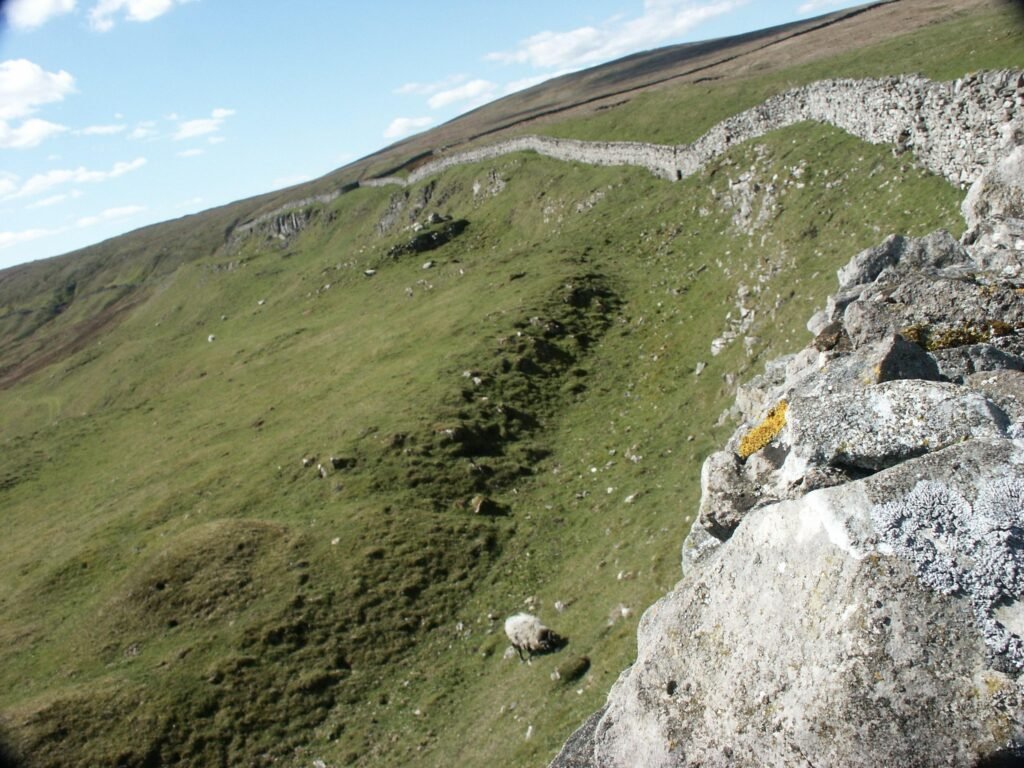
Tor Dyke

Although fourth century Roman forts were abandoned all over Britain, Kenneth Dark observed “that out of at most 16 sites with later 5th-6th century evidence no fewer than 14 had probably been under the command of the Dux Britanniarum at the end of the 4th century” (Dark 1998). Not only were these sites reoccupied, they were refortified and Saxon mercenaries may have been recruited to man them, as mentioned in the Historia Brittonum (Dark 1992). The high status of these sites is illustrated by the British halls found in Birdoswald fortress (Dark 1992) and the fifth century Christian church found in the fortress of Vindolanda (Wilkinson 1998). Further occupation has been found at the two towns closest to the Wall, Carlisle and Corbridge, plus the other Brigantian towns of Catterick, Aldborough, York and Malton (Dark 1992). Placenames and Welsh tradition further specifically associate the Coelings with the Mote of Liddel, Papcastle (Derventio), and Catterick (Miller 1975). All of these sites are believed to be located within pre-Roman Brigantian territory.

In the fifth and sixth centuries, which have been called the Age of Arthur, the tribes of Greater Brigantia were indeed on their way to becoming a major power again. The combination of extensive fortification of the abandoned Roman sites and a dynasty that includes rulers located throughout the former Brigantian territory suggests that either the federation actually or functionally became reformed by alliance and/or hegemony. With the rebirth of Greater Brigantian independence, the pre-Roman past would have been recalled with pride and sorrow.

The native way of life

For many of the people of the region life must have changed little after the Roman occupation of Brigantia. Some settlements, such as Dalton Parlours near Wetherby, did develop into Roman style villas, but many seem to have continued in their old way of life throughout the Roman period. Many of these native farmstead sites can be recognised from cropmarks on agricultural land. Cropmarks are caused by the differing rates of growth between those plants which are over a buried ditch and whose roots can still get water long after the rest of the field has dried out. Such differences in colour can be seen and photographed from the air and plotted onto a map. This technique of aerial photography is especially useful on the Magnesian Limestone belt which lies to the east of Leeds, where archaeologists have identified dozens of traces of small farms and their lanes and fields.
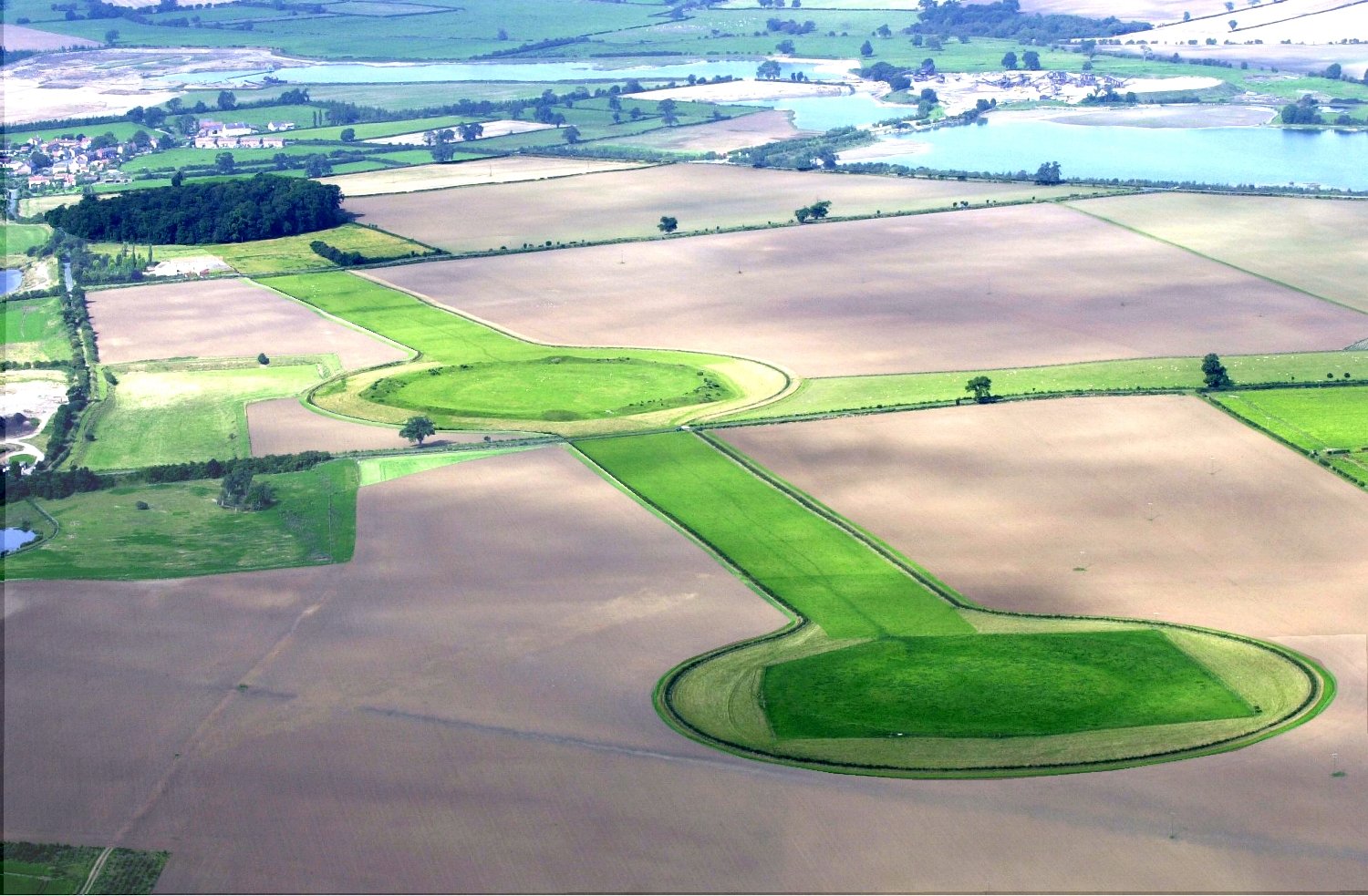
Thornborough Henges c.2004

Thornborough Henges c.2004

When such sites are excavated they usually turn out to be Iron Age or Romano-British in date. The farmsteads generally consist of a few small circular huts (about 8-10m in diameter), usually within a ditched enclosure. The huts themselves were made of wooden posts forming a circle, daubed with mud and with conical thatched roofs.

The interior would be smoky and dark. There were no windows and smoke from the central hearth could only escape through a small hole in the roof. In the west of the county settlements may have looked slightly different. The walls of the huts were built of stone boulders which had probably been cleared from surrounding fields. The Grubstones, a double circle of stones on Ilkley Moor, may represent the remains of one such hut circle. Boulder walling is also used in early field walls, some of which are found in the Aire valley, and may be very early in date.

Lion head from St Andrews Church, Alborough

Lion head from St Andrews Church, Alborough

Corn storage and grinding Other than the huts themselves, few other structures can be identified in most native British farmsteads. The remains of a series of four posts arranged in the shape of squares were found at South Elmsall. Archaeologists think that the posts supported the floors of granaries or food stores. Raising the floor off the ground would help keep the food away from rats and mice. Sometimes there may be pits in which corn or other grains could have been stored, but these are rare in West Yorkshire. Burying your crop may seem an odd way to preserve food, but if the pit is lined and sealed with clay the external atmosphere cannot reach the crop and the processes of decay are halted. The principle is really the same as burying goods in air tight sealed bags today. A large number of pits are known from a site near Ledston.

Sometimes small keyhole shaped ovens are also found. Archaeologists think that these might have been used to dry out the grain before it was put into storage. When required the grain could be ground into flour by the use of a quern or hand mill. The ones which the Brigantes used are usually known as ‘beehive’ querns because of their resemblance to the old-fashioned straw beehive. They were made out of millstone Grit and tended to produce a very coarse product as the stone wore away and particles of grit ended up in the flour. For better quality breads the Romans imported lava querns from Germany. These are more hard wearing and are still sometimes used by millers today.

What do we know about the extent of Celtic influence in Yorkshire, the Romans found that a mixed farming economy was pursued throughout the territory of both the Brigantes and the Parisii. For their own ends the Romans would have sought to encourage the continuity of this practice, even if under the Roman yoke. In a few localities the outline of field systems reflecting the pattern of farming in the Iron Age can still be found at High Close and on nearby Lea Green, both near Grassington in Upper Wharfedale, also at Malhamdale overlooked by the 300 foot high Malham Cove. At each of the above locations, excellent examples of field systems date from either Celtic or the later Romano-British period.
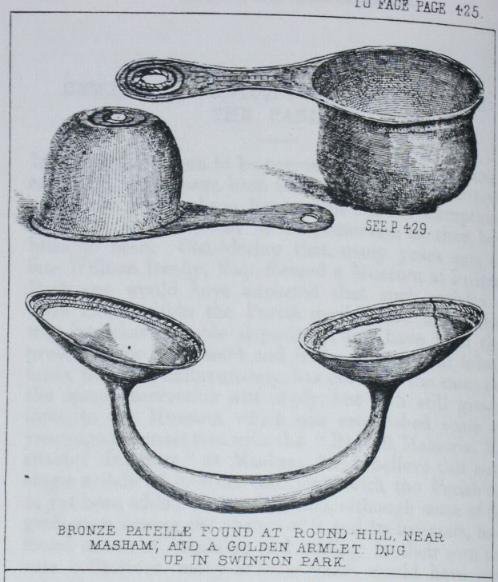
Finds from Swinton Castle

Finds from Swinton Castle

According to Stabo, the Celts occupied dwellings that were round in plan with a central hearth and which usually had storage pits dug into the floor. The walls apparently were fashioned from roughly adzed planks, set end-on and placed side-by-side, to support a thatched roof. It was a pattern very nearly continuous with those used in the earlier Bronze Age, and indeed is similar to ones still used today by ethnic groups in some Third World Countries, Papua New Guinea for example.

In the North York Moors the foundations of typically Celtic huts are to be found at several localities. Some of them are contained within an outer enclosure that served a defensive function. Examples can be seen on Borrowby Moor, at Sleddale near the banks of Codhill Slack and on Levisham Moor between Little Griff and Dundale Pond. At the Sleddale site the circular outlines of five houses, each almost thirty feet in diameter and with flagged floors, are positioned near the centre of a three-hundred-feet-long enclosure. Two additional locations in the North York Moors region are easily accessible for examination. The first of these can be clearly seen adjacent to the road along the crest of Percy Cross Rigg, one and a half miles north east of Kildale. The site enjoys a wonderful open views south and southeast over to Baysdale and Commondale, and northwest to the shapely cone of Roseberry Topping.

Curiously enough, the settlement is situated on a high point of the ridge called Brown Hill, but more about the significance of this shortly. Two miles away on Great Ayton Moor is an enclosure, square in plan, also dating from the Iron Age and which may have offered protection to dwellings, though there are no obvious signs of any. This is located only half a mile northwest of Oak Tree Farm. Another much more interesting place, this time at the opposite side of the vale of York, can be seen on Upper Wharfedale.

This site shows up prominently on aerial photographs and is also clearly visible on the ground. It is slightly south of the village of Kilnsey at Outgang Hill. An oblong enclosure some one hundred and fifty feet by a hundred, it contains the foundations of five hut circles of the style described by Strabo, each around twenty-five feet in diameter. Two smaller enclosures exist in the northern corner. Next to this a slightly larger compound, around two hundred square yards in extent, while over the nearby wall in the pasture to the northeast, a field system covers approximately 1000 square yards.

Other groups of hut circles and field systems attributed to this period can be studied in the parallel valleys of Wensleydale and Swaledale. Here the Iron Age is well represented on Addleborough Hill, again near Stony Raise, and above West Burton to the south of Dove Scar. Two additional sites that invite a visit are found at Arngill Scar, where hut foundations occupy a ledge overlooking the River Swale, flowing here through the impressive Kisdon Gorge.

Hut circle at Harkerside

Hut circle at Harkerside

Seven miles down the Dale, there is another site on Harkerside Moor close to the Maiden Castle. Here we find a few hut circles contained within an outer perimeter banking.

The site is generally believed to date from the late Bronze Age, though it is possible that the site saw co-habitation between Bronze Age native and Celt, or was an adaptation contemporary with the early Iron Age.

Other Earthworks dating from the later period exist in the vicinity, and this together with the fact that the name ‘maiden’ incorporates the Celtic place-name element ‘dun’ meaning a fortified place, seems to lend further weight to the assumption that the Celts made use of an existing facility. This is just one instance in which place-names can provide clues to the past. The system of farming pursued by both Brigantes and Parisii was mixed arable with livestock rearing.

Barley, oats, flax and rye were all cultivated, while the domesticated animals were represented by sheep, cattle, goats, pigs and horses. Grazing was confined to swampy areas of the lowlands and loftier regions of the North York Moors and Pennine regions, the better land being preserved exclusively for cereal crops. Wharfedale has produced several querns, proof that an arable economy existed concurrent with a pastoral lifestyle. In the south of the country, evidence for Iron Age farming activities has until fairly recently been rather sketchy but, with the introduction of air photography and LiDAR as archaeological tools, many new sites of farmsteads, enclosures and settlements have been discovered.

This method of investigation is beyond the scope of the amateur but the study of conventional aerial photography is accessible to the reader fortunate enough to have access to a collection of local authority aerial photographs or even a light aircraft. When viewed from a sufficient altitude and under optimum conditions the outlines of sites can be clearly revealed. A low sun angle helps to highlight the relief of the landscape, including prehistoric remains; at other times, a light dusting of powdery snow can show up the countryside below, just as French chalk makes a fingerprint visible.

Not all sites discovered by these methods have been positively dated to the Iron Age, neither are the techniques restricted to the detection of sites from that period; it works just as well for settlements as old as the Neolithic. Either way though, these locations rarely present any visible features for the ground-based investigator. This technique has also revealed sites of suspected Iron Age around Malton, in the southern area of the North York Moors, though again these are not visible on the ground.

In our quest for the roots of the county’s past, there is an amazing oblivion to the fact that evidence is all around us, often on our very ‘doorstep’. Within our hybrid language, for instance, there are components reflecting earlier cultures. That any Celtic place-names have emerged from the Teutonic invasions of the Dark Ages and even the blitz kreig colonialism of the Normans is a measure of the lasting influence Celtic culture had on settlers like the Anglo-Saxons and Danes. Several place-name components were handed down, though not always without change. An examination of these enduring signposts to the past can enliven a day out for ramblers in the Celtic territories of Brigantia.

Throughout the region we are concerned with there are place-names identified with Celtic sources. Included among these are Rotherham, Fangfoss, Glaisdale, names beginning with Eccles and Otley’s popular playground, The Chelvin. This is almost certainly a time-warped version of another word meaning ‘ridge’ and is similar in pronunciation to the Welsh Celtic ‘Cefn’.

The once fashionable spa town of Ilkley is the Olicana that was eventually to hold such a strategic importance for the Romans, while the name Craven, for the upland region forming the southern part of the Yorkshire Dales, could be derived from the Celtic Craf, referring to the wild garlic which still flourishes in woodland gills of the area. Further to the east, the North York Moors National Park has its Cod Hill and Cod Beck, both seemingly embodying the element coed, meaning wood in the Celtic tongue.

Cattle farmers

Although coins were introduced into the south of Britain before the arrival of the Romans, the habit of using money had not reached West Yorkshire before the arrival of the Romans. The Brigantes probably measured their wealth in cattle and some of the enclosures which archaeologists have identified on aerial photographs are probably stock pens to keep their animals in.

The Druids

Julius Caesar’s accounts of the Celts describe one influential caste, the Druids as men of elevated learning, absorbed with the contemplation of sacred groves, the moon, the sun and other heavenly bodies, but also bent upon appeasing their gods in the most barbaric of manners. The Druid’s pagan religion evolved a doctrine of immortality, a glorious life after death, which no doubt goes some way towards explaining the daring courage of their warriors on the battlefield.
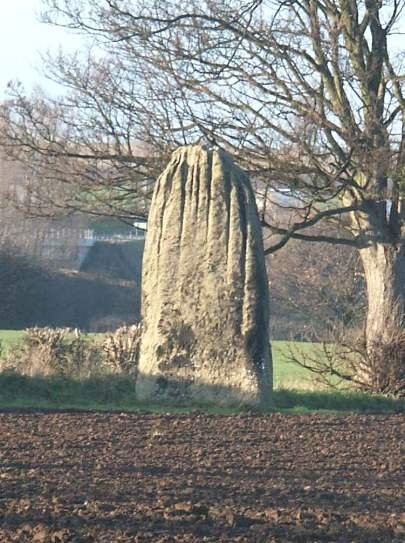
The third and shortest stone in the Devil's Arrows Stone Row at Borroughbridge

The third and shortest stone in the Devil’s Arrows Stone Row at Borroughbridge

Much of our knowledge of the Celts is owed to the Romans, but it is from them also that later cultures inherited a common misconception about this mysterious race. The Romans believed, quite incorrectly, that the so-called Druids were responsible for the erection of megalith monuments like the stone avenues at Carnac in Brittany, Stonehenge and probably our own Devil’s Arrows, no doubt built to serve their pagan excesses in times of social stress. Standing stones like those famous arrows were already ancient when the Celts arrived and contrary to what the Romans believed could not, as we now know have been erected during the Iron Age.

This distorted picture of those learned High Priests of Celtic society was embroidered upon by the writings of the Victorian romantic Cartographers jumped on the ‘band wagon’ so we find natural features throughout the Country that have been linked with what were imagined to be the pagan beliefs and practices of Iron Age Britain.

In Yorkshire there is a Druid’s Altar on a prominent Gritstone outcrop overlooking Bingley in the Aire Valley, while near the Hamlet of Bordley, in the Yorkshire Dales National Park, a group of three standing stones is variously marked on Ordnance Survey Maps as Druid’s Circle and Druid’s Altar. This was thought originally to be the remains of an embanked circle, or due to its ruinous state, a small chambered grave.

It has since been considered to be the surviving pillars of a megalith four poster, a burial site of a type normally found in Scotland. Others have conceived tenuous links between the Celts and the more prominent and strangely weathered natural rocks. The celebrated gritstone outcrops at Brimham Rocks are no exception. Just what the connection, if any, might have been between these sites and the colourful image of the Druid’s is anyone’s guess.

Spears from the Whittingham Hoard

Spears from the Whittingham Hoard

I would recommend a visit to the Bingley outcrop, or better still the weirdly-eroded rocks at Brimham, but wait for one of those stormy days for which the Pennines are well known. When the elements are locked in battle and leaden clouds hang overhead like harbingers of certain doom, it takes a little stretch of a fertile imagination to visualise these blackened, time ravaged stones in use as sacrificial altars.

Being realistic though, it is unlikely that these exposed stations were the scenes of bloodletting or other pagan customs. The stories are no doubt good for tourism promotion. Gruesome sacrifices were prevalent in Iron Age Britain, however.

We do know that some ritual interpretation manifested itself in human votive offerings. These acts were more grievous than simple bloodletting to appease the mortal gods. According to Caesar we are given to understand that the Celtic functionaries ordered huge hollow figures to be built in human likeness, fashioned from the branches of trees. Into these young men were herded and the effigy set alight in a ghastly carnage by fire.

The auspices of the Celtic pantheon did not come cheap, for those unfortunates making the donations at least. Curiously enough, in the tiny village of Wensleydale village of West Witton a quaint tradition bears an uncanny resemblance to the Celtic custom, though of course it does not include human immolation.

Burning Bartle

The Burning Bartle ceremony takes place annually on the Saturday nearest Saint Bartholomew’s Day. A larger than life human effigy, fashioned of Wickerwork and stuffed with straw, is paraded around the village streets until after dark, when it is burned on a bonfire to the accompaniment of a chanted rhyme:

At Penthill Crags he tore his rags

At Hunter’s Thorn he blew his horn

At Capplebank Stee he brak his knee

At Grassgill Beck he brak his neck

At Waddem’s end he couldn’t fend

At Grassgill End he made his end

Exactly who or what was Bartle is, today, a mystery. He may have been the sheep-stealing giant who, according to local tradition, is said to have roamed on nearby Pen Hill. Perhaps Bartle was a spirit of the extensive forests that once thrived in the dale, or is he simply the faded memory of an ancient fertility symbol?

Perforated deer skull with antlers from Star Carr

Perforated deer skull with antlers from Star Carr

Others have suggested that it represents the Saint, and though the timing of the custom appears to support this theory, one cannot entirely dismiss the vague similarity between this and the barbaric Celtic practice. Penhill is a further link in the cultural ‘chain’, incorporating the Celtic place-name component, pen, linking present times with the Iron Age.

The three basic elements of the earth and firmament, those of air, fire and water, have been the objects of veneration in all places from the earliest of ages. In these were have the evidence in support of the earliest forms of ritual ceremony. The classical writers at the time of the Roman conquest recorded that groves, rivers, and especially wells and springs, were sacrosanct to the Celtic spiritual well being. Ordeal by fire has already been highlighted as one method by which they solicited the will and co-operation of their gods. Others existed. In Yorkshire we have the clearest evidence that a water cult persisted throughout Brigitania.

Rivers

Cleave Dyke - Post war air photography project

Cleave Dyke – Post war air photography project

Many rivers in Yorkshire have retained their original Celtic names – Ouse, Derwent, Esk and Aire, for example. Some were dedicated to the patron water nymphs, for instance Verbeia is believed to be the ancient name for the Wharfe, named after its goddess. Others reflect the clarity, good mood or other aspect of the watercourse, as in the Nidd. Interestingly, the fort established by the Romans by the River Dana was given the Latin form of Danum, thus carrying forward the British River name component to be preserved in the modern Doncaster.

Altars consecrated to pagan divinities have been discovered in various localities. The Ilkley altar bears an inscription, which reads “Sacred to Verbeia: Clodius Fronto, perfect of the Second Cohort of Lingonions”. A second dedicated altar was found at a river shrine near Bowes. Not only were the rivers the sacred abodes of beneficial spirits, but even springs and wells held a special place in the magico-religious order of the Druids.

In Brigitania votive objects in various forms were cast into watery places. In the sleepy hamlet of Settle, there is evidence to support the theory that here an important centre of Brigitanian worship once existed.

The hamlet is situated at the centre of three ancient wells. Just a short stroll from the church of Saint Alkelda is the well at Bankwell, covered with a stone slab and pouring its water into a stone trough. Towards the end of the last century, a small lead figurine was found in the well. It is about 7.5 cm high and was once housed in the defunct Pigyard Museum, in Settle. It is now in private ownership. Due to its appearance the figurine was believed to be a toy dating from Tudor times. It was recognised, however, that some of the crudely executed features parallel a similar style of decoration found on a bronze shield contemporary with the La Tene culture found in a hoard at Merioneth.

The similarities are so identical as to rule out coincidence. Moreover, it is even postulated that the Bankwell figurine may represent the Celtic goddess Brigantia herself – suggested that Giggleswick church stands on or close to the site of an important pagan shrine, possibly dedicated to this deity.

The church at Giggleswick is generally associated with the nearby Ebbing and Flowing Well, whose strange fluctuations have baffled travellers for centuries. It is not unreasonable to believe that this site, too, would have enjoyed some importance in those days and received its share of votive offerings. It still does if the number of coins and other objects found in it are any indication.
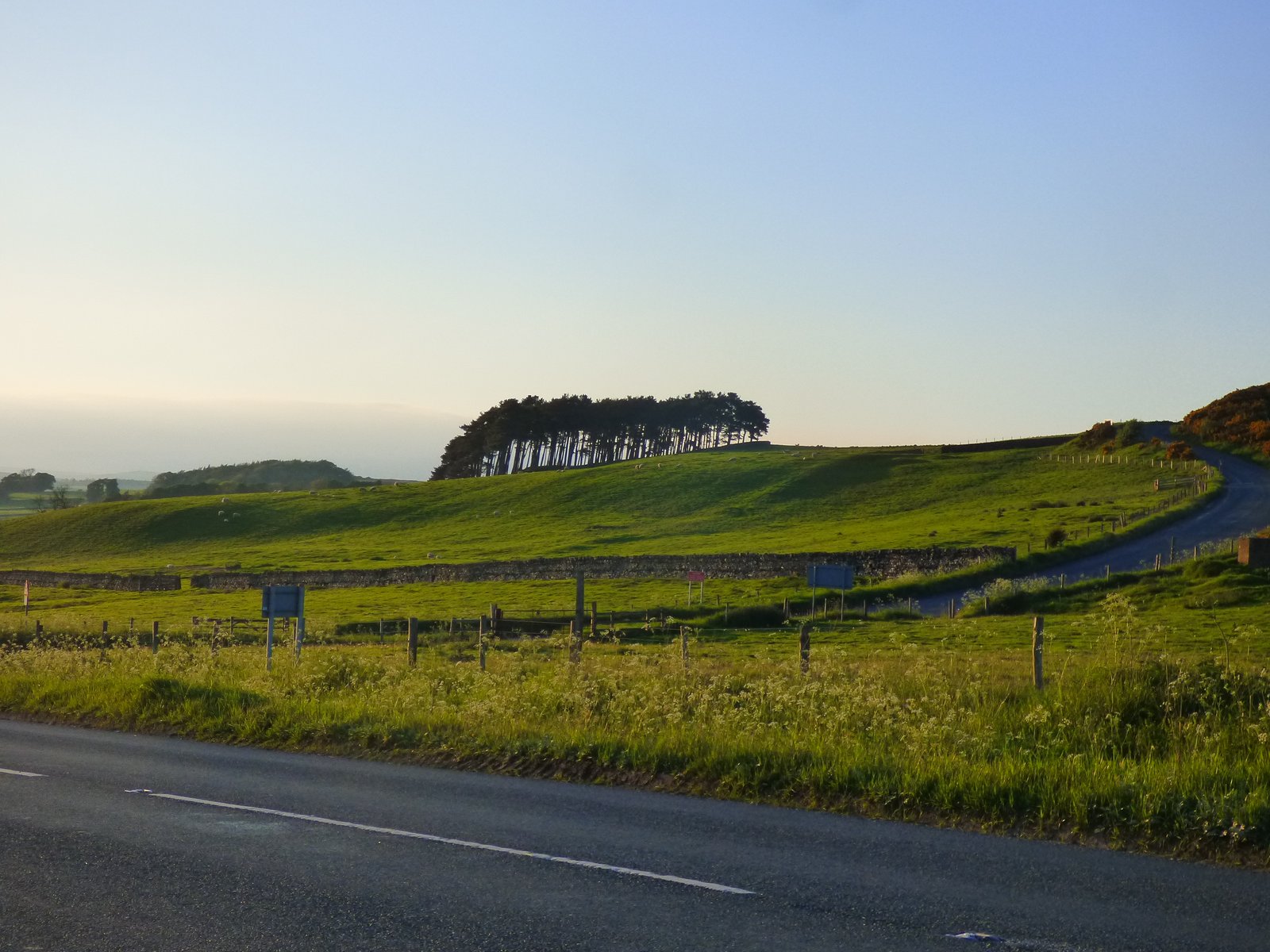
At some time in the past all the wells in Giggleswick have enjoyed fame for their healing waters, including the Holy Well on the site of Giggleswick School next to the church. Built into the fabric of St Alkeldas in Giggleswick can be seen two carved stone heads, obviously much more ancient than the building itself, and which may originally have come from a heathen shrine at either of its three wells.

One head forms a Corbel to an internal arch, while a second specimen has been incorporated into the outer surface of the north wall of the nave, where it gazes coldly in the direction of the Ebbing Well a mile away to the north-west. These carved heads have been identified with a Celtic Pagan Cult, which persisted in the Iron Age Brigantia, but we shall discuss this further in the next chapter. Another matter, linked in some way with the Bankwell figurine, concerns the so-called naked man café, formerly an inn of the same name.

Besides making votive offerings to lakes, pools and other aqueous features of landscape, objects were also deposited in caves or cast down any convenient natural shaft. In Wookey Hole, Somerset, a famous instance was the discovery of several human skulls. Given the fact that Craven was at the heart of Brigantia one wonders what role if any, the deep abyss of Gaping Gill played in Celtic Paganism?

It is easy to allow the imagination Drift back two millennia, to a scene of human sacrifice, victims cast into the depths of this frightful pot-hole as libation to the deities of the nether regions. Within the cultural context of caves the significance of Attermire Cave leaves us in no doubt. Iron types of wheels, lynch pins and nails discovered at this site could simply have been the remains of a native wain, though its location in a cliff face remote from the nearest possible track makes this very unlikely. Somebody went to a lot of drag the vehicle up a steep scree slope, not easy to negotiate even without a burden, and to deposit it carefully within the cave. This is a sure indication of some ritual activity, despite the lack of sepulchral deposits.

The Fall of Brigantia

When the Romans arrived in the first century, they found the vast Brigantian tribal federation in the neck of Britain organized under Queen Cartimandua (c. 43 to c. 70 AD), whose seat was at the massive fortification of Stanwick. Cartimandua’s husband was acknowledged as king, assuming the role as the Brigantian warlord.

The Roman historian Tacitus (Annals 12.40, 2-7; Histories 3.45; Koch 1995:39-40) specifically acknowledges that it was Cartimandua, the living symbol of Brigantia, who held the ultimate power among the Brigantes and had an active role in choosing her husband/warlord.

Indeed, it has been suggested that the Welsh word for king, brenin, is derived from brigantinos meaning the consort of Brigantia (Koch 1995:39). The Romans must have been pleased when they found that Cartimandua favored establishing formal contacts and alliances with them. Although firm evidence is lacking, it is believed that Brigantia became a Roman client kingdom as early as the 40’s AD (Hanson and Campbell 1986:73).

Initially, Brigantia prospered as a client state and grew wealthy. In 51 AD, Caratacus son of Cunobelinus, the leader of Celtic resistance to the Romans in the south, was captured and brought before Cartimandua, who promptly turned him over to the Romans.8 Tacitus (3.45; Koch 1995:40) credited Cartimandua’s capture of Caratacus as “having secured the most important component of Emperor Claudius’s triumph”.

In the following years, relations broke down between the Brigantian Royal household. Cartimandua divorced her husband Venutius and took as her husband another warrior named Vellocatus (“better in battle”), Venutius’s former armour bearer. However this was no simple divorce for, by this action, her new husband became king. Tacitus (3.45; Koch 1995:39-40) recorded that the divorce and remarriage prompted a civil war among the Brigantes because the majority of the people preferred Venutius as king. Yet, Cartimandua’s will prevailed, “favouring the illegitimate husband [Vellocatus] were the queen’s libido and her ferocious temper” (Tacitus 3.45; Koch 1995:40).

Venutius, who had previously fought for the Romans, turned to the anti-Roman faction among the Brigantes for support and ignited a civil war. The war continued for some time among the Brigantes until Venutius was on the eve of victory. With Cartimandua in a compromised position, the Romans intervened to save their ally (Salway 1993:92). Roman intervention saved Cartimandua but in the end her actions gave the Romans an excuse to conquer Brigantia.

The Romans could not tolerate the long Brigantian border in the hands of a hostile king who could not only attack the south himself but also harbour Roman enemies from the south (Salway 1993:92). To the Brigantian’s, the fault for their conquest by the Romans would have fallen squarely on the shoulders of Cartimandua and the war between her husbands . . . and would not have been forgotten.
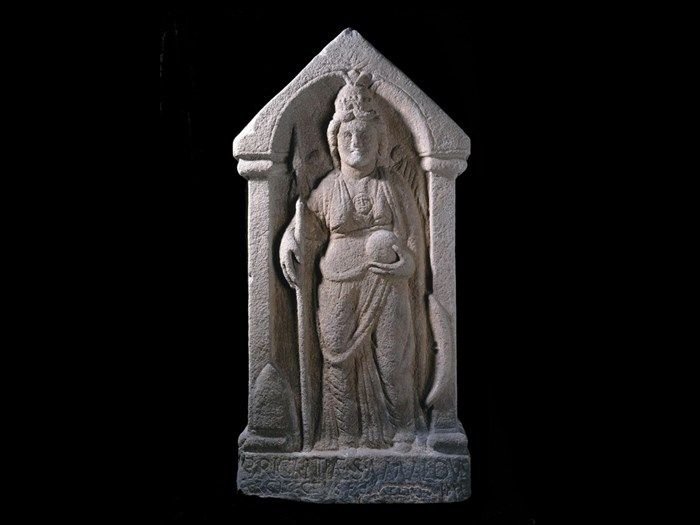
The Goddess Brigantia

The Goddess Brigantia

Cartimandua was capable of such behaviour because she was a living representative of the goddess of sovereignty, Brigantia (Koch 1995:39-40; Ross 1996:354-355). According to Anne Ross, “Cartimandua’s powerful role in Roman times may suggest that society recognized the power of the goddess by mirroring her authority in its own temporal ruler. . . . This particular goddess may have been as much concerned with the actual tribal hegemony as with the territory” (Ross 1996:456). According to Patrick Ford, horses were intimately associated with goddesses of sovereignty (Ford 1977: 8-10). It is possible that Cartimandua inherited this role since her name literally means “sleek pony” (Ross 1996:449).

Brigantia was a goddess who manifested herself under three forms. If we can take her later manifestation in Ireland as a guide, Cormac’s Glossary tells us Brigantia represented first and foremost sovereignty, with her other two aspects representing healing and metal working (Byrne 1973; Ross 1996:456). Anne Ross further identifies Brigantia as a patroness of pastoral peoples in Ireland and Britain.12 The advent of Christianity did not abolish the role of Brigantia as a symbol of sovereignty. According to John Koch, “a further survival of this idea is seen in the fragmentary elegy to the 7th century Welsh king Cadwallon in which the River Braint (<*Briganti) is described as overflowing in grief for its fallen consort”.13

Coverdale: Nathwaite Bridge river crossing points

Close
Get Directions
'; ';
Options hide options
Print Reset
Fetching directions...
Nathwaite Bridge from the West Scrafton side

Nathwaite Bridge from the West Scrafton side

Nathwaite Bridge river crossing points

Nathwaite Bridge, over the river Cover in Coverdale, is just about the only way any heavy traffic can easily cross between the key villages of Carlton and West Scrafton.  The importance of the location is perhaps underlined as the last place down the river Cover where it remains reasonably ford-able, and therefore crossable in past times when no closer bridge existed.

The purpose of this article is to expand on this observation, and understand more about how this location was used in past times, as we try to shed some light on Coverdale’s past.

Cow Ford

Cow Ford

Nathwaite Bridge

Nathwaite Bridge

Fords and River crossings at Nathwaite Bridge Coverdale - LiDARFinder

Fords and River crossings at Nathwaite Bridge Coverdale – LiDARFinder

Do two neighbouring fords make sense on the River Cover?

On a small, fast-rising moorland river such as the Cover, usable fords are rare, seasonal and highly localised. Having two riffle-crossings within a single hay-meadow actually follows the logic of dale hydrology and land-use.


Hydrological factor Coverdale reality Consequence for ford siting
Bedrock & riffle formation The Cover cuts down through gently dipping Yoredale limestones and Shales. Where a tough Grit or Limestone band outcrops, the river develops a shallow “riffle” with a stony pavement only 10–30 cm deep in moderate flow. Fords can be opened only where such natural steps occur; in the kilometre around Nathwaite Bridge there are just two continuous Limestone pavements, hence two viable fords.
Flash-flood regime Winter Spate flows (> 25 m³ s⁻¹) after snow-melt or frontal rain make the river waist-deep and unfordable for days. Base-flow in late spring–summer drops below 1 m³ s⁻¹, exposing the riffles. Fording season naturally shrinks to late April – early November in an average year. Once frosts return, cattle are yarded and coal is sledged or carted over the bridge instead.
Flood-plain topography The north bank carries a relict terrace; south bank meadows are flatter and liable to winter inundation. A ford must start and end on ground high enough to stay above moderate Spates. Only the two riffles near Bridge Barn have compatible landing slopes on both banks; elsewhere, steep or marshy banks prohibit exit.
Human routing logic Medieval Pack-horse routes aimed for the straightest line up-dale, accepting a seasonal ford rather than detouring for a bridge. Once a masonry bridge was funded (late 18th c.), carts used it year-round, but the fords still served livestock and, briefly, mining spoil-carts (upper ford). The coexistence of a bridge and two “legacy” fords reflects different traffic classes and seasons, rather than redundant duplication.
River Crossings at Nathwaite Bridge LiDAR - National Library of Scotland

River Crossings at Nathwaite Bridge. LiDAR image showing wider area. – National Library of Scotland

Seasonality in practice

  • Pack-horse era (pre-c. 1800) – Coal or wool trains timed river crossings for late spring through early autumn; in winter the same goods were sledged along frost-hardened field lanes or stored until levels fell.
  • Bridge era (post-1800) – Wheeled lime, coal and produce carts concentrated on Nathwaite Bridge, but stock still used the fords when drifting between intakes or when a swollen beck made the bridge approaches boggy.
Nathwaite Bridge - Wider Satellite view - Google Maps

Nathwaite Bridge – Wider Satellite view – Google Maps

Why no more fords upstream or downstream?

  • Upstream, the valley narrows, and bedrock steps are buried beneath deeper pools—no suitable pavement for fording until Arkleside (4 km west).
  • Downstream, the Cover enters confined, limestone-gorge sections where banks are 3–4 m high; the next natural crossing is Cover Bridge (mason-arch, 17th c.).

Bottom line

In upland dales, a ford is a singular hydrological gift—a shallow, stony riffle aligned with firm banks on both sides. If two such spots lie within the same meadow, people will exploit both: one may specialise for livestock or ad-hoc industrial haulage (the “cow ford”), the other evolve into a permanent bridge once year-round wheeled traffic demands it. Outside those sweet-spots the Cover is either too deep, too fast, or bordered by soft alluvium, explaining the long gap to the next crossing upstream or downstream.

Questions regarding the age of Nathwaite Bridge

In regard to Nathwaite bridge, we have visited it, and can see the site is quite complex, with signs of earlier construction, some of which seems to be older than the current build date for the bridge. That needs to be proven, of course. But, given the seasonality of fords, there is still the possibility of an earlier, now forgotten bridge here. Given the presumed need for communications between Carlton and West Scrafton, it makes sense that there would be at least one permanent river crossing between the two villages.

Could Nathwaite have hosted an earlier bridge?

Everything we can see on the ground—and what is not on the early maps—keeps that option alive:

Field observation (2025 visit) What it may mean
A second masonry footing 0.8 m upstream of the present arch, built of roughly tooled blocks markedly darker than the main bridge fabric. Could be the south-west abutment of an earlier span robbed for stone when the extant bridge went up c. 1790–1800. Its coursing and tooling look more 17th-century than late-Georgian.
A flat, rubble-packed causeway (now grassed) leading from the north bank directly to that footing, not to the modern arch. Suggests a historic approach road on a slightly different line—more consistent with pack-horse or footbridge alignment.
Rounded orthostats lying in the riverbed 3–4 m downstream. These water-worn slabs could be the kerb stones of a timber trestle or clapper bridge that collapsed and was swept just downstream.
No obvious full-height wing walls on the modern bridge; instead a butt-return of older fabric keyed in behind the later parapet. Builders of the late-Georgian bridge may have tied into an existing medieval/post-medieval abutment rather than starting from scratch.

Why a bridge here makes historical sense

  • Cross-dale traffic nexusCarlton (monastic grange, later Bolton Abbey estate centre) and West Scrafton (copyhold township) exchanged stock, cheese and coal daily. A permanent crossing would shorten the 5 km detour via Cover Bridge.
  • Seasonal unreliability of fords – The Cover’s winter spates regularly exceed 0.8 m depth; anything more than knee-deep is unsafe for laden pack animals. Medieval estate accounts for many Yorkshire dales show timber footbridges erected on primary routes decades—even centuries—before stone arches were affordable.
  • Parish boundary quirks – The field south of Nathwaite is in Carlton township; just across the bridge you are already in West Scrafton. Parish vestry minutes often note joint responsibility for “wood briggs” at township boundaries—exactly what might once have stood here.

What would prove (or disprove) an earlier bridge?

Line of enquiry Specific steps
Archival
  • Search Coverham Priory cartularies and Bolton estate survey (1606, 1633) for “wooden brig” / “Carlton brig” / repair payments.
  • Inspect Carlton & West Scrafton vestry minutes (NYCRO PR/CAR 1; PR/SCF 2) for bridge levies before c. 1790.– Check Quarter-Sessions road orders (Q/SR and Q/RUM series) for petitions to replace a decayed timber bridge with stone.
Map regression
  • Bolster the OS chain with the 1766 Jeffrey’s county map (lacks bridge symbol) and the 1771 Richard Davis map (sometimes notes “wooden bridge”).
  • Compare tithe sketches (1845) to identify approach-road realignments.
Fabric analysis
  • Record masonry breaks, tooling styles, mortar types; sample the darker “older” blocks for lime-mortar dating (optical-stimulated luminescence or radiocarbon on charcoal inclusions).
  • Where river scour allows, lift one of the slab “orthostats” and saw a thin section: saw-marks vs. axe-dressing will indicate early post-medieval stone-masonry.
Sub-surface survey
  • Two or three hand-auger transects on the north approach causeway: if a timber still lies buried, oak posts can be dendro-dated.
  • Side-scan sonar or dredging transect in the shallow riffle: look for iron dogs, wrought clamps or mortised sill beams.
Place-name & field-name evidence
  • “Bridge close,” “Briggs Gill,” or “Wood brig Meadow” in estate rentals would pre-date the masonry arch.
  • Carlton tithe already calls the parcel Ford Intack; earlier rentals might call it Bridge Intack if a timber foot-bridge stood there first.

Precedents elsewhere in the Dales

Lost timber bridge, later replaced by stone Documentary & field evidence
Crackpot Footbridge (Swaledale) Lease of 1601 mentions “wood brigge” at Rake’s Dyke ford; stone arch built 1814; LiDAR revealed embanked track to earlier footing.
Kettlewell Upper Bridge (Wharfedale) 1625 verdict for sharing repair of “woode brig”; OS 1st-ed shows stone arch (still standing); downstream spoil reveals oak sill beam tree-ring dated to 1582 ± 10 yrs.

These parallels strengthen the hypothesis that Nathwaite once hosted a timber foot- or pack-bridge, later upgraded when estate and Turnpike capital converged in the late 18th century.

Working conclusion

  • Yes, a forgotten bridge is plausible: the non-aligned causeway, older masonry fabric and seasonal logic all point toward an earlier timber structure.
  • Proving it will require a blend of map regression, archival trawl, mortar dating, dendrochronology and sub-river probing—feasible, low-budget techniques that have paid off elsewhere in the Dales.
  • Whatever the result, that enquiry will refine your traffic-flow model and help explain why two seasonal fords and a late-Georgian arch coexist within a single hay-meadow bend of the River Cover.
Contact Us
close slider