Notice: Function WP_Scripts::add was called incorrectly. The script with the handle "datatables-responsive" was enqueued with dependencies that are not registered: datatables. Please see Debugging in WordPress for more information. (This message was added in version 6.9.1.) in /home/u621095157/domains/brigantesnation.com/public_html/wp-includes/functions.php on line 6131
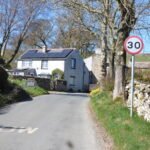
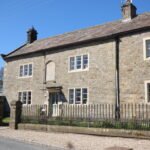
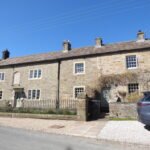
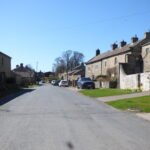
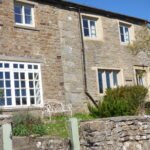
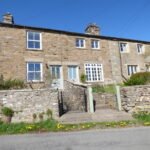
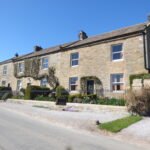
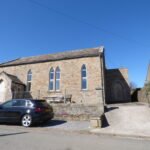
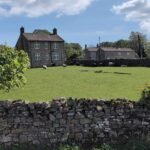
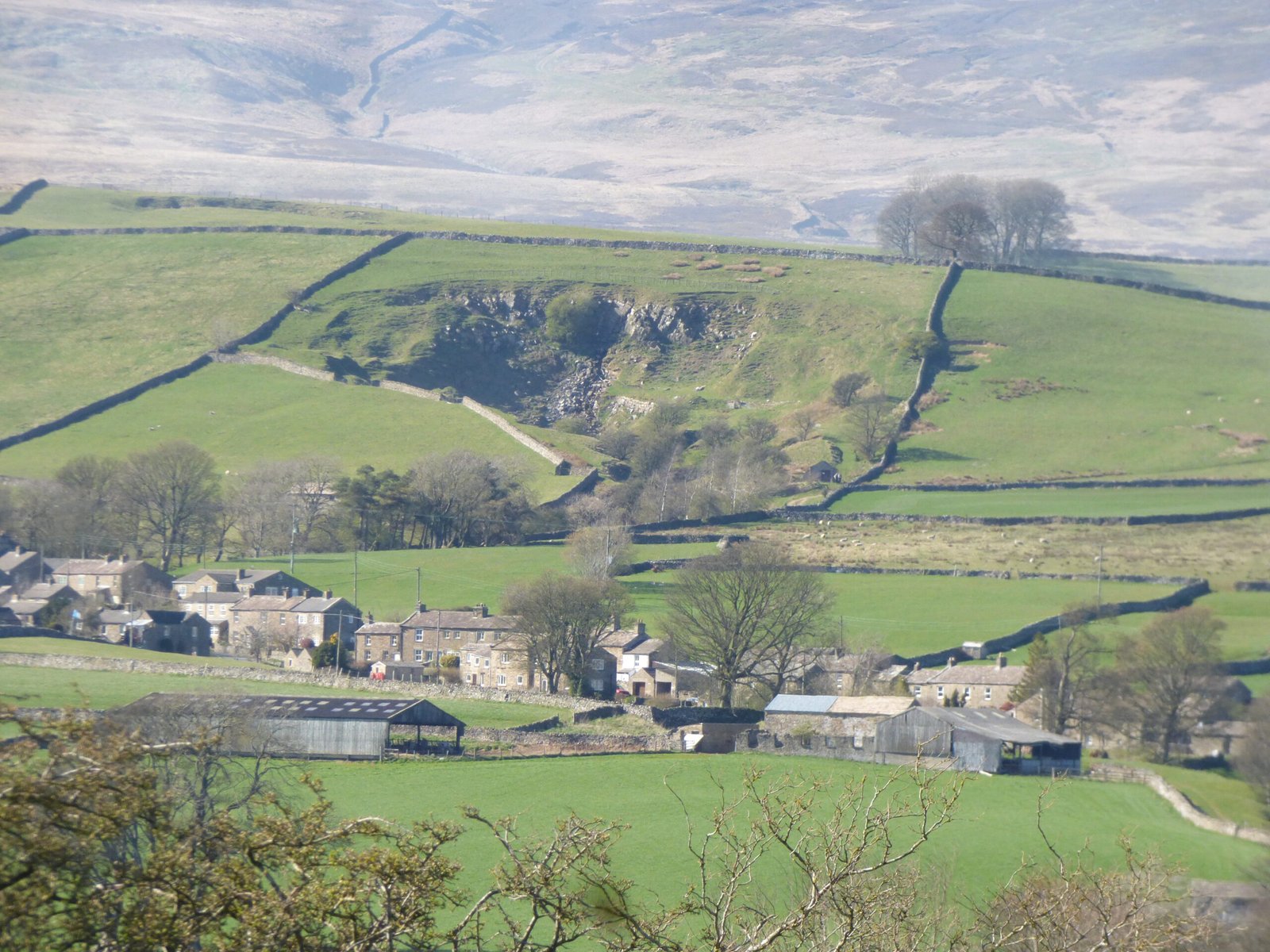
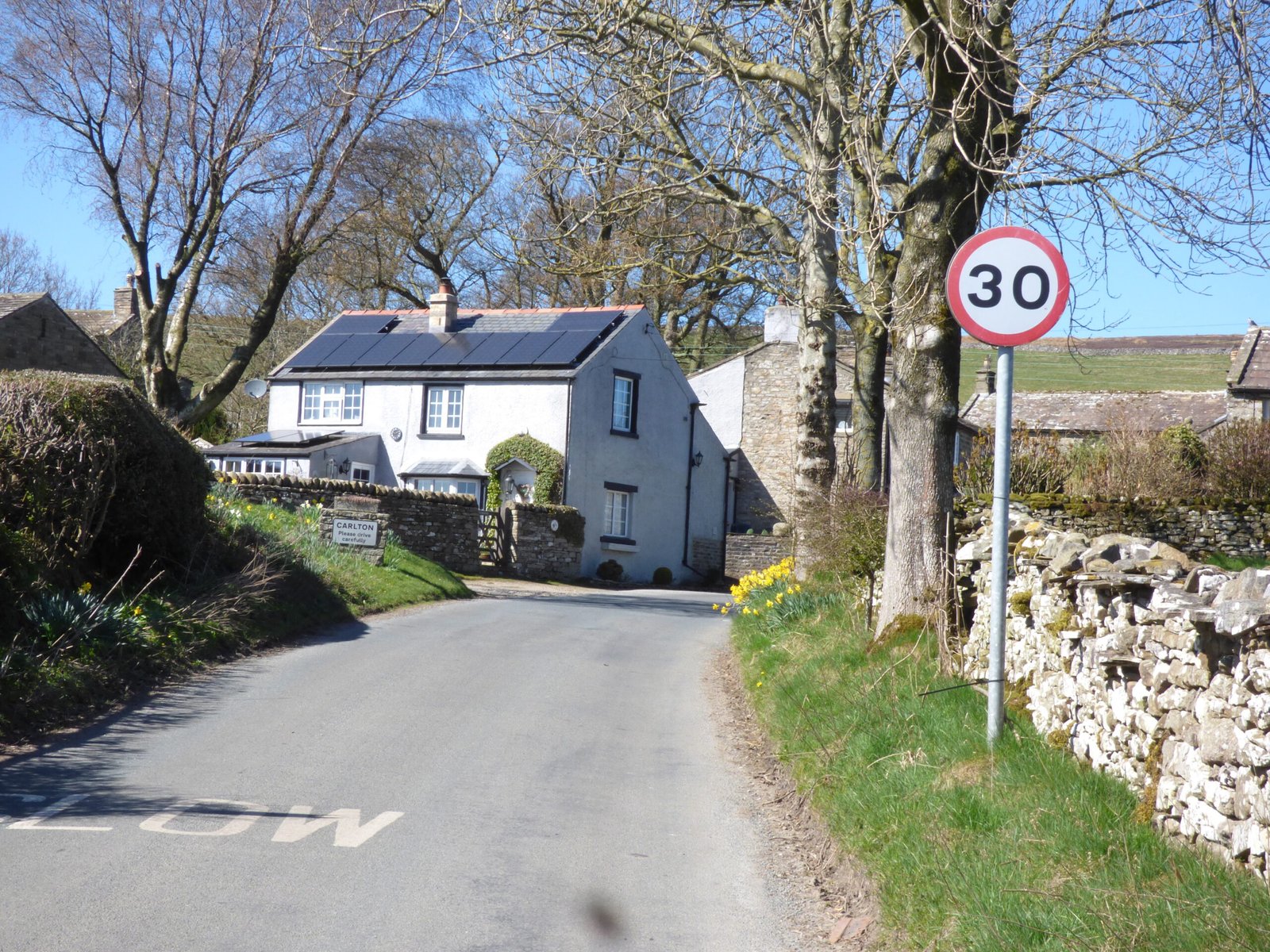
Nestled in the heart of the Yorkshire Dales National Park, Carlton in Coverdale is a picturesque village, surrounded by stunning landscapes. Situated in the Coverdale valley, it is a part of the Richmondshire district in North Yorkshire, England. This charming village is renowned for its heritage, its location amidst rolling hills, and the distinctive sense of place that connects it to centuries of rural life in the Dales.
A Brief History of Carlton in Coverdale
Carlton in Coverdale’s history dates back to the medieval period, with the village appearing in historical records from as early as the Domesday Book in 1086. Over the centuries, the village developed as a farming community, relying on agriculture and livestock, which remains integral to the local economy today. Medieval Beginnings: During the Middle Ages, Carlton was part of the larger Wensleydale region, which was under the control of various local and regional lords.
As with many villages in the Dales, the village’s early economy was based on agriculture, primarily farming sheep and cattle, and the use of land for cultivation. In the 12th century, Cistercian monks from nearby Fountains Abbey began to influence agricultural practices in the area, introducing new farming methods that shaped the landscape.
Like much of rural Britain, Carlton experienced changes during the Industrial Revolution, albeit at a slower pace than in urban areas. The introduction of better transport links and improvements in farming equipment helped increase agricultural productivity in the area.
However, Carlton largely retained its rural character, and the industrial influence was less profound here than in other parts of England. 20th Century to Present: The 20th century brought new challenges to the village, as many rural areas experienced the decline of traditional farming. Despite this, Carlton has managed to maintain its unique character.
The Environment and Natural Beauty
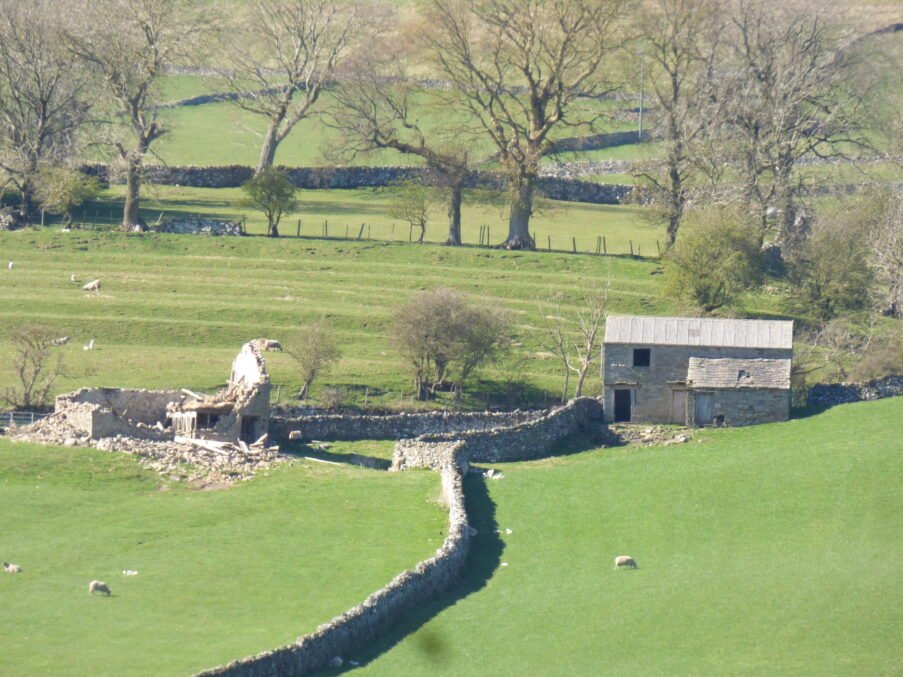
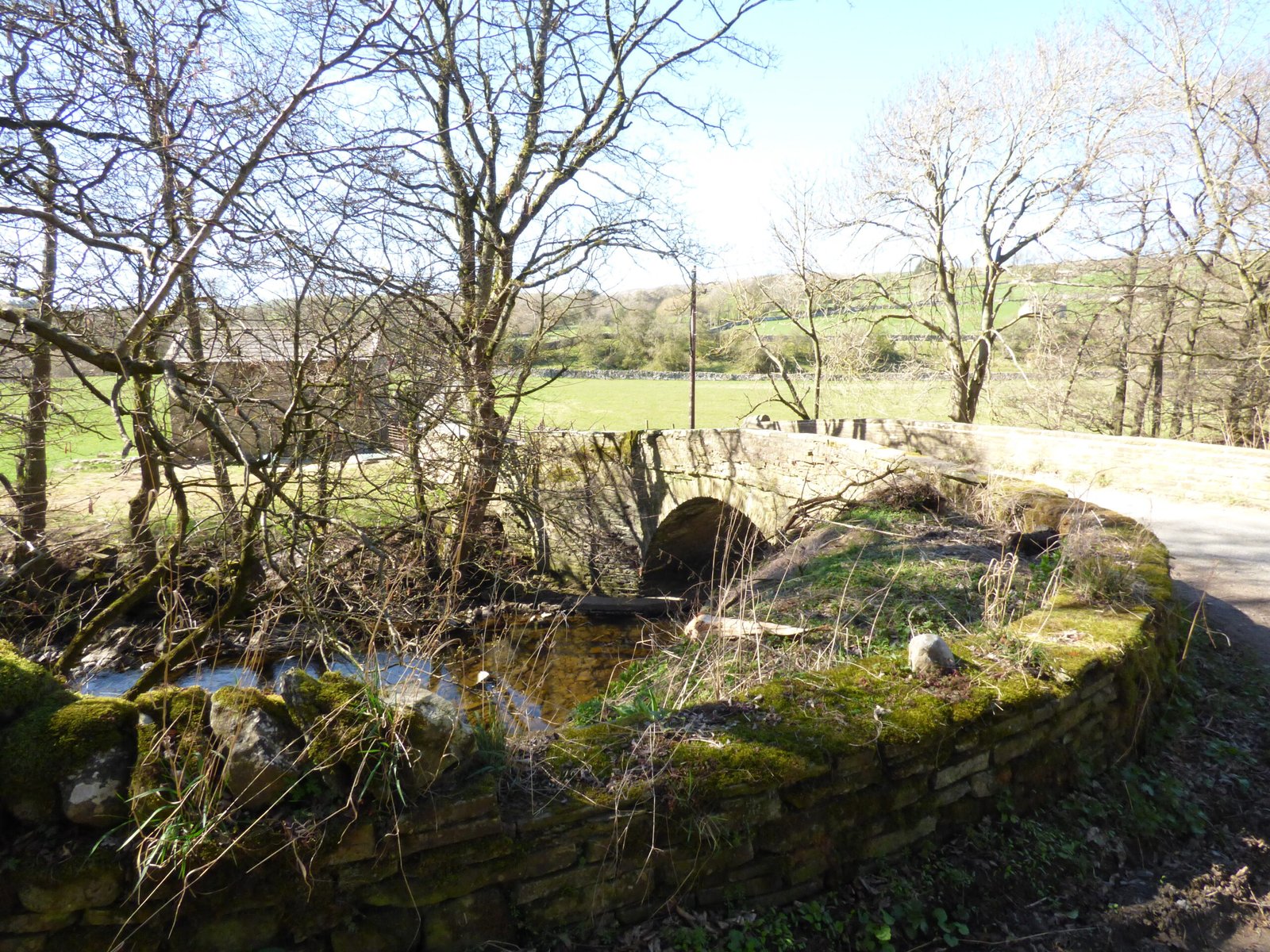
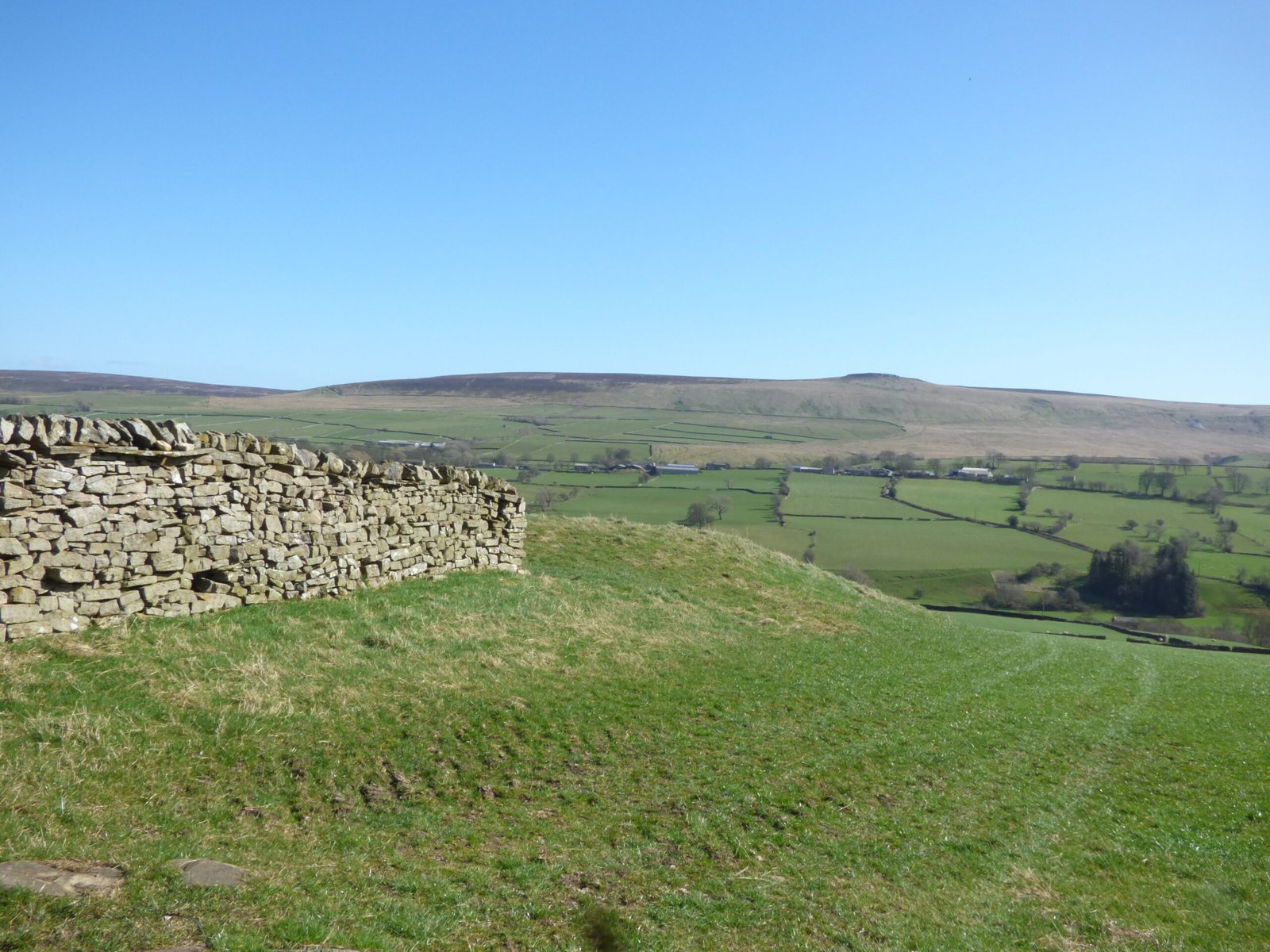
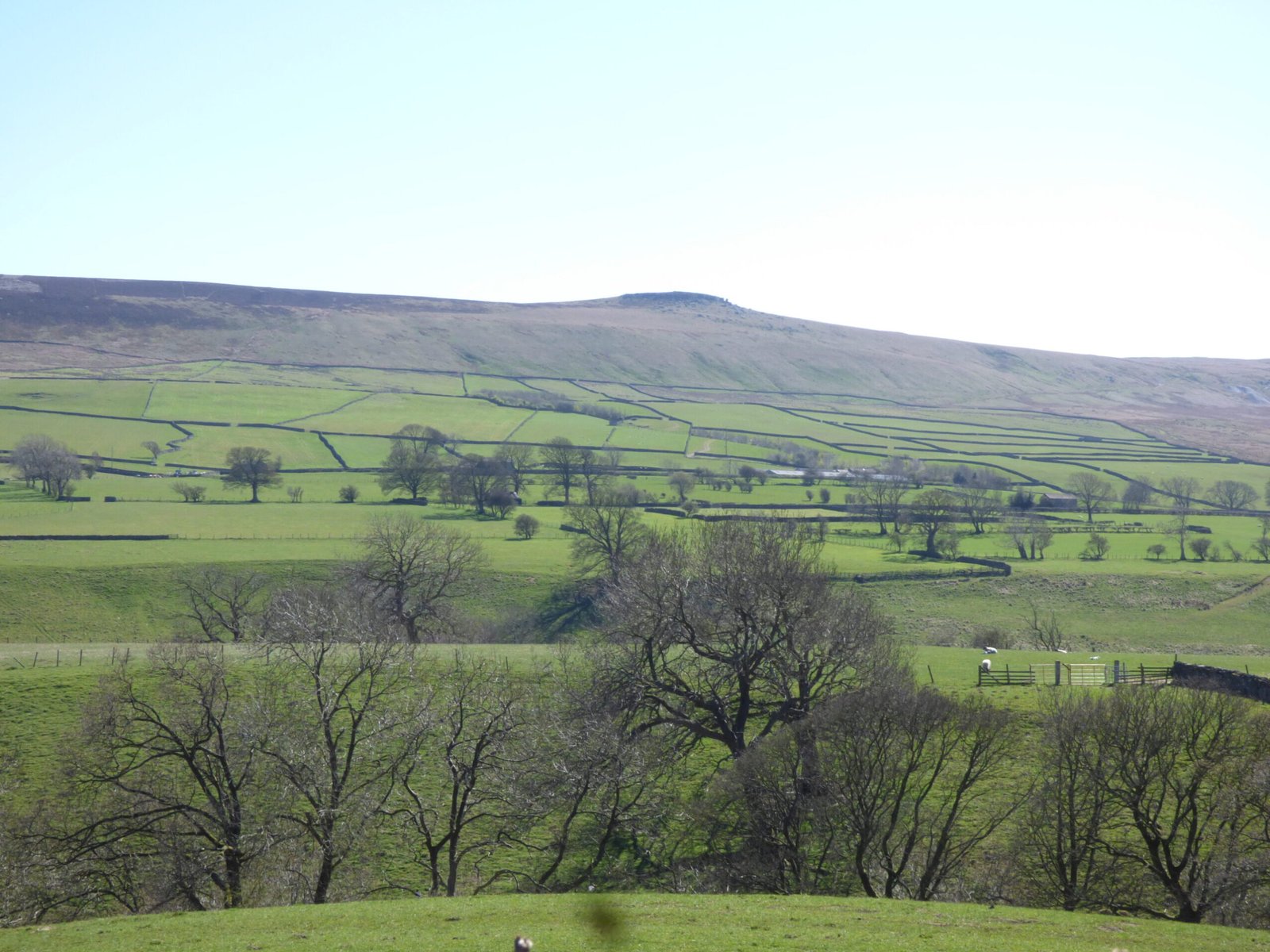
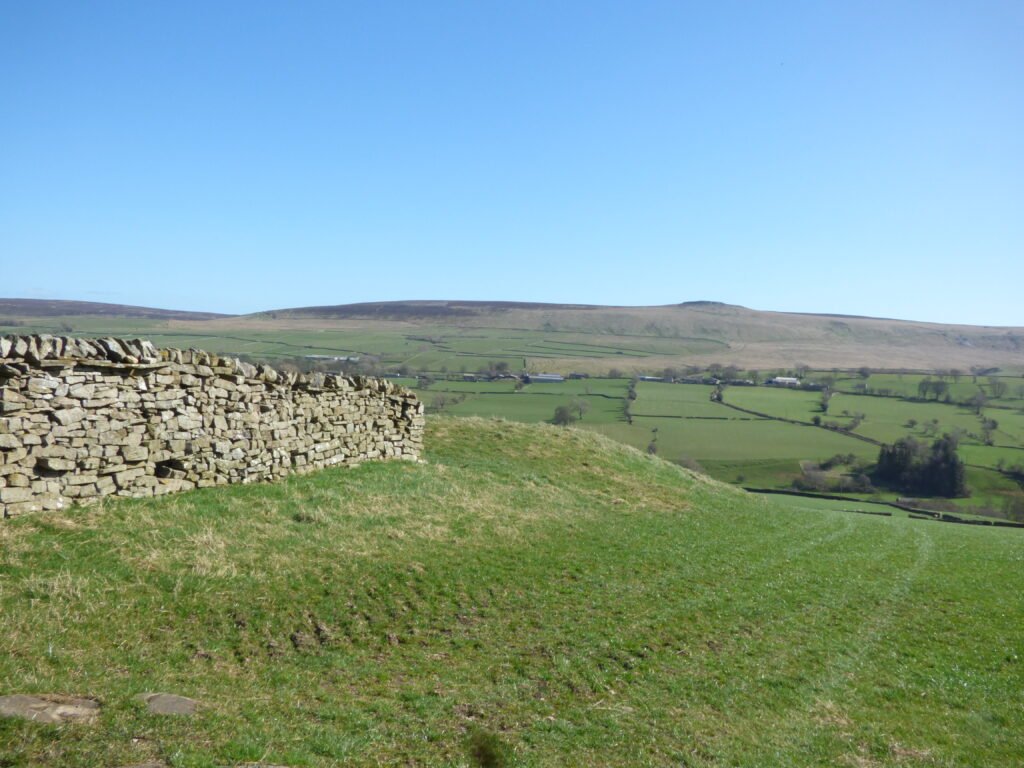
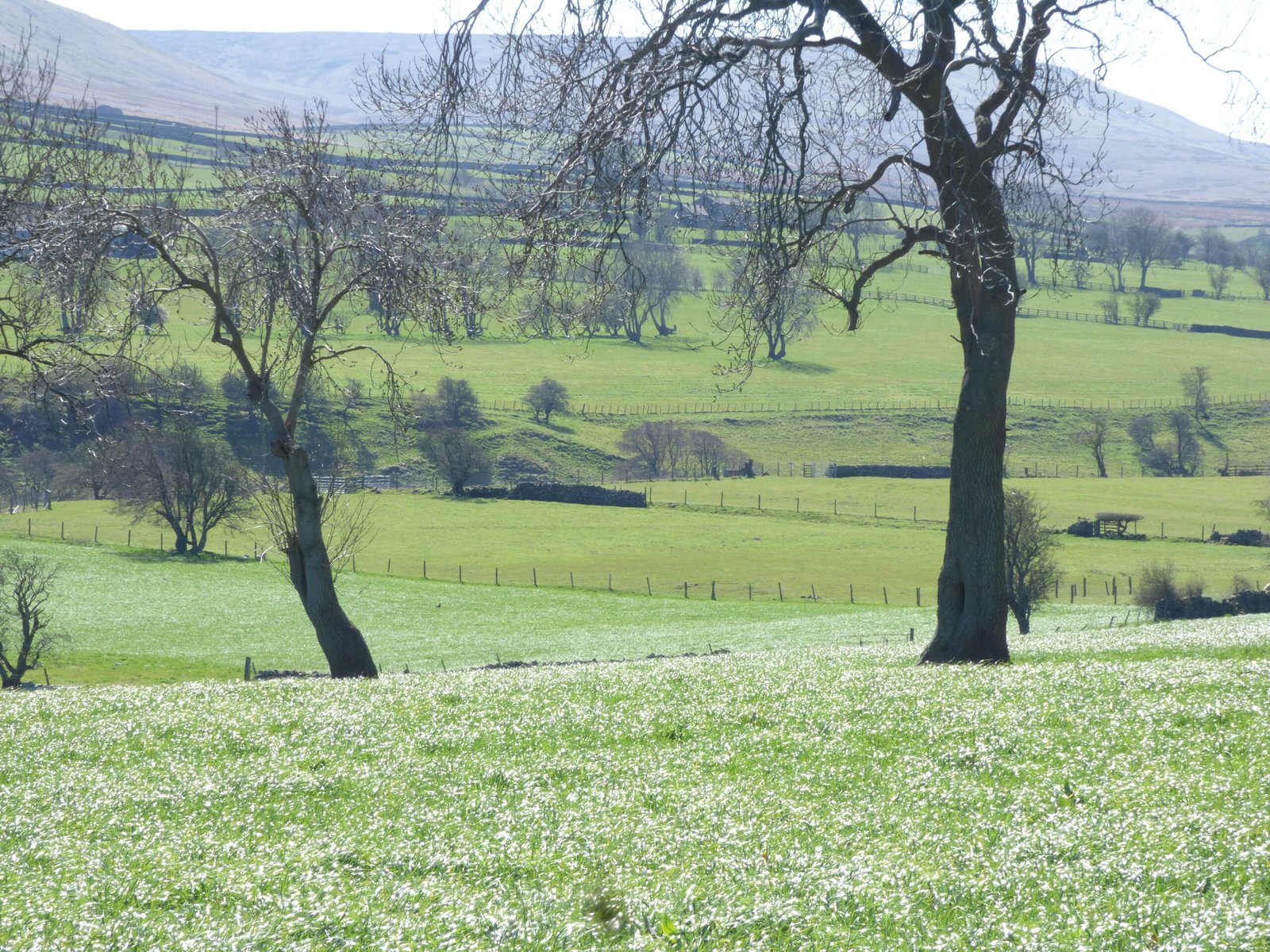
Carlton in Coverdale is surrounded by some of the most stunning natural scenery in the Yorkshire Dales. The village is set within the Coverdale Valley, a beautiful and serene area bordered by rugged hills and Limestone peaks. The landscape is a Site of Special Scientific Interest (SSSI) due to its unique geology, plant life, and bird populations. The area is a paradise for nature lovers, hikers, and wildlife enthusiasts.
Coverdale: The valley itself is one of the quieter and lesser-visited dales, offering visitors a sense of peace and isolation. The valley is home to rich wildflower meadows, ancient woodlands, and rivers, making it an ideal location for walking, cycling, and bird watching. The Coverdale Beck runs through the valley, providing a tranquil and scenic feature.
Walking and Hiking: Carlton is located along several established walking routes, including sections of the Yorkshire Dales Way and the Three Peaks challenge. The surrounding fells and moorland provide fantastic opportunities for outdoor activities. Popular walking destinations from Carlton include Great Whernside and Little Whernside, which offer panoramic views across the valley and surrounding countryside.
Wildlife: The area is home to a diverse range of wildlife, including red grouse, lapwings, and curlews, as well as various species of wildflowers and mosses. The valley’s secluded nature and undisturbed landscapes make it a haven for these species, many of which are rare and protected.
Economy and Community
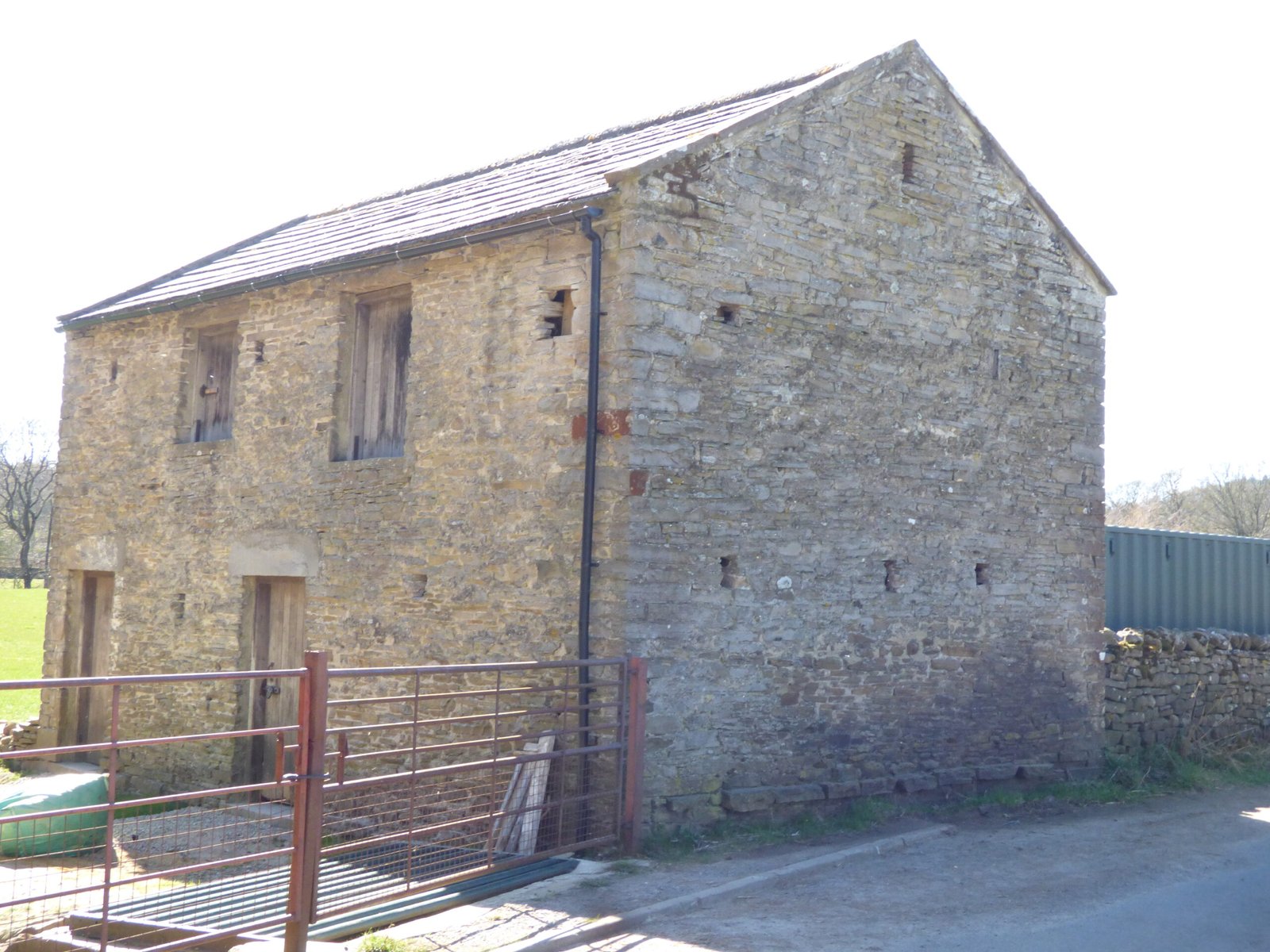
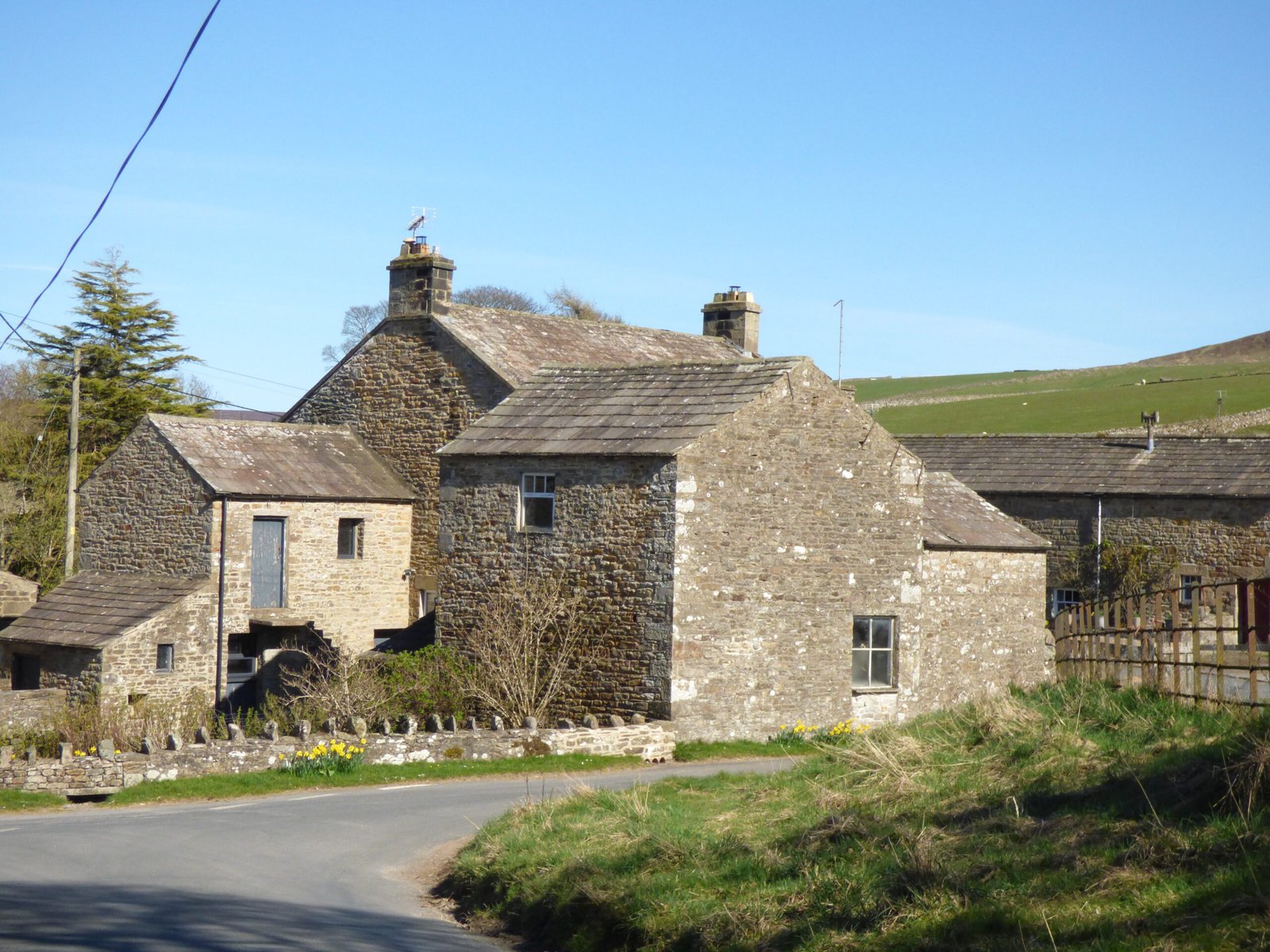
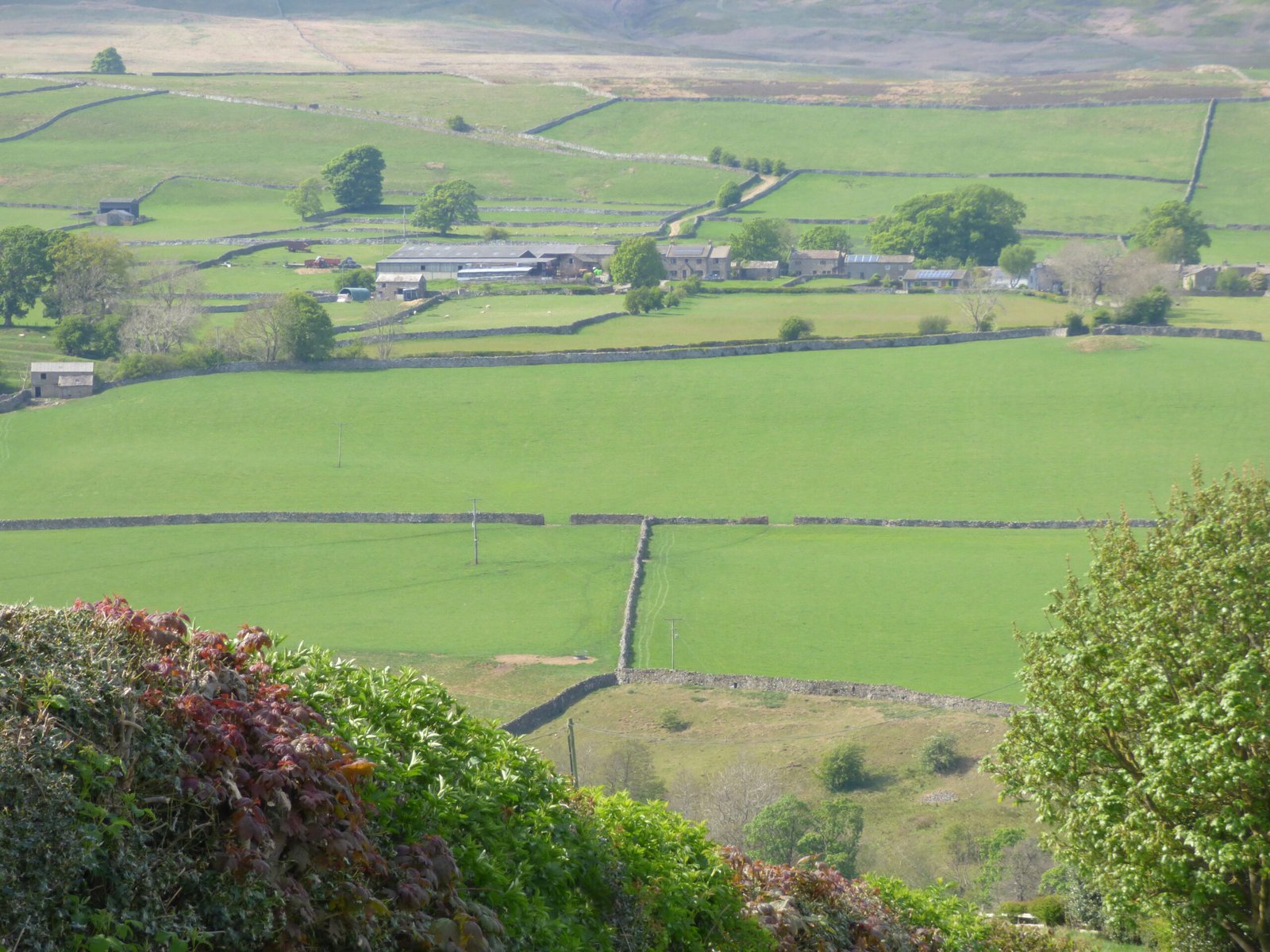
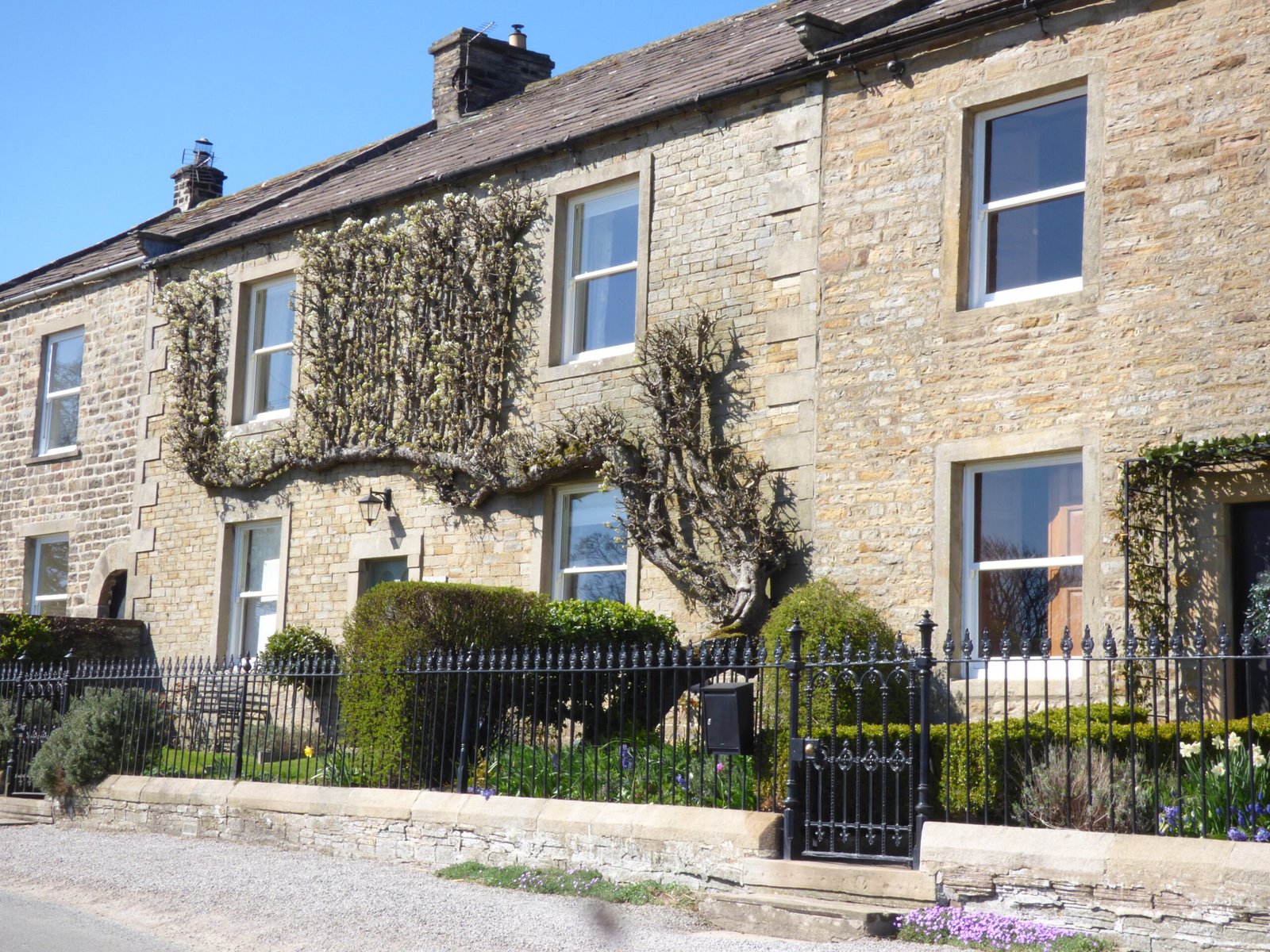
The economy of Carlton in Coverdale has traditionally been based on farming, with sheep farming being the dominant activity. In recent years, tourism has become an increasingly important aspect of the local economy, with visitors drawn to the natural beauty of the area and the village’s traditional charm. Many of the historic farms and cottages have been renovated to accommodate bed and breakfasts, holiday cottages, and small guesthouses.
Traditional Farming: Sheep farming continues to be an integral part of life in the village, and Carlton is part of the Yorkshire Dales National Park’s agricultural community. The farmers here continue to uphold traditional methods of farming, using the land in ways that have been passed down for generations.
History of Ownership
The historic ownership of Carlton, like many villages in the Yorkshire Dales, is deeply entwined with the broader socio-political and landholding structures of medieval and early modern England. Ownership and control of the land were essential aspects of the region’s development, and various notable landowners played a part in shaping the village’s history.
The Domesday Book and Early Landholders
In 1086, the Domesday Book recorded the landholdings across England, including Coverdale. This historical record is one of the earliest sources of information about the ownership and governance of land in Carlton in Coverdale.
Early Ownership: Following the Norman Conquest in 1066, much of the land in the Yorkshire Dales, including Coverdale, was redistributed to Norman lords. The king (William the Conqueror) granted large estates to his loyal followers as a way of consolidating power and control. Carlton in Coverdale, as part of the larger region of Wensleydale, would have been subject to these new Norman landholding systems.
According to the Domesday Book, Carlton (or Carleton as it was known at the time) was held by the king’s men, with some of the land under the control of local nobles. The specific details are sparse, but it is clear that the area would have been under the influence of Norman landholders.
The Early Medieval Period: The Influence of the Abbeys
In the centuries following the Norman Conquest, monastic institutions began to play a significant role in landownership across the Dales. The monks of Fountains Abbey (founded in 1132 by Cistercian monks) had a major influence in shaping the agricultural practices of the region.
Fountains Abbey: As a major Cistercian Abbey, Fountains Abbey was one of the wealthiest landowners in the area, and it controlled vast swaths of land across the Yorkshire Dales. While there is no direct evidence that Carlton itself was owned by the Abbey, the nearby Coverdale Valley may have been part of the lands controlled or influenced by the Abbey’s monks. Monasteries like Fountains Abbey were granted land by the crown or local nobles, often in return for services such as spiritual guidance or support.
It’s also worth noting that the monks played a significant role in introducing new agricultural methods to the region, which would have impacted the land use around Carlton.
Other Abbeys and Religious Orders: The Cistercians were not alone in holding land in the region. Other religious orders, such as the Augustinian Canons at Jervaulx Abbey (located further to the east of Coverdale), would have had a strong presence in the region. These monastic holdings often extended across several valleys, including Coverdale.
The Medieval to Early Modern Period: Local Gentry and Nobility
By the medieval period, ownership of land in the Dales had become more fragmented, with many local families assuming control over large estates.
The Lords of Wensleydale: The area that includes Carlton in Coverdale was part of the larger Wensleydale region, which was governed by various noble families throughout the medieval period. One of the most influential families was the Scropes of Masham, who held significant lands in Wensleydale and may have exerted control over Carlton. The Scropes were a powerful family in medieval Yorkshire and held estates in nearby areas, making it plausible that they were connected to the land in Coverdale.
The FitzHugh Family: Another important family that held land in the region was the FitzHugh family, which had estates around Rievaulx and Masham. The FitzHughs held lands in the northern part of the Yorkshire Dales and may have had control over parts of Coverdale and its surrounding valleys. They were part of the larger network of landholding families that controlled significant portions of land in Yorkshire during the medieval and early modern periods.
The Lascelles Family: In the post-medieval period, the Lascelles family, well-known in Yorkshire, acquired several estates in the area. While the family was more prominent later on, the Lascelles had significant holdings across the region, including parts of Wensleydale.
The Enclosure Acts and Changing Ownership (18th-19th Century)
The Enclosure Acts of the 18th and 19th centuries had a significant impact on land ownership in rural areas like Carlton in Coverdale. Prior to enclosures, much of the land was held in common, where villages and rural communities had shared access to grazing lands, meadows, and forests.
Enclosure and Land Privatization: The Enclosure Acts led to the privatization of common lands, with large estates being consolidated into individual holdings. The process often displaced smaller farmers and local villagers who had once had rights to the land. This shift resulted in greater control by wealthy landowners, and by the 19th century, much of the land around Carlton would have been under the control of the local gentry or the new class of landowners who bought up estates following the enclosures.
Ownership Shifts: In Carlton and Coverdale, this period saw several wealthy families acquiring significant tracts of land, often through inheritance or purchase. These families would typically have been tied to the expanding agricultural economy of the Dales, utilizing the land for sheep farming, which was the area’s economic backbone during this time.
Modern Ownership and the Role of Estate Managers
Today, much of the land around Carlton in Coverdale is still privately owned, and many of the traditional farming estates have been passed down through families over generations. Some of the landowners today may trace their ownership back to the local nobility or the wealthy families who were involved in 19th-century land acquisitions.
Estate Management: With farming still an integral part of life in Coverdale, the land is managed by a combination of private landowners and estate managers who oversee the agricultural practices, including sheep farming and moorland management. Much of the surrounding land is now managed in a way that preserves its natural beauty, particularly since the area is part of the Yorkshire Dales National Park, which ensures that the land remains protected from overdevelopment and remains a center for traditional farming.
Population Estimates
Understanding how the population of Carlton in Coverdale and the surrounding area fluctuated over time can be challenging due to the limited and sometimes fragmentary nature of historical population data. However, there are several key periods and sources that can help us piece together an understanding of how population trends may have unfolded in this part of the Yorkshire Dales.
Domesday Book (1086)
The Domesday Book provides one of the earliest records of land and population in England following the Norman Conquest in 1066. While the Domesday Book doesn’t always give detailed population figures for small villages, it does provide information on the number of households, livestock, and other resources in areas like Coverdale, the valley that includes Carlton.
Population in the Domesday Book: Coverdale is recorded as part of the Wensleydale Hundred, and while no specific population numbers are given, we can infer that it was a small rural settlement based on the number of ploughs, livestock, and villages recorded. The area likely had a population of a few hundred at most, mostly involved in farming and pastoralism.
Significance: The Domesday Book reflects a post-Conquest village structure that was largely agricultural, and any fluctuation in population would likely have been tied to changes in agricultural output and control.
Impact of initial Rebelions
Immediately after the Norman Conquest, in the North of England in particular. Local uprisings caused the Normans to depopulate many regions in the north be "laying waste" to as many as one village in four. This will have had the effect of lowering polulations of most areas.
Medieval Period (12th-15th Century)
Medieval Population Trends: During the medieval period, population growth was tied to agriculture, trade, and the stability brought by Norman feudal systems. However, medieval England also experienced several periods of hardship that likely affected population levels, including famines, plague outbreaks, and war.
The Black Death (1347-1351): The Black Death was one of the most significant events to impact population numbers in England. It is estimated that the population of England was reduced by as much as one-third during the plague years. This would have had a major impact on rural villages like Carlton in Coverdale, as the pandemic decimated communities, leading to depopulation in many areas.
Post-Plague Recovery: Following the Black Death, England’s rural population began to recover, though it would have taken several generations. The population increase during the later medieval period may have been aided by improvements in farming practices introduced by the Cistercian monks, particularly in areas like Coverdale, where monastic communities were active. These practices allowed for more efficient use of land, helping sustain higher population numbers.
Post-Medieval and Early Modern Period (16th-18th Century)
16th Century: The Tudor period saw changes in land management, including the Dissolution of the Monasteries in the 1530s, which ended the control of monastic estates like Fountains Abbey over parts of the Yorkshire Dales. The dissolution led to the redistribution of land, which likely altered settlement patterns and could have had mixed effects on local populations. New landowners may have introduced changes to agriculture, but it’s unclear whether population growth was directly tied to these changes.
Population Decline: The 17th century saw some local population decline due to the English Civil War (1642-1651) and famine in the 1630s and 1640s. There are few surviving population records for villages like Carlton during this period, but it is likely that these difficult conditions would have led to stagnation or even a decrease in population.
18th Century and Agricultural Revolution: The 18th century marked a period of agricultural innovation, known as the Agricultural Revolution, which introduced crop rotation, selective breeding of livestock, and better farming tools. These advances may have allowed for more efficient farming and could have led to a growth in the population. However, this increase would have been slow, and many rural areas, especially in upland regions like Coverdale, were still sparsely populated compared to other parts of England.
The Enclosure Movement (18th-19th Century)
Enclosure Acts: The Enclosure Acts of the 18th and 19th centuries drastically reshaped the landscape of rural England. The practice of enclosing common land into private ownership often led to the displacement of small farmers and tenants. While the lower lying areas may have seen an increase in farm productivity, the higher, more remote areas, such as those in Coverdale and the surrounding Yorkshire Dales, saw population movements as some agricultural laborers were forced to leave and seek employment in larger towns and cities.
Effect on Population: In the case of Carlton in Coverdale, the enclosure may have led to a decline in rural population density as some people were forced to move elsewhere. However, the land remained important for sheep farming, which likely provided enough work for a smaller but stable population.
19th and Early 20th Century: Industrialization and Rural Decline
Industrialization: The population of rural areas like Carlton in Coverdale was largely unaffected by the Industrial Revolution compared to urban areas. There was little industrial activity in the Dales, and the rural economy remained heavily focused on agriculture, particularly sheep farming. However, the rise of the railways in the mid-19th century facilitated tourism and trade, which helped bring new people into the area.
Emigration and Rural Decline: Many rural areas in northern England, including the Dales, saw a slow decline in population throughout the 19th and early 20th centuries as people migrated to towns and cities in search of industrial work. This trend, often called rural depopulation, likely affected Carlton in Coverdale as well.
Population in 1901: According to census records from 1901, the population of Carlton in Coverdale was relatively small, with around 200-300 people living in the village. This small population remained relatively stable throughout the early 20th century.
Modern-Day Population Trends
Late 20th Century to Present: Carlton in Coverdale’s population, like many rural villages, has seen fluctuations in recent decades. The village has experienced some population growth due to its increasing appeal as a tourist destination and as a place to live for those seeking a rural lifestyle close to larger towns like Skipton and Leyburn. The presence of the Yorkshire Dales National Park has also played a role in drawing people to the area, both for tourism and for second homes.
Current Population: As of the 21st century, the population of Carlton in Coverdale is estimated to be around 300-350 people. This growth is relatively modest but reflects the broader trend of rural villages in the Dales experiencing a slight increase in population as people move out of urban centers for a quieter life.








 The Environment and Natural Beauty
 Economy and Community
 History of Ownership
 The Enclosure Acts and Changing Ownership (18th-19th Century)
 Population Estimates
 19th and Early 20th Century: Industrialization and Rural Decline