Notice: Function WP_Scripts::add was called incorrectly. The script with the handle "datatables-responsive" was enqueued with dependencies that are not registered: datatables. Please see Debugging in WordPress for more information. (This message was added in version 6.9.1.) in /home/u621095157/domains/brigantesnation.com/public_html/wp-includes/functions.php on line 6131
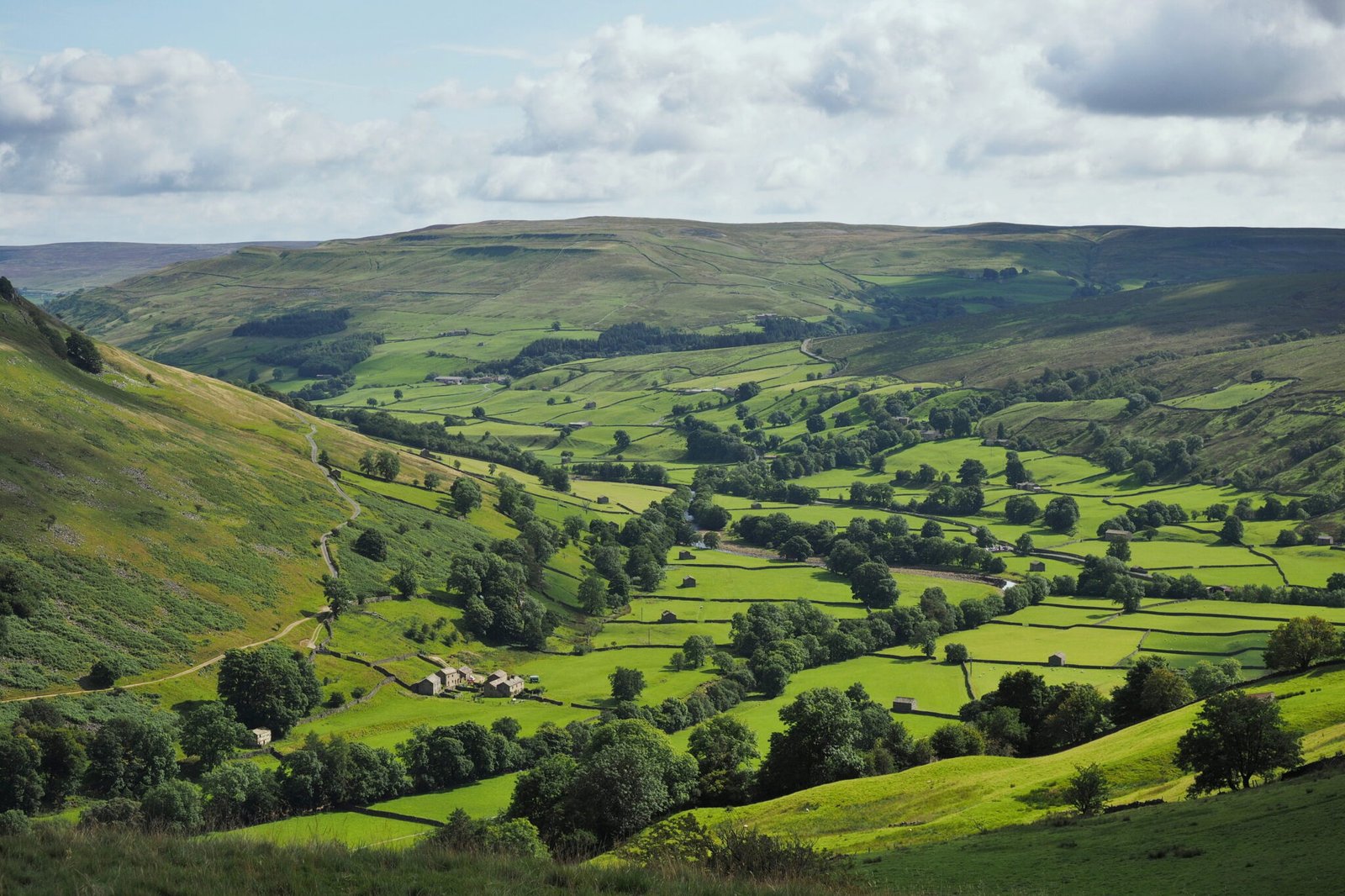
The Yorkshire Dales National Park is a large expanse of hills and dales in North Yorkshire, in northern England. During the Iron-Age, they were in the heart of Northern Brigantia.
Geography
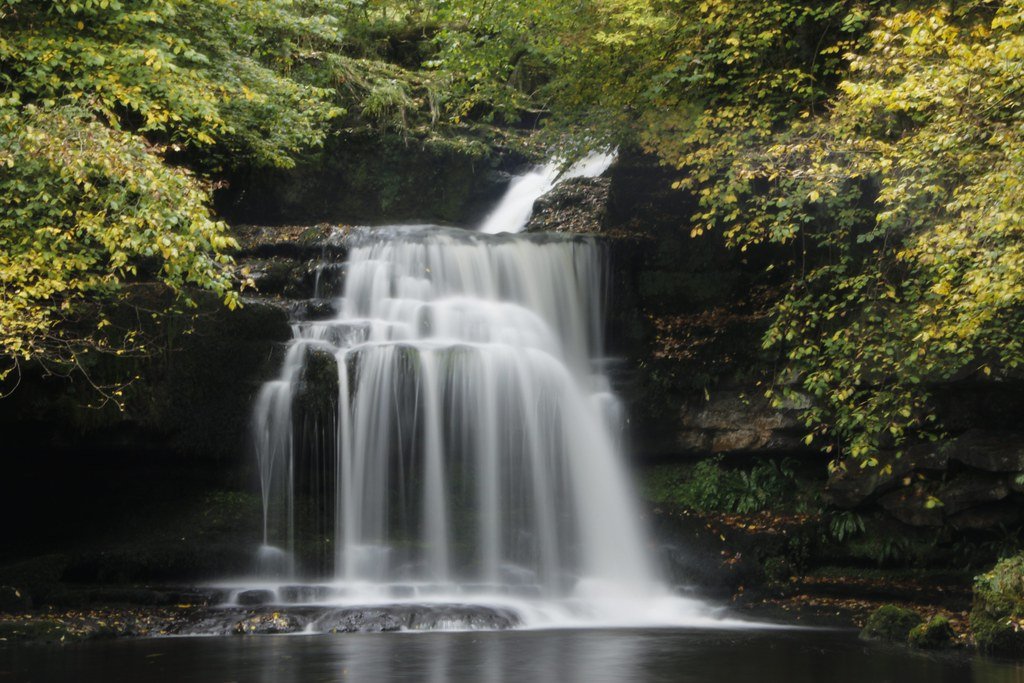
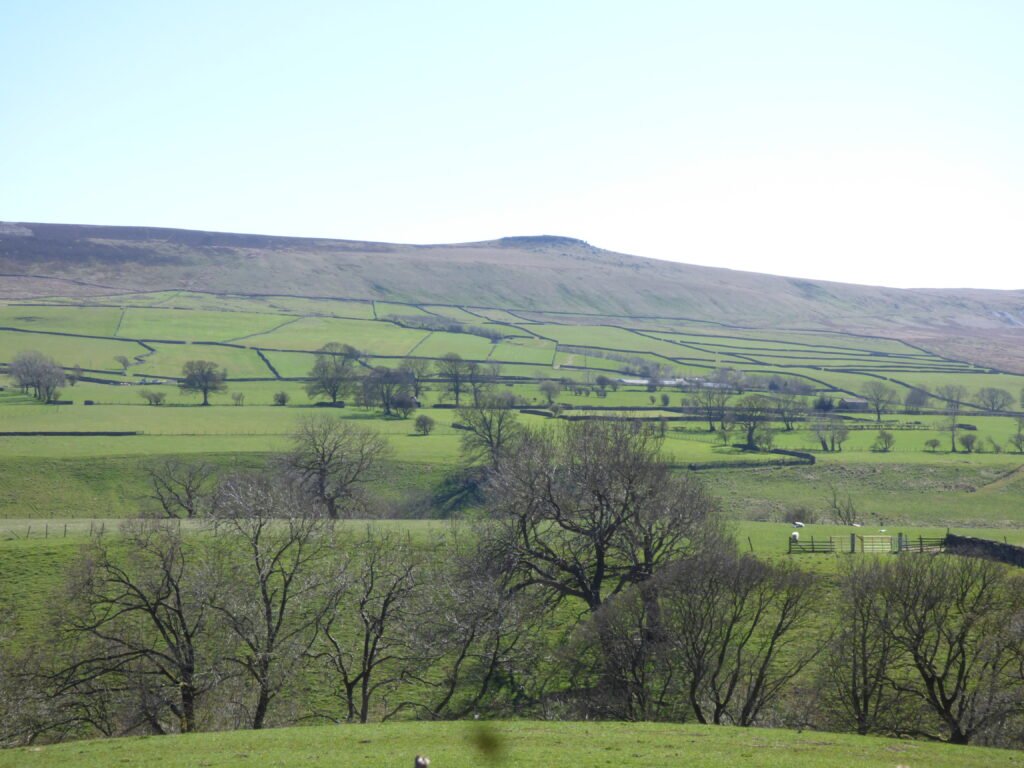
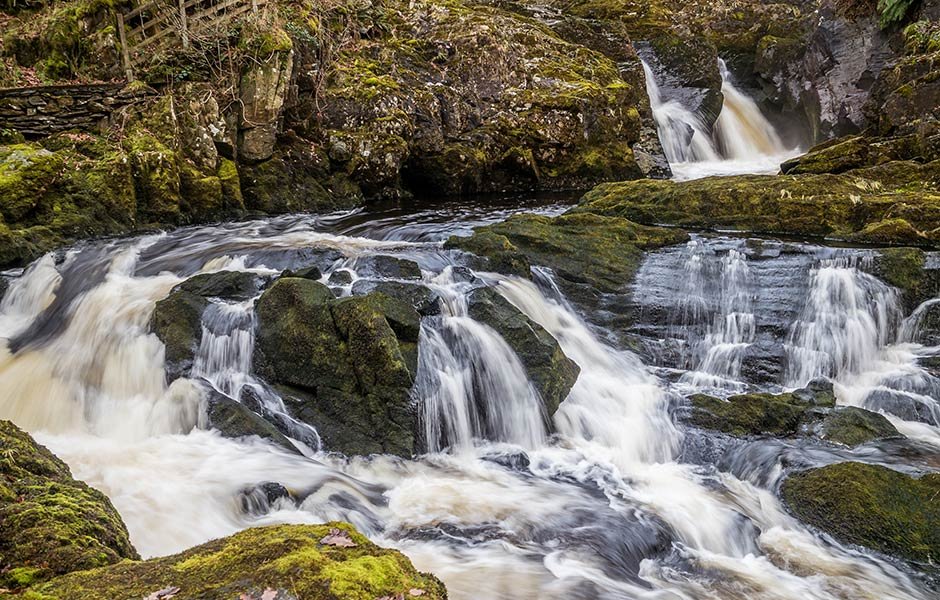
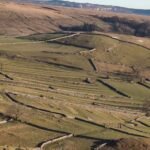
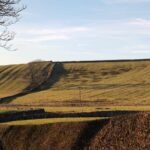
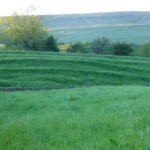
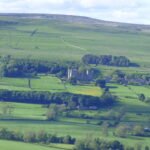
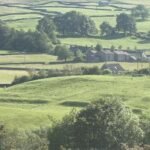
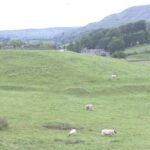
Characterized by its rolling hills, deep valleys carved by glacial action, and dramatic Limestone pavements, the Dales present a captivating geographical tapestry. The area is dissected by numerous rivers, including the River Wharfe, Ure, and Swale, which have shaped the landscape over millennia. Dry valleys, remnants of past glacial activity, add to the area's unique character. The highest point, Whernside, reaches a height of 736 meters (2415 feet), offering panoramic views across the park.
Geology
The Dales' geology is predominantly composed of Carboniferous Limestone, a rock formation dating back hundreds of millions of years. This limestone has created the iconic features of the region, including the dramatic cliffs, caves, and underground rivers. The process of weathering and erosion has shaped these limestone formations into stunning features like Malham Cove and Gordale Scar. Evidence of glacial activity is also visible, with glacial valleys and Moraines adding to the complex geological history of the area. The diverse geology supports a rich variety of flora and fauna.
Heritage
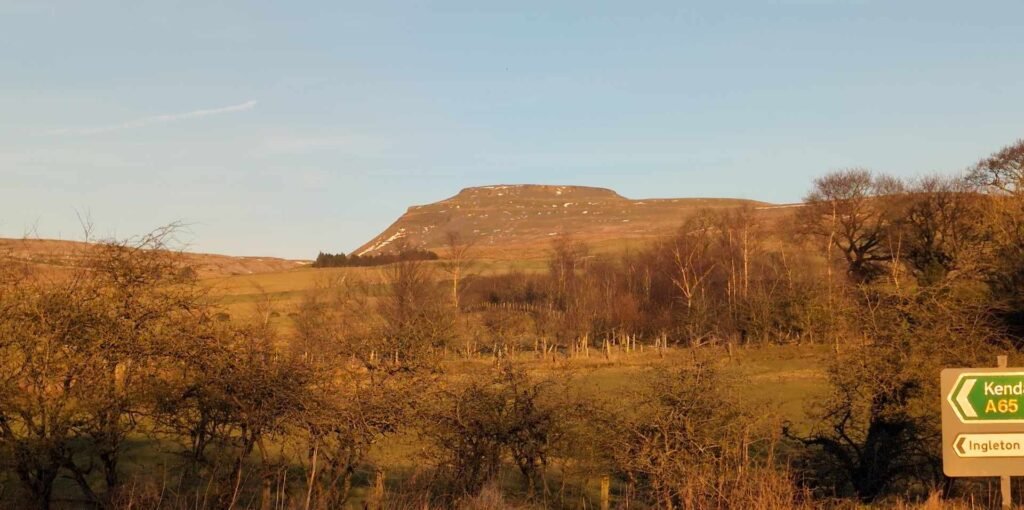
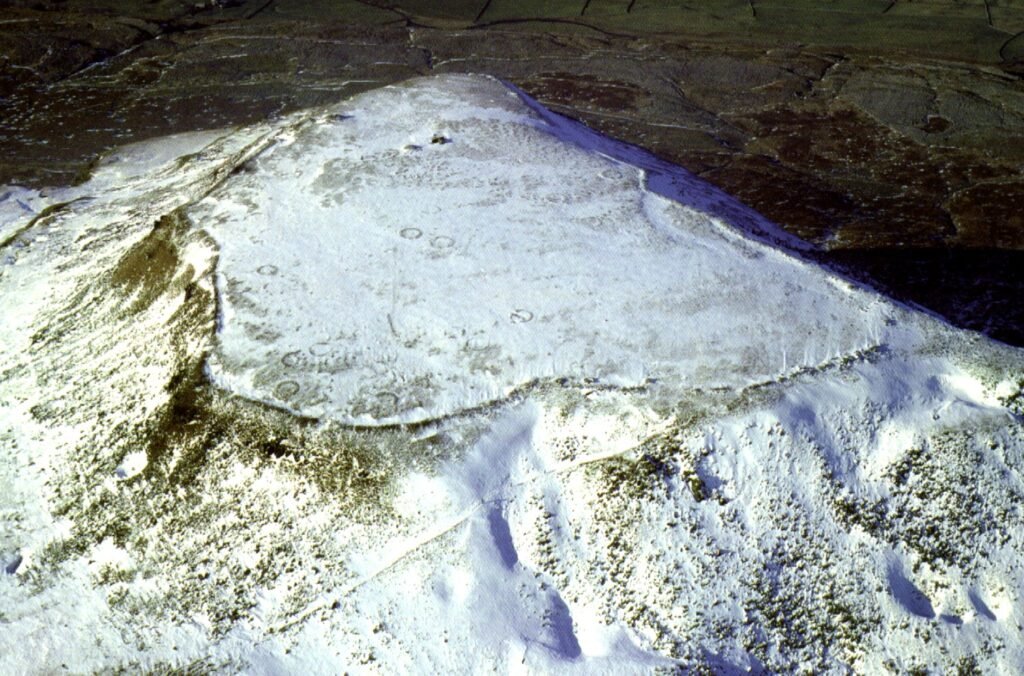
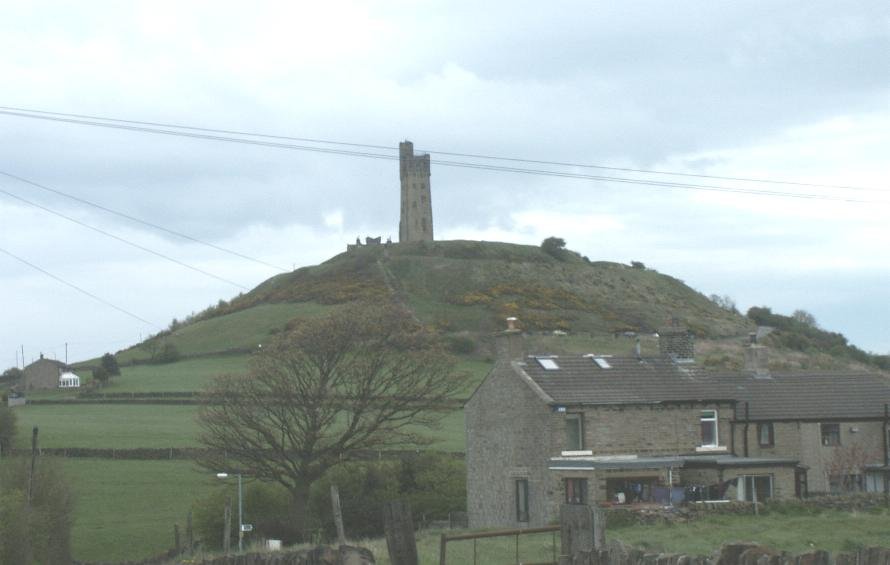
High places, especially mountains, as the hills of the Dales used to be called, have always served to attract people, not only as places of aesthetic beauty, but also, as testified by the local Iron Age tribe, as places for "High One's", and right in the heart of the Yorkshire Dales, We have the Bronze/Iron Age hill fort of Ingleborough, close to Ingleton, and, of course, the Kings Dale. However, the Brigantes were a tribe of many kings, and their last overall leader, was a Queen, Cartimandua.
Migrations from Europe
It is almost certain, that following the receding of the last Ice-Age, around 6,000 BC, the populations of the fertile crescent and probably a broader swath of that temperate but increasingly hotter and drier geography, sought to find new lands away from their increasingly war-like motherlands.
Heroic Journeys?
Perhaps they were inspired by their ancestors, or their deities? Certainly those that we know of as Celts, seem to have had a tradition of a divine quest that may even have inspired the crusades. Certainly, in the case of the legend of Arthur, those quests seem to continue well into the Middle Ages.
Dealing with Life in the Dales
Any early settlers, however, will have been faced with the challenge of the landscape of the dales. Tall hills cast a long shadow, and in the growing season can be much shorter due to this. Similarly, the higher up you live, the harsher the winds, the colder the winters.
From Caves to Houses
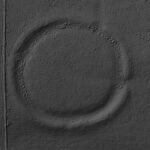
Therefore, here in the dales. We will have first found caves, but very quickly built a structure, as much as possible, out of all that stone those glaciers left behind. We can see this in the round houses left here and there, sometimes alone, sometimes in clusters.
Dwellings to fit-in with the Terrain
Though, it is probably a mistake to think other dwelling types did not exist. We know elsewhere, lean-too type dwelling were made to take advantage of cliffs, and in hilly places, some quite unorthodox structures can end up being created.
Existing pre-Neolithic Populations
That is not to say that people did not already live in the dales, prior to the Neolithic period. They did, but it would seem they were mainly semi-nomadic, travelling from place to place, maximising natural food availability with the seasons, and any shelters they may have left behind have proven to be scarce on the ground.
Mesolithic Remains
It is likely, also, that those people had their ways of leaving their mark, as the potential Mesolithic pit alignments at Thornborough Henges, north of the Northern Henge indicate. Just like that other major monument from our ancient past, Stonehenge. With a home in place for shelter and warmth.
Food Supply
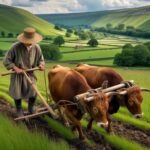
The next task will have been to ensure an adequate supply of food. Although the people who arrived here, probably in waves, from the early Neolithic period, must have lived some form of nomadic life while travelling, they also know about agriculture. And that with each wave of migration, new agricultural, and animal husbandry skills would arrive.
Mining
However, the Yorkshire Dales has also been a draw for its minerals and metals, and it would surely not be too long before those ancient people would hear of those lead, silver and other resources from those hills were being exploited. It may be that our oldest golden "earrings", found in Ripon, may commemorate the day we heard that news. (Update to follow, the same earrings that were found with the Amesbury Archer, have been found in three places in Brigantia - Boltby, Nenthead, and somewhere close to Cana Barn Henge, and I am told it is somewhere in Ripon Cathedral, hopefully a visit will reveal some facts.).
Later times
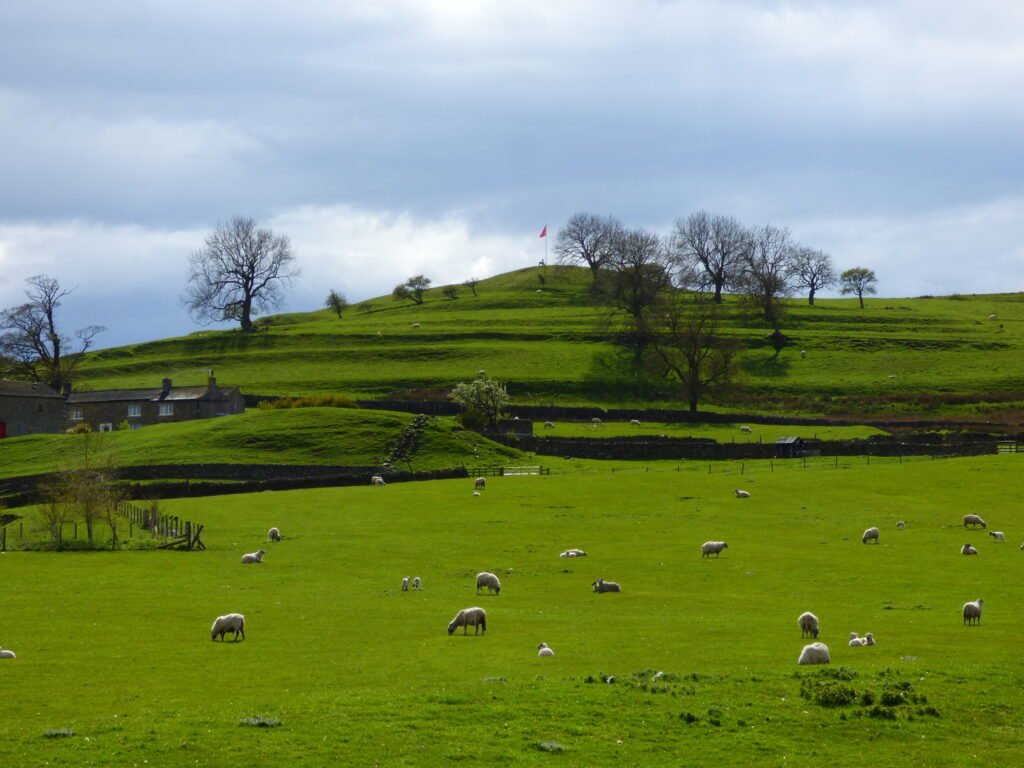
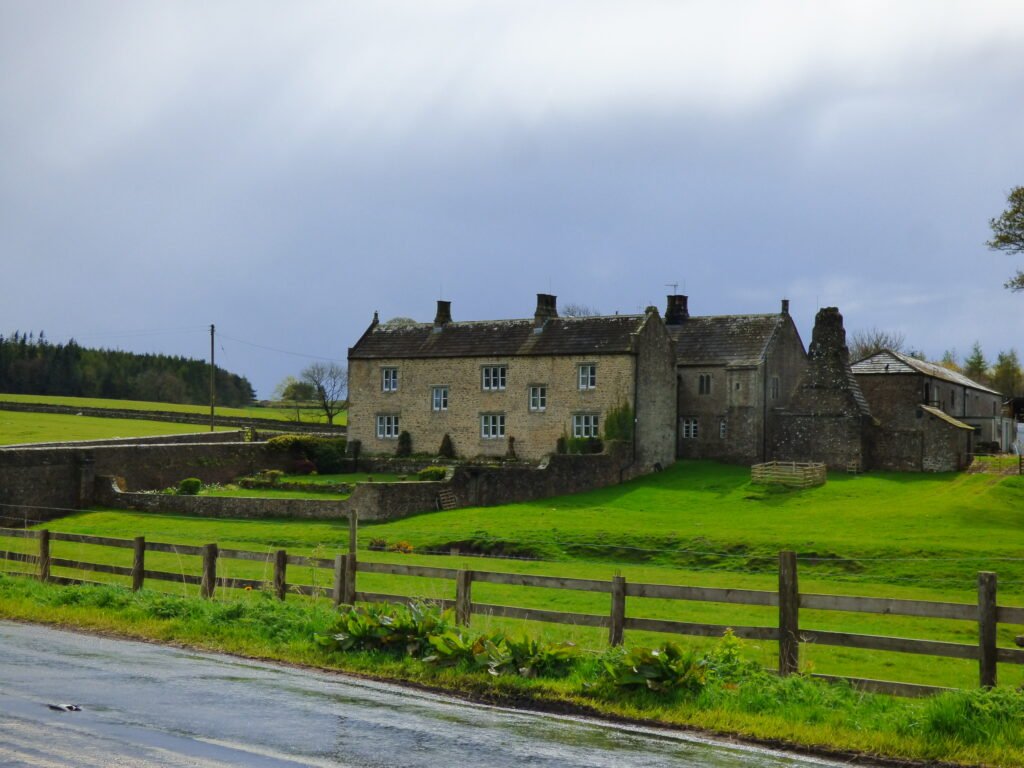
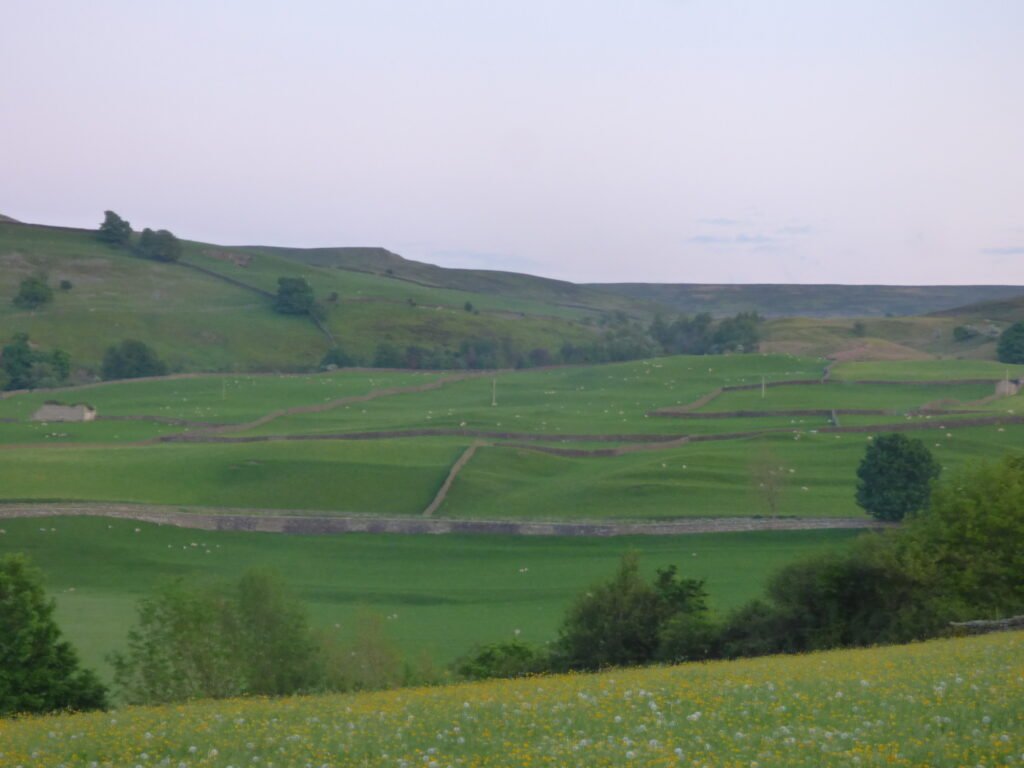
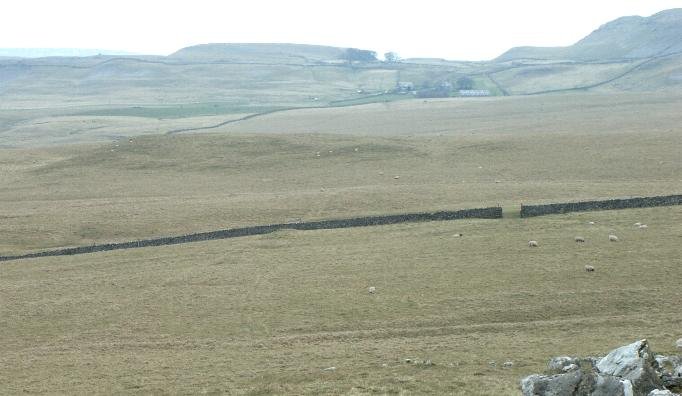
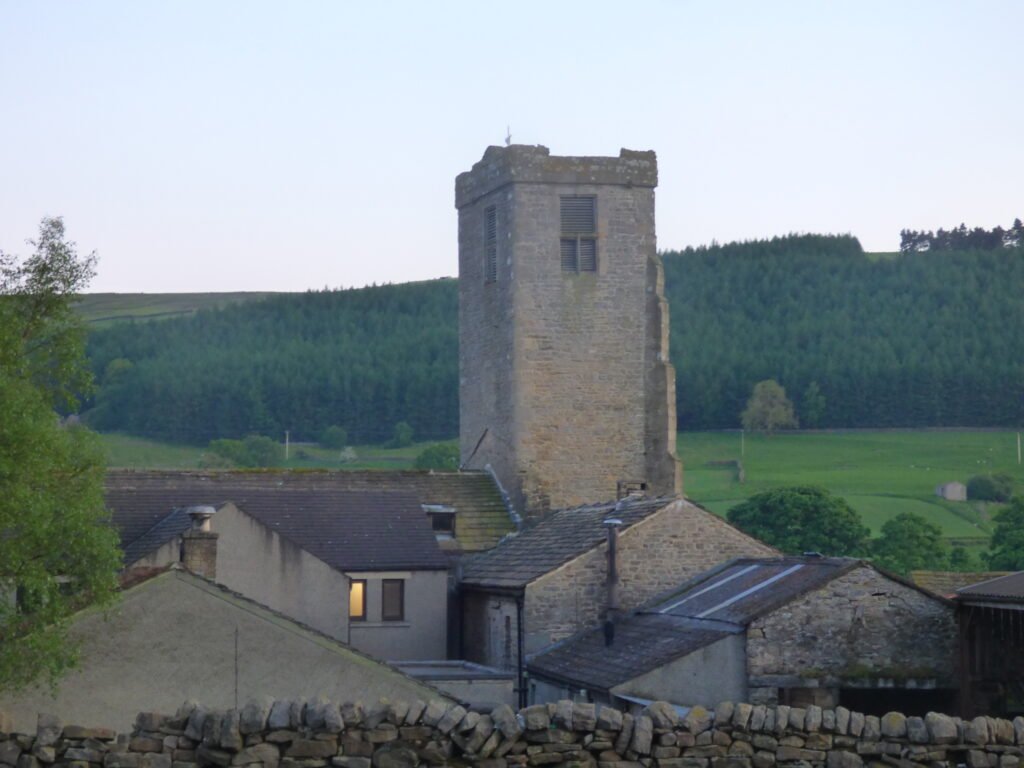
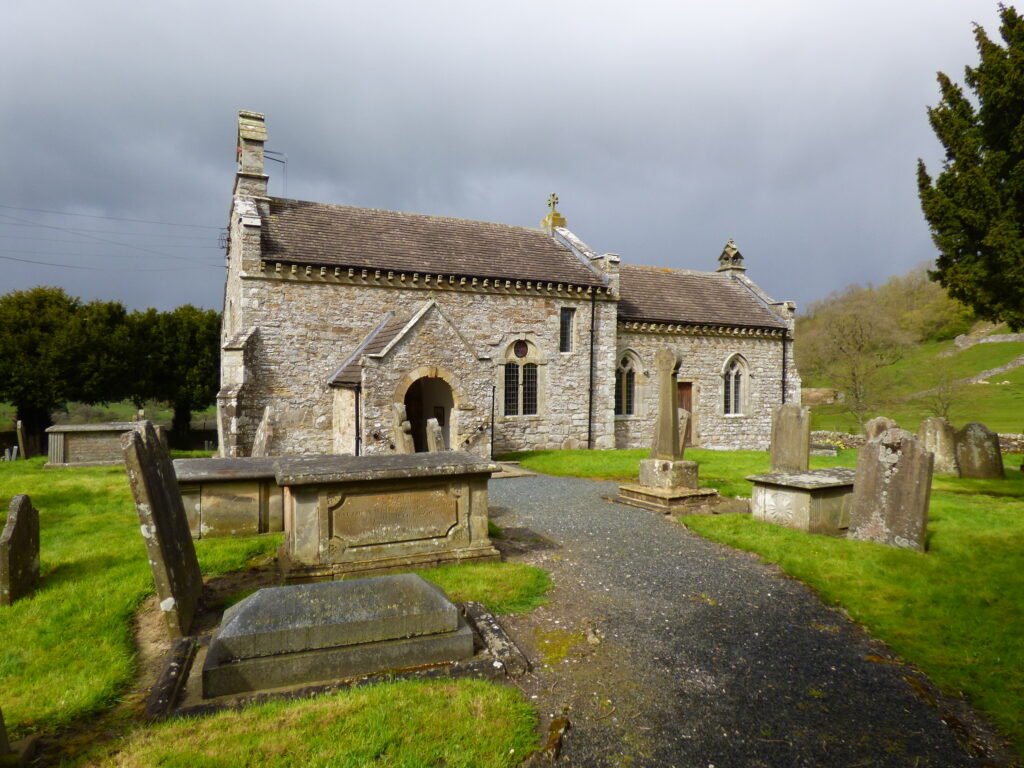
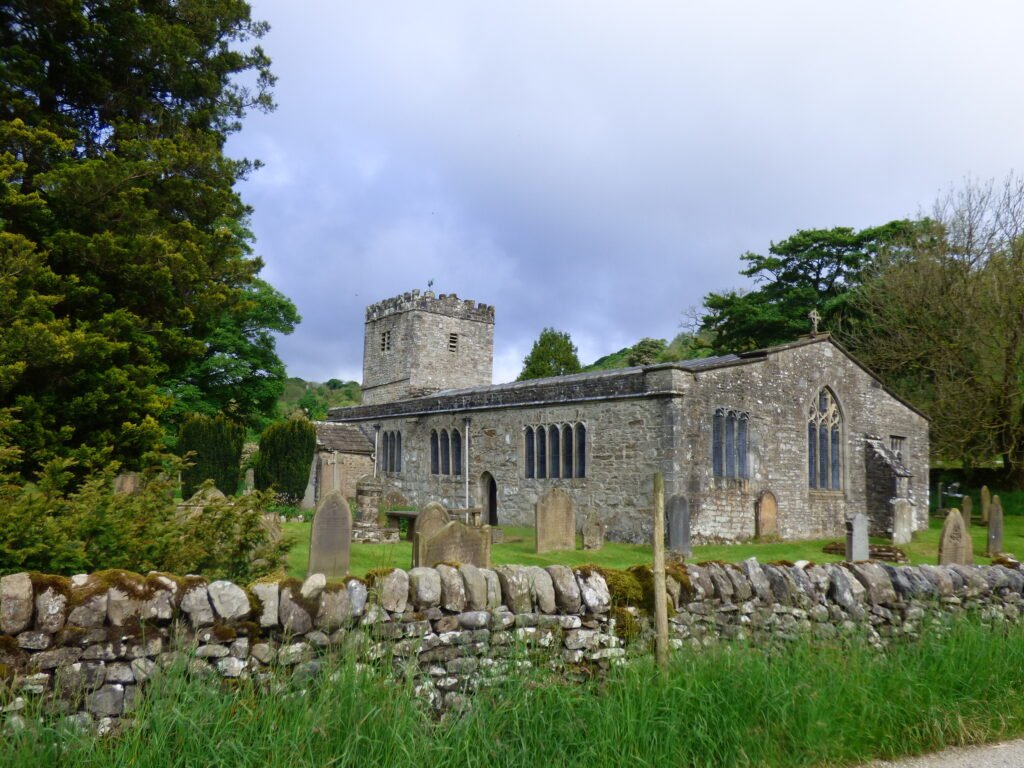
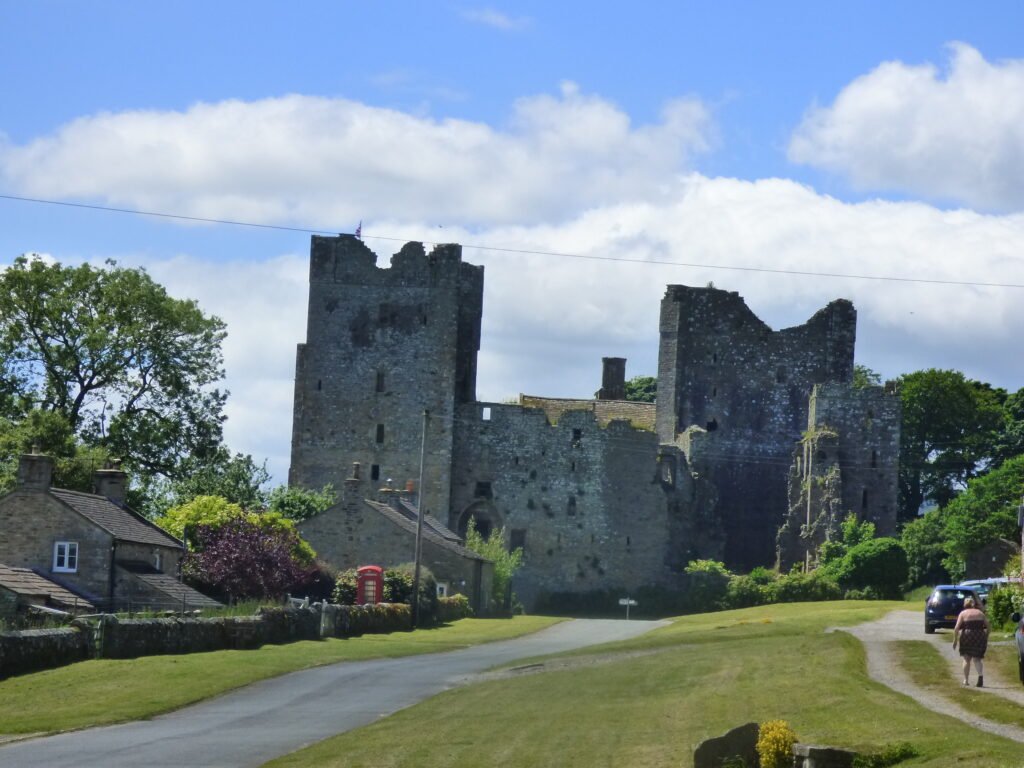
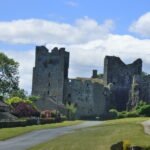
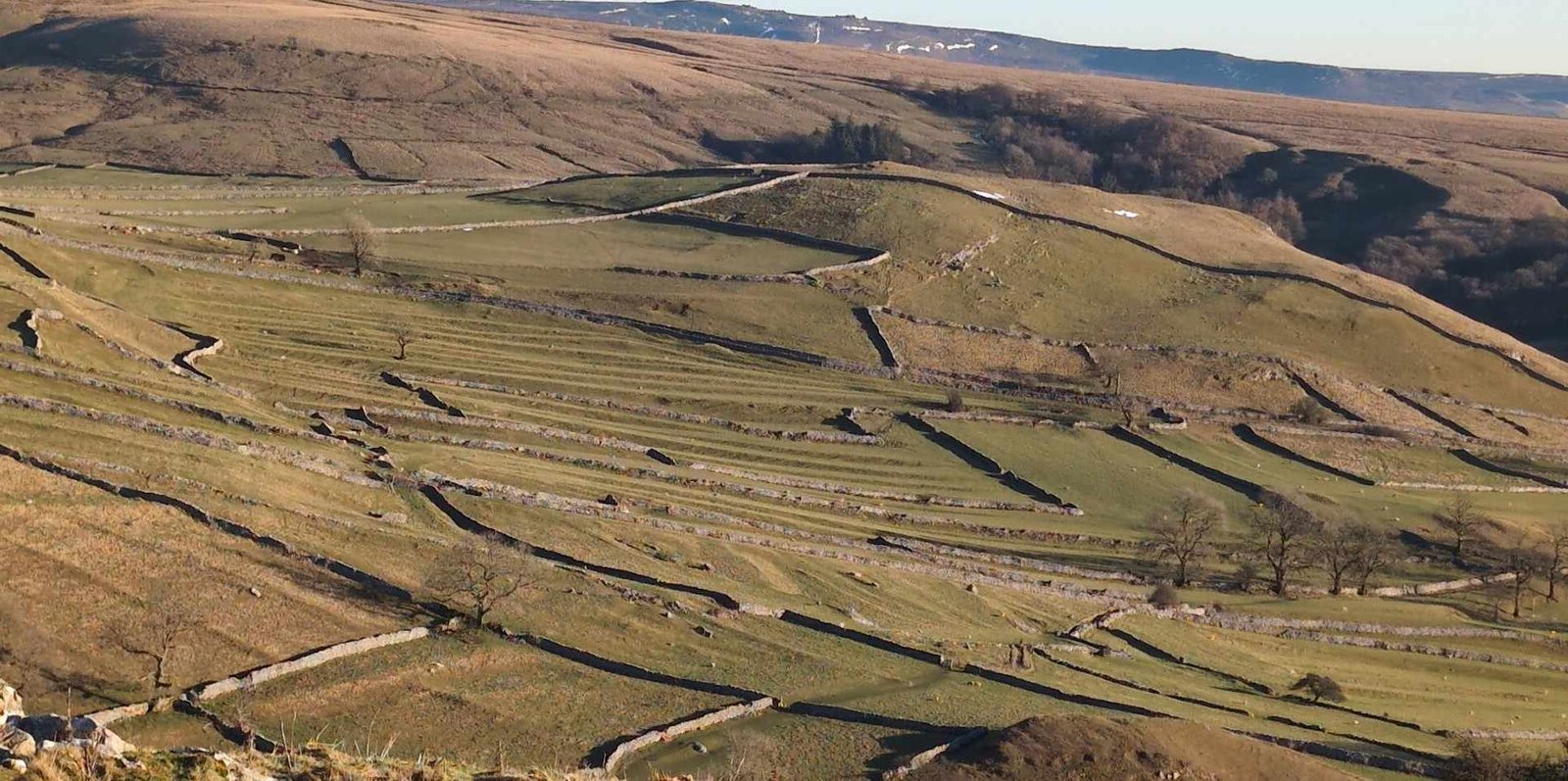
From the evidence of prehistoric settlements to the dramatic impact of the Roman occupation and the medieval period, the Dales’ history is etched into the landscape. The region's farming traditions, particularly sheep farming, have shaped its character and culture. The numerous dry-stone walls are a defining feature of the Dales landscape. Picturesque villages and market towns, each with its own unique story, dot the landscape, preserving the region's heritage and offering a glimpse into the past. The Dales have also played a role in literature and art, inspiring countless writers and artists throughout history.
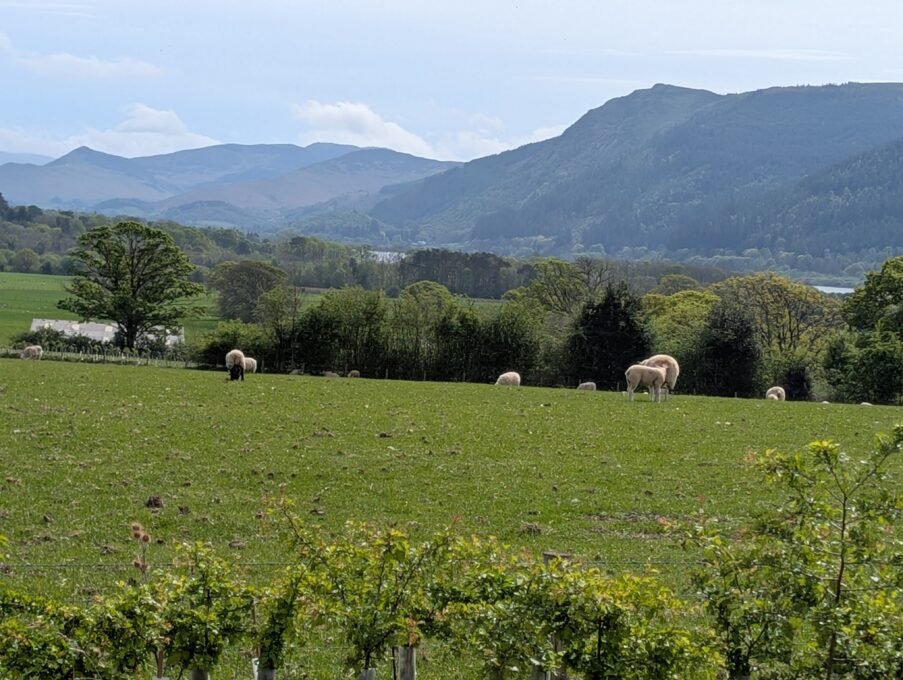
Bishopdale lies within the northern limb of the Askrigg Block, its underlying bedrock dominated by Carboniferous limestones with intermittent Shales...








 Geology
 Heritage