Notice: Function WP_Scripts::add was called incorrectly. The script with the handle "datatables-responsive" was enqueued with dependencies that are not registered: datatables. Please see Debugging in WordPress for more information. (This message was added in version 6.9.1.) in /home/u621095157/domains/brigantesnation.com/public_html/wp-includes/functions.php on line 6131
King Arthur's Round Table is a Late Neolithic Henge (2000-1000 BCE). It consists of a low circular platform surrounded by Read more
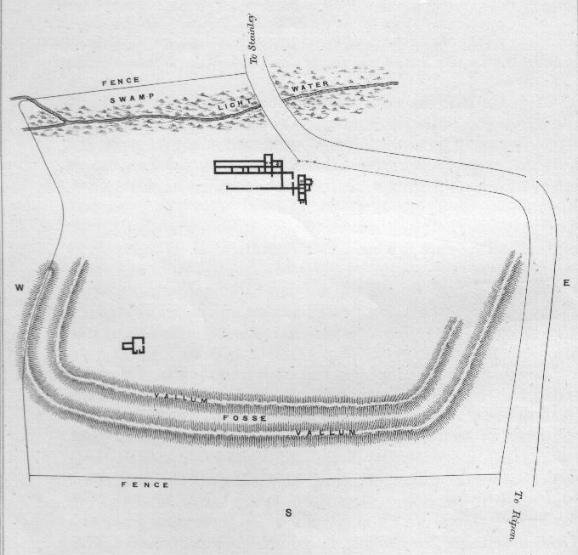
The Earthworks at Walburn Hall Farm in Richmond are a testament to the area's rich historical tapestry, dating back to medieval times. This site is recognized as a Scheduled Monument, indicating its national importance and is protected by law. The earthworks are the remnants of a medieval settlement and field system, which include the ruins of a high-status medieval house and gardens, a mill, and a small kiln, alongside evidence of a millpond and mill race. The first recorded mention of the village dates to 1222, but the layout suggests it was established during the late 11th and 12th centuries. The field system, visible as large blocks of linear, parallel earthworks known as ridge and furrow, is particularly well-preserved in the fields to the south of the present Walburn Hall. These earthworks also show features like headlands and balks, which divided the fields into sections for agricultural use. Additionally, the site includes evidence of Medieval canalization of the stream for water management, which flowed through the village green. To the north of Crowhill Beck, there is evidence of a major trackway extending north to Richmond, highlighting the site's historical significance as part of a broader medieval landscape. The Preservation of these earthworks allows for a glimpse into the agricultural and domestic life of the medieval period, offering valuable insights into the social and economic structures of the time. The site's protection ensures that these insights will continue to be available for future generations, contributing to our understanding of England's historical environment.

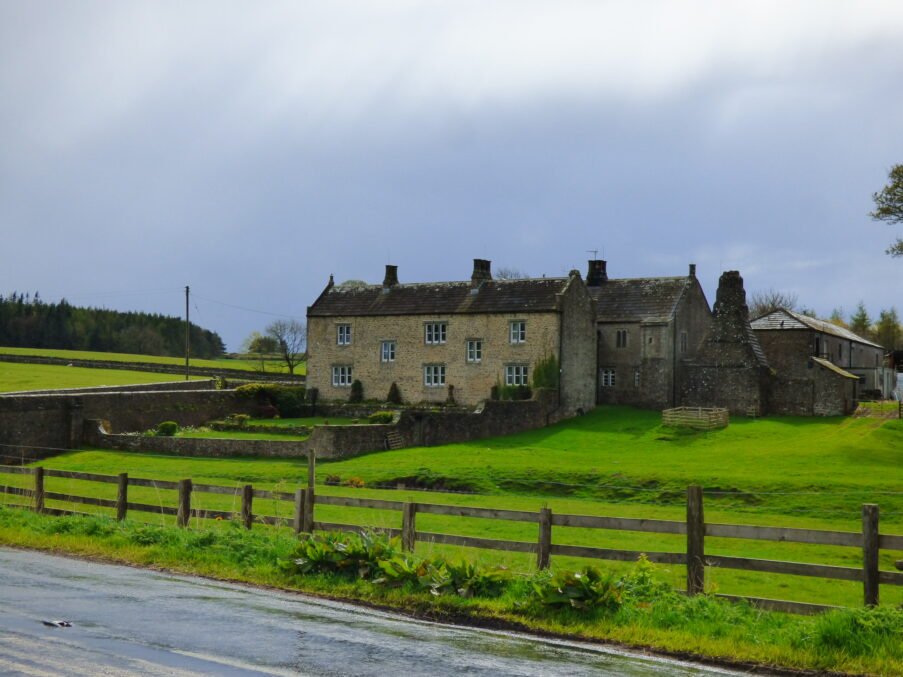

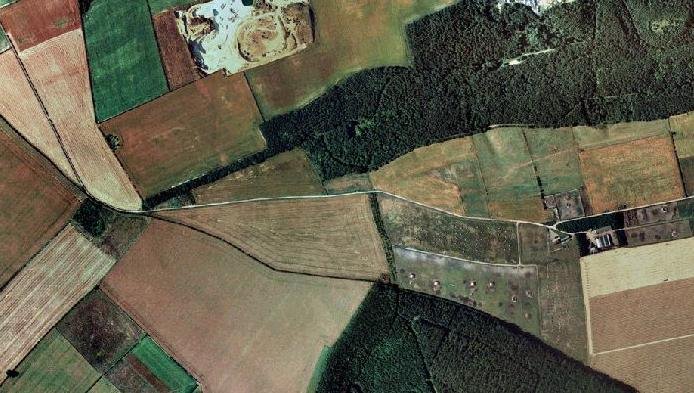



 The Earthworks at Walburn Hall Farm in Richmond are a testament to the area's rich historical tapestry, dating back to medieval times.
  This site is recognized as a Scheduled Monument, indicating its national importance and is protected by law.
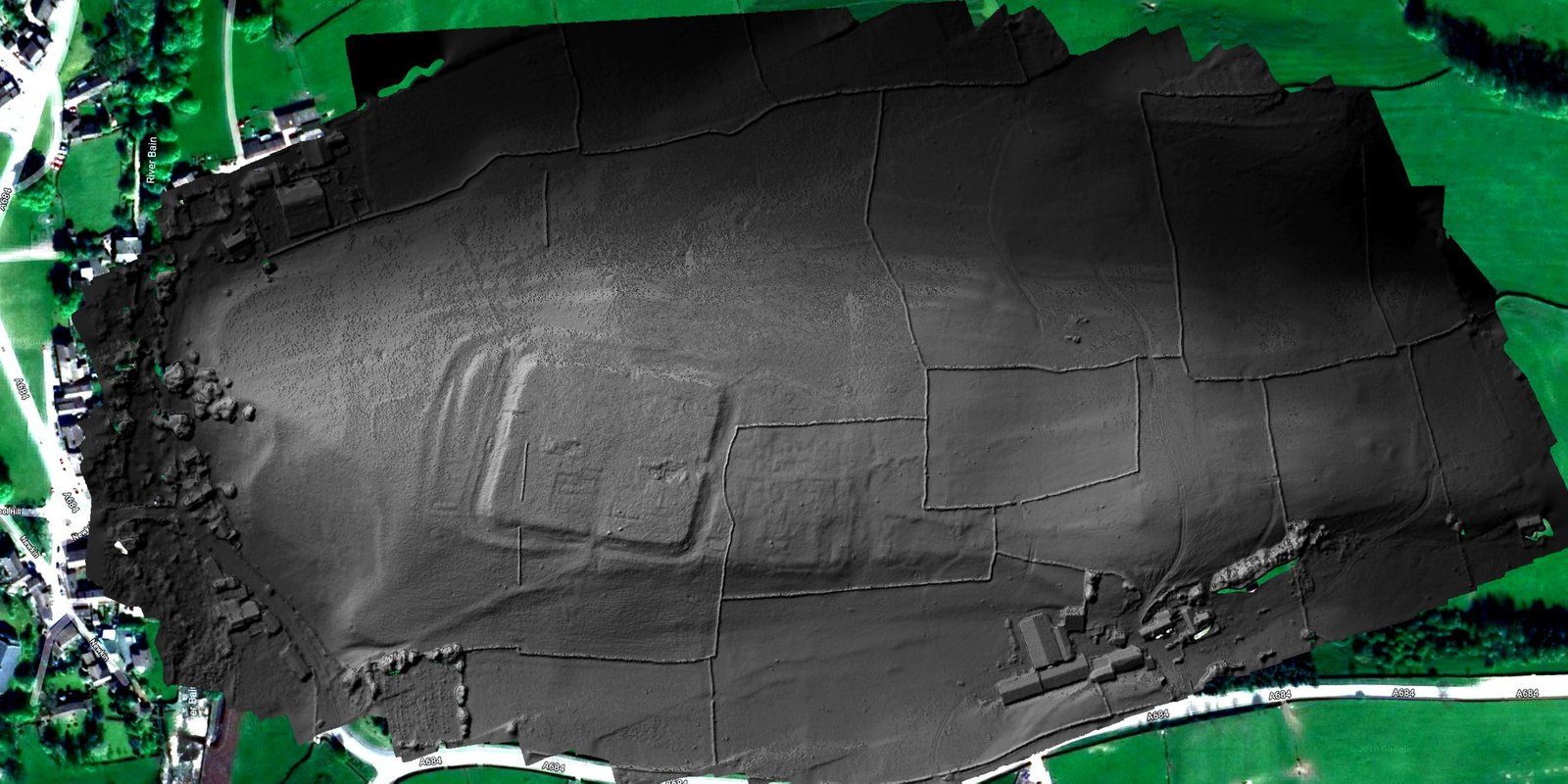
  The earthworks are the remnants of a medieval settlement and field system, which include the ruins of a high-status medieval house and gardens, a mill, and a small kiln, alongside evidence of a millpond and mill race.
  The first recorded mention of the village dates to 1222, but the layout suggests it was established during the late 11th and 12th centuries.
  The field system, visible as large blocks of linear, parallel earthworks known as ridge and furrow, is particularly well-preserved in the fields to the south of the present Walburn Hall.
  These earthworks also show features like headlands and balks, which divided the fields into sections for agricultural use.
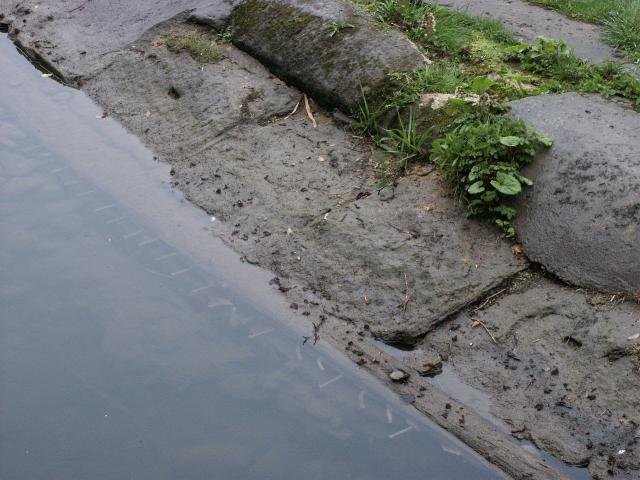
  Additionally, the site includes evidence of Medieval canalization of the stream for water management, which flowed through the village green.
  To the north of Crowhill Beck, there is evidence of a major trackway extending north to Richmond, highlighting the site's historical significance as part of a broader medieval landscape. The Preservation of these earthworks allows for a glimpse into the agricultural and domestic life of the medieval period, offering valuable insights into the social and economic structures of the time. The site's protection ensures that these insights will continue to be available for future generations, contributing to our understanding of England's historical environment.