Bolton Castle, an ancient fortress located in the heart of Wensleydale, Yorkshire, stands as a testament to medieval architecture and Read more
Site Details
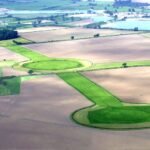
John O'Gaunt's Castle, located near Harrogate in North Yorkshire, is a historical site with roots that intertwine myth, history, and medieval legend. Despite being called a "castle," it is more accurately described as the ruins of a hunting lodge or fortified manor house, traditionally associated with John of Gaunt, Duke of Lancaster (1340–1399). Here's what is known about the site:
Historical Background
John of Gaunt: The site takes its name from John of Gaunt, the son of King Edward III and a powerful figure in medieval England. He was the Duke of Lancaster, and his connection to the site is more symbolic or legendary than definitively historical.
Purpose: It is believed that the structure served as a hunting lodge or a defensive retreat, possibly connected to the nearby Royal Forest of Knaresborough, which was a significant hunting ground during the medieval period.
Archaeological and Architectural Details
Ruins: Today, very little remains of the structure, primarily fragments of walls and earthworks, making it challenging to determine its full size or purpose.
Architecture: From what survives, the site is thought to have been relatively modest, likely reflecting its role as a hunting lodge rather than a full-fledged castle.
Myth and Legend
John of Gaunt's Association: There is no concrete evidence that John of Gaunt ever lived or stayed there, but the name reflects the region's ties to his legacy. As one of the most influential figures of his time, many sites were named after him.
Romanticized History: In later centuries, the ruins became a source of inspiration for poets and local storytellers, further embedding John of Gaunt's name into the lore of the site.
Surrounding Context
The Forest of Knaresborough: The hunting lodge would have been part of the royal hunting grounds, a vital aspect of medieval aristocratic life.
Local Interest: The castle is one of several historic sites in the Harrogate area, including the more famous Knaresborough Castle.
Modern Status
Condition: The site is in a ruined state, with only a few remnants visible today. It is accessible to visitors interested in exploring the area's medieval history.
Preservation: There has been limited excavation or preservation work, leaving much of the site's history speculative.
While John O'Gaunt's Castle near Harrogate is more of a symbolic site than a grand medieval fortress, its association with the Duke of Lancaster and its place within the context of the Royal Forest of Knaresborough give it historical significance. Its connection to the romanticized medieval past and the enduring legend of John of Gaunt makes it an intriguing destination for history enthusiasts.
Beaver Dyke
You said:
ChatGPT said:
Beaver Dyke, located near the ruins of John O'Gaunt's Castle and Harrogate, holds historical and geographical interest. It may be connected to the area's medieval past and the castle itself, though its precise role remains speculative. Here’s an exploration of its significance and possible ties:
Historical Background of Beaver Dyke
Natural Feature with Human Use: Beaver Dyke refers to both a geographical ridge and an area near the Beaver Dyke Reservoirs. Historically, natural features like dykes and ridges often played roles in medieval landscapes, whether as defensive features, boundaries, or water management systems.
Potential Medieval Use:
If connected to John O'Gaunt's Castle, Beaver Dyke could have served as part of the castle's natural defences.
Alternatively, the dyke might have functioned as part of the land management system in the surrounding Royal Forest of Knaresborough.
Reservoirs and Their Role
Beaver Dyke Reservoirs: Constructed in the 19th century, these reservoirs post-date the medieval period and likely disrupted earlier land features, including any medieval water systems that might have existed in the area.
Possible Medieval Precursor:
The reservoirs may overlay earlier waterworks. For instance, a natural stream or a small artificial moat-like feature could have been present to supply water to John O'Gaunt's Castle or other nearby sites.
Water management was crucial for hunting lodges or defensive structures, as it provided drinking water, fish stocks, and possible moats.
Significance of Water Features to John O'Gaunt's Castle
Strategic Location: Water features like Beaver Dyke might have been used for:
Defence: A moat-like feature around the lodge or its perimeter could deter intruders or wild animals.
Sustainability: Proximity to reliable water sources would have been essential for supporting hunting expeditions, livestock, and household needs.
Symbolic Power: Reflecting the grandeur and self-sufficiency of a site associated with a figure like John of Gaunt, access to water could underscore the site’s importance.
Broader Landscape Context
The Royal Forest of Knaresborough: This hunting ground likely influenced how natural features like Beaver Dyke were utilized or developed.
Territorial Boundaries: Dykes often served as boundary markers, separating estates or regions within royal forests. It’s possible Beaver Dyke had a similar function.
Speculative Connections
While no definitive evidence directly links Beaver Dyke to the castle, the proximity and significance of water features in medieval landscapes make it plausible that it played a role:
Moat-Like Function: If a stream or body of water predated the reservoir, it could have been enhanced to form a defensive or ornamental moat.
Symbolic Geography: The dyke and reservoirs may have been central to the location’s choice as a hunting lodge, providing natural protection and water resources.
Conclusion
Beaver Dyke is an intriguing feature near John O'Gaunt's Castle that may have served as a natural and strategic asset in the medieval landscape. Although the current reservoirs were built much later, earlier water features or uses could have had significance, possibly as a moat-like structure, a boundary marker, or a source of sustenance and defence. Further archaeological or historical research would be needed to clarify its medieval connections.