Contents
- 1 North Yorkshire — Geography, Geology, Pre-history, History & Heritage
- 2 Linked Documents
- 3 Aldborough Hall, North Yorkshire
- 4 Aldborough Roman Town
- 5 Boltby Scar Iron Age Hill Fort
- 6 Bowbridge Lane Late Bronze Age burial site, Catterick
- 7 Cana Barn Henge
- 8 Castle Dykes Roman Villa
- 9 Catterick Henge
- 10 Catterick Roman Fort
- 11 Catterick Roman Marching Camp
- 12 Cleave Dyke Defensive System
- 13 Devil’s Arrows
- 14 Earthwork 300m East of the Entrance to Swinton Castle
- 15 Earthworks at the top of Holly Hill, Well
- 16 Eboracum, York
- 17 Field Systems at Reeth
- 18 Hutton Moor Henge
- 19 John O’Gaunt’s Castle and Beaver Dyke – Harrogate
- 20 Kilburn White Horse
- 21 Kilgram Bridge Ford
- 22 Kirklington Tumulus
- 23 Live Moor Hill Fort
- 24 Maidens Grave – Burton Fleming, North Yorkshire
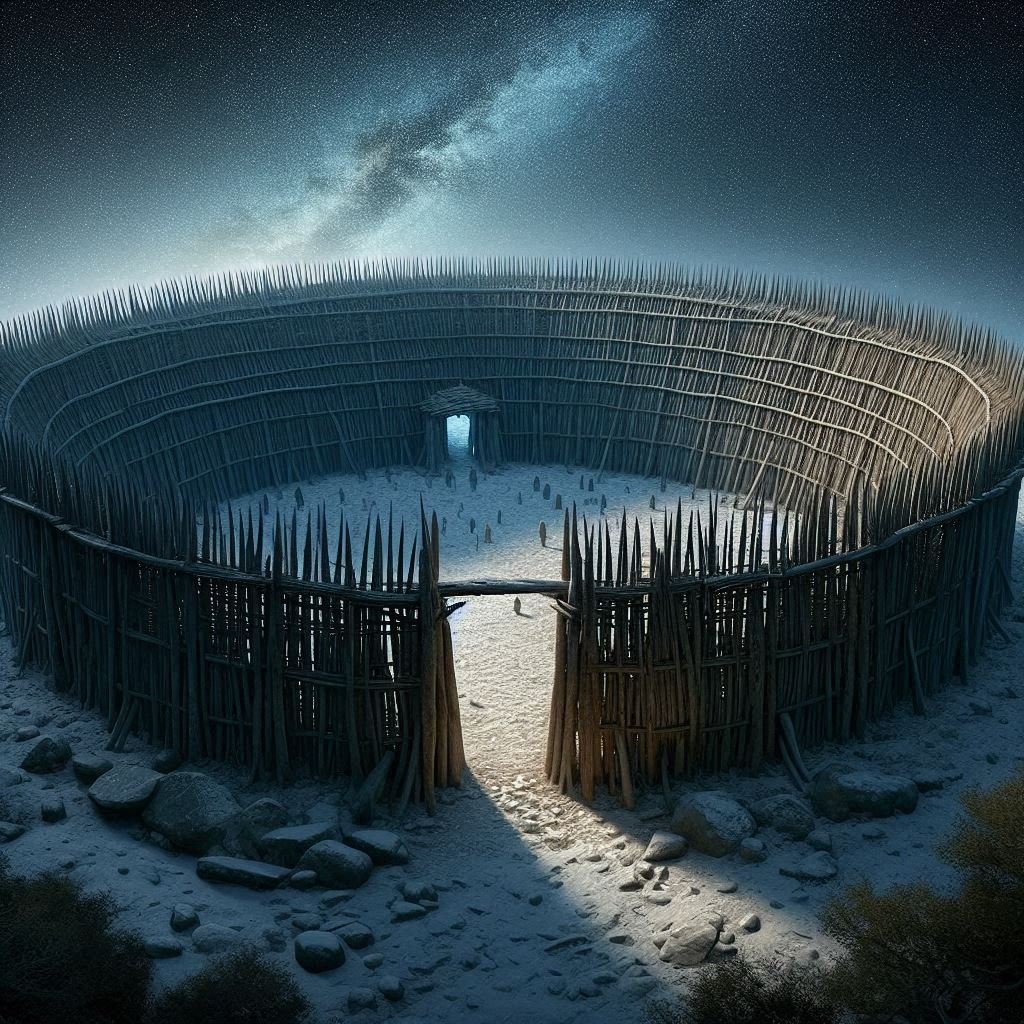
- 25 Marne Barracks Neolithic palisaded enclosure
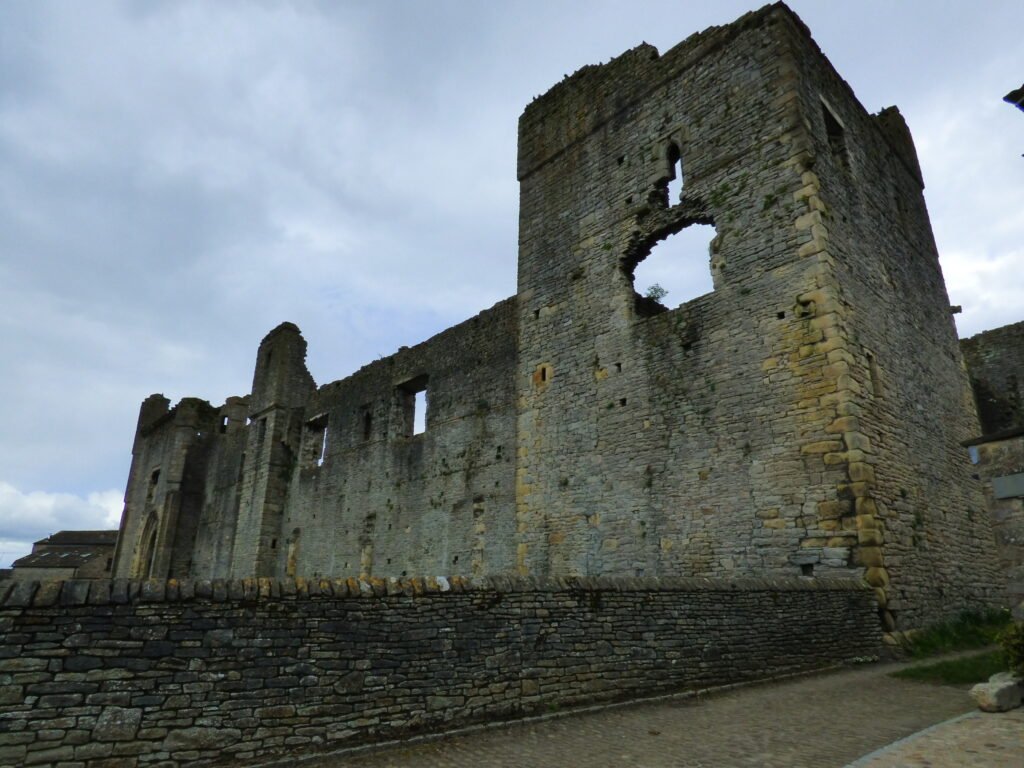
- 26 Middleham Castle
- 27 Motte and Bailey – Northallerton
- 28 Moulton Henge
- 29 Near Moor
- 30 Newsham House, Newsham, Richmond
- 31 Newton Kyme Henge
- 32 Nunwick Henge
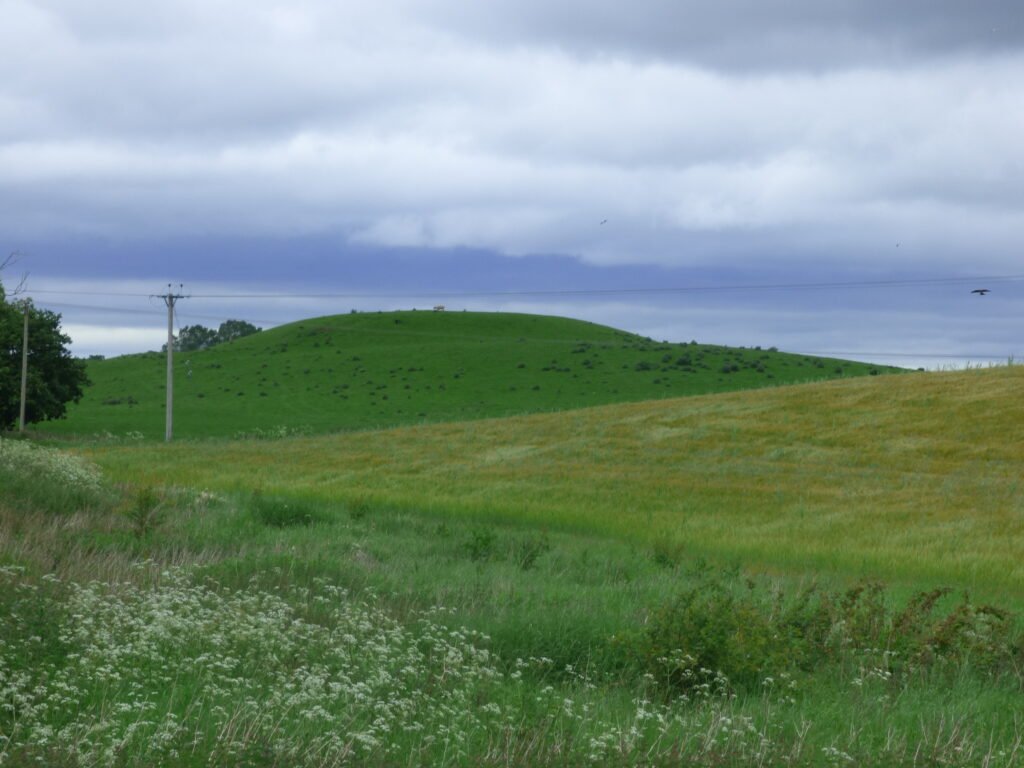
- 33 Pickhill Mound
- 34 Ramsgill Celtic Head
- 35 Roulston Scar Hill Fort
- 36 Scorton Cursus
- 37 Scotts Dyke – Richmond
- 38 Sinderby Henge
- 39 Snape Castle
- 40 St Andrew’s Church, Aldborough
- 41 St Cuthbert’s Church, Forcett
- 42 St John the Baptist Church, Kirby Wiske
- 43 St John the Baptist Church, Stanwick
- 44 St Mary Magdalen the Leper Chapel Ripon
- 45 Stanwick Hill Fort
- 46 Staple Howe West Hesterton
- 47 Studforth Hill Roman Amphitheatre and Motte and Bailey, Aldborough, North Yorkshire
- 48 Temple Lane Ritual Routeway
- 49 The Cistercians in North Yorkshire
- 50 The Latimer Family
- 51 The Nevilles
- 52 The Yorkshire Dales
- 53 Thornborough Henges
North Yorkshire — Geography, Geology, Pre-history, History & Heritage
| Theme | Key points | Highlights |
|---|---|---|
| Geography | • Covers c. 8 000 km² from the Pennines' spine eastward to the North Sea.• Two National Parks—Yorkshire Dales (Limestone “karst country” dissected by deep dales) and the North York Moors (heather-clad Jurassic upland with dramatic coast).• Lowlands: Vale of York (glacial lacustrine plain) and Vale of Pickering separate the uplands.• Major rivers: Ure, Swale, Ouse, Derwent; all drain to the Humber or directly to the North Sea. | – Highest point: Whernside (736 m).– Iconic coastlines: Whitby Cliffs, Robin Hood’s Bay.– Climate: cool-temperate, wetter on western Pennines, drier east of the Moors. |
| Geology | • Western Dales: Carboniferous limestones, sandstones and Millstone Grit—classic stepped “Yoredale Series”.• Central lowlands: Permo-Triassic red beds and evaporites; glacial tills mantle the Vales.• North York Moors: tilted Jurassic sequence—Cleveland Ironstone, sandstones (building stone), Shales (jet).• Flamborough Head: only onshore Cretaceous Chalk in northern England.• Quaternary: Drumlins, eskers and the terminal Moraines of the Vale of Pickering. | – Mineral wealth: ironstone (Rosedale), alum shales (16-18 c.), Jurassic jet (Whitby).– Classic limestone cave systems (Ingleborough region). |
| Pre-history | • Mesolithic: lakeside settlement at Star Carr (9 300 BC).• Neolithic: henge monuments of Thornborough; Rudston megalith on the Wolds.• Early Bronze Age: dense round-Barrow cemeteries on the North York Moors and Dales heights.• Late Bronze / Iron Age: “Arras culture” square-barrow cemeteries and chariot burials (East Riding); hillforts (Ingleborough, Malham Tarn).• Tribal zone of the Brigantes. | – Gold Rillington “Wold burial” finds.– Stanwick Oppidum, one of Britain’s largest Iron-Age enclosures. |
| History | Roman: Fortified routes (Dere Street, Wade’s Causeway); legionary HQ at Eboracum (York); auxiliary forts at Catterick, Malton. Anglo-Saxon: Kingdom of Northumbria; synod of Whitby (664). Viking: Jorvik (York) Scandinavian hub; Norse place-names blanket the Dales. Norman-Medieval: Castles (Helmsley, Pickering), monastic boom—Rievaulx, Fountains, Jervaulx. Tudor–Georgian: Dissolution reshapes estates; coastal alum and jet industries. Industrial era: Cleveland iron-stone, Whitby whaling, rise of seaside resorts (Scarborough, Filey), North York Moors Railway (1836+). | – York twice imperial Roman capital (Septimius Severus, Constantine I proclaimed 306).– 1132–1539: Cistercian powerhouses (Rievaulx, Fountains) transform sheep-pasture economy. |
| Heritage today | • UNESCO: Fountains Abbey & Studley Royal World Heritage Site.• York Minster, medieval walls, Viking Jorvik Centre.• Whitby Abbey (English Gothic silhouette inspiring Bram Stoker).• Captain Cook’s birthplace (Marton) & Whitby HM Bark Endeavour story.• North York Moors & Yorkshire Dales National Parks—hiking, caving, heritage railways.• Cleveland Way & Pennine Way long-distance trails.• Agricultural traditions: Wensleydale cheese, Dales drystone walls, sheepfolds.• Rich folklore: barghest black dog of Whitby, Pennine lead-mining “knockers,” the giant Wade legends. | – Annual Viking Festival (York).– Beamish-style open-air museums: Ryedale Folk Museum.– Dark-sky reserves in the Moors promote astro-tourism. |
Why it matters for Brigantian & Ice-Age studies
North Yorkshire knit together contrasting terrains—Pennine limestone uplands, glacial lowland corridors and Jurassic coastal plateaux—that became natural migration funnels and resource frontiers from the Late Glacial through Roman and onto modern times. Its deep cave sequences (Victoria Cave, Vicar’s Moor), well-dated barrow cemeteries, and dense Roman-to-medieval documentary record make it a key calibration area for tracing how climate, geology and culture intersect in northern Britain.
Linked Documents
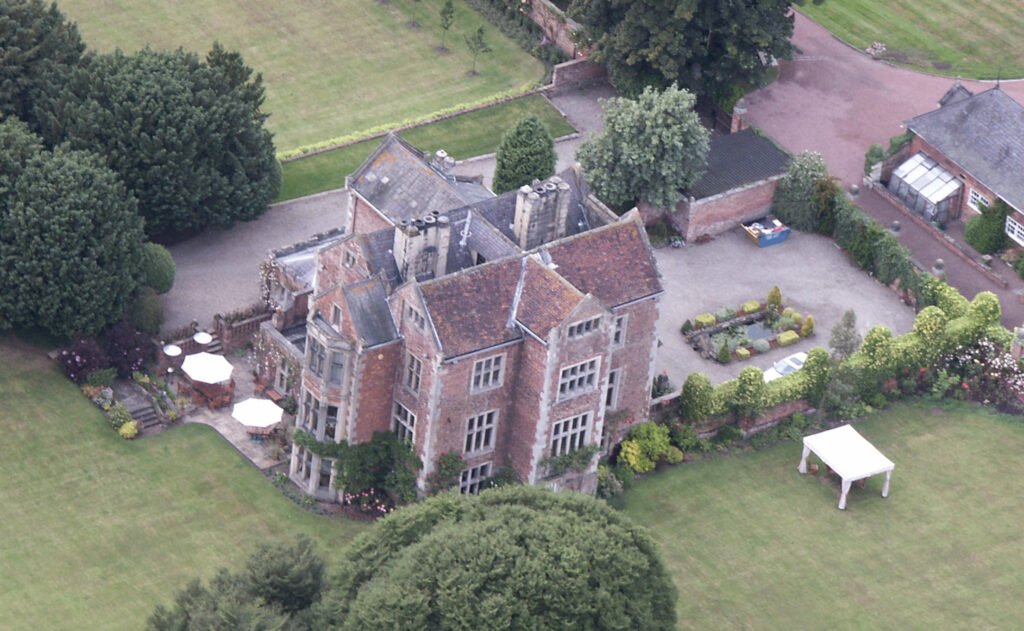
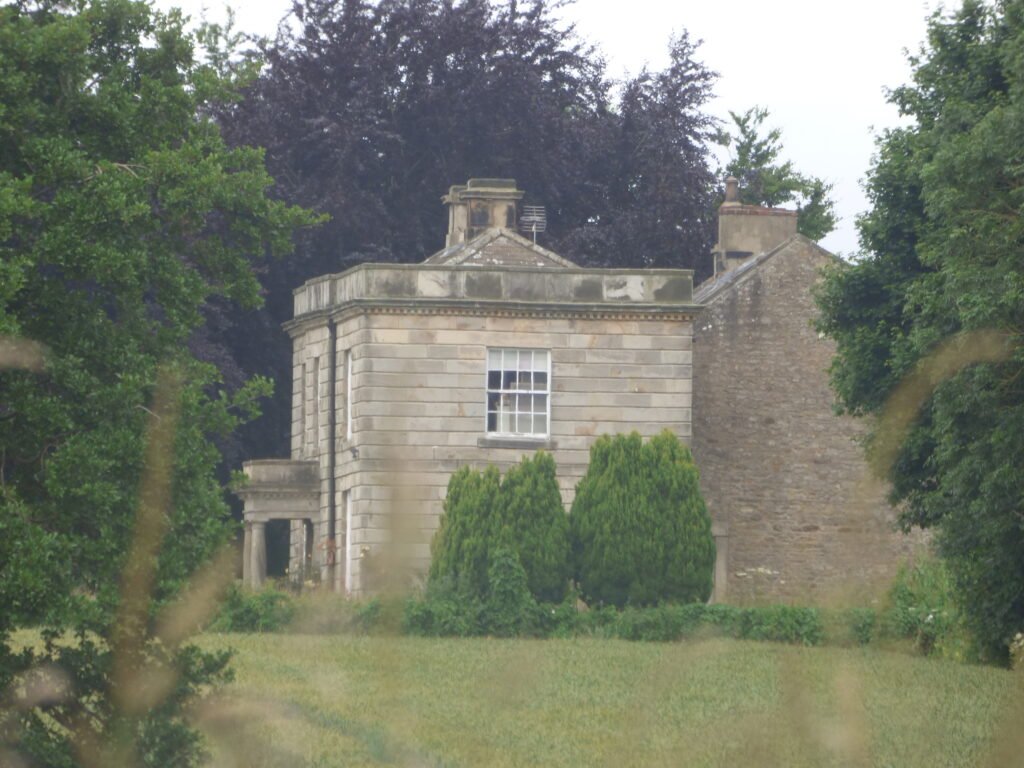
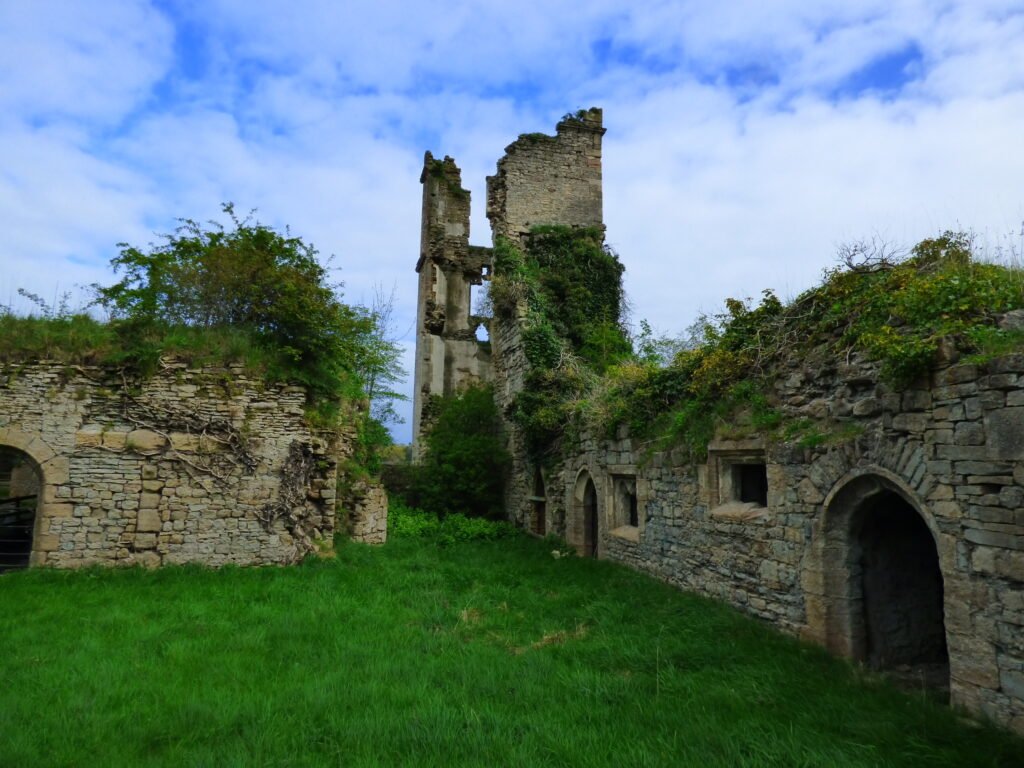
Aldborough Hall, North Yorkshire

Aldborough Hall, nestled in the picturesque village of Aldborough in North Yorkshire, England, is a testament to architectural evolution and...
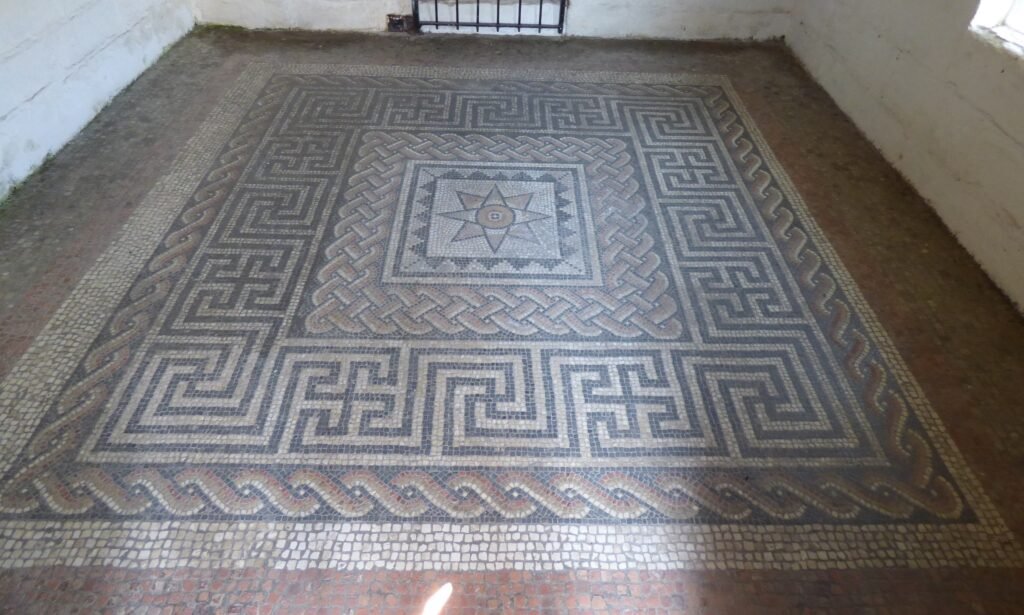
Aldborough Roman Town

Aldborough, or Isurium Brigantia as it was known in Roman times was the capital of Brigantia, at least from some...
Boltby Scar Iron Age Hill Fort

This Iron Age Hill Fort is mostly unrecorded and minimal information is available. A site visit is required to further...
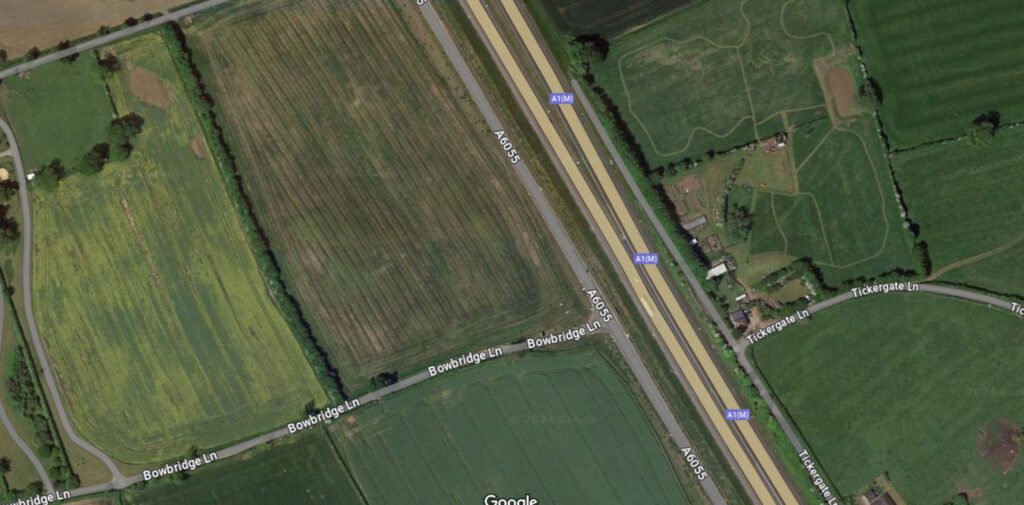
Bowbridge Lane Late Bronze Age burial site, Catterick

The excavation on the northern side of Bowbridge Lane as part of the A1 expansion revealed a significant archaeological site,...
Castle Dykes Roman Villa

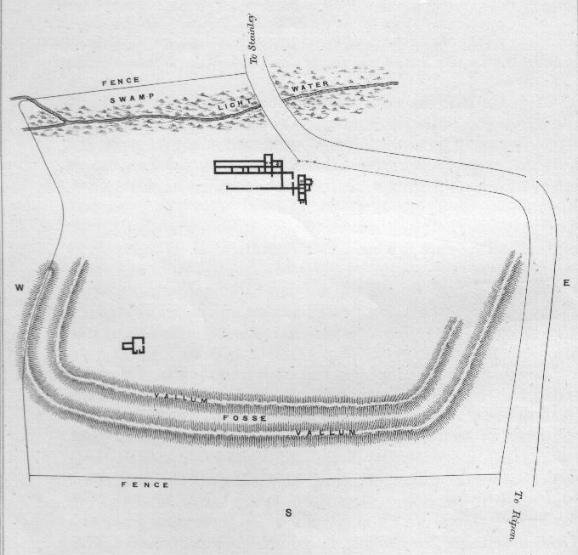
This earthwork was partially excavated in 1870, these revealed the foundations for a Roman villa of obvious opulence. It's final...
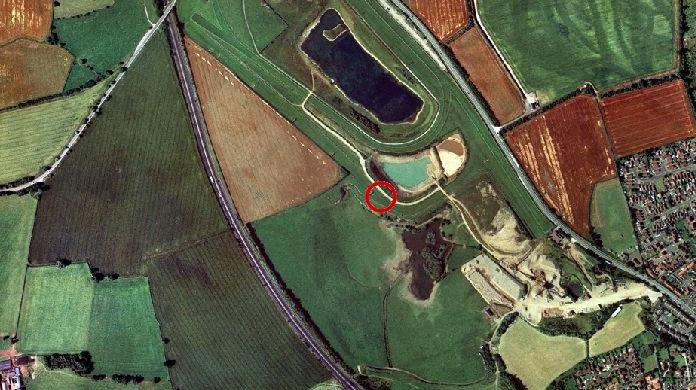
Catterick Henge

The henge at Catterick racecourse is an intriguing prehistoric site. Initially thought to be a Roman amphitheatre, it is now...
Catterick Roman Fort

The Fort at Catterick. It has an unusual shape due to multiple fort plans being overlaid on it. Originally, it...
Catterick Roman Marching Camp

Discovered only recently by air survey and geophysics, this camp lies on the alluvial plain of the River Swale, on...
Cleave Dyke Defensive System

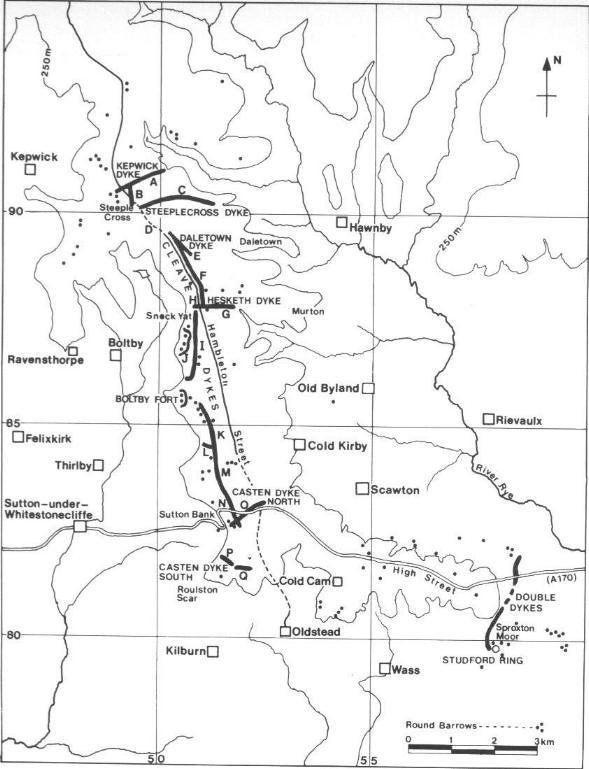
The Cleave dyke system is several Dykes which combine to create a boundary of between 9 and 18 kilometres running...
Devil’s Arrows

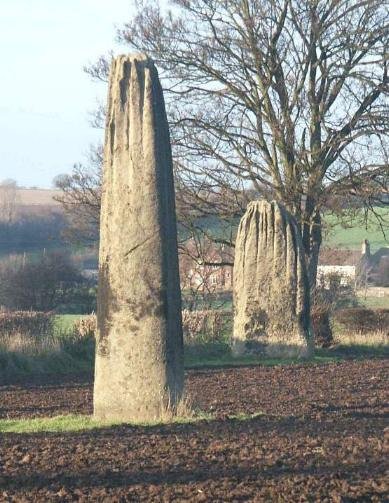
This Bronze Age site comprises of three large standing stones, it is thought originally there were as many as five...
Earthwork 300m East of the Entrance to Swinton Castle

There is an earwork, approximately 300m east of the entrance to swinton castle. It is a small elongated hill, with...
Earthworks at the top of Holly Hill, Well

While details about these earthworks are not widely documented, the area is known for its rich archaeological significance. Holly Hill...
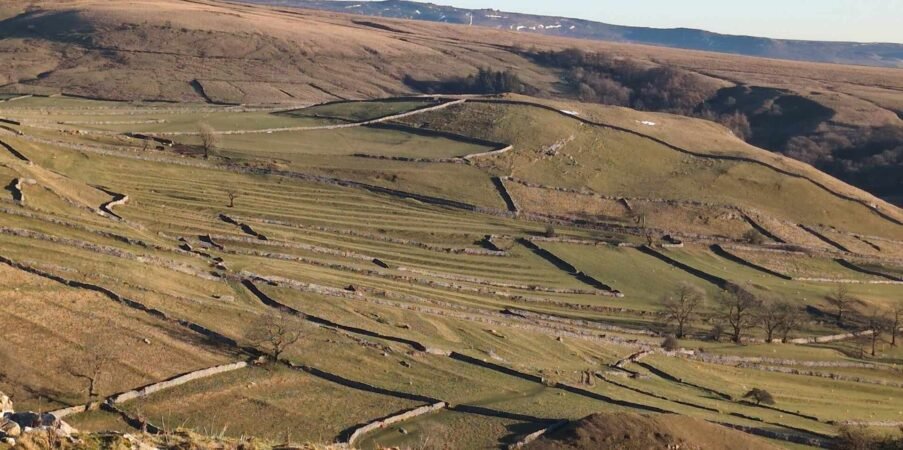
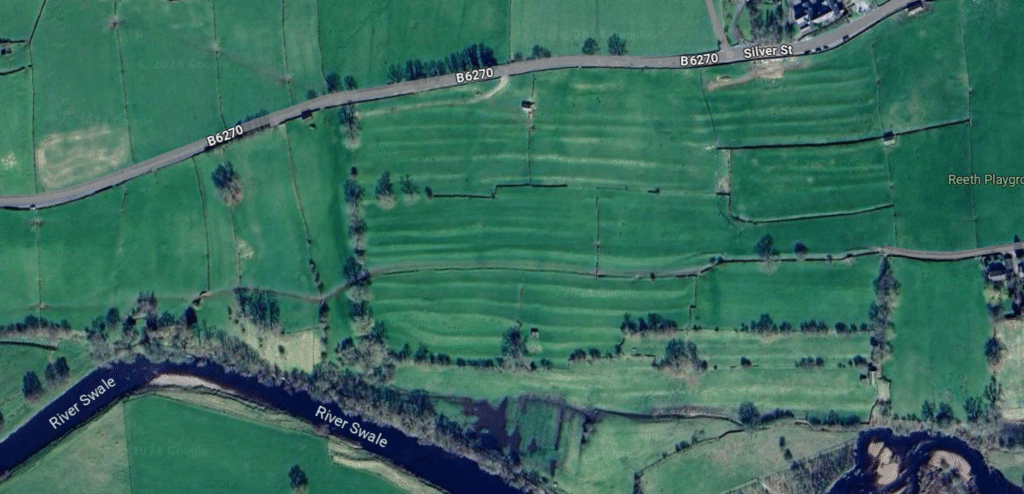
Field Systems at Reeth

The field systems at Reeth are particularly noted for their historical coaxial layout, and are characterized by long, parallel boundaries...
Hutton Moor Henge

Hutton Moor Henge is almost identical the the henges at Thornborough and Nunwick. It's been proposed that these henges form...
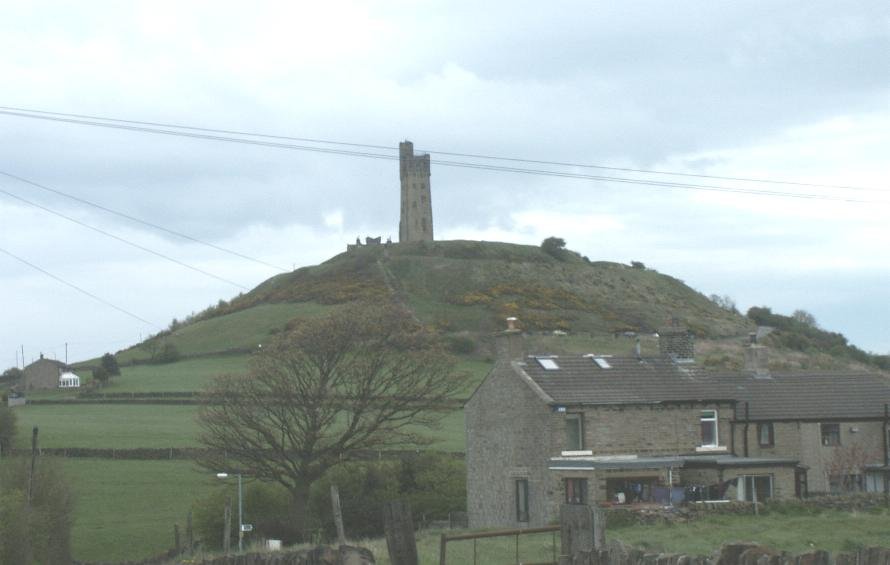
John O’Gaunt’s Castle and Beaver Dyke – Harrogate
John O'Gaunt's Castle, located near Harrogate in North Yorkshire, is a historical site with roots that intertwine myth, history, and...
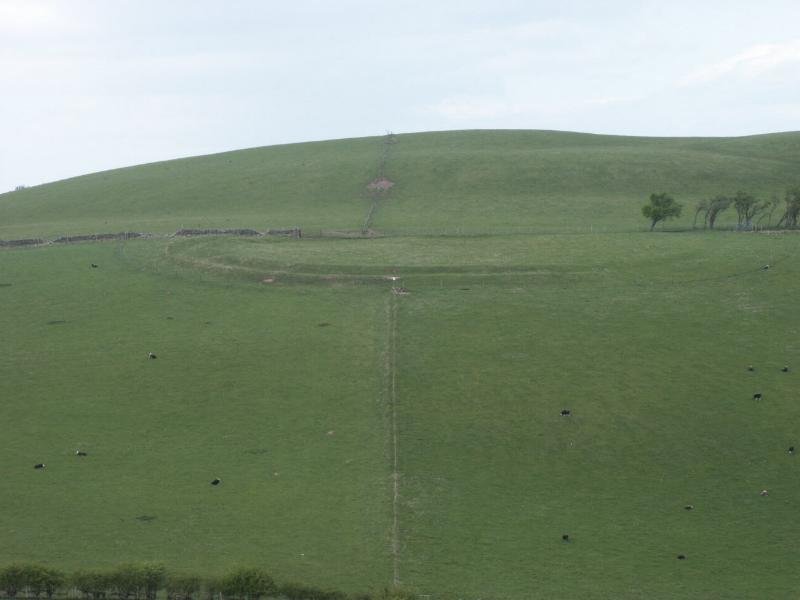
Kilburn White Horse

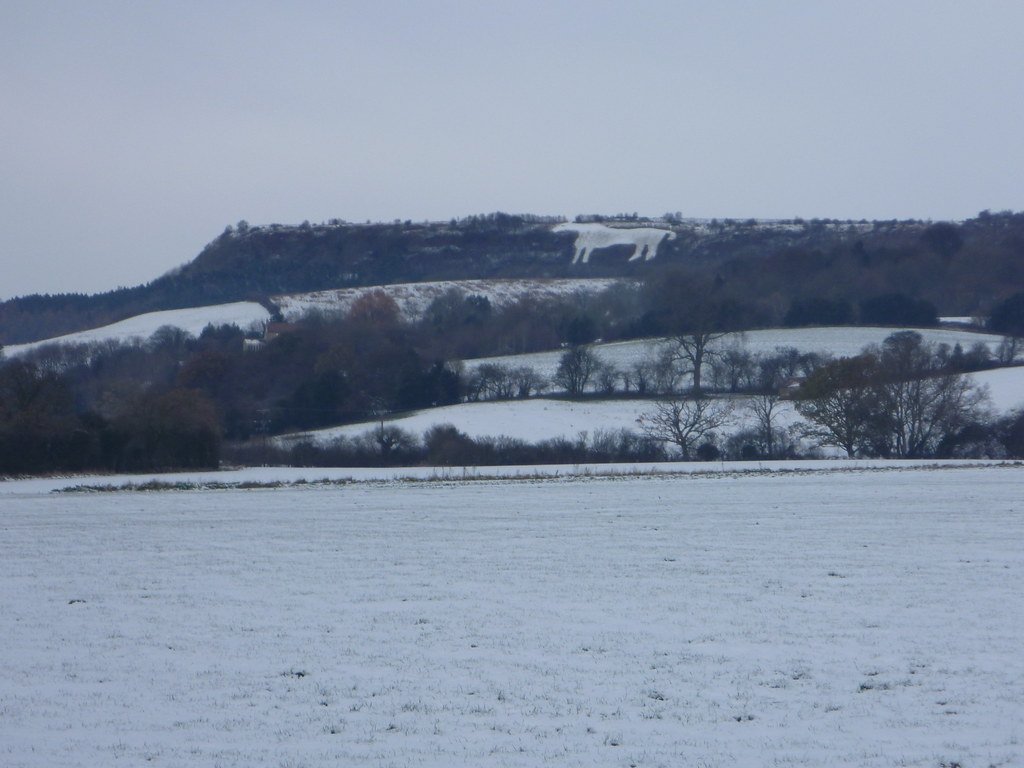
The Kilburn White Horse is a large chalk hill figure cut into the limestone of Roulston Scar, the steep escarpment...
Kilgram Bridge Ford

Kilgram bridge itself is of known ancient construction, and is believed to date from the early 12th century - probably...
Kirklington Tumulus

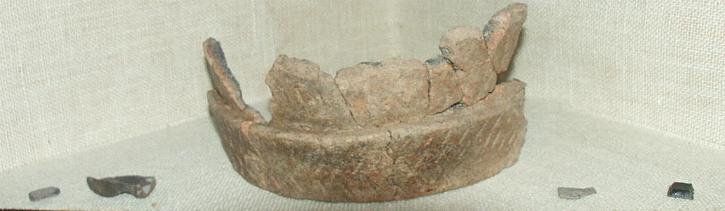
"Prehistoric vessels dug out of the mound at Stapely Hill, Kirklington, in 1903. Fragments of several pottery urns of the...
Live Moor Hill Fort

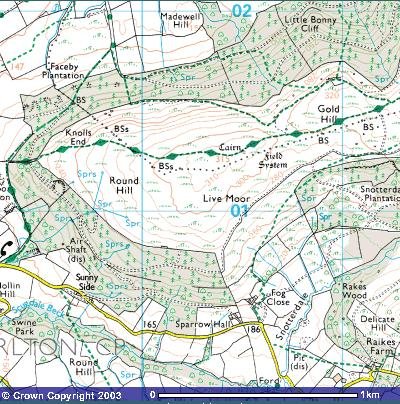
"Whorlton, Live Moor, (NZ 496012) A previously unrecorded promontory fort was identified by D. Smith on air photographs and later...
Maidens Grave – Burton Fleming, North Yorkshire

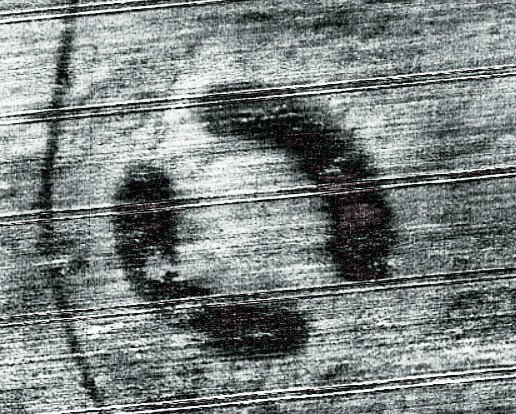
A henge located north of Rudston,The henge was discovered as a cropmark on an aerial photograph in the early 1960s,...
Middleham Castle

Middleham Castle, with its deep historical roots and architectural grandeur, stands as a remarkable testament to England's medieval past. Built...
Motte and Bailey – Northallerton

The motte and bailey in Northallerton hold a significant place in English history, being a prime example of early medieval...
Moulton Henge

Archaeologists now recognise a true Neolithic henge lying immediately south-west of Moulton village, roughly midway between the Swale and Dere...
Near Moor
At SE48090 98917 this Neolithic Pointer lay’s close to a Bronze Age Field System. I have explored this area several...
Newsham House, Newsham, Richmond

Newsham House, a Grade II listed building, is steeped in history and architectural significance.
Newton Kyme Henge

Newton Kyme Henge occupies a slight rise on the south bank of the River Wharfe immediately west of the village...
Nunwick Henge

A henge at Nunwick visible both as a low bank and shallow internal ditch and as a cropmark. A berm...
Pickhill Mound

A large artificial mound here, apparently raised for defensive purposes, bears the name of Picts' Hill, and an improbable belief...
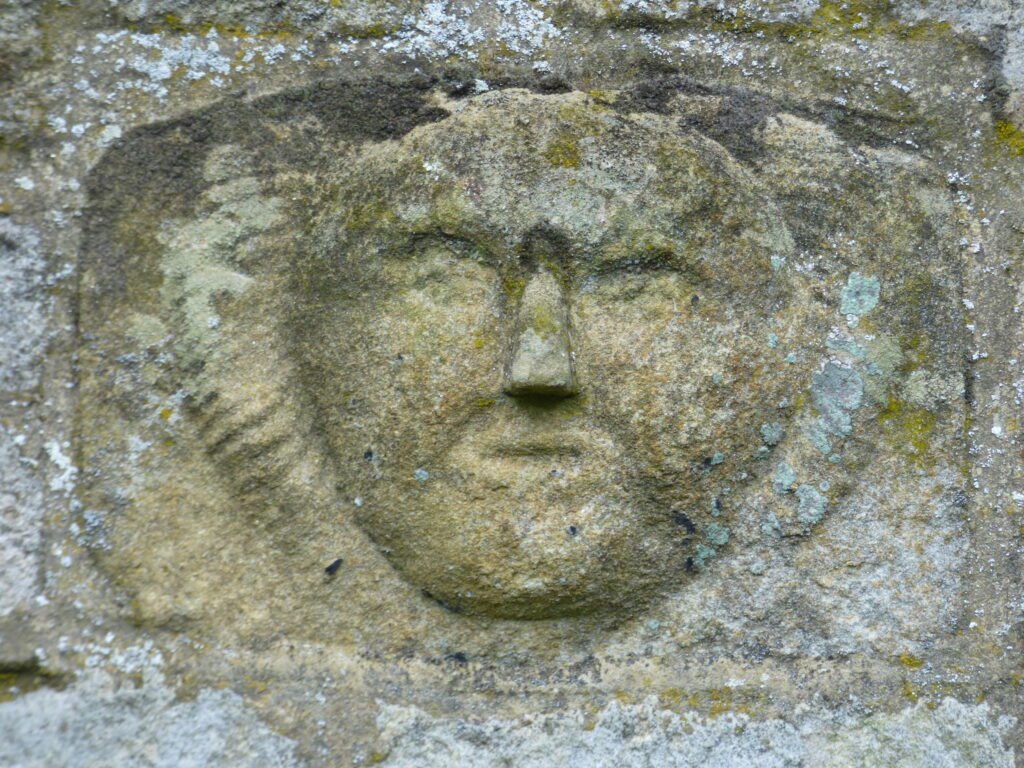
Ramsgill Celtic Head

The Celtic Head in Ramsgill, North Yorkshire, is a fascinating artifact that offers a glimpse into the region's ancient past.
Roulston Scar Hill Fort

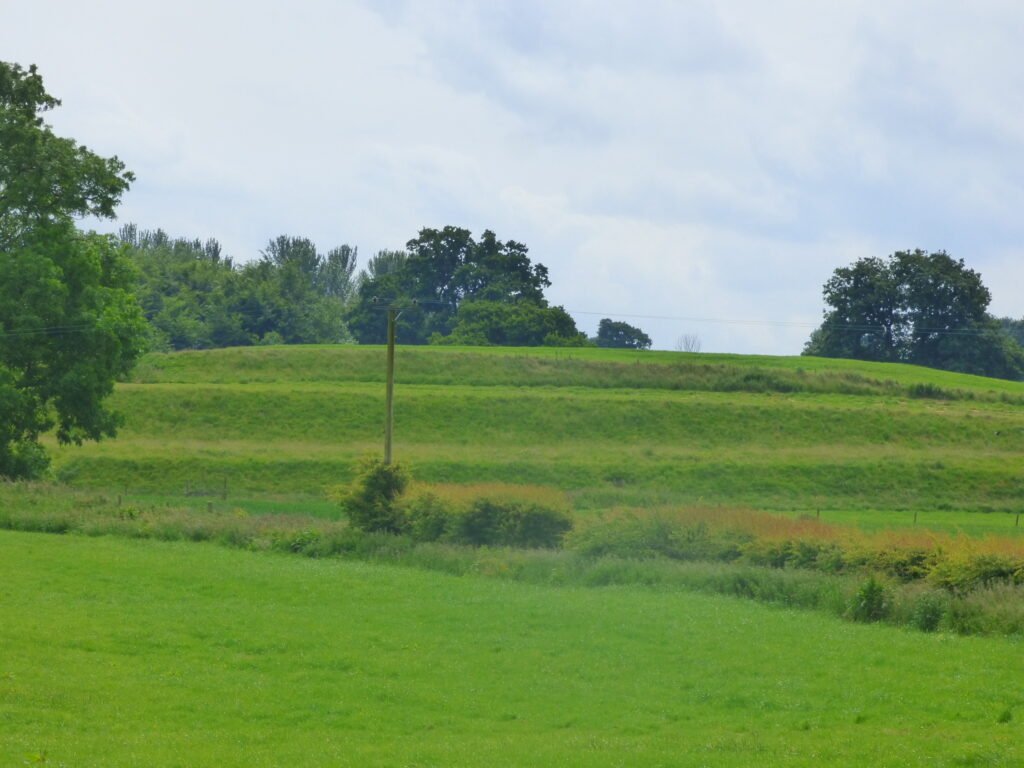
"We were shocked to discover such a huge complex," said Alastair Oswald, archaeological field investigator for English Heritage. Preliminary examinations...

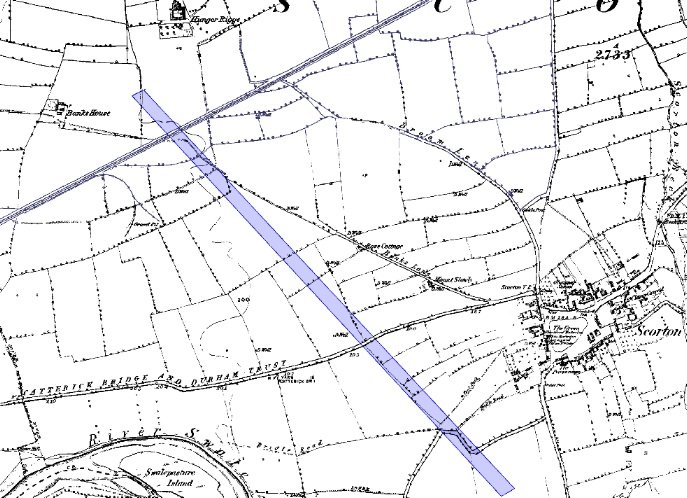
Scorton Cursus

The cursus was originally about 2.1km long and aligned SE-NW. Clustered round the monument were a number of ring ditches,...
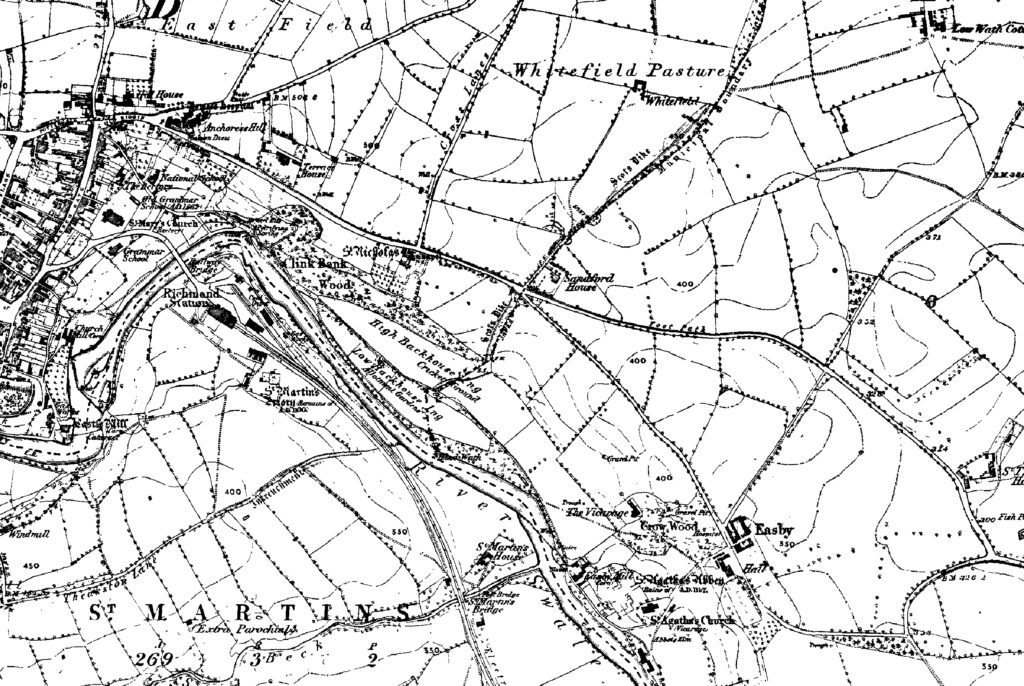
Scotts Dyke – Richmond

Scott's Dyke, also known as Scots Dyke or Scots Dike, is a significant linear earthwork stretching approximately fourteen kilometres from...
Sinderby Henge

Although all the existing literature assures us that the Great Henge Alignments of North Yorkshire are now covered by –...
Snape Castle

Snape Castle, located in North Yorkshire, played a pivotal role during this turbulent period. It was the residence of Catherine...
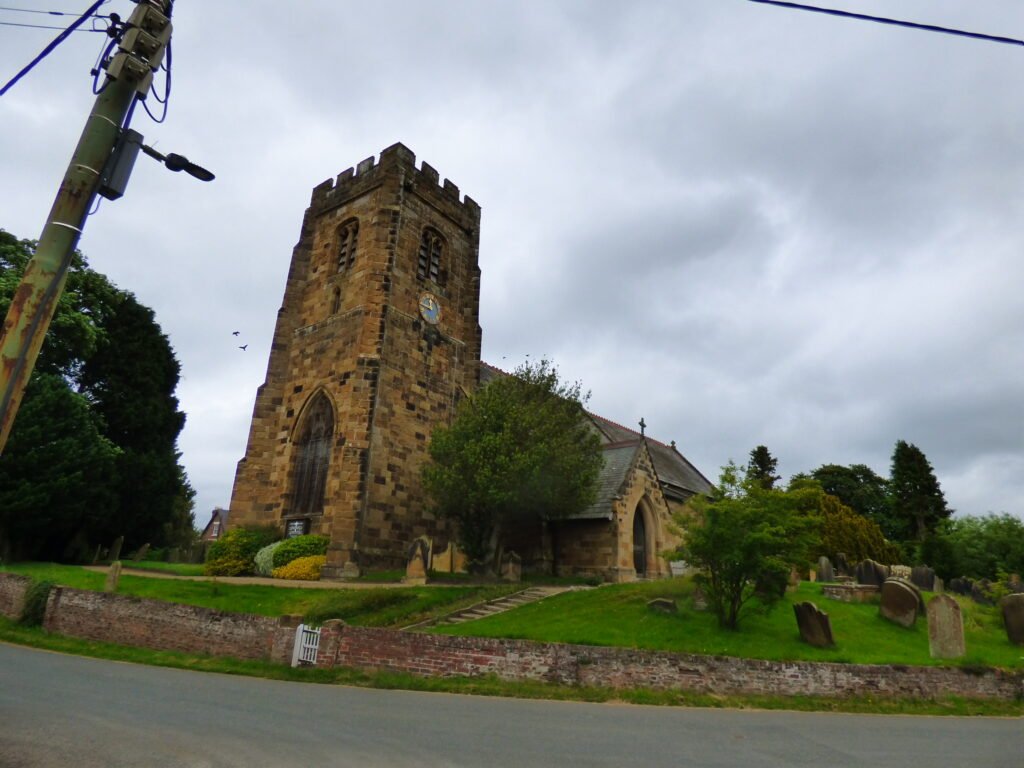
St Andrew’s Church, Aldborough

Partially destroyed by Scots raiders in 1318 this church sits very near to Isurium Brigantium and may date back to...
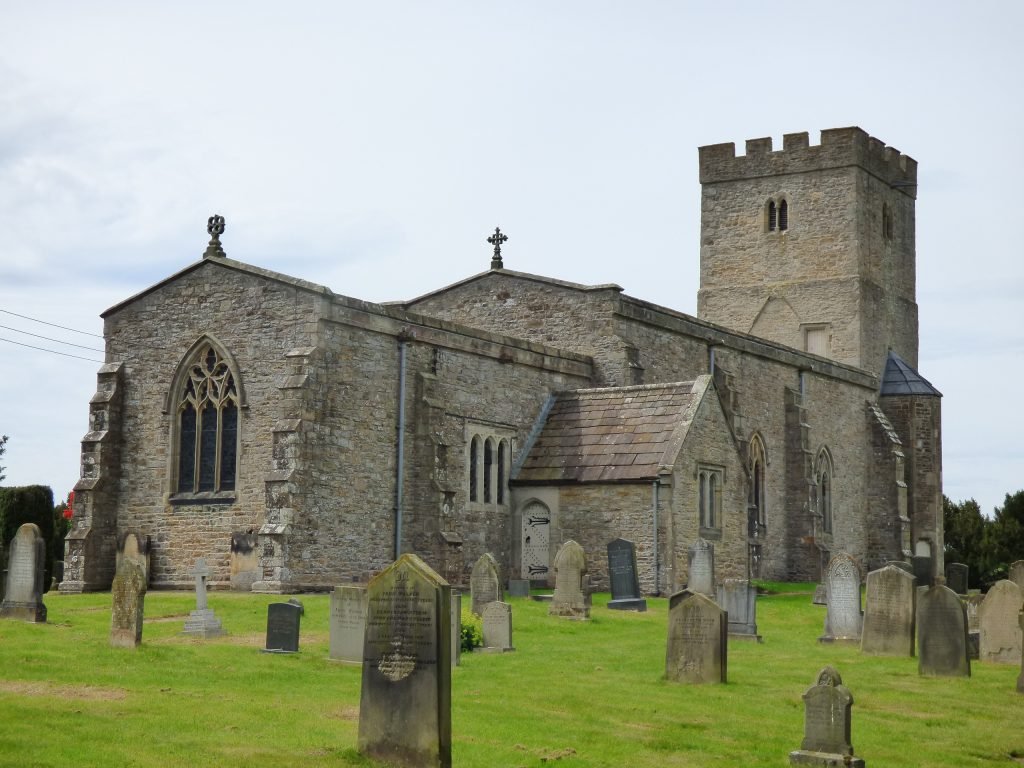
St Cuthbert’s Church, Forcett

Whilst the current church lacks much in the way of indications of ancient origins, it's entry porch boasts a wealth...
St John the Baptist Church, Kirby Wiske

St John the Baptist Church in Kirby Wiske, North Yorkshire, is a historical edifice with roots stretching back to the...
St John the Baptist Church, Stanwick

The church at Stanwick sits very close to the original centre of the Iron Age fort. It's churchyard seems to...
St Mary Magdalen the Leper Chapel Ripon

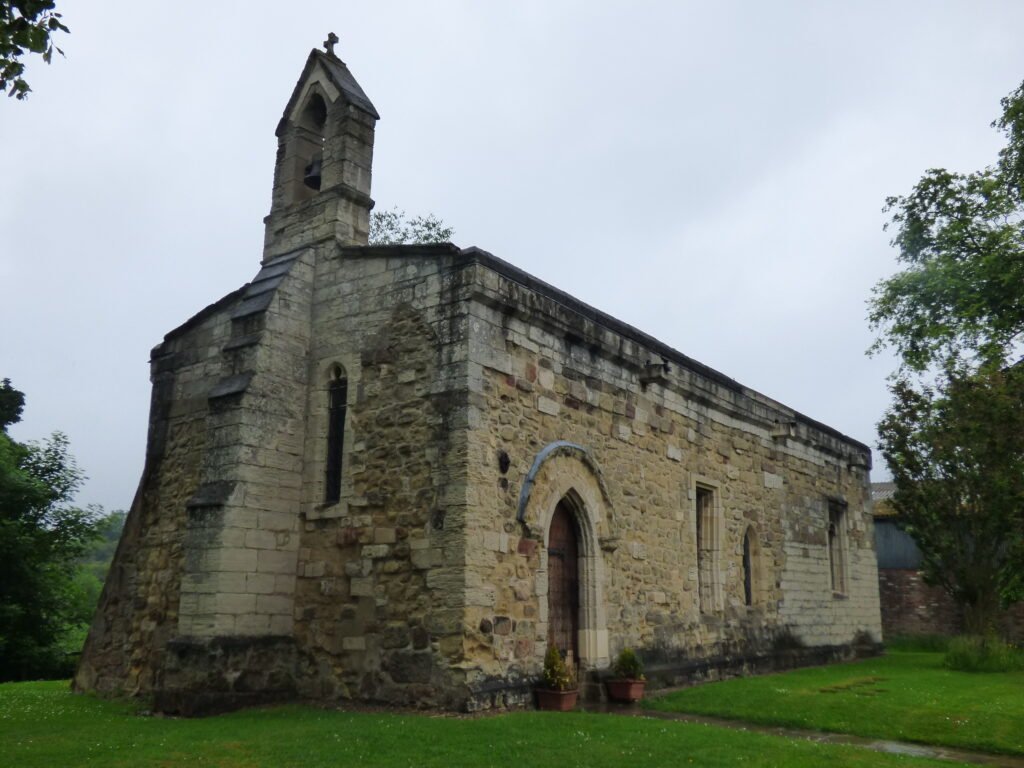
The Chapel of St Mary Magdalen in Ripon, was founded by Archbishop Thurstan in the 12th century, it was initially...
Stanwick Hill Fort

Stanwick is very close to the Scotch Corner junction of the A1, close to Darlington. From Scotch Corner, take the...
Staple Howe West Hesterton

This small farmstead was established on top of the small chalk hills on the northern edge of the Yorkshire Wolds.
Studforth Hill Roman Amphitheatre and Motte and Bailey, Aldborough, North Yorkshire

Studforth Hill, a site of historical significance located near the village of Aldborough in North Yorkshire, England, is known for...
Temple Lane Ritual Routeway

The presence of Temple Lane and Temple Hill near West Witton, along with the historical Penhill Preceptory and the Temple...
The Cistercians in North Yorkshire

The Cistercian order made a significant mark on the religious landscape of medieval Europe, particularly in North Yorkshire. Whilst he...
The Latimer Family

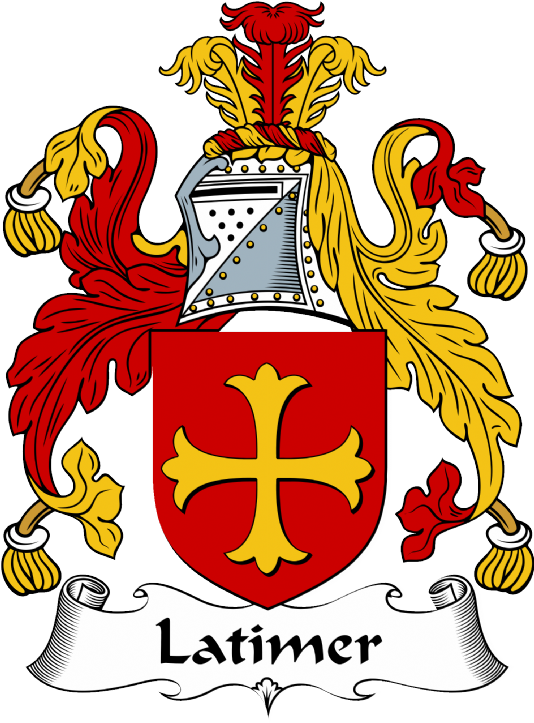
The Latimer family name, has its origins tracing back to the Old French term "latinier," denoting a clerk or a...
The Nevilles

The Nevilles were a powerful family, who held substantial estates and titles, including the Earldom of Westmorland.
The Yorkshire Dales

The Yorkshire Dales National Park is a large expanse of hills and dales in North Yorkshire, in northern England. During...
Thornborough Henges

A site that spans several thousands of years from the Stone Age to at least the Iron Age, the ancient...