Category: Dike

The Story of Boltby Scar

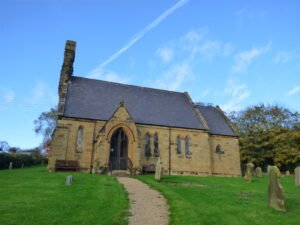
Boltby Church, Yorkshire Moors

Boltby is a very important ancient site IMO. A gold “hair braid”, was found there, linking it to the Amesbury Archer, buried with two similar hair braids. This also provides a link to the founding of Stonehenge, which helps set a potential scene for a possible “zeitgeist”, of the day.

Roman Rig Defensive Works

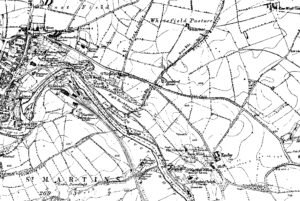
The Roman Rig is a defensive dyke built to defend against attack from the south. It runs from Sheffield, past Templeborough and carries on almost to Doncaster. If this is a Brigantian dyke it would certainly add weight to Websters definition of the Roman border in the period.

Cleave Dyke Defensive System

The Cleave dyke system is several Dykes which combine to create a boundary of between 9 and 18 kilometres running north south to the west of Thirsk.

Black Dike – Coverdale

Black Dike - 1m LiDAR

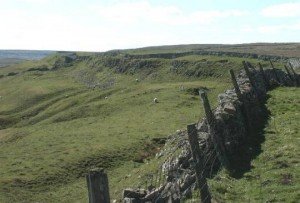
Black Dike is the diminutive counterpart to the great Tor Dike, rising from its western arm and climbing to the watershed between Great and Little Whernside. Beginning at roughly SD 988 756—where Tor Dike cleaves the limestone scarp—the Black Dike pursues a steep, sinuous course uphill for nearly 0.6 km, finally spilling onto the ridge crest at about 675 m above sea level

Tor Dyke

Tor Dyke appears to have been attributed to Venutius which dates it of the period AD 52 – 70. The presence of a legionary size marching camp a few miles to the southwest at Malham certainly indicates an active role in the Roman advance of AD 70. However, given the lack of published research so far a clear picture has yet to emerge.

Guide: Common Features of Iron Age Hillforts

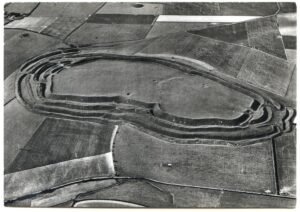
Maiden Castle, Dorchester, Dorset

This article attempts to serve as a guide for many of the features of the hillforts found in Britain, in particular. It explains the basic elements of the design and architecture of a hillfort.

John O’Gaunt’s Castle and Beaver Dyke – Harrogate

John OGaunts Castle - Harrogate 2025-02-06 222818

John O’Gaunt’s Castle, located near Harrogate in North Yorkshire, is a historical site with roots that intertwine myth, history, and medieval legend.

Scotts Dyke – Richmond

Scott’s Dyke, also known as Scots Dyke or Scots Dike, is a significant linear earthwork stretching approximately fourteen kilometres from the River Swale to the River Tees, this ancient structure is believed to date back to the period between the first century BC and the first century AD.

Contact Us
close slider