Category: Univallet Hillfort

Swaledale

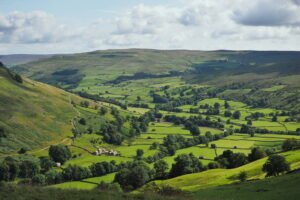
2015 Swaledale from Kisdon Hill

Swaledale occupies the long, sinuous valley carved by the River Swale on its 45-kilometre descent from Nine Standards Rigg (662 m) on the Pennine watershed to Richmond in lower Teesdale. The dale narrows between rough gritstone scarps near Keld, broadens to a patchwork of hay-meadows around Muker and Gunnerside, then opens into a tree-fringed flood-plain west of Reeth before the river cuts through the Carboniferous escarpment to meet the Vale of Mowbray.
Hillforts: Defence or Ritual? – Part 1

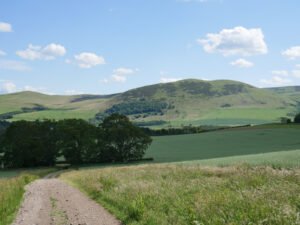
View to Yeavering Bell

Over the last five years Iron-Age specialists have been re-examining what British hillforts were really for. The question is no longer just “fortress or farm?” but whether many of them were built first and foremost as places of gathering, display and ritual.

Guide: Hillfort Mounds of Europe

Trelleborg airphoto

Guide: Common Features of Iron Age Hillforts This article attempts to serve as a guide for many of the features of the hillforts found in Britain, in Read more Guide: Iron-Age minting: Ceramic Pellet-mould trays This article explores the most tangible evidence we possess for indigenous minting north of the Humber: the smashed ceramic “pellet-mould” …

Continue reading

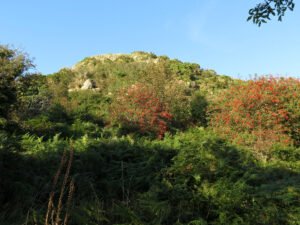
Mote of Mark Hill Fort

Mote of Mark from sea shore path

The Mote of Mark is a defended hilltop overlooking the Urr estuary. It was the court or citadel of a powerful Dark Age chieftain, possibly one of the princes of Rheged. The site was occupied during the 6th century and appears to have been destroyed by fire in the 7th century.

Contact Us
close slider