Site Section: The Brigantes of Britain

Little Meg Stone Circle

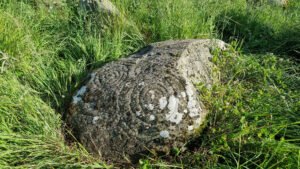
An image of a carved rock, part of the Little Meg stone circle in Cumbria. Part of a site report on brigantesnation.com

Little Meg Stone Circle, also known as Maughanby Circle, is a small and ancient monument located near the village of Little Salkeld in Cumbria, England. It consists of eleven large kerb stones that probably surrounded a Bronze Age kerb cairn, a type of burial mound

Castlerigg stone circle

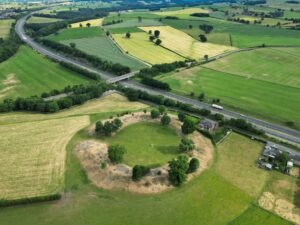
An aerial view of Castlerigg Neolithic stone circle, in Cumbria. Part of a site visit report on brigantesnation.com

Castlerigg stone circle is one of the oldest and most scenic megalithic monuments in Britain, dating back to the late Neolithic period, around 3000 BC

Mayburgh Henge

An aerial photo of Mayburgh Henge in Penrith, Cumbria. Part of a site report on brigantesnation.com

Mayburgh Henge is a remarkable prehistoric monument located near Eamont Bridge in Cumbria, England. It consists of a massive circular bank of river cobbles, enclosing a flat area with a single standing stone near the centre.

King Arthurs Round Table Henge

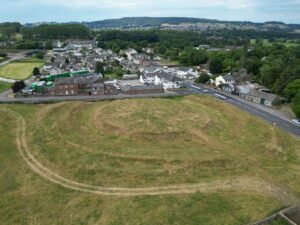
An aerial photograph of King Arthur's Round Table, a Neolithic henge in Cumbria. Part of an article about the henge on brigantesnation.com

King Arthur’s Round Table is a Late Neolithic Henge (2000-1000 BCE). It consists of a low circular platform surrounded by a wide ditch 12m wide by 1.5m wide , this configuration of a bank and ditch being a characteristic of these prehistoric henges.

Newton Kyme Henge

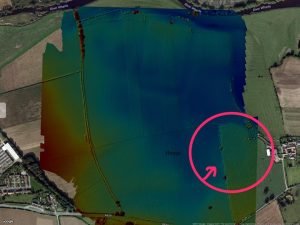
With kind permission of YAAMAPPING

Newton Kyme Henge occupies a slight rise on the south bank of the River Wharfe immediately west of the village of Newton Kyme (OS grid SE 45945 44982), its maximum external diameter extending to around 250 m (heritagegateway.org.uk). The monument is best understood as a Class IIa henge of Late Neolithic–Early Bronze Age date, defined by three concentric ditch circuits with a turf-and-earth bank wedged between the inner and middle ditches.

The Brigantes of Lancashire

An image illustrating an article about The Brigantes of Lancashire on thealicesyndrome.com

An interesting heading in Robert Morden’s map of Lancashire (1695) places “The Brigantes” in Lancashire. Worth investigating to try to understand exactly what Robert Morden was trying to portray here.

Nunwick Henge

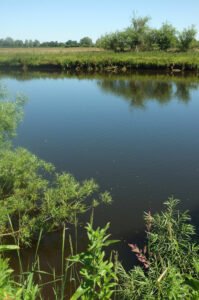
River Ure southwest of Nunwick

A henge at Nunwick visible both as a low bank and shallow internal ditch and as a cropmark. A berm was originally present between ditch and bank.

Sutton Common Fort

Sutton Common is an early Iron Age fort/enclosure site just north of Doncaster, A key feature of this “marsh fort” is that it seems to use the surrounding marsh land as part of its defence – a twist on the more common hill fort.

Castle Naze Hill Fort

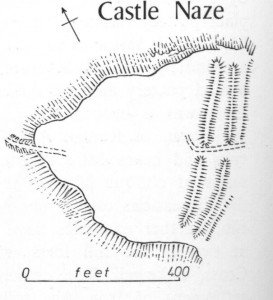
This is a promontory fort of probable Iron Age date. It uses the natural cliffs of the hill that it stands to protect its northern and western sides. It is triangular in form, and to protect its south-eastern face, a very impressive double rampart of possibly later Iron Age construction has been thrown up.

Brigantia

Carton Castle - Google

The name Brigantia represents three separate concepts: a goddess, a people, and a tribal federation. By the Roman period, the name represented a tribal federation compromising all of what would become the Roman province of Britannia Secunda, except for the Parisi territory, east of the River Derwent.

Contact Us
close slider