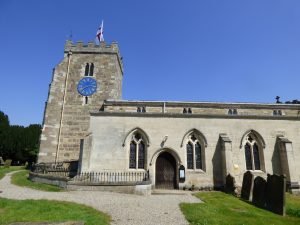
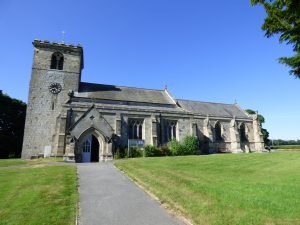
Location: North Yorkshire

Malham Roman Camp, North Yorkshire

An image illustrating an article about Malham Roman Camp, North Yorkshire on thealicesyndrome.com

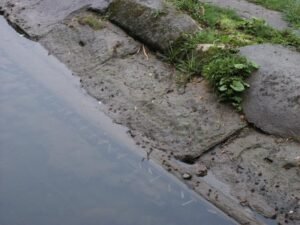
← The Yorkshire Dales Greta Bridge Roman Fort The fort lies between the River Greta and the Tutta Beck, just south of their junction, while the Rom,an Road Read more Fremington Hagg Kilgram Bridge Ford Kilgram bridge itself is of known ancient construction, and is believed to date from the early 12th century – probably …

Continue reading

Maidens Grave – Burton Fleming, North Yorkshire

With kind permission of YAAMAPPING

A henge located north of Rudston,The henge was discovered as a cropmark on an aerial photograph in the early 1960s, although subsequent field investigation showed it to survive as an earthwork, albeit badly plough-damaged.

Mickley Riverworks

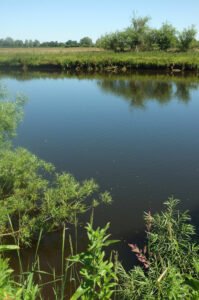
Mickley Weird

Anglers and canoeists still talk of “Roman Ford” on the Swinton fishing beat immediately upstream of Mickley (turn4search0) and the name appears in estate fish-catch returns from the 1920s. The idea is that a paved crossing pre-dated the weir and was later buried beneath it. No Roman finds have been reported to PAS or the Historic Environment Record.

Nunwick Henge

River Ure southwest of Nunwick

A henge at Nunwick visible both as a low bank and shallow internal ditch and as a cropmark. A berm was originally present between ditch and bank.

St Oswald’s Church, Thornton Steward

An image illustrating an article about St Oswalds Church on thealicesyndrome.com

Recorded in the Domesday Book and believed to be the oldest church in Wensleydale, this has been a place of Christian worship since the days of King Edwin, centuries before the Norman Conquest. Cross heads and 9th century stones can be seen.

St Marys Church Wath

St Mary's Church, Wath

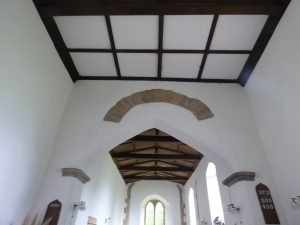
Most of the present church dates back to the 13th and 14th centuries, but there is evidence of much earlier stonework in the building. The church also contains much Victorian stained glass. It has two fonts – one inside the church and one outside the church!

St Lamberts Church, Burneston

An image illustrating an article about St Lamberts Church Burneston on thealicesyndrome.com

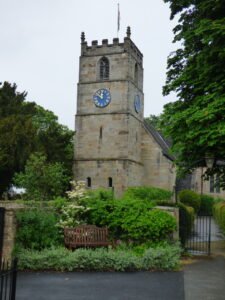
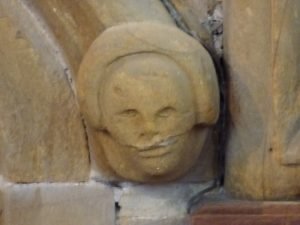
This church was built in three stages – the chancel c1395, the tower c1410 and the nave 1450-1550. It is a grade 1 church and has magnificent medieval stonework, a nave full of 17th century oak pews and some beautiful Victorian woodwork and stained glass and a lot of well weathered some potentially grotesque carvings.

St Andrew’s Church, Aldborough

An image illustrating an article about St Andrews Church Aldborough on thealicesyndrome.com

Partially destroyed by Scots raiders in 1318 this church sits very near to Isurium Brigantium and may date back to much earlier times…

All Saints Church, Rudston

An image illustrating an article about All Saints Church Rudston on thealicesyndrome.com

All Saints Church in Rudston sits in the grounds of the famous Rudston Standing Stone, this alone clearly points to the area being of ritual use thousands of years before this Norman church was erected.

Rudston Standing Stone

An image illustrating an article about Rudston Standing Stone on thealicesyndrome.com

Rudston is England’s tallest Standing Stone and it’s presence gave the name to the village that it’s located in. It’s presumed to be of Neolithic origin. It’s just over 25ft high.

Contact Us
close slider