One of the most powerful tools in archaeology is not just digging deeper into the earth but digging deeper into our own thinking processes. In archaeological research, we often encounter assumptions—either based on prior data, outdated methodologies, or even cultural biases—that shape how we view and interpret the past.

Category: Archaeology
Jan 21
Guide – Introduction to Critical Thinking in Archaeological Research
In the world of archaeology, as with all forms of inquiry, the pursuit of truth begins with the ability to think critically and independently. Archaeology is often seen as the science of uncovering the past, but it is equally the art of understanding how we approach and interpret evidence. In the case of the Brigantes Nation, a tribe whose history is riddled with gaps and assumptions, critical thinking is not only useful—it is essential.
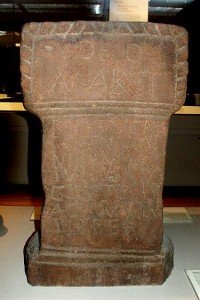
Altar dedicated to Jupiter of Doliche, Caelestis Brigantia, and Salus – Corbridge
“To eternal Jupiter of Doliche and to Caelestis Brigantia and to Salus Gaius Julius Apolinaris, centurion of the Sixth Legion, at the command of the god (set this up).”
Jun 19
Guide – Agricultural practices through time
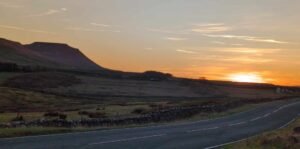
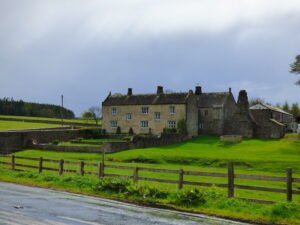
Prehistoric Yorkshire is a landscape rich with history, revealed through various archaeological finds that offer a glimpse into the ancient past. The oldest evidence of human activity in this region dates back to around 125,000 years ago, but it is the later periods, particularly the Iron Age, that have yielded significant discoveries related to ploughing and farming.