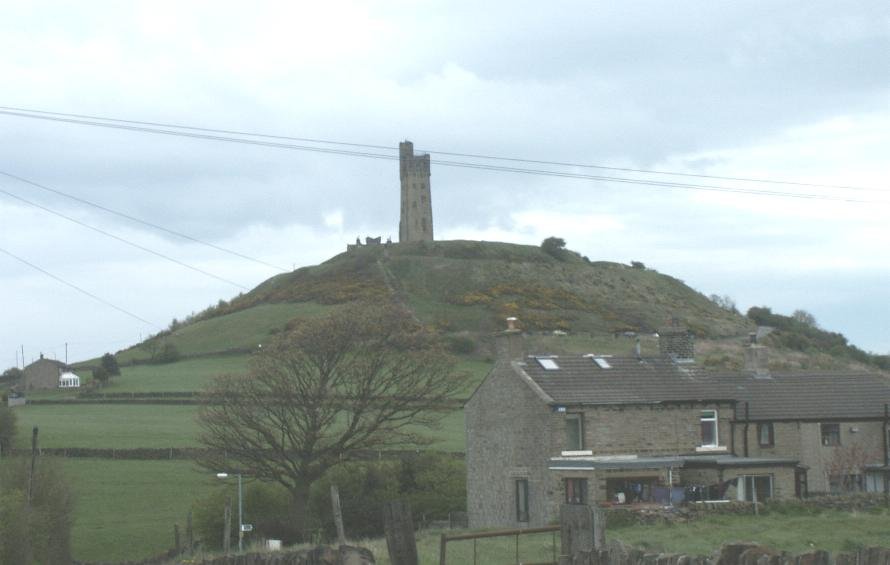
Castle Hill’s imposing silhouette hides a great prehistoric fort, Norman castle and Victorian tower. Thanks to Varley’s trenches and the Read more
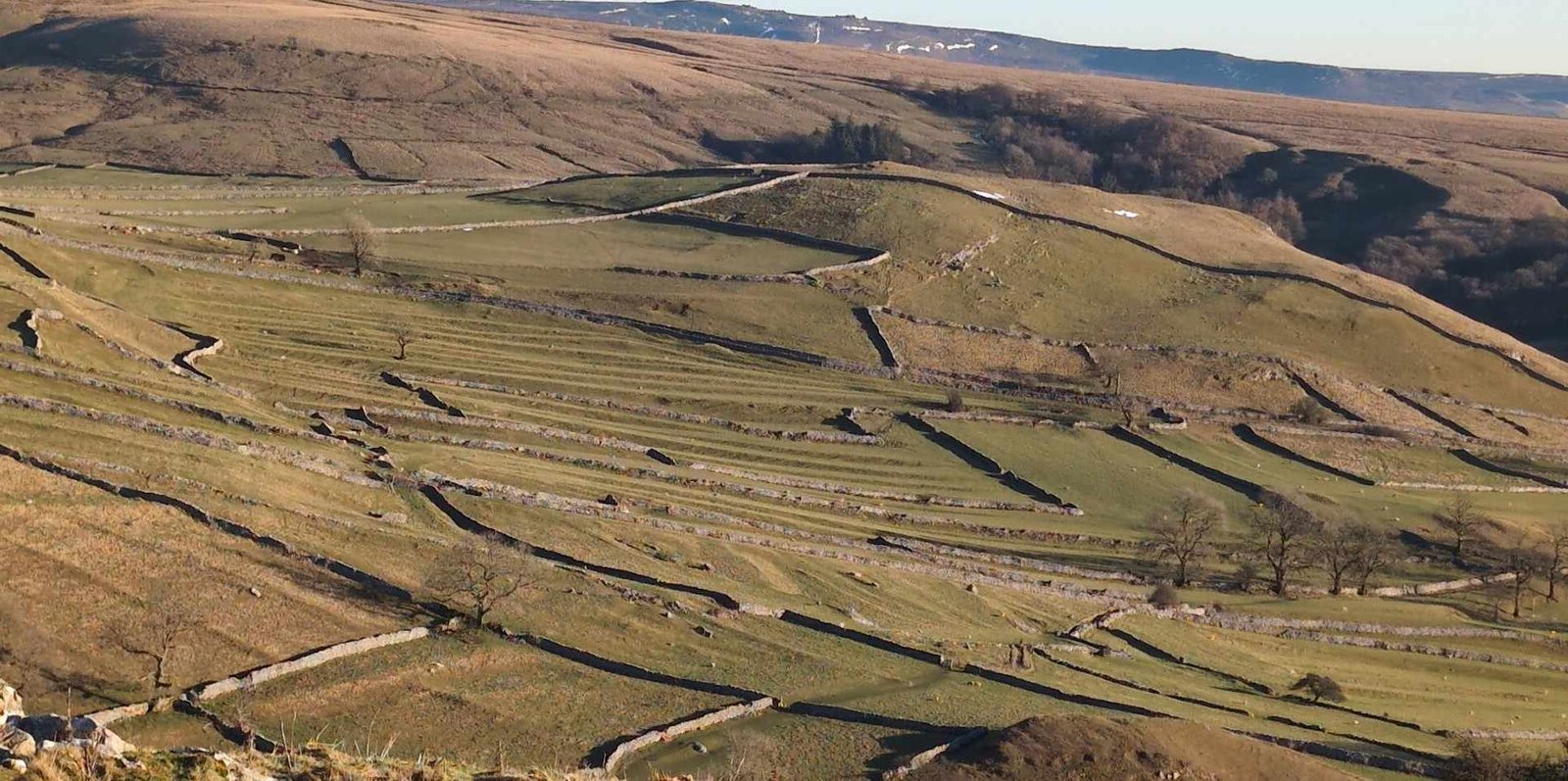
The County of North Yorkshire is a small part of what was once a much larger collection of tribes in Read more
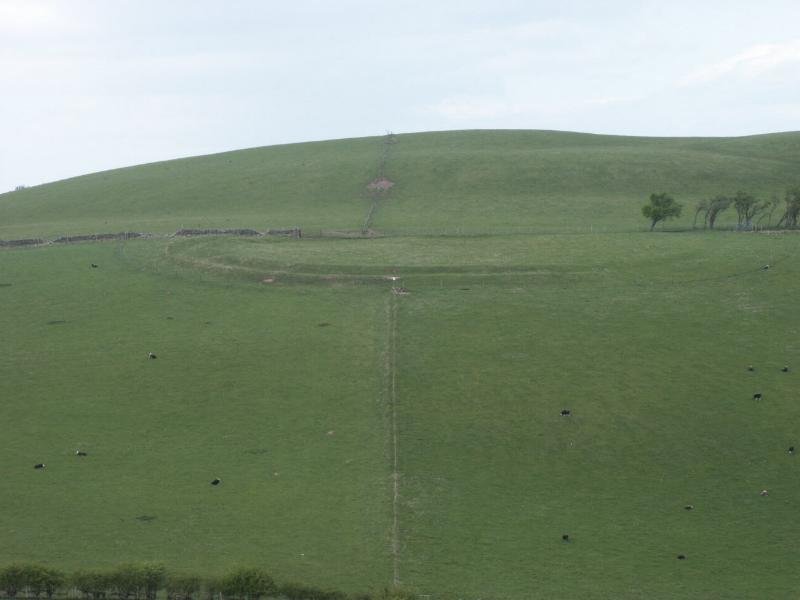
A superbly circular "fort", built on the side of the hill, which seems to be a Brigantian fashion (see below). Read more

For over five hundred years, the miners and smelters of Reeth produced mountains of precious lead. The lead ores from Read more

Castle Steads is a Hill-Side Enclosure, seemingly built without worry of threat from the upper slopes of the hill it Read more
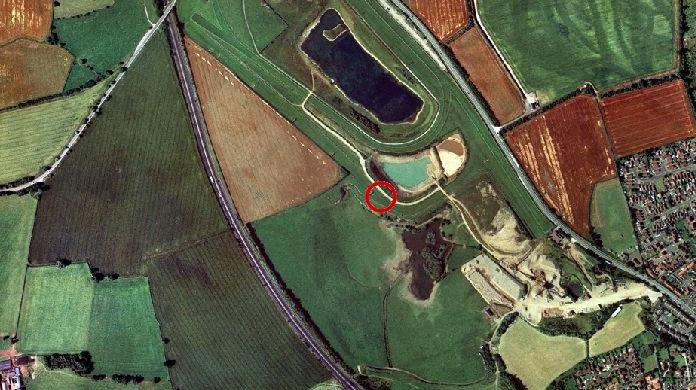
The henge at Catterick racecourse is an intriguing prehistoric site. Initially thought to be a Roman amphitheatre, it is now Read more

Discovered only recently by air survey and geophysics, this camp lies on the alluvial plain of the River Swale, on Read more
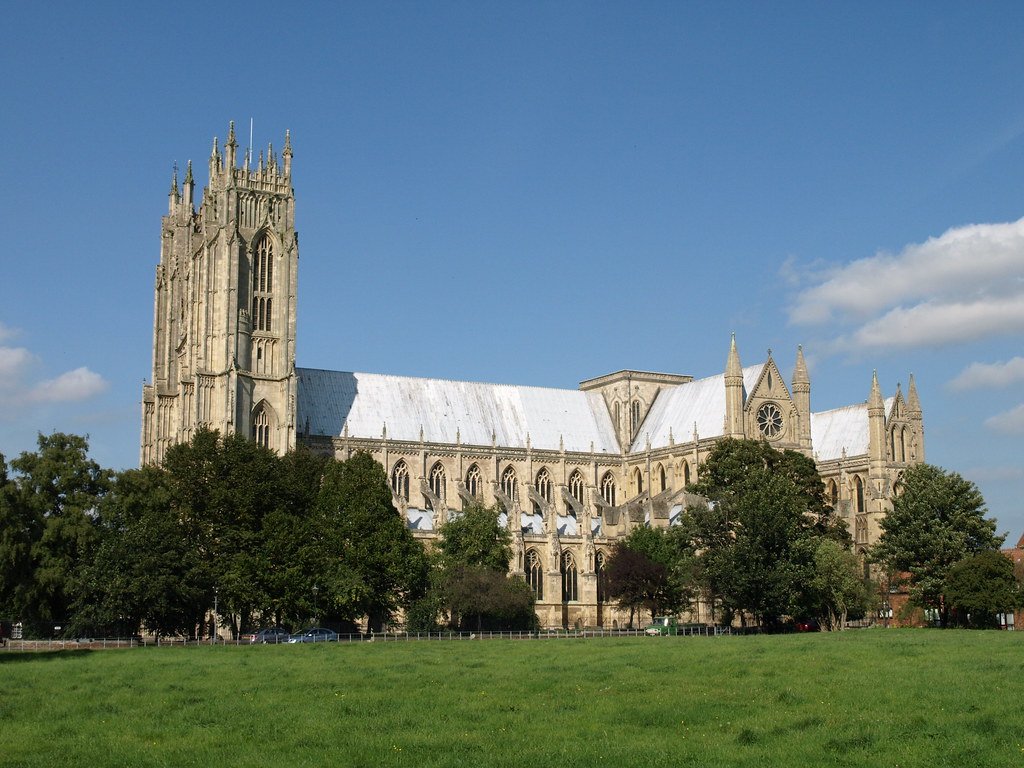
East Yorkshire’s Middle-Iron-Age story stands out in Britain because the communities who farmed the chalk of the Yorkshire Wolds developed Read more
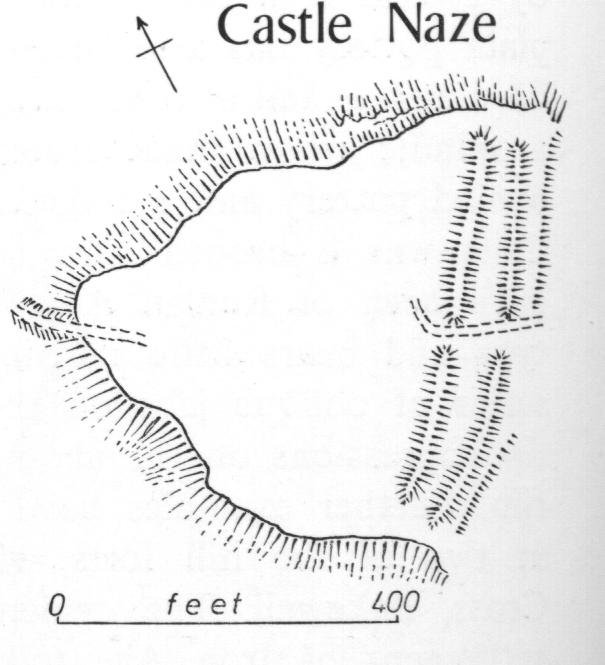
This is a Promontory fort of probable Iron Age date. It uses the natural cliffs of the hill that it Read more
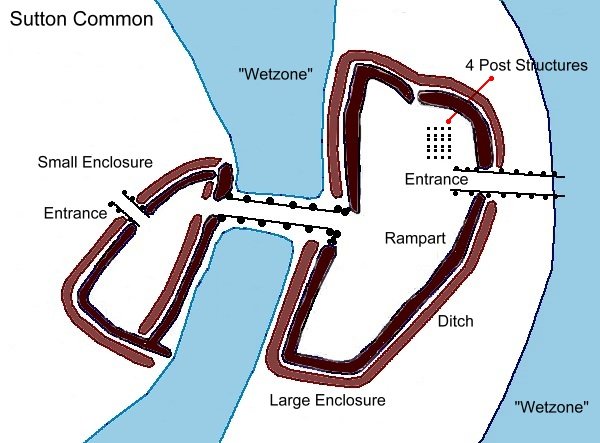
Sutton Common is an early Iron Age fort/enclosure site just north of Doncaster, A key feature of this "marsh fort" Read more
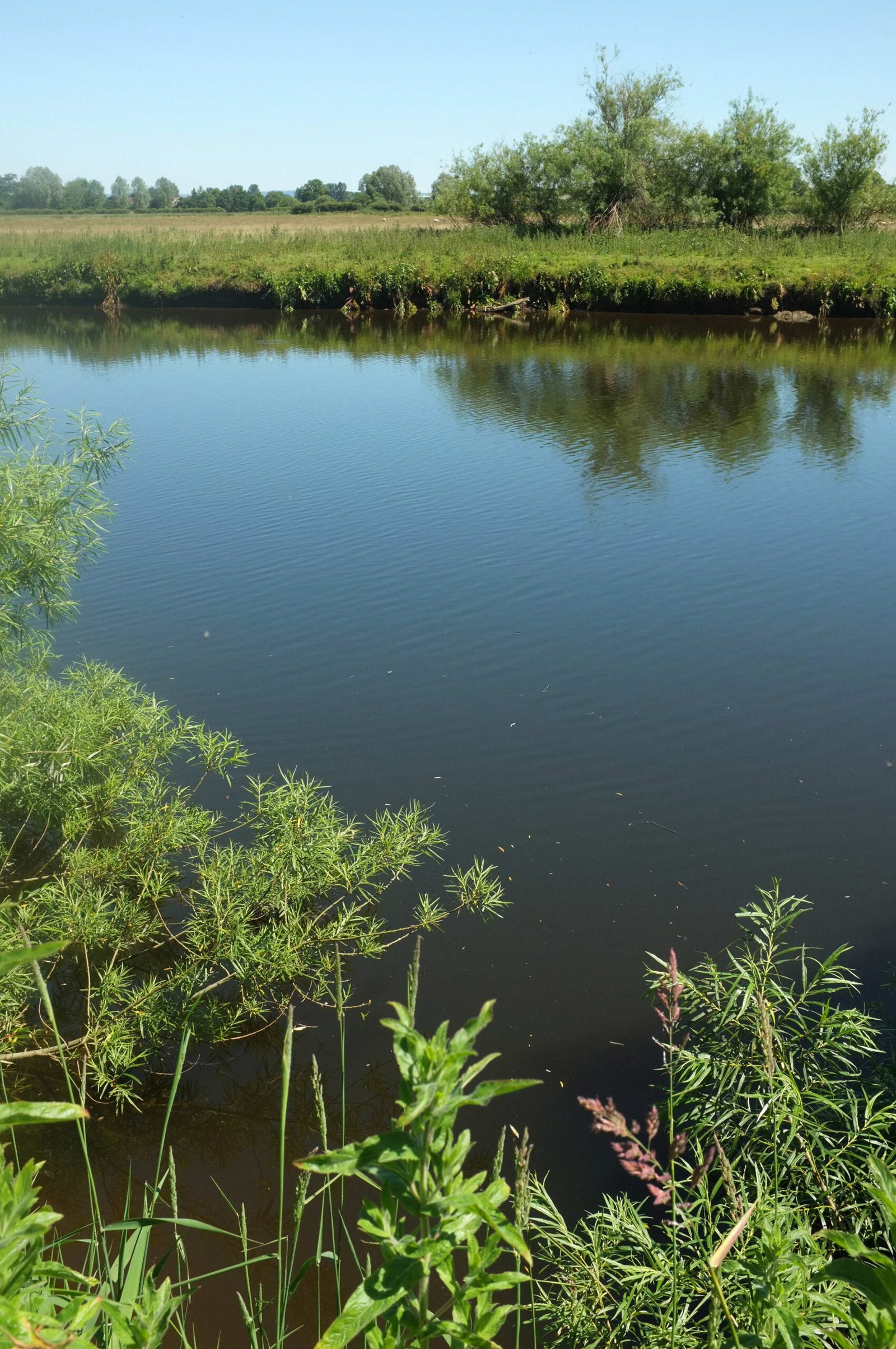
A henge at Nunwick visible both as a low bank and shallow internal ditch and as a cropmark. A berm Read more
An interesting heading in Robert Morden's map of Lancashire (1695) places "The Brigantes" in Lancashire. Worth investigating to try to understand exactly what Robert Morden was trying to portray here.