Site Section: Global Heritage

Catterick Henge

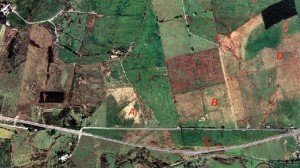
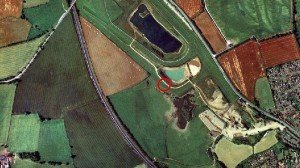
The henge at Catterick racecourse is an intriguing prehistoric site. Initially thought to be a Roman amphitheatre, it is now believed to be a henge, a type of Neolithic earthwork. Crop-mark mapping defined the henge, the 1990s rescue dig explained its mixed bank and cairn fabric, Roman-town excavations showed how much of it was levelled in antiquity, and the motorway programme set the site back into a much larger prehistoric landscape.

Castle Dykes Roman Villa

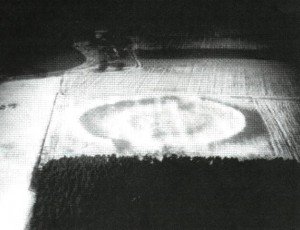
This earthwork was partially excavated in 1870, these revealed the foundations for a Roman villa of obvious opulence. It’s final Roman owners were believed to have suffered a grisly death as the villa burnt around them. It is likely that future excavations will reveal that the villa was built over of an earlier tribal centre. Probably replacing the shrine to the “Light Water” with a more Mediterranean alternative.

World Heritage

The Tower of Hercules

This is our master collection page for all of our heritage articles and sites. It is the root of our tree of sites covered within Brigantes Nation. Both within and without Brigantia. It is everything that has been of interest, so far.

Troutback Roman Camps

At Troutbeck are three Roman marching camps and a small fort. This could be either a training camp or signs of three campaigns and a later fort.

Rey Cross Roman Marching Camp

Rey Cross is one of the largest marching camps known in Britain, it is large enough to hold more thasn two legions (and therefore did) and has been dated to c. 71 A.D.

Hutton Moor Henge

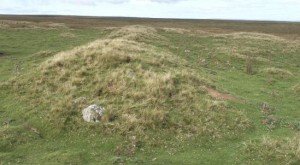
Hutton Moor Henge is almost identical the the henges at Thornborough and Nunwick. It’s been proposed that these henges form part of a large scale ritual landscape created in the area, linked to the Rivers Ure and Warfe.

Maiden Castle Fort Pooley Bridge

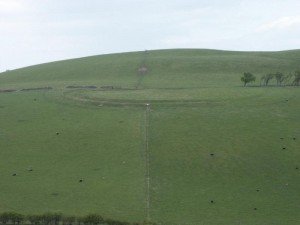
A superbly circular “fort”, built on the side of the hill, which seems to be a Brigantian fashion (see below). This is built with two rampart walls and a very narrow ditch between – 1-2m. If these were defences, they seem pretty slight. In it’s way, a miniature version of Wandlebury, but only about 200m circumference.

Greta Bridge Roman Fort

The fort lies between the River Greta and the Tutta Beck, just south of their junction, while the Rom,an Road skirts its northern edge, of which vestiges still remain in the gardens of the houses there.

Boltby Scar Iron Age Hill Fort

This Iron Age Hill Fort is mostly unrecorded and minimal information is available. A site visit is required to further understand the nature of the site. Note that both this, Roulston and Mam Tor have been dated at around 400BC.

Cumbria

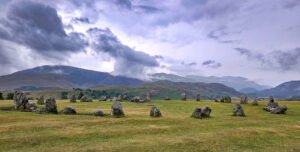
An aerial image of Castlerigg Stone Circle in Keswick, Cumbria. Part of a site report on brigantesnation.com

Cumbria’s dramatic landscapes are the product of a 500-million-year geological saga, punctuated by mountain-building, volcanic upheaval, limestone burial, tectonic extension and, finally, repeated ice-age sculpting. Today it can be divided into four broad physiographic regions.

Contact Us
close slider