Site Section: Global Heritage

Dunnideer Fort

The Medieval Castle, the most prominent feature in the hill, stands inside, and is built from the debris of, an oblong vitrified fort, a maximum length approximately 70 m, which crowns the summit. Outworks, most clearly marked on the E, may be associated with this phase.
Dunmallard Hill Fort

Dumallard Hill

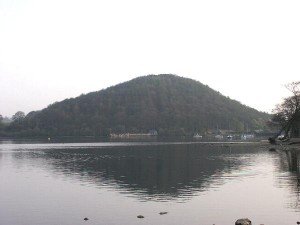
Dunmallard Hill, shrouded in trees, hides a true hill-fort. It uses the steep slopes of the hill to good effect, adding to the defence with a deep ditch and rampart within.

Craig Phadrig Hill Fort

Craig Phadraig is a hilltop fort within a Forestry Commission plantation, 2.5km west of Inverness. It occupies a position with excelent views over the Beauly Firth.

Clickhimin Broch

Clickhimin Broch, Shetland Islands

This site was occupied in several periods, originally late Bronze age between 700 – 500BC. Firstly a simple farmstead which expanded to a blockhouse (fort) and then by a huge circular broch. A population of around 60 lived in this little fortress. Later, 2nd century occupation is shown when a wheelhouse was added.

Dorset

← World Heritage Arka Unskel hillfort, Highlands Arka Unskel is 2½ miles ESE of Arisaig at NM693839 and has also been known as Arisaig Fort, Ard Ghaunsgoik Read more Castle Hill, Almondbury Castle Hill’s imposing silhouette hides a great prehistoric fort, Norman castle and Victorian tower. Thanks to Varley’s trenches and the Read more West …

Continue reading

Castle Point Fort, Cullykhan, Pennan

10 miles W of Fraserburgh. Access to this promontory fort is by a motorable track N from the B9031, W of the steep-sided valley of the Tore of Troup.

Castle Naze Hill Fort

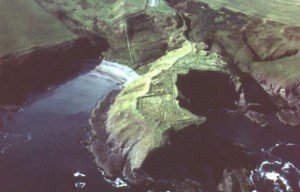
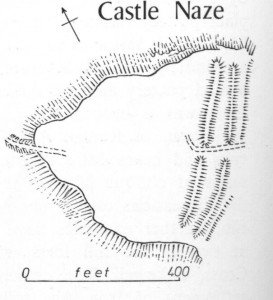
This is a promontory fort of probable Iron Age date. It uses the natural cliffs of the hill that it stands to protect its northern and western sides. It is triangular in form, and to protect its south-eastern face, a very impressive double rampart of possibly later Iron Age construction has been thrown up.

Castercliff Hill Fort

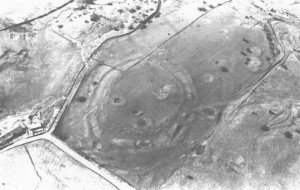
This denuded hillfort is oval and encloses almost two acres. The defences comprise triple circuits of bank and ditch, with scarps representing outworks to the NE. The innermost bank is the slightest and may represent an earlier, univallate fort.

Carl Wark Hill Fort

This is a hill fort of unproven origin, best thought to be Iron or Dark age in date. Bronze Age artifacts are also close by and show a long general occupation of the area. The primary purpose for this visit was to investigate the possibility that it was used by the Brigantes during the period of Cartimandua and, if so, to try to assess its role between 43 and 70 AD.

East Yorkshire

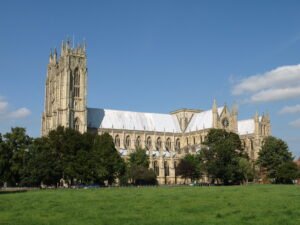
Beverley Minster

East Yorkshire’s Middle-Iron-Age story stands out in Britain because the communities who farmed the chalk of the Yorkshire Wolds developed what archaeologists call the Arras culture: a distinctive blend of continental La Tène fashions and local invention that is visible above all in their cemeteries. Three elements make it special.

Contact Us
close slider