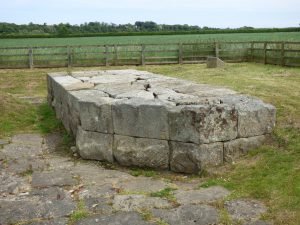
Lady Bridge in Tamworth is a historical structure with medieval origins, serving as a testament to the town’s rich past. Initially constructed to span the River Tame, the bridge has undergone several transformations throughout the centuries. The original wooden bridge dates back to 1294.
Period: Roman
Elslack Roman Fort
← West Yorkshire Castle Hill, Almondbury Castle Hill’s imposing silhouette hides a great prehistoric fort, Norman castle and Victorian tower. Thanks to Varley’s trenches and the Read more West Yorkshire North Yorkshire The County of North Yorkshire is a small part of what was once a much larger collection of tribes in Read more Greta …
Bainbridge Roman Fort
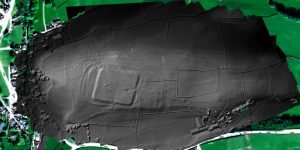
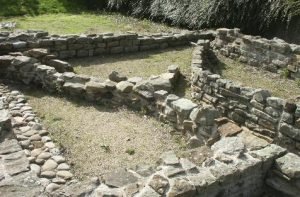
Particularly of note is the multiple defense ditches to the west, the extension of the entire fort to the east and the well defined entranceway to the south (other entrances are available)But the real stunner is the 2 interior shots: firstly the interior of the classic fort itself where we have a road coming in from the south entrance and going north, surrounded by at least 5 buildings, all with wall lines clearly defined.
Hardnott Roman Fort
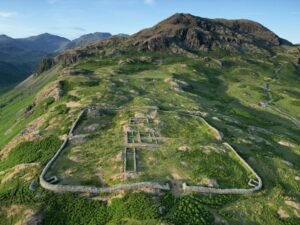
Hardknott Roman Fort, laying strewn like a discarded child’s toy on the high mountain side, impossibly canted to the east and perched precariously on a rugged cliff edge. Known to its builders as Mediobogdum, the fortress is square, as opposed to the usual rectangular shape. It is 115m to a side, and we have the traditional four gates. These are even today over head height.
Malham Roman Camp, North Yorkshire
← The Yorkshire Dales Greta Bridge Roman Fort The fort lies between the River Greta and the Tutta Beck, just south of their junction, while the Rom,an Road Read more Fremington Hagg Kilgram Bridge Ford Kilgram bridge itself is of known ancient construction, and is believed to date from the early 12th century – probably …
Mickley Riverworks
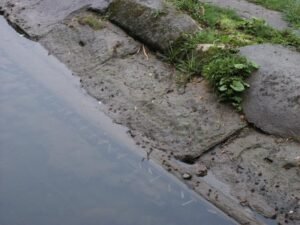
Anglers and canoeists still talk of “Roman Ford” on the Swinton fishing beat immediately upstream of Mickley (turn4search0) and the name appears in estate fish-catch returns from the 1920s. The idea is that a paved crossing pre-dated the weir and was later buried beneath it. No Roman finds have been reported to PAS or the Historic Environment Record.