Category: Brigantia Espania

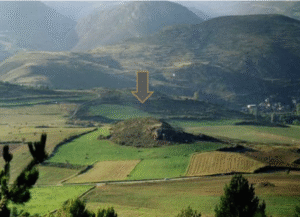
Castro de Trona fort – Pontevedra, Spain

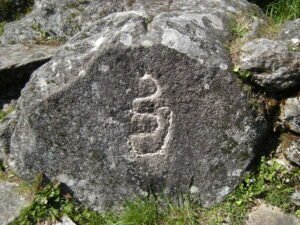
Petroglifo castro Troña

Castro de Trona is an oval enclosure with significant terracing to the west and a large ditch to the east. This castro (a hillfort settlement) has an accepted date of around 600 BCE. Like many others in Galicia, this castro reached its peak during the 1st and 2nd centuries CE. It measures approximately 200 metres east to west by 150 metres north to south.
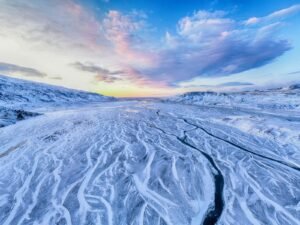
Guide – Introduction to the European Ice Age

snow covered field

Antonine Wall Map Gask Ridge Map Roman Military Sites in Scotland English names, Roman names where known, four figure map reference, site type, size, and history, including garrisons and associated military Read more Mystery of Vitrified Forts It was during a trip to.Scotland, in the Summer of 1997, that I first heard of vitrified hillforts. …

Continue reading

Brigantia Espania

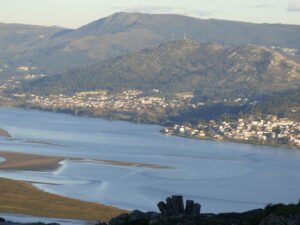
The North-West coast of Spain

Brigantia Espania is our name for our Spanish Brigantian research pages and sites. This is the beginning of our journey, and we start at the beginning.

Montlleó, Cerdanya, Pyrenees – Lithics Study

Montlleó sits at 1,144 m a.s.l. on a low knoll in the high, east–west Cerdanya valley of the eastern Pyrenees, a natural corridor between the Bay of Biscay and the Gulf of Lion. Excavated since 2000, the open-air site preserves a 23,000 – 17,000 cal BP occupation sequence that spans the harshest part of the Last Glacial Maximum (LGM) through early deglaciation. Because mountain ice in the Pyrenees retreated earlier than the global LGM, Montlleó shows that hunter-gatherers could exploit altitudes that were once thought permafrost-bound.

Briefing – Geography and Geology of Galicia

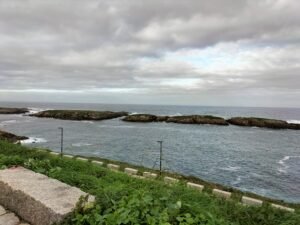
Three Islands close to A Coruna

The region of Galicia, located in the northwest of the Iberian Peninsula, is a land defined by rugged coastlines, mountainous terrain, and fertile valleys. Galicia’s geography and geology have played a fundamental role in shaping both its natural environment and the ways in which ancient civilizations, such as the Gallaeci (the Celtic tribes of Galicia), interacted with their surroundings.

Briefing – Design of Galician Hillforts

Castro Viladonga Castro de Viladonga

Hillforts, or castros, are some of the most iconic archaeological features of Galicia and provide valuable insights into the region’s Celtic past. These ancient settlements, typically constructed on hilltops or elevated locations, were used for defensive and residential purposes by the Gallaeci and other Celtic groups in northwest Spain.

Briefing – Roman Interaction with Galicia and the Iberian Peninsula

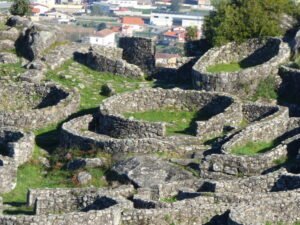
Hut circles at Castro de Santa Trega

Roman Invasion of Hispania: The Romans’ first significant incursions into the Iberian Peninsula began in 218 BCE during the Second Punic War, when Hannibal Barca, the Carthaginian general, crossed the Alps and threatened Rome. This prompted Roman intervention to ensure control of their western Mediterranean territories.

Briefing – The Myth of Breogán and the Tower of Heracles

Statue of Breogans at a Coruna

Breogán is a legendary figure in Galician mythology and is regarded as the founder of the Galician people. The myth of Breogán is part of the ancient Celtic tradition, and while the details of his story vary across sources, he is universally seen as a key figure in the mythological ancestry of the Galicians.

Galicia

A Coruna Bay

The region of Galicia, located in the northwest of the Iberian Peninsula, has a history that stretches back to prehistoric times. Known for its Celtic roots, rolling hills, rugged coastlines, and rich folklore, Galicia is a place steeped in ancient traditions and mystery.

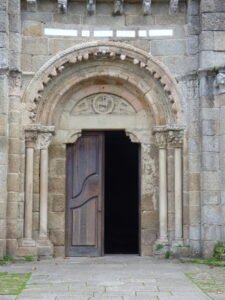
Church of Santa María de Cambre, Cambre near A Coruña

The Church of Santa María de Cambre, located in Cambre near A Coruña

The Church of Santa María de Cambre, located in Cambre near A Coruña, is a significant Romanesque monument dating back to the 12th century. It was built on the foundations of a Benedictine monastery, which itself was founded during the early medieval period.

Contact Us
close slider