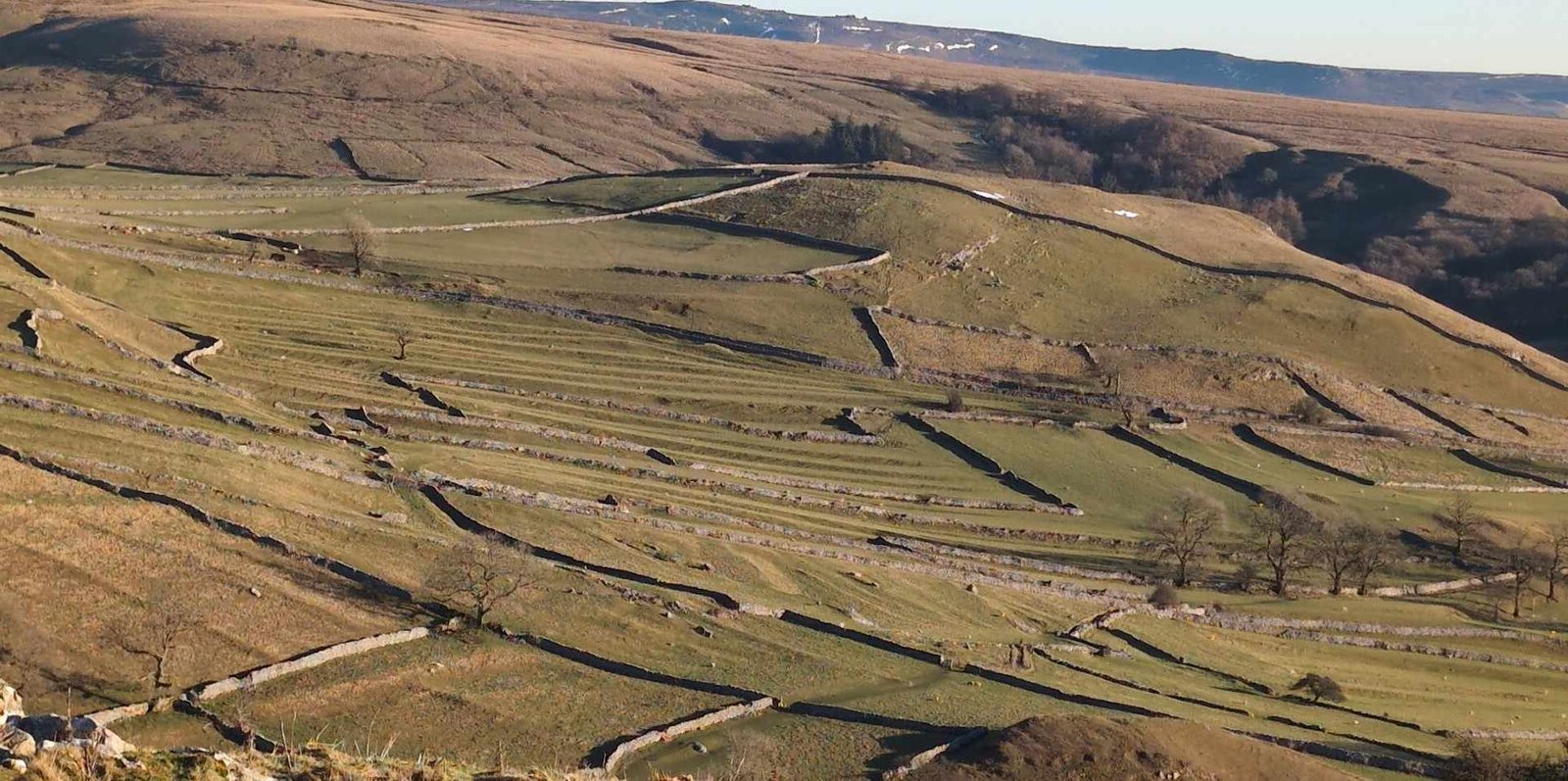
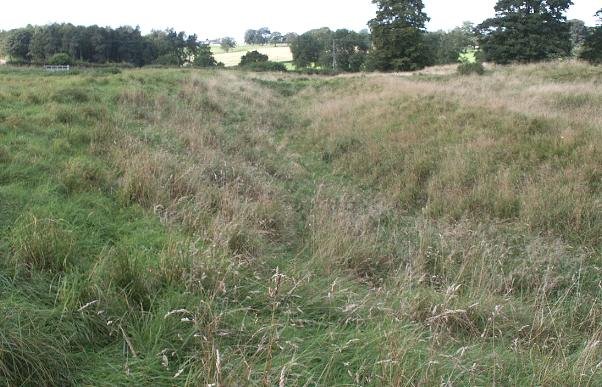
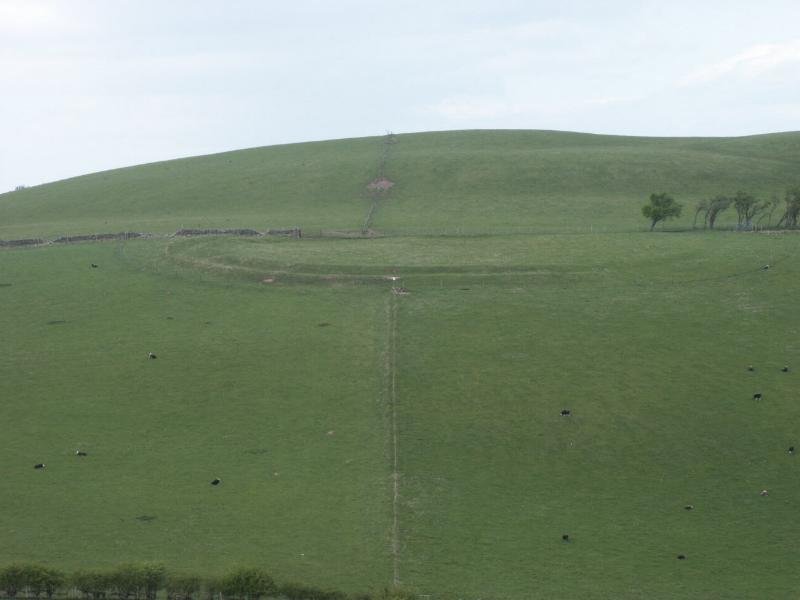
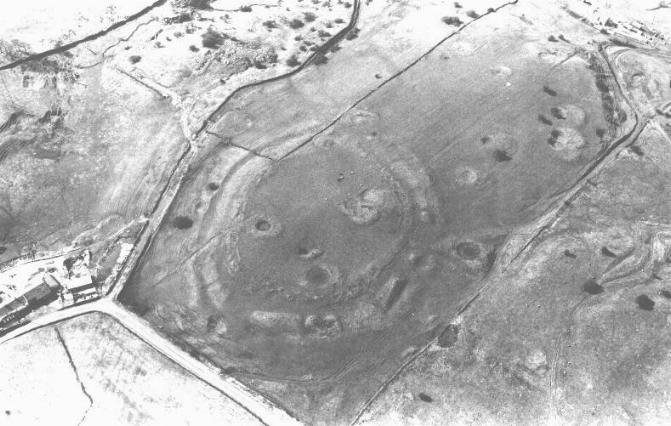
Cumbria’s dramatic landscapes are the product of a 500-million-year geological saga, punctuated by mountain-building, volcanic upheaval, Limestone burial, tectonic extension Read more
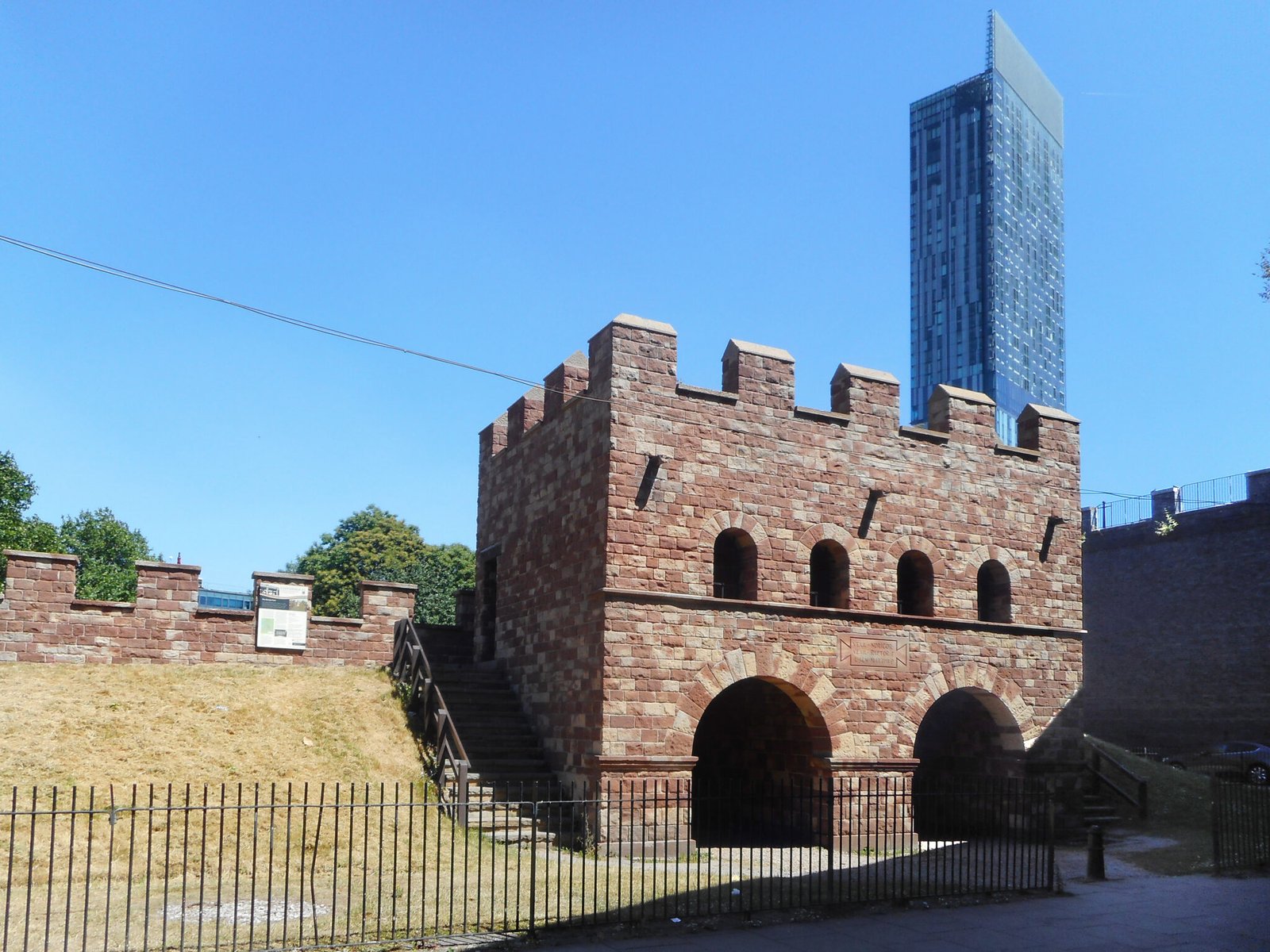
Archaeologists have exposed a well-preserved cambered Roman road surface in Manchester’s Castlefield area (Liverpool Road/Liverpool Street reporting), astonishingly only c....
A fragment of a cast one-piece copper-alloy early post-Medieval animal (crotal) bell. The suspension loop is integral, trapezoidal in shape and drilled. The upper hemisphere is broken across the opposing sound holes and has sunburst or [...]
A complete copper-alloy one-piece crotal bell of post-medieval date, c.AD 1500 - 1650. The bell is spherical and hollow, separated into two hemispheres by an integral raised circumferential ridge. An integral sub-rectangular attachment loop projects [...]
A complete copper-alloy button of medieval to Post-Medieval date, c.AD 1400 - 1700. The object is heart-shaped with a thick rectangular profile. The sides of the heart bend forward from a central groove (possibly not [...]
A worn silver halfgroat of James I of England (AD 1603-1625), struck at the Tower of London between AD 1603-4. Thistle initial mark. North N2076. [...]
A cast copper-alloy discoidal button with integral loop dating to the post-medieval period, c. AD 1700-1800. The button is formed in one piece and is decorated on the fron face with a central rose design [...]
A complete and little worn Iron Age silver unit of the North Thames Region / Catuvellauni, attributed to Tasciovanus c. 20 BC - AD 10 (Haselgrove Phase 7). "Braided hair" type. Obverse: Head left with [...]
A worn silver cut halfpenny of Henry III (AD 1216-1272), voided long-cross type dating to c. AD 1250-1256. Struck by the moneyer Randulf in Bury St Edmonds, Class 5b-c, North no. 992-993. [...]
A foot from a cast copper-alloy bow brooch dating to the later first or second century AD. The foot retains the catchplate and the lower bow has a raised central ridge. Due to being fragmentary, [...]
A small fragment of a cast copper-alloy spherical animal bell (crotal bell) of Post-medieval date (AD 1600-1800). The bell would have comprised two hemispherical domes with a raised circumferential join and a rectangular attachment loop. There are signs [...]
A silver Medieval half groat of Edward IV, first reign, light issue, type IX dating to 1464-1470. Rose initial mark and trefoils by neck of obverse bust. Canterbury mint, royal issue. As North 1589. [...]
A fragment of a Roman copper-alloy brooch, interpreted as a trumpet derivative of Wroxeter type, dating to AD 75-200. The surviving element comprises the head, upper decorative projection and a reduced bow/foot. The head is box-like [...]
A fragment of a cast copper alloy Anglo-Saxon brooch, probably a radiate-headed type dating from the mid sixth century AD. Only the foot plate remains; this is triangular with flanking knops at the junction with [...]
A Medieval silver penny of Edward II (AD 1307-1327), Withers Type 30, North Class 11, not further defined,dating to AD 1310-1314. Mint of London: Ref: Withers and Withers 2001: 32. [...]
An incomplete Post Medieval copper-alloy rowel spur dating to circa AD 1600-1700. The spur consists of a small portion of both arms - terminating in old breaks - neck, and rowel box. The box is projects from the upper [...]
A complete Medieval to Post Medieval lead-alloy loom weight dating to circa AD 1200- 1800. It is circular in plan and rectangular in section. It has a central hole of 10mm in diameter. Weights of this [...]
An incomplete Medieval copper-alloy buckle dating to circa AD 1250-150. The extant piece consists of the pin, likely from an annular buckle.The pin shaft is rectangular-sectioned. It has a loop at one and tapers into [...]
A complete Medieval to Post Medieval signet ring dating to circa AD 1400-1600. The ring comprises a broadly circular hoop with expanded sub-oval bezel when viewed from underneath. The shoulders and hoop are plain. The hoop [...]
An incomplete Medieval copper-alloy buckle dating to circa AD 1350-1550. The surviving piece consists of the frame. It is circular in plan with a central offset bar creating two D-shaped loops. The frame is plano-convex [...]