Blog Archive

Live Moor Hill Fort

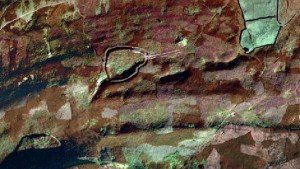
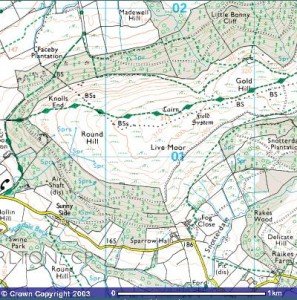
“Whorlton, Live Moor, (NZ 496012) A previously unrecorded promontory fort was identified by D. Smith on air photographs and later surveyed by him and G. W. Goodall. A single rampart with external ditch extends across the west-facing spur of Live Moor to enclose an area of approximately 2 acres known as Knolls End.
Kirklington Tumulus

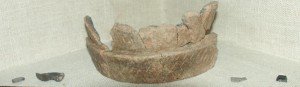
“Prehistoric vessels dug out of the mound at Stapely Hill, Kirklington, in 1903. Fragments of several pottery urns of the Bronze Age, C. 1,000 B.C., one containing cremated human bones” Description and photo’s from Kirklington Church.

Kilgram Bridge Ford

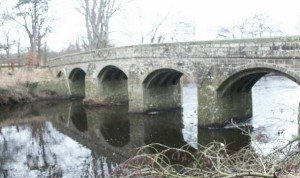
Kilgram bridge itself is of known ancient construction, and is believed to date from the early 12th century – probably built around 1145 AD by the Cistercian Monks who founded Jervaulx Abbey nearby. Local myth tells how the bridge was built by the Devil after a pact made with the local population. Kilgram Bridge is first mentioned in literature in 1301, however Kevin Cale, in his assessment of the bridge suggests an early 12th century date to be appropriate (4).

Hutton Moor Henge

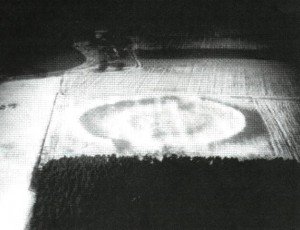
Hutton Moor Henge is almost identical the the henges at Thornborough and Nunwick. It’s been proposed that these henges form part of a large scale ritual landscape created in the area, linked to the Rivers Ure and Warfe.

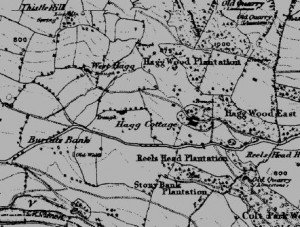
Fremington Hagg

← The Yorkshire Dales Greta Bridge Roman Fort The fort lies between the River Greta and the Tutta Beck, just south of their junction, while the Rom,an Road Read more Kilgram Bridge Ford Kilgram bridge itself is of known ancient construction, and is believed to date from the early 12th century – probably Read more …

Continue reading

Staple Howe West Hesterton

Staple How Satellite (Google Maps)

This small farmstead was established on top of the small chalk hills on the northern edge of the Yorkshire Wolds.

Roulston Scar Hill Fort

White Horse of Kilburn

“We were shocked to discover such a huge complex,” said Alastair Oswald, archaeological field investigator for English Heritage. Preliminary examinations of the remains suggest it was more than twice the size of most other prehistoric strongholds. Built of timber palisades and girdled by a 1.3 mile circuit of ramparts, 60 per cent of which are cut out of solid limestone, the fort has been provisionally dated at 400BC.

Scorton Cursus

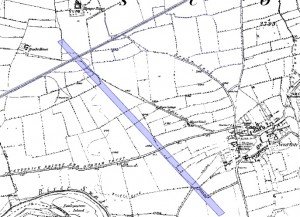
The cursus was originally about 2.1km long and aligned SE-NW. Clustered round the monument were a number of ring ditches, one that was excavated had a single burial with a beaker. This would date the site as being in use from around 3,500BC until at least the Bronze Age c.2,000 BC.

Stanwick Hill Fort

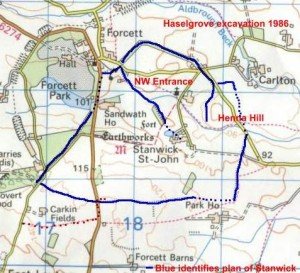
Stanwick is very close to the Scotch Corner junction of the A1, close to Darlington. From Scotch Corner, take the A66 towards Barnard Castle for a couple of miles then take the right turn towards Forcett. The road will take you past part of the defences, at which point a left turn will take you to Stanwick St John Church, which is a suitable starting point for any visit.

Maiden Castle Fort Reeth

For over five hundred years, the miners and smelters of Reeth produced mountains of precious lead. The lead ores from Reeth had high concentrations of Silver, Lead itself became and important ingredient in bronze. Maiden Castle, deep in the Swaledale lead mining territory a unique piece of Iron Age architecture. It is the only known fort with what seems to be a processional entrance.

Contact Us
close slider