Linked Documents
Adwick-le-Street Roman Fort (Derventio)

Roman Rig Defensive Works

Scoles Coppice Fort

Sutton Common Fort

Templeborough Roman Fort – Rotherham

Wincobank Hill Fort

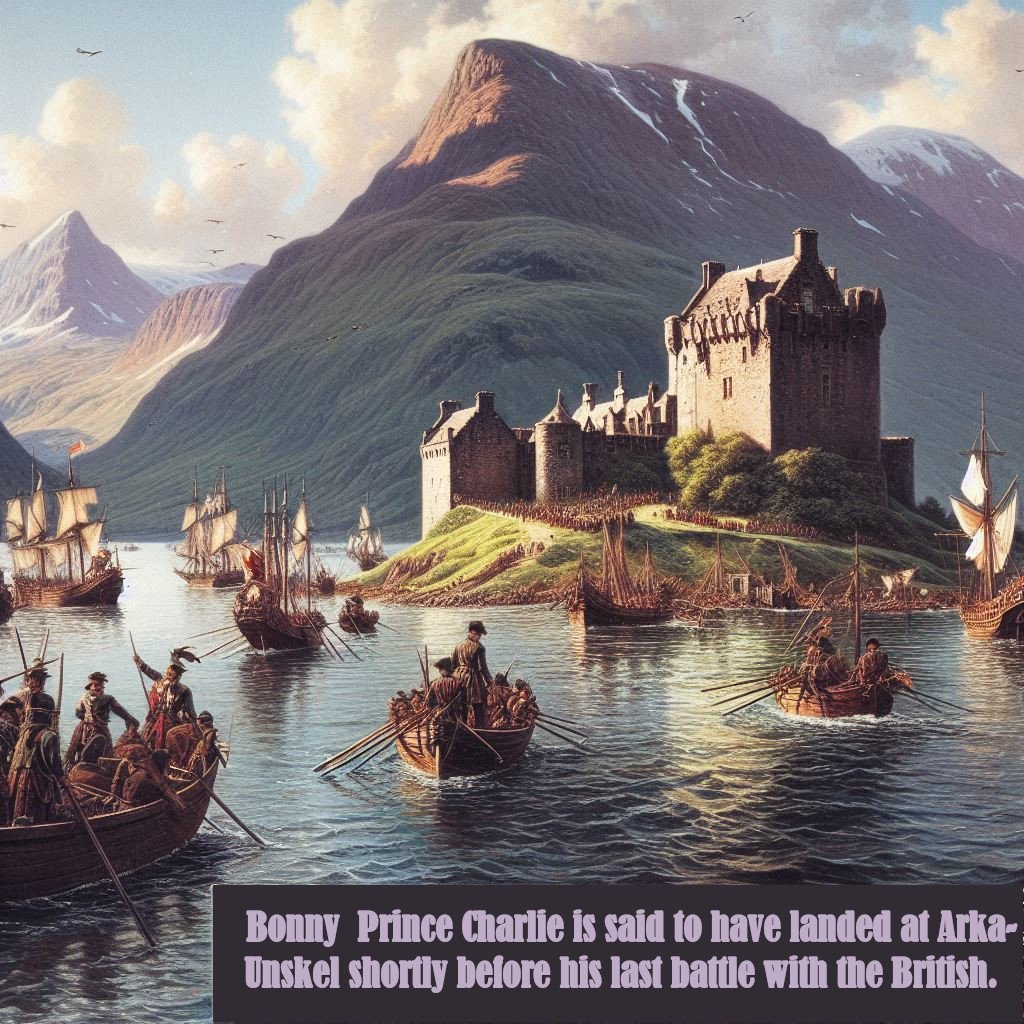
Arka Unskel is 2½ miles ESE of Arisaig at NM693839 and has also been known as Arisaig Fort, Ard Ghaunsgoik Read more
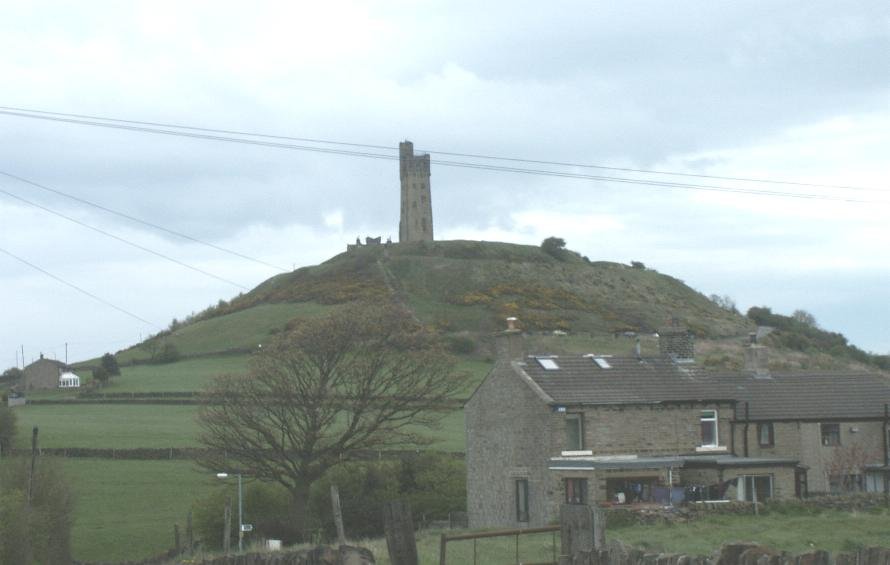
Castle Hill’s imposing silhouette hides a great prehistoric fort, Norman castle and Victorian tower. Thanks to Varley’s trenches and the Read more
The County of North Yorkshire is a small part of what was once a much larger collection of tribes in Read more
Cumbria’s dramatic landscapes are the product of a 500-million-year geological saga, punctuated by mountain-building, volcanic upheaval, Limestone burial, tectonic extension Read more

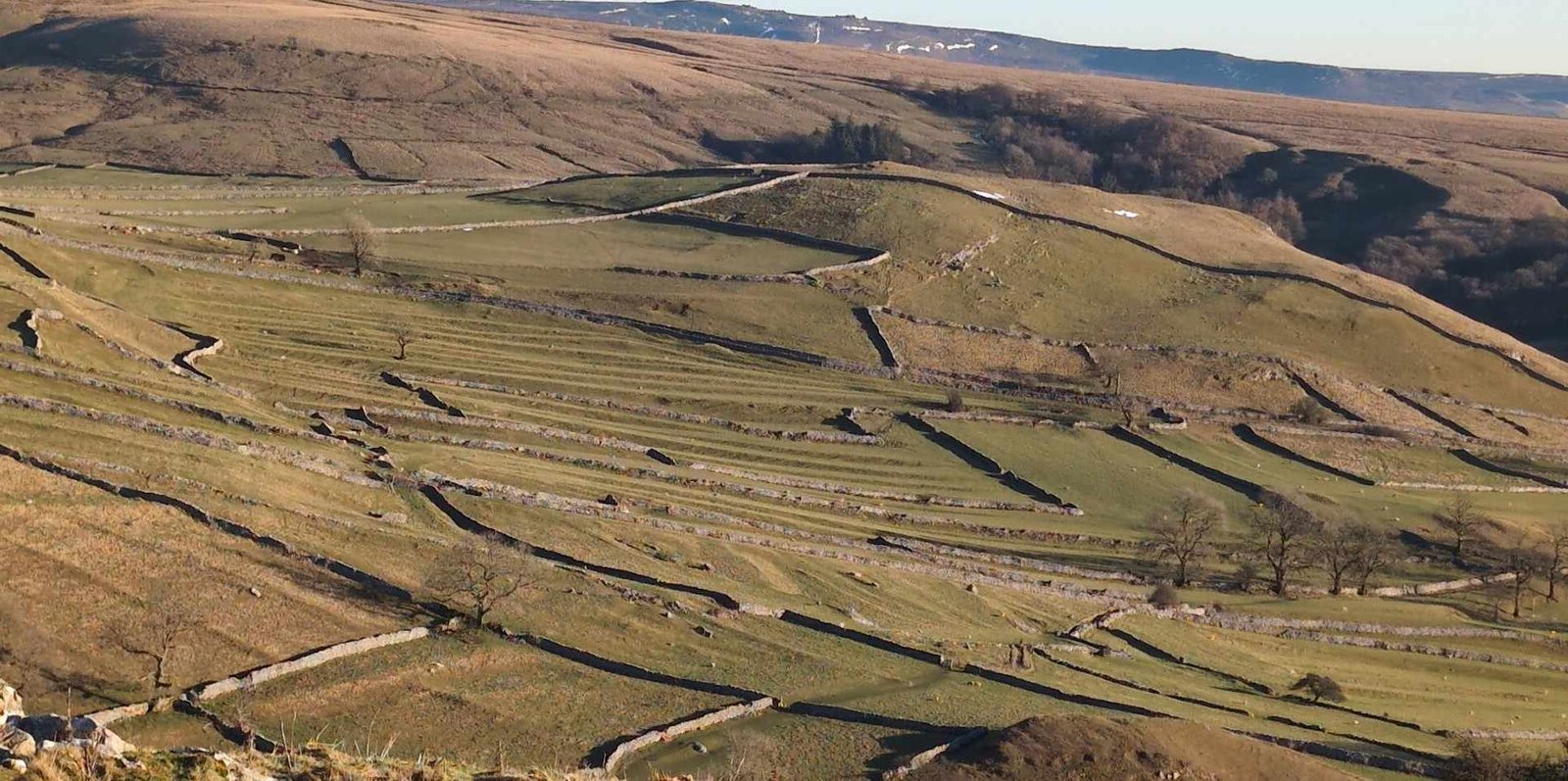
"The scale and function of the Earthworks, which may comprise a rampart, a ditch and a counterscarp bank, is massive Read more
This Iron Age Hill Fort is mostly unrecorded and minimal information is available. A site visit is required to further Read more
The Earthwork known in the National Trust inventory as East Witton Camp lies on the north-facing slope of Braithwaite Banks, Read more
The fort lies between the River Greta and the Tutta Beck, just south of their junction, while the Rom,an Road Read more
A superbly circular "fort", built on the side of the hill, which seems to be a Brigantian fashion (see below). Read more
For over five hundred years, the miners and smelters of Reeth produced mountains of precious lead. The lead ores from Read more
Stanwick is very close to the Scotch Corner junction of the A1, close to Darlington. From Scotch Corner, take the Read more


Heritage Gateway
Silver coin. Republican denarius, as kindly identified by the finder, very worn, issue of Calpurnius Piso Frugis [which one is uncertain], probably issue of 90-67BC, Reece period 1Obverse description: Helmeted head of Roma right, small [...]
Base metal plated denarius or forgery, as kindly identified by the finder, of Plautilla (202-205), Reece period 10Obverse description: bust coiffed and draped rightObverse inscription: PLAVTILLA AVGVS[TA]Reverse description: facing figure with propped hoplon shield lower [...]
A Medieval silver cut farthing of John (AD 1199-1216). Class 5b2 (North 970) dating to AD 1204-1209. Mint and moneyer uncertain. North (1994: 221).Overall dimensions: 8.4mm in length, 9.9mm in width, 0.5mm in thickness and [...]
Copper alloy token. Milled halfpenny token issue of 1650-1671Obverse description: wire-drawn circle with text over three lines: THEIR/HALF/PENYObverse inscription: *GABRIEL[---]ORDReverse description: Tudor-style rose within circleReverse inscription: *HOL[--]?OL?[--]Diameter: 18.6mm, Weight: 1.47gms, die axis: 3 [...]
A complete Iron Age gold stater of the East Wiltshire region, dating to the period 50-20 BC. Savernake Forest type. Plain obverse. Reverse: skinny horse right, pellet mane, solar spiral above and large wheel below, torc motif in front [...]
Copper alloy brooch fragment. The bow and foot of a cast Colchester brooch, Mackreth type C 2. A thin bow of plain rounded section tapers to its foot end where an integral unpierced catch plate [...]
Copper alloy brooch. Cast rear-hook fastening Colchester derivative brooch, cf. Mackreth types CD RH 5.c/?5.i. Plain semi-circular wings with a central blob of solder in the gutter formerly retained a spring [now lost] assisted by [...]
Silver coin. Voided long cross cut farthing, possibly of Henry III (1216-1272), issue of 1248-1278, moneyer possibly Nicole.Obverse description: facing bust, hair [right] includes a neat curl and pellet.Obverse inscription: (--)CVS(--)Reverse description: voided long cross, [...]
An incomplete copper alloy strap end dating to the Early Medieval period (c. AD 750-900). The object is sub-oval in shape and flat in cross-section, with a zoomorphic terminal at one end and a pointed worn break [...]
Copper alloy unidentified object fragment. A small cast oval plate with a longitudinal rib behind, on which a spot of rust remains. The display side bear a penannular border with a low central boss. The [...]
A silver Roman denarius of Antoninus Pius (AD 138-161), dating to AD 138, (Reece period 7). AVG PIVS P M TR P COS DES II reverse type with Fides standing right holding corn ears and basket of fruit. Mint [...]
An incomplete copper alloy Colchester Derivative, Polden Hill type brooch dating to the Roman period (c. AD 75-175). The remains of the brooch consist of the head with partial wings. On the reverse of the head the [...]
Copper alloy finger ring. A small narrow cast band with a flat upstanding plain circular bezel flanked by pairs of rectangular billets at the shoulders, all these details being integrally cast. The small size might [...]
An incomplete copper alloy double-looped buckle dating to the late Medieval period (c. AD 1400-1500). The buckle has one complete loop and one partial loop, with only part of the frame arm remaining. The complete loop [...]
A bent post-medieval silver halfgroat of Charles I (1625-1649). Group D dating to the period 1641-1643. I.m: probably triangle in circle. Tower mint. North (1991) no. 2258. [...]
Silver coin fragment. Slightly under one half of a broken Flavian denarius (69-96), Reece period 4, very worn.Obverse description: craggy head laureate right; trace of wordy legendReverse description: possibly pair of oxen walking leftDiameter: 16.6mm, [...]
An incomplete openwork, copper alloy belt or strap mount dating from the early Post-medieval period, AD 1500 - 1700.There is a teardrop shaped loop with a fleur de lis terminal extending from the pointed end and a rounded [...]
An incomplete copper alloy single-loop buckle dating to the Medieval period (c. AD 1250-1350). The buckle is formed of a D-shaped loop, with a thin bar that protrudes slightly beyond the edge of the frame. The pin is [...]
Lead spindle whorl, as kindly identified by the finder. Cast plano-convex whorl with a central moulded aperture of diameter 9.2mm, probably cast using one half of a biconvex whorl as a master; worn smooth and [...]
An incomplete copper alloy Vessel of Modern date (AD 1800-1910). The object is a jardinere, with a shallow circular form and rolled everted lip. The object retains three applied feet with quatrefoil upper plate and [...]
© 2026 Brigantes Nation.
Made with by Graphene Themes.