
Period: Late Bronze Age

Dryburn Henge, Cumbria

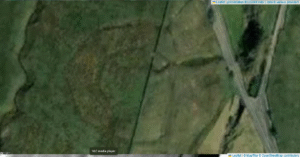
Dry Burn enclosure - Satellite

Dryburn Henge lies on Alston Moor in Cumbria, within the North Pennines Area of Outstanding Natural Beauty. It occupies a strategic nodal point on the high moor, roughly at NY 760 430, where routes across the Pennine watershed converge. The surrounding terrain is underlain by Carboniferous Great Scar Limestone and interbedded Yoredale shales, with scattered fluvioglacial gravels in valley bottoms.

Guide: Hillfort Mounds of Europe

Trelleborg airphoto

Guide: Common Features of Iron Age Hillforts This article attempts to serve as a guide for many of the features of the hillforts found in Britain, in Read more Guide: Iron-Age minting: Ceramic Pellet-mould trays This article explores the most tangible evidence we possess for indigenous minting north of the Humber: the smashed ceramic “pellet-mould” …

Continue reading

The Golden Rings of our Bronze Age “Elite”

Amesbury Archer - gold hair ornaments

These small, delicate gold objects are highly significant, they offer insight into the social status, trade connections, and cultural practices of early Bronze Age societies in Britain.

Chapter 5 – The Later Neolithic Explosion

The one thousand years between 3,000 and 2,000 BC saw the Vale of Mowbray’s most significant period of development. It is at this time that the area between Boroughbridge and Catterick became the Sacred Vale, a premier ritual landscape, with Thornborough as its heart.

Contact Us
close slider