This is our master collection page for all of our heritage articles and sites. It is the root of our Read more
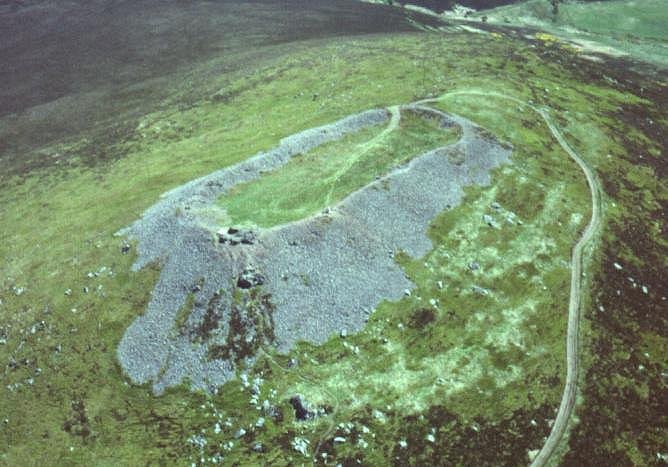
This is one of the best examples of a vitrified fort, it is near the village of Rhynie in northeastern Read more
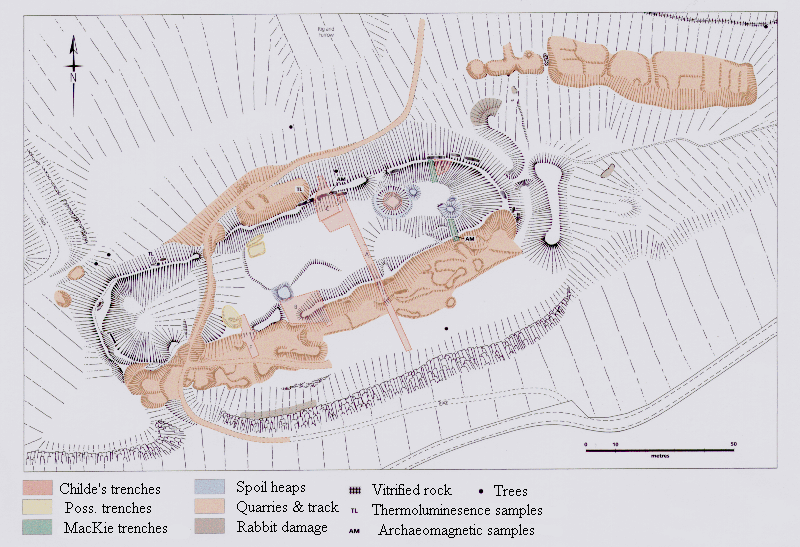
Finavon Hill has attracted a great deal of archaeological interest from antiquarians and archaeologists over the years especially since it Read more
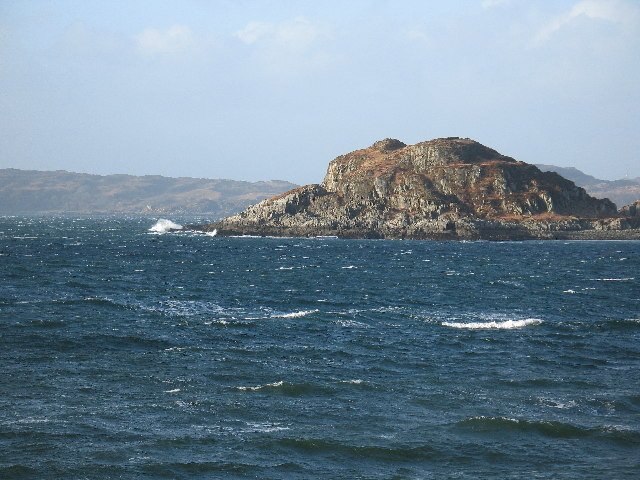
This island, locally termed Eilean na Goar, is the most eastern and is bounded on all sides by precipitous gneiss Read more
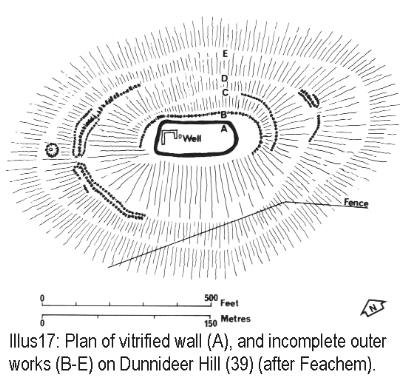
The Medieval Castle, the most prominent feature in the hill, stands inside, and is built from the debris of, an Read more
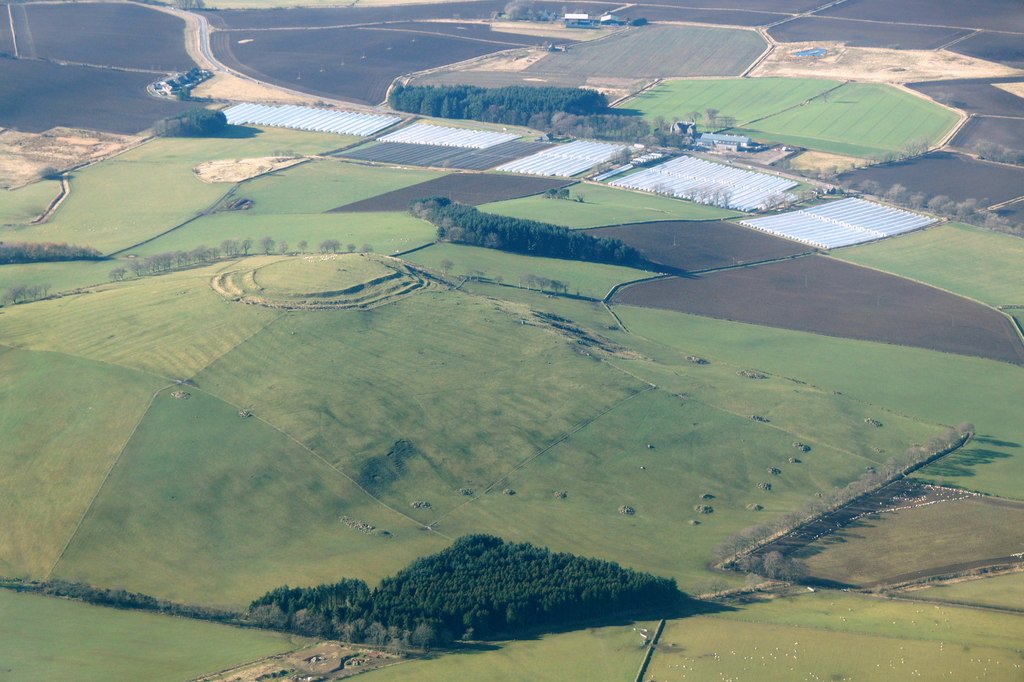
Barry Hill is a textbook “big fort waiting for a small trench”: its spectacular vitrified rampart, enigmatic outer works and Read more
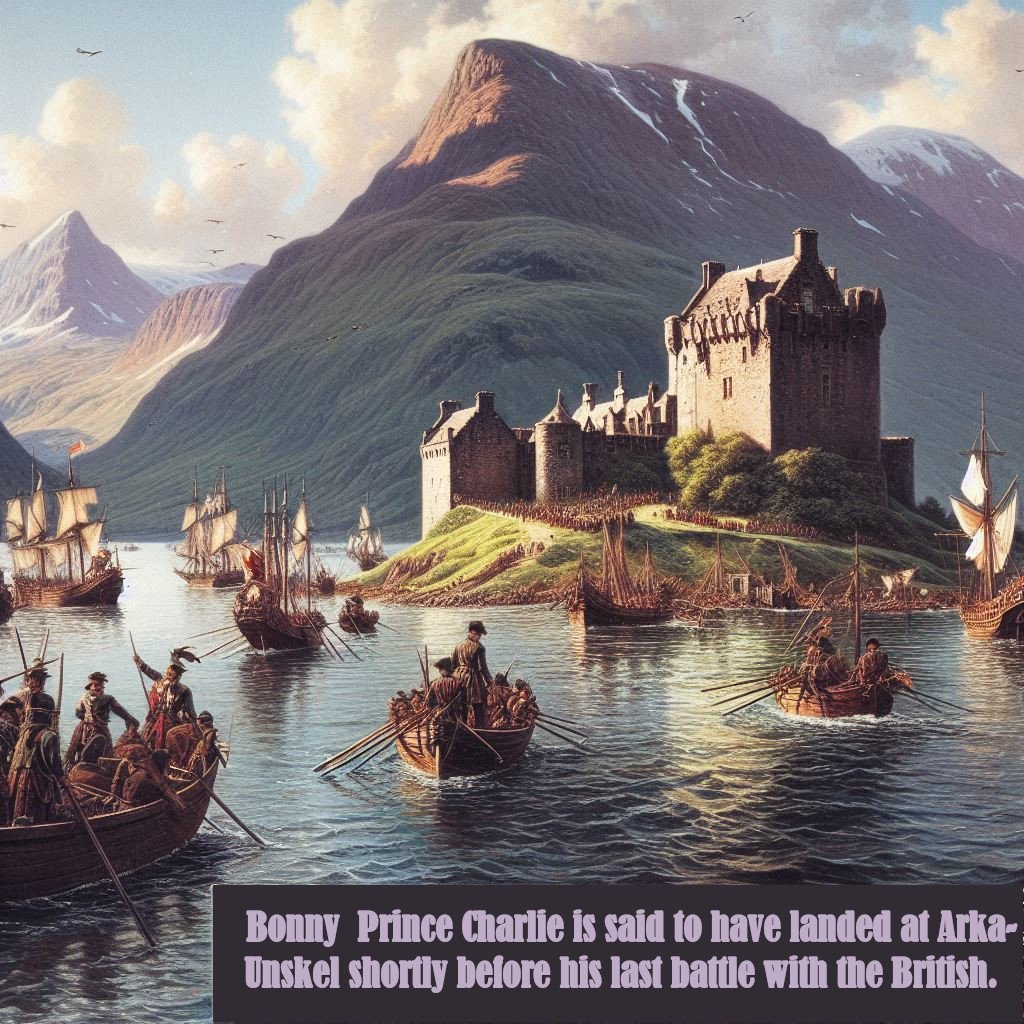
Arka Unskel is 2½ miles ESE of Arisaig at NM693839 and has also been known as Arisaig Fort, Ard Ghaunsgoik Read more
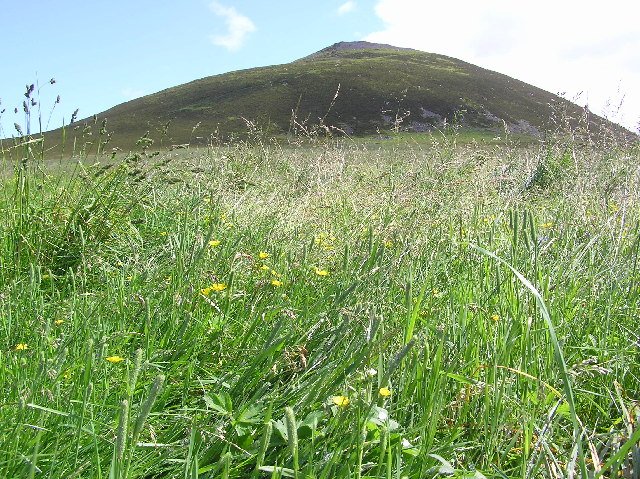
Originally, it was thought that the forts had become vitrified due to an enemy attack. A theory proposed by Childe Read more
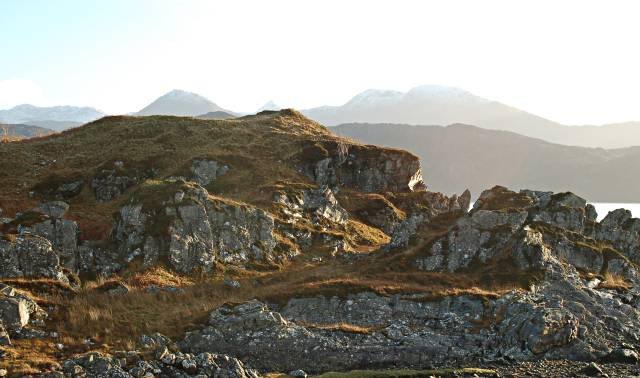
One of the great mysteries of classical archaeology is the spartan worldwide distribution of vitrified forts, except for Scotland and Read more
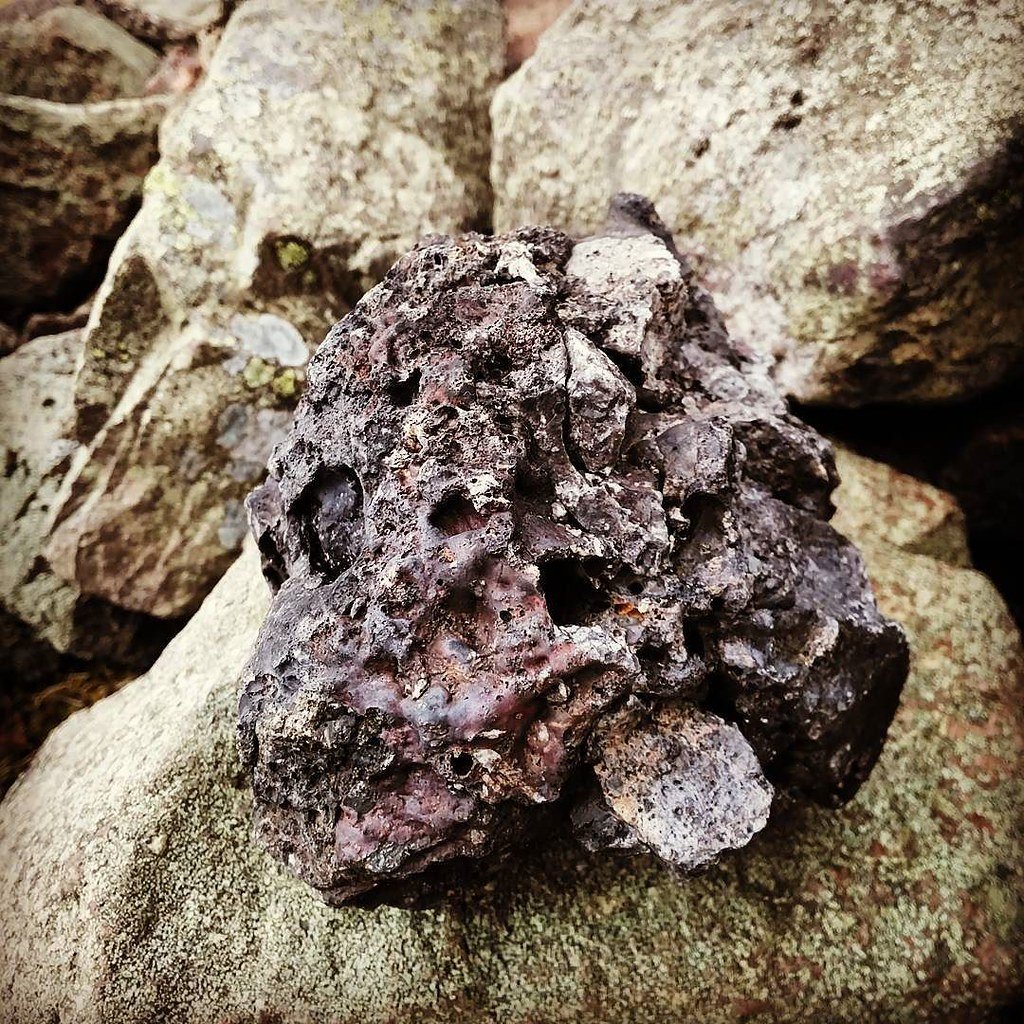
Archaeologists have suggested ways to organise the very varied “vitrified forts” into formal classes – especially schemes that distinguish forts Read more
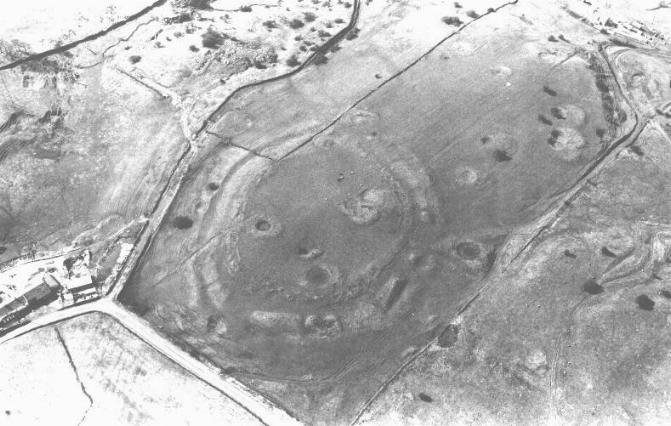
This denuded hillfort is oval and encloses almost two acres. The defences comprise triple circuits of bank and ditch, with Read more

Castle Hill’s imposing silhouette hides a great prehistoric fort, Norman castle and Victorian tower. Thanks to Varley’s trenches and the Read more
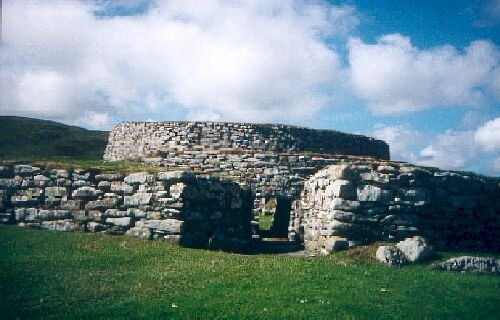 Clickimin (or Clickhimin) Broch, Lerwick, Shetland – the essentials
| Aspect | Details |
|---|---|
| Setting | Stands on a low peninsula that was originally a tidal islet in Clickimin Loch, 1 km SW of Lerwick town centre. A stone-paved causeway links it to the shore. (historicenvironment.scot) |
| Monument ensemble | (1) an outer “ring-work” wall with a single portal; (2) a massive free-standing blockhouse guarding the entrance (a rare feature shared only with a handful of Shetland brochs); (3) the circular broch tower itself; (4) the later wheel-house and cellular buildings tacked onto the west side. (Canmore) |
| Broch dimensions | Outer dia. c. 20 m; wall 3-4 m thick; intramural stair rises to a first-floor gallery; present height c. 3 m but may originally have exceeded 9 m. (Canmore) |
| Occupation sequence (Hamilton, 1953-57) | • c. 1000–700 BC – small Bronze-Age farmstead on the islet.• c. 700–400 BC – rebuilt as an Iron-Age roundhouse with palisade.• c. 400–200 BC – stone ring-work and freestanding blockhouse raise defences.• c. 100 BC – AD 100 – broch tower erected inside the ring.• AD 200–300 – broch interior remodelled into a wheel-house; site abandoned c. AD 500. (archaeologyshetland) |
| Key finds | Decorated bronze pin, mould fragments, rotary querns, crucibles, whale-bone mace head, steatite vessels, large stock of sheep, cattle and horse bone indicating mixed farming. (Canmore) |
| Excavation history | Trial drawings by Sir Henry Dryden (1850s–70s); full excavation and partial consolidation by J.R.C. Hamilton, 1953-57; ongoing conservation under Historic Environment Scotland. (Canmore, Canmore) |
| Interpretation issues | • Blockhouse purpose: gateway bastion? sub-broch ancestor? still debated.• Sequence: Hamilton’s five-phase model accepted broadly, but recent reassessment suggests some overlap between ring-work and broch construction.• Atlantic network: pottery, steatite and metalwork link Clickimin to the wider Northern Atlantic Iron-Age culture rather than mainland “Brigantia”. |
| Visiting today | Free, year-round; interpretive panels explain phases; panoramic view over the loch and modern Lerwick. Managed by Historic Environment Scotland. (historicenvironment.scot) |
Why Clickimin matters
- Completeness – rare to see outer fort, blockhouse and broch preserved together.
- Long chronology – continuous use from Bronze Age farm to post-broch wheel-house shows 1 000 years of island life in one compact site.
- Gateway role – guards a natural landing-place on Lerwick’s south approach, hinting at control of sea-borne movement through Shetland’s “inside waters”.
This site was occupied in several periods, originally late Bronze Age between 700 - 500BC. Firstly a simple farmstead which expanded to a blockhouse (fort) and then by a huge circular brock. A population of around 60 lived in this little fortress. Later, 2nd century occupation is shown when a wheelhouse was added.

The fort and broch at Clickhimin display a sequence of development from the later Bronze Age to the latter 1st millennium AD
"Shetland falls outside the range covered here, but the monograph on Clickhimin is of primary importance, not only for the details of the excavation of the small fortress, but because it sets out a convincing hypothesis as to the nature and origins of the 'vitrified' forts of the Scottish mainland." - AHA Hogg, Hill-forts of Britain.
Clickhimin, it appears is not a vitrified fort, the above reference was made in the light that it may be one of the oldest timber framed ramparts in Scotland. It has been suggested that all vitrified forts were timber framed.