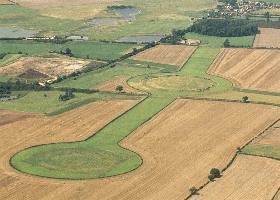
Period: Neolithic

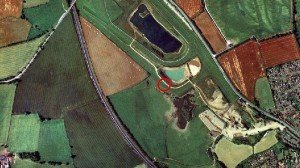
Sinderby Henge

With kind permission of YAAMAPPING

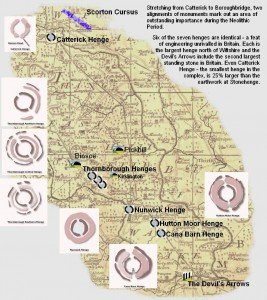
Although all the existing literature assures us that the Great Henge Alignments of North Yorkshire are now covered by – The Langthorpe Earthwork, Cana Barn Henge, Nunwick Henge and Hutton Moor, finishing with the astounding triple Henge alignment at Thornborough, this may not necessarily be the case.

Maidens Grave – Burton Fleming, North Yorkshire

With kind permission of YAAMAPPING

A henge located north of Rudston,The henge was discovered as a cropmark on an aerial photograph in the early 1960s, although subsequent field investigation showed it to survive as an earthwork, albeit badly plough-damaged.

Nunwick Henge

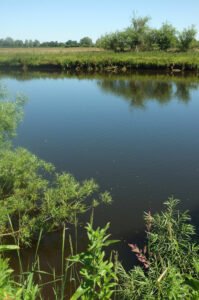
River Ure southwest of Nunwick

A henge at Nunwick visible both as a low bank and shallow internal ditch and as a cropmark. A berm was originally present between ditch and bank.

Rudston Standing Stone

An image illustrating an article about Rudston Standing Stone on thealicesyndrome.com

Rudston is England’s tallest Standing Stone and it’s presence gave the name to the village that it’s located in. It’s presumed to be of Neolithic origin. It’s just over 25ft high.

Catterick Henge

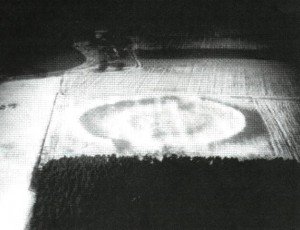
The henge at Catterick racecourse is an intriguing prehistoric site. Initially thought to be a Roman amphitheatre, it is now believed to be a henge, a type of Neolithic earthwork. Crop-mark mapping defined the henge, the 1990s rescue dig explained its mixed bank and cairn fabric, Roman-town excavations showed how much of it was levelled in antiquity, and the motorway programme set the site back into a much larger prehistoric landscape.

Thornborough Henges

With kind permission of YAAMAPPING

A site that spans several thousands of years from the Stone Age to at least the Iron Age, the ancient people of the area built one of Britain’s largest ancient sites in Yorkshire, in what was to become the heart of Brigantia.

Hutton Moor Henge

Hutton Moor Henge is almost identical the the henges at Thornborough and Nunwick. It’s been proposed that these henges form part of a large scale ritual landscape created in the area, linked to the Rivers Ure and Warfe.

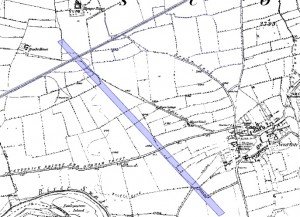
Scorton Cursus

The cursus was originally about 2.1km long and aligned SE-NW. Clustered round the monument were a number of ring ditches, one that was excavated had a single burial with a beaker. This would date the site as being in use from around 3,500BC until at least the Bronze Age c.2,000 BC.

Yorkshire’s “Sacred Vale” – The Dawn of Brigantia

More than 4,000 years before the discovery and widespread use of Iron an unprecedented bout of monument building in the centre of Brigantia created the Britain’s largest religious monument complex, a place that has been suggested as being Britain’s religious capital during the Neolithic Period.

Thornborough Henges, North Yorkshire

Glossaries Glossaries [su_button url=”https://brigantesnation.com/latin-roman-terms”]Latin (Roman) Terms[/su_button] [su_button url=”https://brigantesnation.com/technical-terms”]Technical Terms[/su_button] [su_button url=”https://brigantesnation.com/archaeological-terms”]Archaeological Glossary[/su_button] Mote of Mark, Dumfries   “Mote of Mark from sea shore path – geograph.org.uk – 6273954” by Andrew Curtis is Read more Devil’s Arrows, North Yorkshire The Devil’s Arrows – BoroughBridge Introduction This Bronze Age site comprises of three large standing stones, it …

Continue reading

Contact Us
close slider