Period: Iron Age

Classification of Vitrified Forts

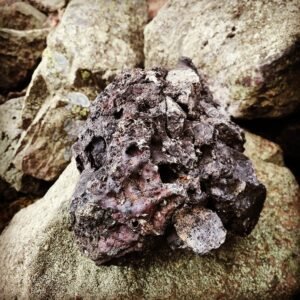
Very vitrified. Possibly part of the pictish fort that was here.

Archaeologists have suggested ways to organise the very varied “vitrified forts” into formal classes – especially schemes that distinguish forts by how much and what kind of vitrification their ramparts show. Below is a digest of the main classification ideas that have been proposed in the literature and how researchers actually use them in field reports and laboratory work.
L’enigme des forts vitrifies

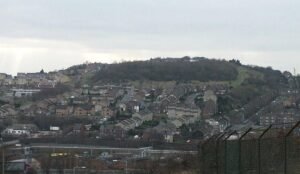
Wincobank Hillfort, Sheffield

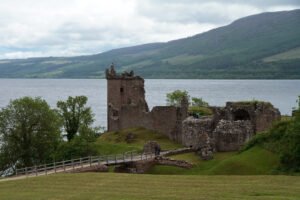
C’est lors d’un voyage en Ecosse, au cours de l’été 1997, que nous avons entendu parler pour la première fois de forts vitrifiés. C’était au château d’Urqhart, au sud d’Inverness. Les monuments historiques fermant tôt, dans ce pays, nous ne pûmes voir que de loin cette impressionnante forteresse en ruine du XIIe siècle qui domine la rive occidentale du Loch Ness. Nous nous contentâmes juste de faire des photos au téléobjectif depuis le parking et de lire les panneaux retraçant l’historique du site.

Mystery of Vitrified Forts

Urqhart Castle

It was during a trip to.Scotland, in the Summer of 1997, that I first heard of vitrified hillforts. It was near Urqhart Castle, south of Inverness. As ancient monuments close early in that country, I could only see from a distance that impressive ruined fortress overlooking the west bank of Loch Ness.

The Vitrified Forts of the British Isles and Europe

Tap O Noth LiDAR 1m - Thanks to the National Library of Scotland

This page is the “collection centre” for our research into vitrified forts, covering the area largely known as the British Isles.

Southern Gaul Map

This map is from a 19c atlas of the Roman world.

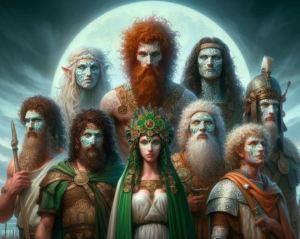
Celtic Warriors

Though these may seem fairly accurate, more recent interpretations of how Celtic warriors looked in the late La Tène or Iron Age period before the Claudian invasions in Gaul and Britain are available.

Celts through Roman Eyes

To the Romans, the Celts presented a terrifying sight because of their tall stature and their strange appearance.

Celtic Customs

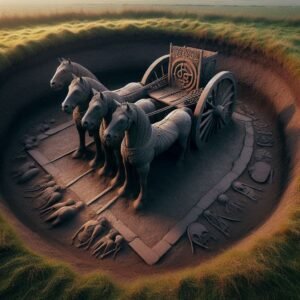
An interesting legacy of Celtic culture is the custom of burying the dead in barrows surrounded by a square ditch. This was a uniquely British phenomenon.

Celtic Industry

To look upon the tribes of Britain as just a bunch of savages is totally erroneous. Each tribe had thriving industries based on manufactured goods. Whether these goods were made in the homes of individual families, or in group workshops. The products of Celtic craftspeople were just as stunning as any Roman artefact.

Celtic Economy

Celtic Heads Celtic Head from Witham, 2nd c B.C. (British Museum) “Celtic” carved heads are found throughout the Read more Timeline 60BC – 138AD This timeline is focussed on the British Celtic culture and those cultures which had influence on the British Celts. It Read more Heads at St Michael, Kirklington An analysis of head …

Continue reading

Contact Us
close slider