Notice: Function WP_Scripts::add was called incorrectly. The script with the handle "datatables-responsive" was enqueued with dependencies that are not registered: datatables. Please see Debugging in WordPress for more information. (This message was added in version 6.9.1.) in /home/u621095157/domains/brigantesnation.com/public_html/wp-includes/functions.php on line 6131
The placement of church doors and windows, including the absence of eastern doors, reflects both theological symbolism and practical architectural Read more
The landscape of Thornborough before the arrival of humans was shaped by the end of the last Ice Age, approximately Read more
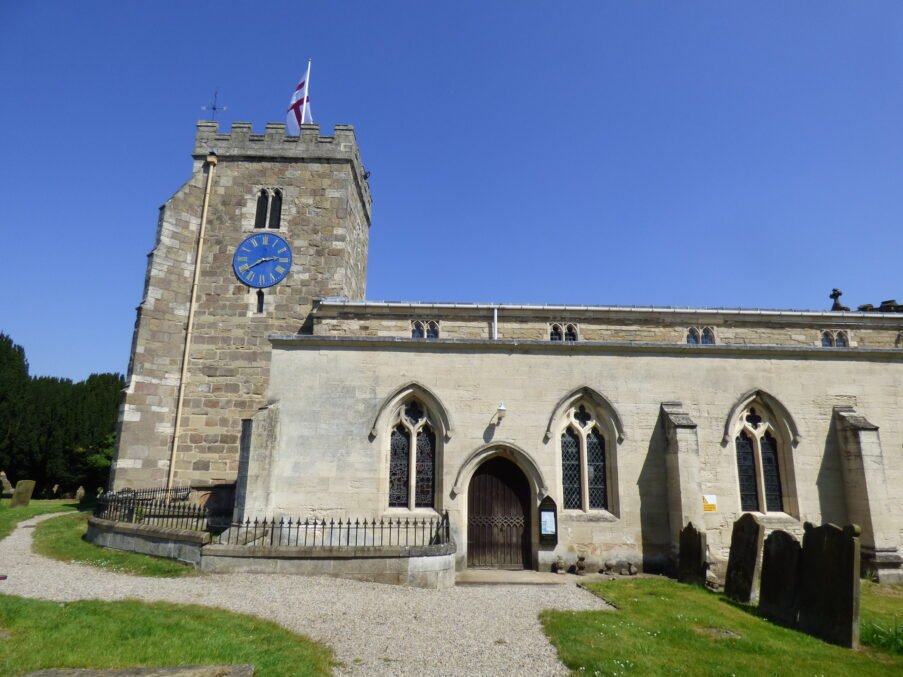
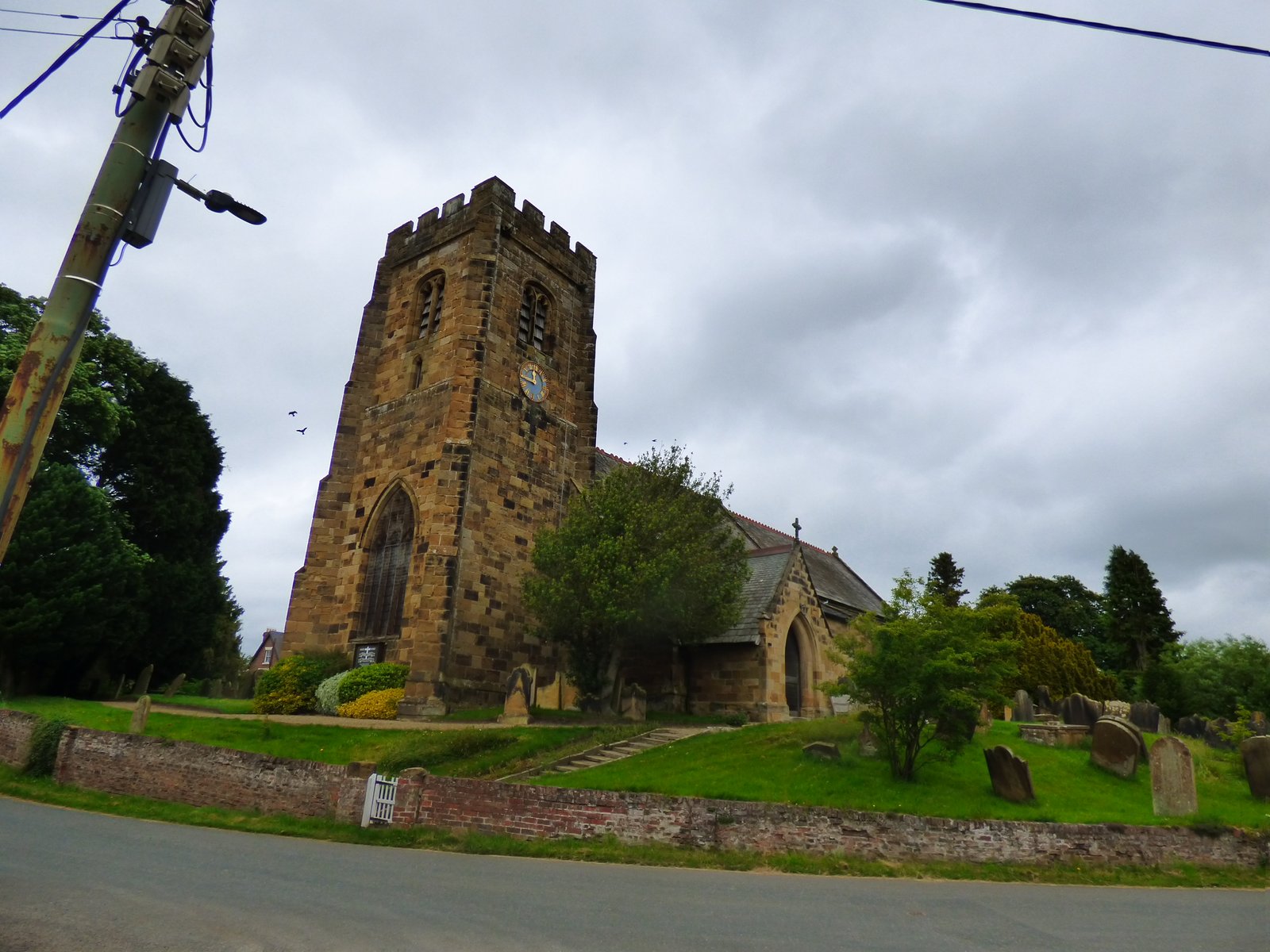
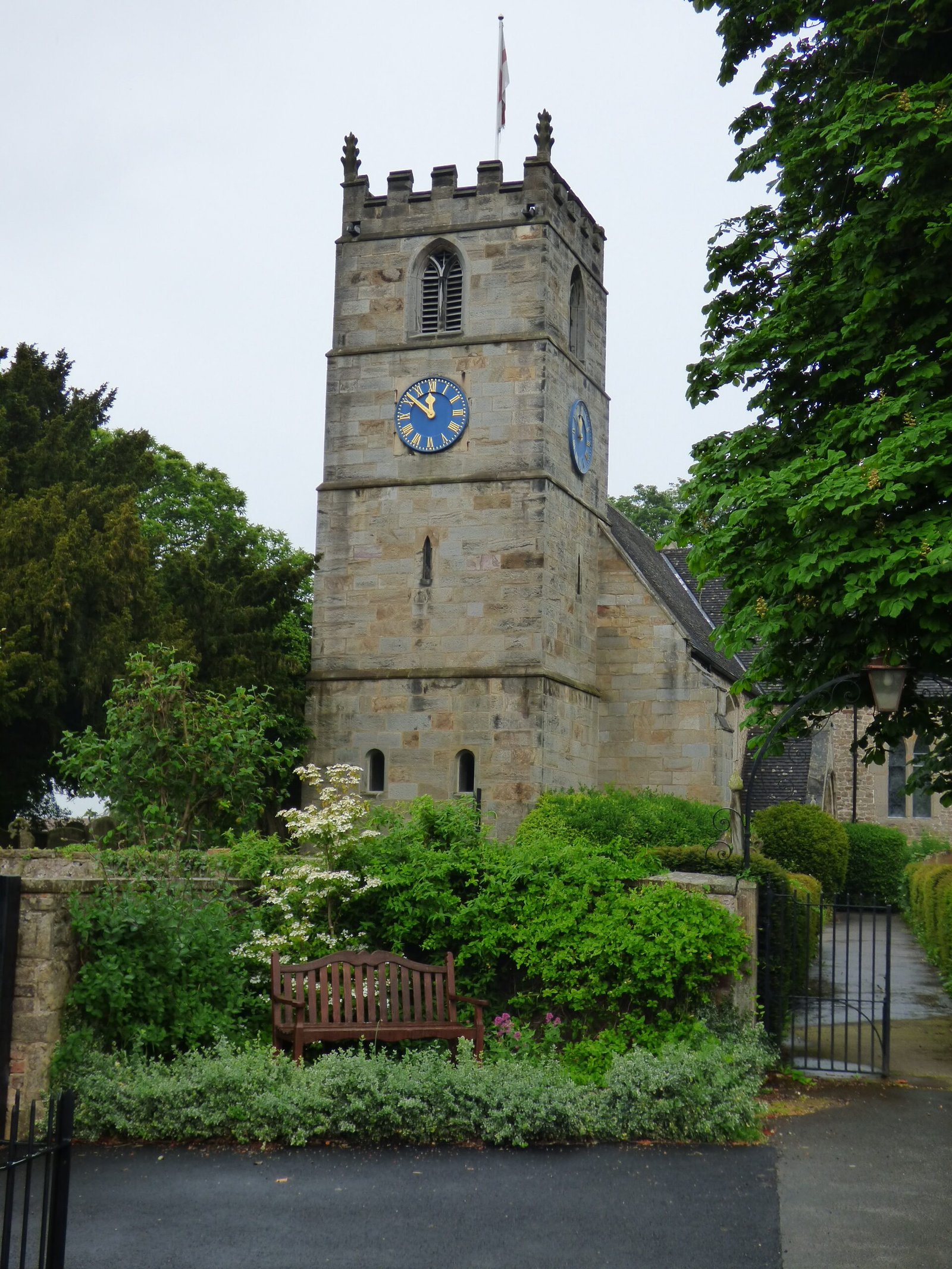
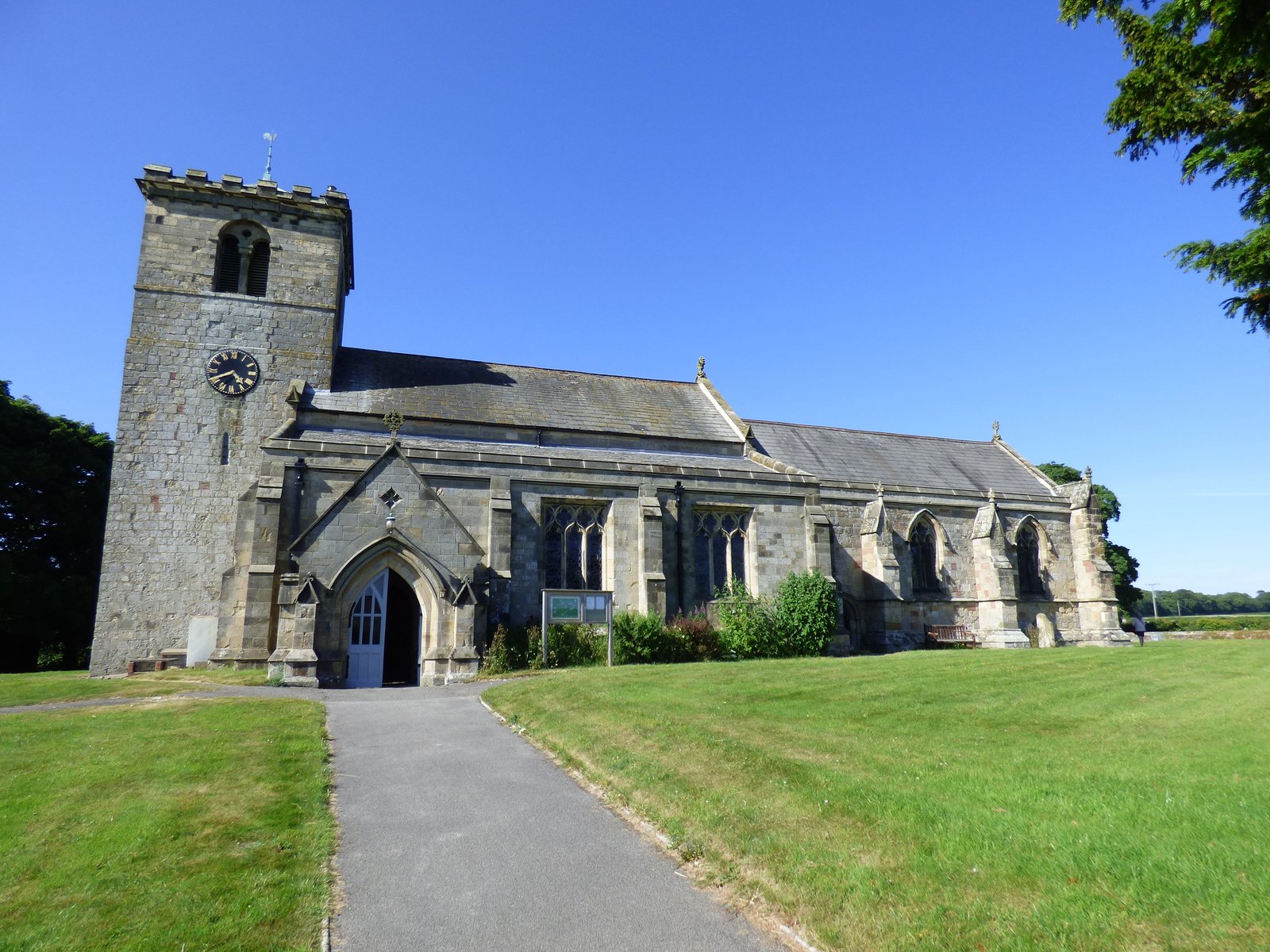
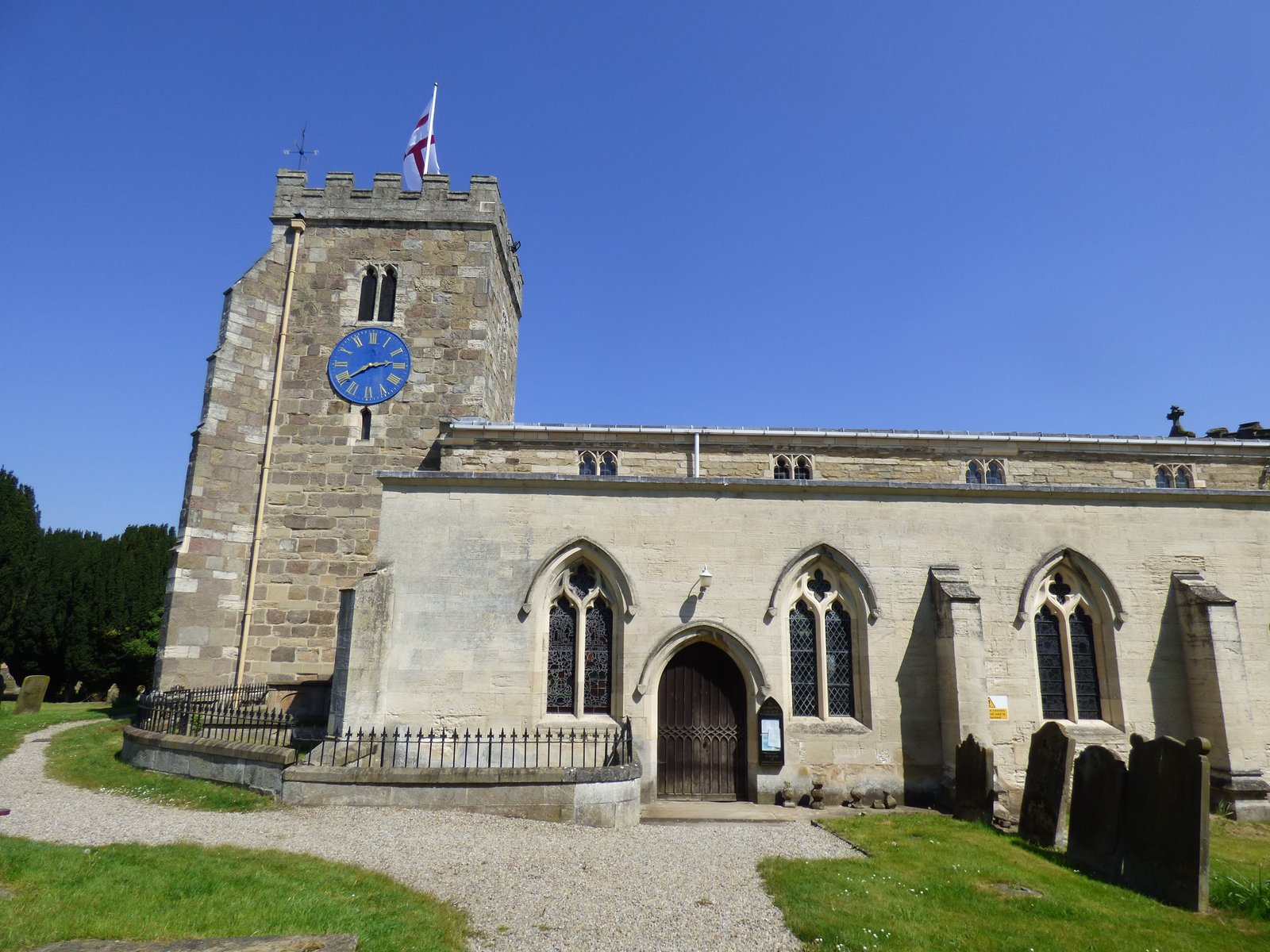
The Parish Church of St Andrews, Aldborough
St Andrew’s is the parish church of Aldborough, the small village that overlies the Roman civitas capital of Isurium Brigantum, and its foundations sit almost exactly where the forum of that Roman town once stood. Antiquaries have long believed the medieval builders re-used a pagan precinct, perhaps even a shrine to Mercury, and the presence of a weather-worn Roman relief of that god built into the north-west wall still lends weight to the idea. (en.wikipedia.org, bitaboutbritain.com)
Earlier Buildings
Two earlier churches occupied the spot, but both vanished. The present building began in the first years of the fourteenth century and was badly damaged during the Scottish raid of 1318. Repair and enlargement followed quickly: a chantry chapel was endowed on the north side in 1333, and by about 1360 a full north aisle had been added. The lofty clerestory belongs to the fifteenth century; a comprehensive re-roofing in oak took place in the sixteenth; and the south aisle was entirely rebuilt, stone for stone, in 1827 after structural failure. Minor restorations in the 1860s and the 1930s left the core fabric largely intact. (en.wikipedia.org, historicengland.org.uk)
Structure
The church is built of warm red sandstone, much of it quarried on the spot from Roman walls, and its plan now shows a nave with clerestory, north and south aisles, a west tower, a square-ended chancel and the small north chapel. The tower is emphatically Perpendicular, with angle buttresses, two-light belfry openings and an embattled parapet that still carries its eighteenth-century bell-frame and a single-handed clock. Five narrow lancets pierce the early-fourteenth-century chancel, while the east window—reset in the 1820s—has five lights beneath exuberant tracery. (en.wikipedia.org)
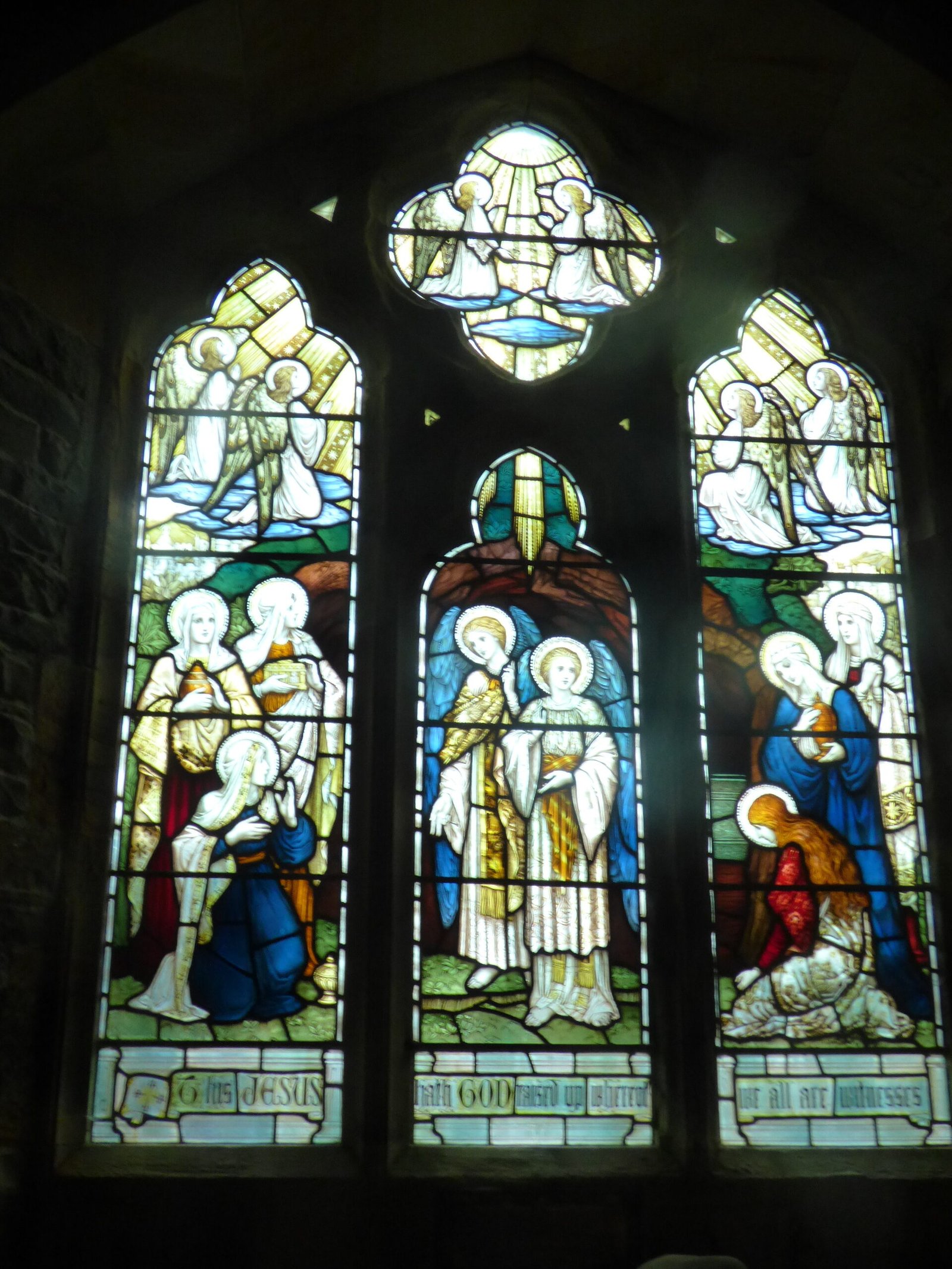
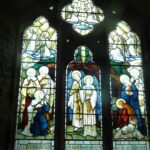
Inside, the arcades rest on octagonal piers with moulded capitals; some capitals retain fourteenth-century canopy-niches that once sheltered carved saints. Medieval stained-glass survives in the north-aisle east window: two figures of bishops flanked by grisaille quarries. Other treasures are the small relief of Mercury already noted, a late-fourteenth-century brass of Sir William de Aldeburgh shown in armour with his feet on a lion, a carved oak panel of “Daniel in the Lions’ Den” dated to the sixteenth century, and finely detailed seventeenth-century stall-fronts moved into the chancel when Georgian galleries were removed. (en.wikipedia.org, britainexpress.com)
Roman Stonework
St Andrew’s was placed on the National Heritage List as a Grade I building in 1966, in recognition both of its rare continuous sequence from Roman, through Norman and high-medieval phases, and of the unusually rich assemblage of Roman stonework conserved in situ. Although no major excavation has been undertaken, geophysical survey around the churchyard confirms that the basilica and forum paving still lie beneath the grass, making the church a key datum-point for understanding the layout of Isurium Brigantum. In short, St Andrew’s is at once a working parish church, a visible Palimpsest of four centuries of medieval architecture, and an archaeological witness to Aldborough’s much earlier life as a Roman administrative capital. (historicengland.org.uk, english-heritage.org.uk)