Celtic Heads
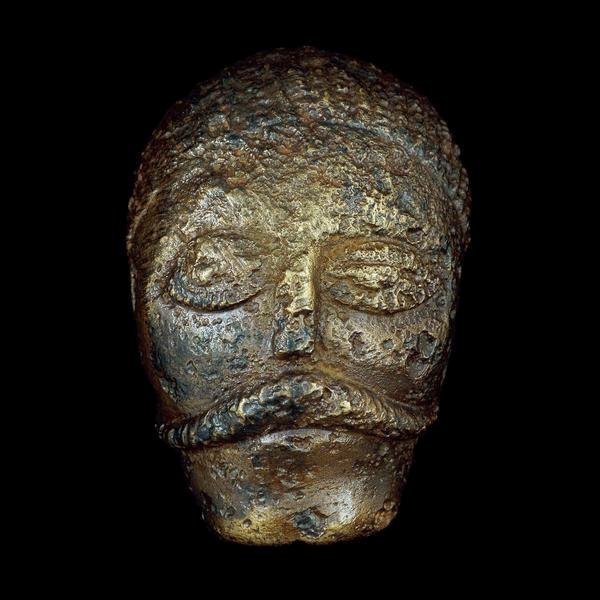
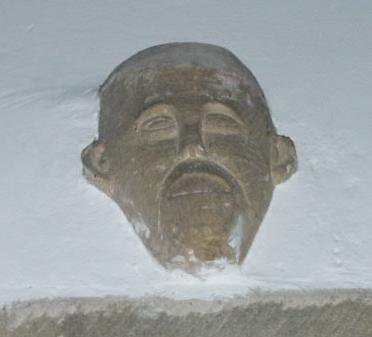
Celtic Head from Witham, 2nd c B.C. (British Museum) "Celtic" carved heads are found throughout the Read more
Timeline 60BC – 138AD
This timeline is focussed on the British Celtic culture and those cultures which had influence on the British Celts. It Read more
Cartimandua
Yorkshire, and much of northern Britain was also ruled by a queen, the most powerful ruler in Britain in fact. Read more
Caratacus
Caratacus was highly influenced by the Druids, and both he and his brother Togodumnus were among the leading lights of Read more
Cerialis Petillius
Quintus Petillius Cerialis Caesius Rufus was the son-in-law of Vespasian Cerialis and became Governor of Britain in AD.71; his instructions Read more
Julius Caesar
Ask anyone to name a famous Roman character, and the name of Julius Caesar is sure to be the most Read more
Vespasian
Born in the year 9 at Reate, north of Rome, Vespasian was the son of a tax collector, Flavius Sabinus Read more
Augustus
Suetonius wrote of him: He was very handsome and most graceful at all stages of his life, although he cared Read more
Claudius
Tiberius Claudius Nero Germanicus was born Lugunum in 10 BC, the youngest son of Nero Drusus, brother of Tiberius. He Read more
Celtic Gods
Many Celtic deities seem to have been associated with aspects of nature and worshipped in sacred groves. Some appear in Read more
Understanding the Development of Nature at Thornborough Before Human Arrival
Post-Ice Age Landscape:
The landscape of Thornborough before the arrival of humans was shaped by the end of the last Ice Age, approximately 10,000 years ago. As the glaciers receded, the land began to warm, leading to the rebirth of plant and animal life. The area would have been covered by a mosaic of vegetation that slowly replaced the tundra-like conditions left behind by the retreating ice sheets.
Vegetation and Flora:
Pine and Birch Woodland: Early post-glacial landscapes were characterized by pioneer species such as birch and pine that gradually colonized the open land. These trees were well adapted to the cooler, wet conditions following the Ice Age.
Mixed Woodlands: Over time, the landscape shifted toward mixed woodlands as oak, ash, and hazel began to dominate the landscape. The area would have likely seen a rich diversity of deciduous forests, where trees like lime and elm began to thrive as the climate warmed.
Heathland and Grassland: The more open areas, particularly near water sources or on the edges of the woodland, would have been covered by heathland and grasses, providing ideal habitats for many small mammals and birds.
Climate and Wetlands:
Wetlands and river valleys would have been a significant feature of the area, especially along the Ure and Wharfe Rivers, and these would have provided rich habitats for aquatic plants and a variety of water-loving animals.
Wet Meadows and Marshes: In places where the land remained waterlogged, marshy grasslands and wet meadows would have been common, supporting a wide range of wildflowers, grasses, and aquatic plants, and providing perfect breeding grounds for insects and amphibians.
Animal Life:
Mammals: Early post-glacial animals like the mammoth and woolly rhinoceros would have been present, though they quickly became extinct as the climate changed. These large megafauna were replaced by deer, wild boar, and smaller mammals such as hares and foxes.
Birds and Insects: The wetlands and forests would have been home to a variety of waterfowl, including swans and ducks, while songbirds and raptors like eagles likely nested in the trees. A variety of insects, such as beetles, butterflies, and dragonflies, would have populated the area, helping to maintain the health of the ecosystem.
Fish and Amphibians: In the rivers, species like salmon, trout, and smaller freshwater species would have been abundant. The wetlands would have hosted a wide variety of frogs, toads, and newts.
How Firm is our Understanding?
To understand how Thornborough’s landscape developed and what its flora and fauna may have looked like just before the arrival of humans, we need to consider a combination of geological, archaeological, and paleoenvironmental evidence. Each of these disciplines helps paint a clearer picture, but there are varying levels of certainty depending on the type of evidence we have.
Let’s go step by step through the available evidence and its reliability:
Paleoenvironmental Evidence (Understanding past climates and ecosystems)
Sediment and Pollen Analysis:
Pollen cores extracted from peat bogs, lake beds, or river sediments provide critical insights into past vegetation. By examining pollen grains trapped in layers of sediment, scientists can reconstruct the types of plants that were present at different points in time.
Certainty: High. Pollen analysis is one of the most direct ways to determine past vegetation and climate. Pollen can be very specific to plant species, giving us detailed data about what types of vegetation were present.
Evidence at Thornborough: If there are cores taken from nearby riverbeds or peat bogs in the region, they would show the transition from tundra to temperate woodlands as the glaciers receded. We also know that oak and hazel trees began to spread in the region around 8000 BC.
Fossilized Remains of Plants and Animals:
Fossilized plant and animal remains, such as seeds, leaves, and bones, offer insights into the types of species that were present in the area. This can include large mammals, small fauna, birds, fish, and insects, as well as aquatic plants and grasses that thrived in wetland environments.
Certainty: Moderate to high, depending on the Preservation conditions. Fossils can be subject to decay or displacement, but with well-preserved specimens, the evidence is quite reliable.
Evidence at Thornborough: Evidence from surrounding regions like North Yorkshire has provided mammal bones and plant seeds, showing the presence of species such as deer, boar, and oak forests. This suggests that similar fauna would have populated Thornborough.
Carbon Dating of Organic Material:
Organic materials like wood, charcoal, or seeds can be carbon-dated to provide a timeline for when certain plants or animals were present in the area.
Certainty: High. Carbon dating provides a precise timeline, helping to pinpoint specific periods when certain species were in the region.
Evidence at Thornborough: If carbon-dated material from any archaeological sites in Thornborough or nearby has been found, it could confirm the presence of specific plants and animals in that area around 10,000-6,000 years ago.
Archaeological Evidence (Understanding human activity and impact)
Stone Tools and Settlement Evidence:
Stone tools or evidence of temporary settlements provide clues about when humans began to occupy the area. These tools can sometimes indicate the kinds of plants and animals they might have interacted with or relied on.
Certainty: Moderate. The appearance of tools suggests human activity, but it’s often difficult to definitively link specific tools to specific plants or animals without further evidence.
Evidence at Thornborough: The area surrounding Thornborough, especially the Henges themselves, has provided evidence of early human activity, though direct evidence of early agriculture might not be abundant. Still, this would indicate a slow development of human-environment interaction, which would likely have impacted the landscape.
Animal Remains (Zooarchaeology):
The remains of animals that have been hunted, consumed, or used for other purposes by humans (e.g., bones and teeth) can help us understand the types of animals that were important for survival.
Certainty: High. Archaeologists are adept at identifying and dating animal remains, and they can offer clear insights into what was available to early humans in the region.
Evidence at Thornborough: Remains of deer, wild boar, and possibly foxes or hares would likely be found at nearby prehistoric sites, showing that these animals were key species before the arrival of farming or human domestication of animals.
Geological Evidence (Understanding the physical landscape)
Soil and Sediment Analysis:
The study of the soils in the Thornborough area—whether they were formed by glacial activity or by the spread of vegetation—can offer insights into what types of plants could thrive at different times.
Certainty: High. Soil samples provide direct evidence of the landscape, giving us the best idea of how it looked before human intervention.
Evidence at Thornborough: Sediment and soil analysis would indicate the presence of wetlands, river valleys, and woodlands. This would suggest that Thornborough was covered in rich, moist environments ideal for trees and grasslands.
Environmental Reconstructions Using Models:
Models of past environments based on a combination of pollen data, fossil records, and climatic models can be used to visualize what the area might have looked like. These models take into account factors like climate change, vegetation shifts, and human activities to recreate an image of the landscape.
Certainty: Moderate to high. These models are as accurate as the data they are based on, but they can give us a general sense of the environment.
Evidence at Thornborough: Using surrounding areas for comparison, environmental models can suggest that Thornborough would have been a rich, biodiverse environment, with forested areas likely transitioning into open grasslands and wetlands.
Summary: How Certain Are We?
High Certainty: We have fairly strong evidence from pollen cores, fossil remains, and soil analysis to show that Thornborough was likely covered with a mosaic of vegetation, including mixed woodlands (oak, ash, hazel), wet meadows, and wetlands. The presence of large herbivores like deer and wild boar is supported by fossil records.
Moderate Certainty: We can reasonably infer that early human activity (based on nearby archaeological sites) began to interact with this landscape, but the exact timeline and extent of human impact on the flora and fauna remains somewhat uncertain. Zooarchaeological evidence from nearby sites provides a strong indication of the animals early humans relied on, but the specific plants in use remain less certain without more direct evidence of agriculture or domestication.
Room for Improvement: Direct evidence for the pre-human environment in Thornborough—like specific plant fossils or charcoal samples tied directly to the landscape—would increase our certainty. But we can reasonably infer that Thornborough’s environment around 10,000-6,000 years ago would have been rich in temperate forests and wetlands, supporting a wide range of flora and fauna.