Category: Guide

Guide: Landscape Archaeology: The Geology of Thornborough

The Thornborough Henges are located within a distinctive and complex landscape that has been shaped over millennia by a combination of glacial forces, river systems, and post-glacial climatic changes. The landscape of Thornborough is defined by its geological foundations and the dynamic processes that transformed the area long before human presence.

Guide – Photography: Camera Buying Guide

A photographer attempting to take a photo while standing on the edge of a clif

When it comes to archaeological photography, capturing the best possible images, whether of small artifacts or large sites, requires thoughtful consideration of the camera’s capabilities. The right camera allows you to document sites and findings clearly, effectively, and with long-lasting quality.

Guide – Photography: Framing the Shot

Earthwork features from Stainton Swaledale

When photographing archaeological sites, the key to a successful shot lies not just in the technology you use but in how you frame the scene, manage lighting, and anticipate the environment. The art of capturing the best possible image is a blend of technical understanding and creative intuition.

Guide – Introduction to Photography

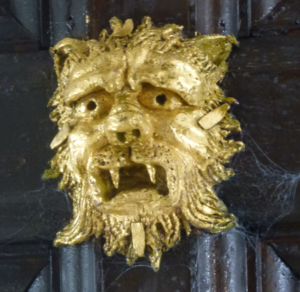
Gold Head from St Andrews Church Aldborough

Photography has long been an essential tool in archaeology, providing a visual record of sites, finds, and features. In the context of archaeological research, photos do more than simply document—they offer crucial evidence that can be revisited, analysed, and shared.

Guide – The Power of Air Photo Coverage

Thornborough Southern Henge from the air

When it comes to uncovering the secrets of the past, air photography is an invaluable tool that offers a bird’s-eye view of archaeological sites and their surrounding landscapes.

Guide – Critical Thinking: Lack of Evidence Does Not Mean Evidence of Lack

A car broken down on the side of the road.

In archaeology, the phrase “lack of evidence does not mean evidence of lack” is an important reminder that the absence of proof does not necessarily prove something does not exist or did not happen.

Guide – Using the best tools for research

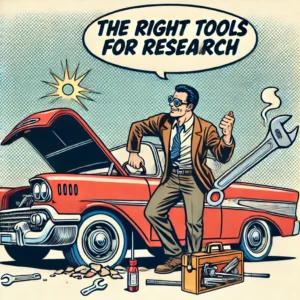
A car broken down on the side of the road, with the driver holding a set of tools.

For amateur researchers who don’t have access to extensive professional resources, there are still several methods and tools they can use to cross-check previous findings and apply a holistic approach. While they may never have access to every piece of data, they can still adopt strategies that lead to more accurate, well-rounded interpretations. Here are some practical approaches:

Guide – Congruence in Archaeological Interpretation: Holistic Analysis

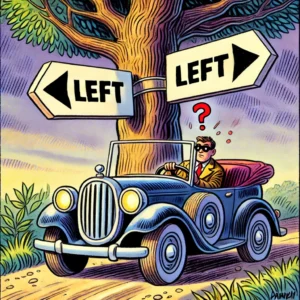
A car approaching a signpost with two arrows pointing in different directions, both leading to the same destination.

In archaeology, congruence refers to the alignment or consistency between various elements of evidence, data, and interpretations. It is the principle that all parts of a research question should fit together seamlessly to offer a coherent and reliable understanding

Guide – Challenging Assumptions with Free Thinking

One of the most powerful tools in archaeology is not just digging deeper into the earth but digging deeper into our own thinking processes. In archaeological research, we often encounter assumptions—either based on prior data, outdated methodologies, or even cultural biases—that shape how we view and interpret the past.

Guide – Introduction to Critical Thinking in Archaeological Research

A car in a river and the driver saying it is a car park

In the world of archaeology, as with all forms of inquiry, the pursuit of truth begins with the ability to think critically and independently. Archaeology is often seen as the science of uncovering the past, but it is equally the art of understanding how we approach and interpret evidence. In the case of the Brigantes Nation, a tribe whose history is riddled with gaps and assumptions, critical thinking is not only useful—it is essential.

Contact Us
close slider